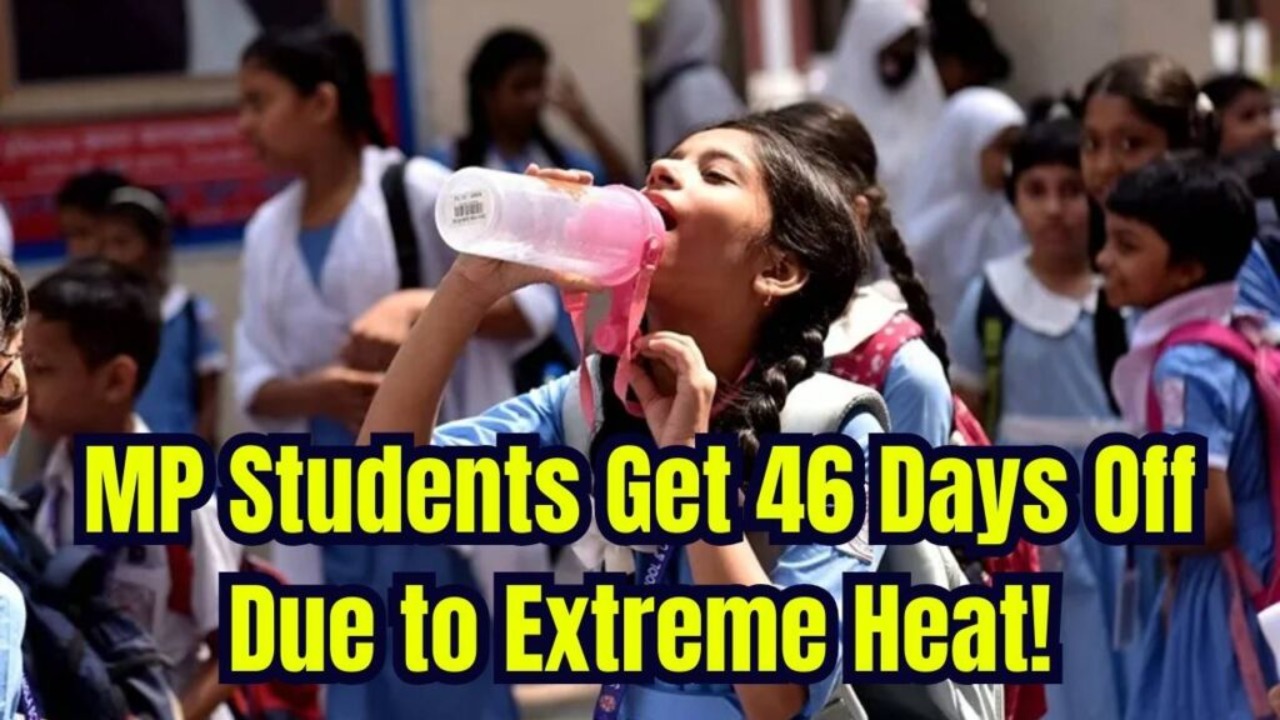
As the blistering summer sun bears down on Punjab, Pakistan, residents are feeling the heat in more ways than one. The province, already known for its scorching summers, is now facing a particularly intense heatwave, prompting authorities to issue a Heatwave advisory Punjab schools. With temperatures soaring to unprecedented highs, the safety of students has become a top priority, and the decision to close schools was inevitable. This article takes a closer look at the heatwave advisory and why it’s crucial for schools in Punjab to shut down during such extreme weather conditions.
The impact of such heatwaves isn’t just a passing inconvenience—it’s a serious public health concern. Children, particularly those in school settings, are especially vulnerable to heat-related health issues. The Heatwave advisory Punjab schools has become a pivotal moment for communities, as it highlights the urgent need for safety measures during extreme heat events.
What is the Heatwave Advisory for Punjab Schools?
The Heatwave advisory Punjab schools is an official warning issued by the Pakistan Meteorological Department (PMD) and local authorities in response to an expected rise in temperatures that could reach dangerously high levels. The advisory serves as a precautionary measure to safeguard the well-being of schoolchildren, especially during peak heat hours.
In simple terms, a heatwave occurs when temperatures rise significantly above normal levels for an extended period, typically over several days. For Punjab, where the mercury can exceed 40°C (104°F), this prolonged exposure to extreme heat can lead to severe health issues such as dehydration and heatstroke. The Heatwave advisory Punjab schools aims to mitigate these risks by advising schools to close temporarily. This allows children to stay indoors and reduces their exposure to harmful conditions.
This advisory is crucial because children, especially those under the age of 15, are more susceptible to heat-related illnesses. When exposed to high temperatures, their bodies struggle to regulate temperature, making them prone to heat exhaustion and heatstroke. Local authorities, backed by meteorological data, have emphasized that immediate action is necessary to prevent such health crises from escalating.
Why Schools Are Shutting Down
The decision to shut schools in response to a Heatwave advisory Punjab schools is based on a combination of factors aimed at protecting children’s health. While school closures are not ideal, the extreme heat presents a significant danger, especially in the absence of air-conditioning in many public schools.
The closure orders were made following discussions between local education departments and health experts. Specifically, the most affected regions are cities like Lahore, Faisalabad, and Multan, where temperatures have consistently exceeded 40°C. During these high-heat periods, the classrooms become stifling, and without proper ventilation or cooling systems, it’s impossible to ensure the safety of students. This is where the heatwave school policies come into play, guiding the authorities to make this difficult decision.
Health Implications of Heatwaves for Children
One of the most significant risks associated with heatwaves is the effect on children’s health. Dehydration, heat exhaustion, and heatstroke are just a few of the life-threatening conditions that can arise when children are exposed to extreme temperatures for extended periods.
Dehydration is perhaps the most common and concerning issue during a heatwave. Children, particularly younger ones, have a higher body surface area relative to their weight, making them more prone to losing water through sweat. In extreme heat, when they are outdoors or in poorly ventilated classrooms, this loss is exacerbated, leading to rapid dehydration. Symptoms like dizziness, dry mouth, and weakness are early indicators, and if left unaddressed, it can escalate into more severe conditions.
Then there’s heatstroke, which is a more severe consequence of prolonged heat exposure. Heatstroke occurs when the body’s temperature regulation system fails, and the internal temperature rises to dangerous levels, often above 40°C (104°F). This condition can cause confusion, seizures, and even organ failure if not treated immediately. Given the vulnerability of children during such conditions, the Heatwave advisory Punjab schools aims to mitigate the risk of these severe health issues by keeping children out of harm’s way.
Future Measures to Protect Students in Hot Weather
While the current school closures are a necessary immediate response to the ongoing heatwave, it’s essential to consider long-term solutions that can help schools adapt to rising temperatures in the future. The role of climate adaptation for schools cannot be overstated, as global warming continues to push temperatures higher every year.
One of the most effective ways to ensure heatwave resilience is by investing in climate-friendly infrastructure in schools. This includes installing air-conditioning systems or improving ventilation to regulate classroom temperatures. Moreover, schools can implement policies that allow for flexible hours during extreme heat, with classes starting earlier in the morning or later in the evening when temperatures are more tolerable.
Government and educational authorities also play a key role in education safety policies that specifically address climate change and heatwave management. This includes providing regular heatwave training to school staff, ensuring that children understand the importance of hydration and self-care, and offering solutions like shaded play areas for outdoor activities.
Conclusion
The ongoing Heatwave advisory Punjab schools and the subsequent school closures are clear signs of the growing challenges posed by extreme heat events. As temperatures continue to rise, the importance of being prepared for such events has never been clearer. By understanding the heatwave risks and taking proactive steps, schools, parents, and local authorities can help protect children from the devastating effects of heatwaves.
Moving forward, it’s essential for schools and governments to invest in better infrastructure, safety protocols, and educational programs that emphasize the importance of staying cool and hydrated. With rising temperatures becoming a regular occurrence, ensuring the safety of students during heatwaves must remain a top priority.
For more details on heatwave related school policies and measures to protect students, you can refer to this related post on physical activities in Punjab schools.