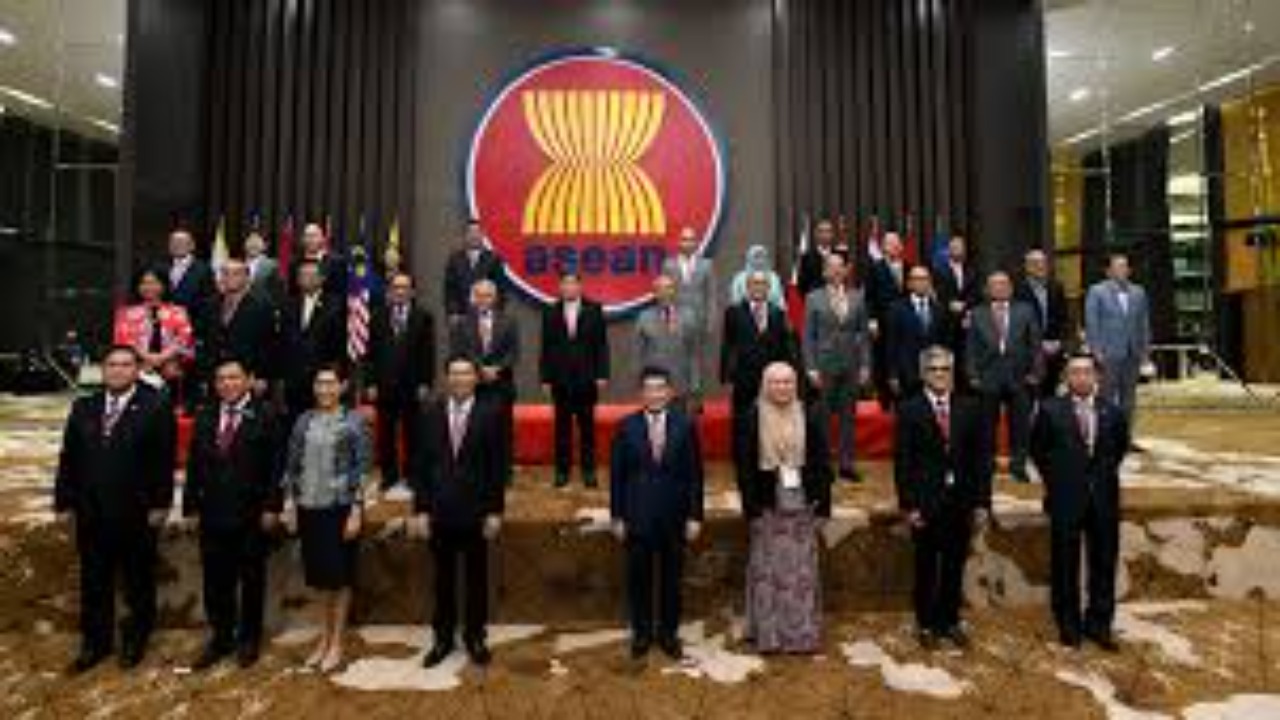
The spotlight shifts to Southeast Asia in 2025 as the region prepares for one of its most anticipated diplomatic gatherings—Asean summit 2025. With geopolitical tensions simmering, economic cooperation evolving, and climate challenges pressing, the summit lands at a critical juncture in global affairs. This time, Malaysia takes center stage, charged with steering the bloc’s direction for the year. From strategic negotiations to a renewed focus on unity, the event is shaping up to be more than just a conference—it’s a recalibration of ASEAN’s collective purpose.
ASEAN Summit 2025 Venue: Where Will It Be Held?
Curiosity around the Asean summit 2025 venue has surged, and rightly so. Hosted in Kuala Lumpur, Malaysia’s capital is no stranger to high-stakes diplomacy. Renowned for its advanced infrastructure and international accessibility, the city offers a fitting backdrop for discussions expected to shape regional policies for years to come. The primary venue, Kuala Lumpur Convention Centre (KLCC), stands ready with world-class facilities, having previously hosted events of global stature.
Not only does Malaysia bring logistical advantages, but its symbolic value also carries weight. For a region that thrives on harmony amidst diversity, Malaysia’s multicultural society reinforces the message of unity—one that aligns seamlessly with the overarching vision of Asean summit 2025. Questions like “ASEAN Summit 2025 held in which country?” have now found a definitive answer, backed by both preparation and purpose.
ASEAN Summit 2025 Theme: Fostering Unity and Collaboration
At the heart of this year’s summit lies a theme rooted in purpose: “Fostering Unity and Collaboration.” The Asean summit 2025 theme isn’t just a slogan; it echoes the urgent need for strengthened cooperation in a region balancing tradition, modernisation, and external influence.
Economic integration will headline discussions, especially as ASEAN members look to navigate post-pandemic recovery while facing new global uncertainties. From creating sustainable trade corridors to boosting digital innovation, unity becomes the fulcrum for action.
But the collaboration extends beyond just economics. Peace-building efforts, especially in light of humanitarian concerns in Myanmar and disputes in the South China Sea, form a significant part of the dialogue. The theme reflects not only diplomatic goals but also the social and cultural connectivity needed for ASEAN to evolve as a cohesive bloc.
Schedule and Key Dates of ASEAN Summit 2025
The Asean summit 2025 schedule has been thoughtfully structured to accommodate both formal dialogue and high-level engagement. Beginning in early May, the summit will unfold across several days, with the initial sessions focusing on regional economic frameworks and joint development strategies.
Day two is expected to witness closed-door discussions among member leaders on security and defense coordination, followed by a public address on environmental priorities. Notably, a special session will bring together leaders from China and the Gulf Cooperation Council (GCC)—a historic first for the summit.
In addition to the plenary sessions, side events such as the ASEAN Business and Investment Forum, youth dialogues, and cultural exhibitions are slated to add richness to the experience. These parallel events offer room for thought leadership, regional branding, and cross-border networking, reinforcing ASEAN’s multidimensional influence.
Key Issues and Objectives of ASEAN Summit 2025
Among the many goals embedded within Asean summit 2025, the bold regional agenda put forth by Malaysia commands attention. Economic resilience, sustainable development, regional peace, and digital transformation top the priority list. Each objective carries significant weight, particularly as ASEAN nations work to shield themselves from global supply chain disruptions and technological inequalities.
One of the most closely watched issues will be the South China Sea, a long-standing flashpoint in Southeast Asia. With rising naval tensions, this summit aims to push forward a legally binding code of conduct among involved nations—a move many see as long overdue.
Another agenda point involves addressing job scams and human trafficking, with Malaysia urging fellow member states to adopt a coordinated stance. This focus brings a human-centric angle to a predominantly diplomatic conversation, showing ASEAN’s evolving commitment to people-first policymaking.
An internal push for enhancing disaster preparedness, particularly in the wake of natural disasters like the recent Myanmar earthquake, also underscores the urgency of action. The collective goal is clear: build an ASEAN that’s not only reactive but proactively prepared for future crises.
For readers interested in how these objectives align with broader political strategies, further context is available in this related post on geopolitical priorities, which examines how international diplomacy shapes regional policies.
Conclusion
The Asean summit 2025 is more than a diplomatic rendezvous—it’s a pivotal turning point for Southeast Asia. With Malaysia at the helm, there’s a renewed focus on advancing cooperation while navigating shared challenges. From unveiling a strategic Asean summit 2025 theme to showcasing a world-class Asean summit 2025 venue, the event promises to elevate the bloc’s regional influence.
As discussions around the ASEAN Summit 2025 schedule continue to unfold, so too does the global anticipation surrounding it. The summit’s bold agenda, rooted in unity and progressive leadership, positions ASEAN not only as a regional powerhouse but also as a forward-thinking contributor on the global stage.
Those following developments closely can expect more detailed updates as the summit approaches, including insights into policy outcomes and leadership declarations. For further exploration into ASEAN’s expanding role in global diplomacy, visit our ongoing coverage on ASEAN regional affairs and global summits.