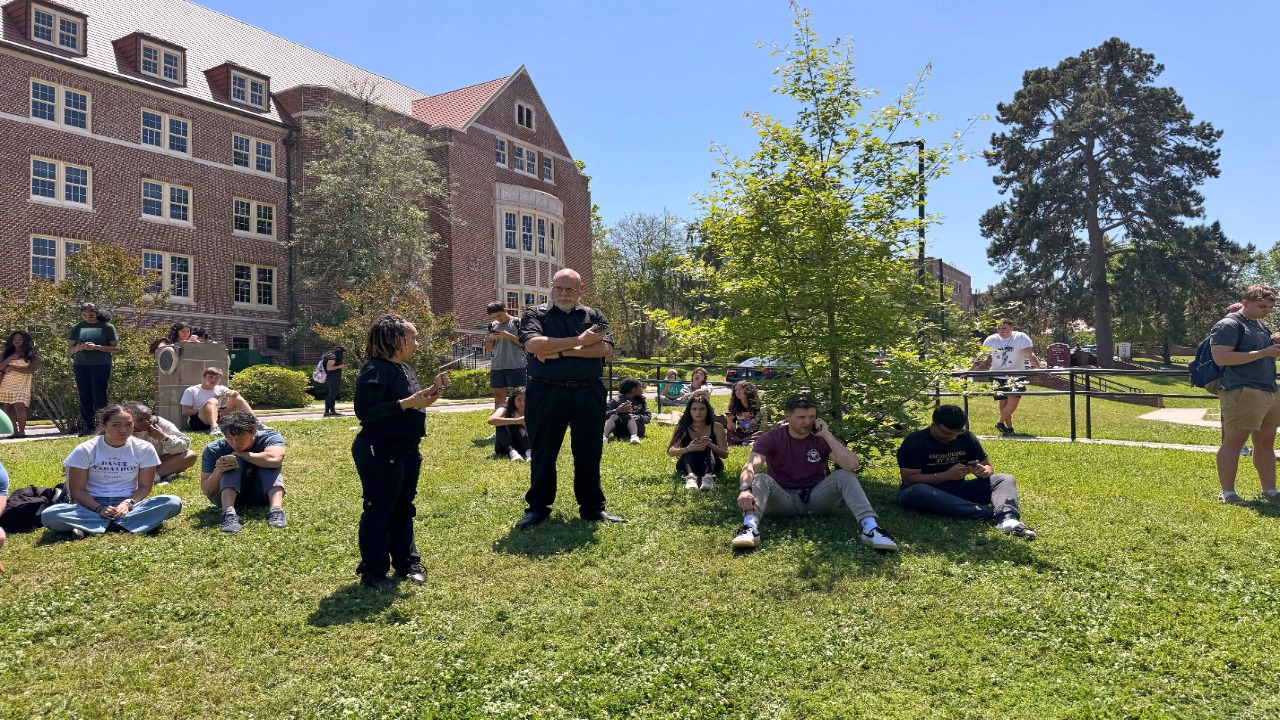
A quiet morning at FSU quickly turned into a national headline. What began as an ordinary spring day on the vibrant campus of Florida State University ended in shock, sorrow, and a scramble for answers. Two lives were lost, several others injured, and a community once defined by school pride found itself reeling from an unthinkable act of violence.
The incident has left deep scars across the FSU campus and beyond. As news broke, social media feeds flooded with grief, support, and outrage, echoing across every corner of the country. What followed was a firestorm of questions—not just about how it happened, but what it means for the safety and future of higher education in the U.S.
The FSU Shooting Incident
Just before noon on April 17, chaos erupted near the Student Union building at FSU. Reports came in swiftly—gunshots, confusion, and students running for cover. The shooter, later identified as 20-year-old Phoenix Ikner, opened fire on unsuspecting individuals. Tragically, two were killed and six others injured before the suspect was apprehended by law enforcement.
Authorities acted quickly. Ikner, a student at the university and the son of a local sheriff’s deputy, was subdued and transported to the hospital with non-life-threatening injuries. The firearm used reportedly belonged to his mother, a law enforcement officer herself—a chilling layer to an already heartbreaking situation.
Witnesses described the scene as something out of a nightmare. Sirens, screams, and shelter-in-place alerts swept across the campus. What once served as a hub for student activity had been transformed into a crime scene, now under the watch of both local and federal investigators.
The Impact on FSU and its Community
As the news settled in, so did the heartbreak. The ripple effect across FSU was immediate and raw. Vigils were held. Messages of solidarity came pouring in from fellow universities, alumni, and public figures. Faculty members offered flexible deadlines and emotional support, while students tried to process what had just happened in a place they considered home.
Florida State University officials released a somber but determined statement acknowledging the tragedy and emphasizing their commitment to campus safety. Classes were cancelled, and resources were quickly mobilized—from counseling services to campus security enhancements.
The impact extended well beyond Tallahassee. Alumni, many of whom proudly wore garnet and gold in boardrooms, classrooms, and communities nationwide, found themselves reaching back to support the university during one of its darkest chapters.
National Outrage and Media Coverage
As details of the shooting unfolded, national outrage surged. News outlets dissected every angle—the suspect’s background, the weapon’s origin, and the apparent warning signs that may have been missed. Social platforms became both outlets for grief and battlegrounds for debate on gun control, mental health, and school safety.
Media coverage, while extensive, also brought a sense of urgency to the conversation. The nation watched as FSU’s story became a reflection of a broader issue—how schools, even those with stellar reputations, are not immune to tragedy.
The Intersection of Campus Safety and University Rankings
The Florida State University ranking has long been a point of pride. Known for its academic rigor, research programs, and vibrant campus life, FSU consistently ranks among top public universities in the country. However, with national attention now turned toward safety concerns, questions arise about how such incidents impact public perception.
When parents and prospective students begin evaluating colleges, statistics like the Florida State University acceptance rate often share space with safety data and incident history. And while the school’s strong programs and achievements remain undeniable, the recent events have undoubtedly shifted how FSU is viewed—at least in the short term.
Universities across the country walk a fine line, balancing academic excellence with student well-being. What’s unfolding at FSU highlights the need for institutions to approach safety with the same level of commitment as they do GPA requirements or admissions benchmarks.
The Emotional Toll and FSU’s Role in Healing
Behind every headline is a community trying to heal. In the wake of the shooting, FSU began rolling out a network of support systems to help students and faculty cope. Crisis counselors were made available around the clock. Peer support groups were formed. Safe spaces—both physical and emotional—became a priority.
Tragedies like this leave more than just physical wounds. The emotional aftermath lingers long after the news vans leave. It’s in the silence of the library, the changed atmosphere at the student union, and the sudden unease during late-night walks across campus.
Florida State University, to its credit, responded swiftly. Alongside local leaders and mental health professionals, the institution is working to rebuild a sense of safety and trust. It’s a long journey, but one paved with compassion, resilience, and a community unwilling to be defined by one tragic moment.
Conclusion
What happened at FSU is a painful reminder of the challenges that schools face in today’s world. No institution, regardless of its prestige or ranking, is exempt from the need to evolve and protect. The Florida State University acceptance rate might still reflect academic demand, but its responsibility now lies equally in ensuring every student feels secure in their pursuit of knowledge.
As the FSU community begins its road to healing, the nation watches—hoping that this tragedy spurs not only conversations but change. From emergency preparedness to mental health awareness, every measure matters. And every voice—whether from a classroom, dorm room, or newsroom—has a role in shaping what comes next.
For readers exploring how university culture and security are evolving across the U.S., further coverage on faculty controversies and campus activism can offer additional perspective: US university professor forced to take early retirement over pro-Palestine views.