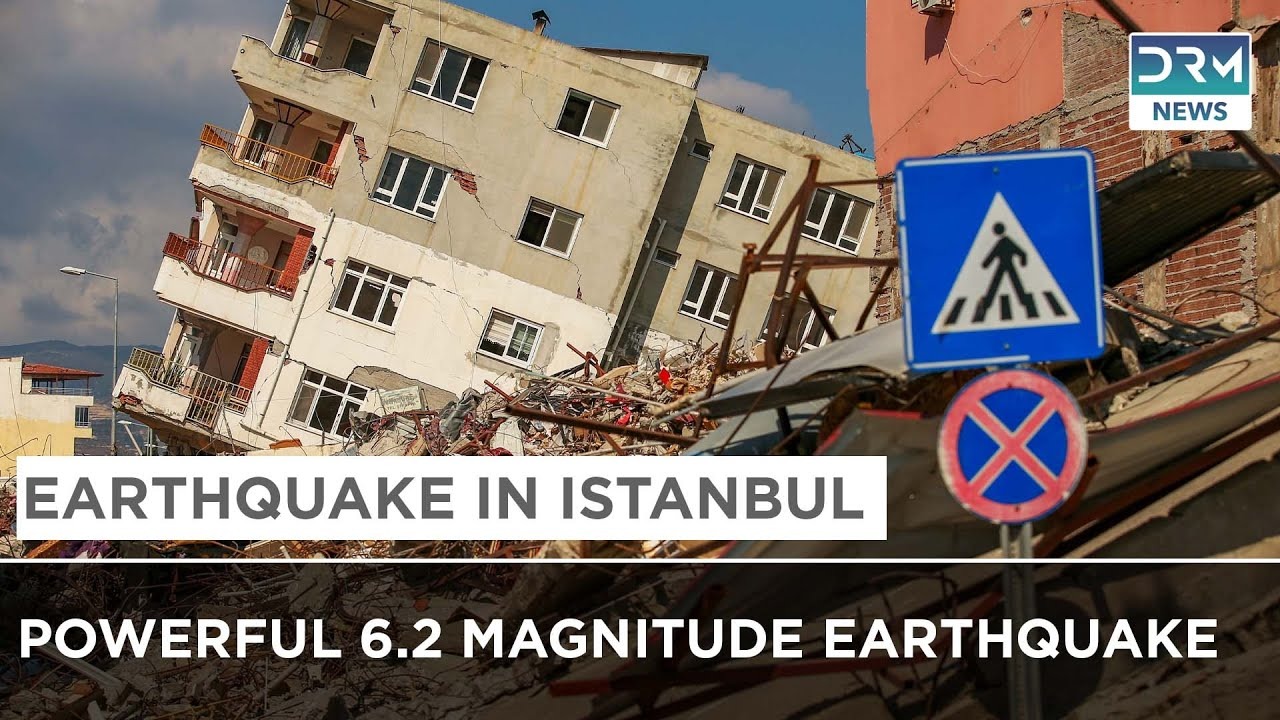
On Wednesday, Istanbul was rocked by a powerful 6.2-magnitude earthquake that shook buildings and sent thousands of residents fleeing into the streets. The Istanbul Earthquake, which struck at 12:49 local time (09:49 GMT), has left the city in a state of panic, though authorities reported no fatalities. While the tremor caused widespread fear, it resulted in no significant structural damage. However, at least 151 people were injured, primarily from jumping from high places in a bid to escape the shaking buildings.
Details of the Istanbul Earthquake
The epicentre of the Istanbul Earthquake was located in the Sea of Marmara, near the coastal area of Silivri, about 80 km (50 miles) west of Istanbul. It struck at a depth of 6.92 km (4.3 miles), which is relatively shallow. Shallow earthquakes tend to be more destructive because they release energy closer to the surface. The tremor was the strongest earthquake to hit Istanbul in years, leaving many residents anxious about the possibility of even larger quakes to come.
The earthquake triggered over 50 aftershocks throughout the afternoon, further heightening fears among residents. As a precaution, many Istanbulites chose to spend the night outdoors to avoid being trapped inside buildings in case of stronger aftershocks. Large crowds gathered in public spaces, such as the main square in Besiktas, a busy district and popular student area. Many people were seen with backpacks, ready to spend the night in open areas until the situation settled.
How the Earthquake Impacted Istanbul’s Residents
The Istanbul Earthquake had a profound psychological impact on the city’s residents. For many, it was the first time they had felt such a strong tremor. The fear of a potential larger earthquake—something that Istanbul has long been preparing for—was palpable.
Selim Ustaoglu, a student, shared his experience with the BBC. “I grabbed a few essentials and fled my accommodation. I’m staying here tonight,” he said, explaining that he didn’t feel safe returning to his building. His story mirrored the actions of many others, particularly those living in high-rise buildings, which are considered more vulnerable during earthquakes.
Zeynep Akincioglu, another student, expressed similar concerns. “Our building doesn’t look strong enough to withstand a larger quake. I can’t risk bringing my family back inside,” he explained. These accounts reflect the deep-rooted anxiety Istanbul residents have about the possibility of a more powerful earthquake, especially given the city’s proximity to the North Anatolian Fault Line.
The Response to the Istanbul Earthquake
Despite the widespread panic, the response from local authorities was swift and effective. The governor of Istanbul reported that no significant structural damage had occurred, though an abandoned building in the Fatih district collapsed. Fortunately, the city’s critical infrastructure, including energy, gas, and water supplies, remained intact. Schools were closed for the day, and the education minister confirmed they would remain shut for the rest of the week. However, open spaces were made available for those who needed safe areas to gather.
One of the reasons for the city’s preparedness was Istanbul’s long history of earthquakes. The town lies just 20 km from the North Anatolian Fault Line, one of the world’s most active seismic zones. As a result, Istanbul has been subject to extensive earthquake preparedness and safety measures. Despite this, many residents still live in fear, knowing that the city is due for a much stronger earthquake in the future.
The Fear of a Bigger Quake
One of the most alarming aspects of the Istanbul Earthquake was the widespread fear that it could be a foreshock to a larger quake. Many people, including experts, speculated that this tremor could signal the arrival of a more powerful earthquake, which is why so many residents chose to stay outdoors.
Selva Demiralp, an economics professor at Koc University, shared her experience, noting how terrifying it was to be in a high-rise building during the tremor. “It was quite scary,” she said. “We are safe, but we don’t know if this is the real one or just a foreshock.”
The uncertainty surrounding the event only added to the stress of the situation. While authorities assured the public that there was no immediate danger of a larger earthquake, the psychological toll was significant. This fear was compounded by the devastating earthquakes that hit southern Turkey in 2023, killing more than 55,000 people and leaving many residents deeply traumatized.
What’s Next for Istanbul?
The Istanbul Earthquake has once again brought attention to the city’s vulnerability to seismic activity. While the immediate danger has passed, experts continue to monitor aftershocks and any signs of future tremors. The city’s preparedness plans are in place, but as Wednesday’s earthquake demonstrated, the threat of a more significant quake remains ever-present.
For the residents of Istanbul, the event served as a poignant reminder of the unpredictability of nature. With many people still hesitant to return to their homes, the city’s emergency response teams will continue to assist in ensuring the safety of those affected by the earthquake.
Conclusion
The Istanbul Earthquake of 2025, while not as devastating as some had feared, left an indelible mark on the city. It underscored the importance of preparedness in a town that sits on one of the world’s most active fault lines. For now, residents are waiting, hoping for peace but bracing for the worst. The earthquake serves as a wake-up call for both authorities and residents to continue strengthening the city’s infrastructure and emergency response systems.
As Istanbul recovers, it’s essential to stay informed about ongoing developments. To read more about global events, including market rallies and political shifts, check out our latest post on how Markets Rally as Trump Signals Major Tariff Cuts Amid Easing Tensions with China.