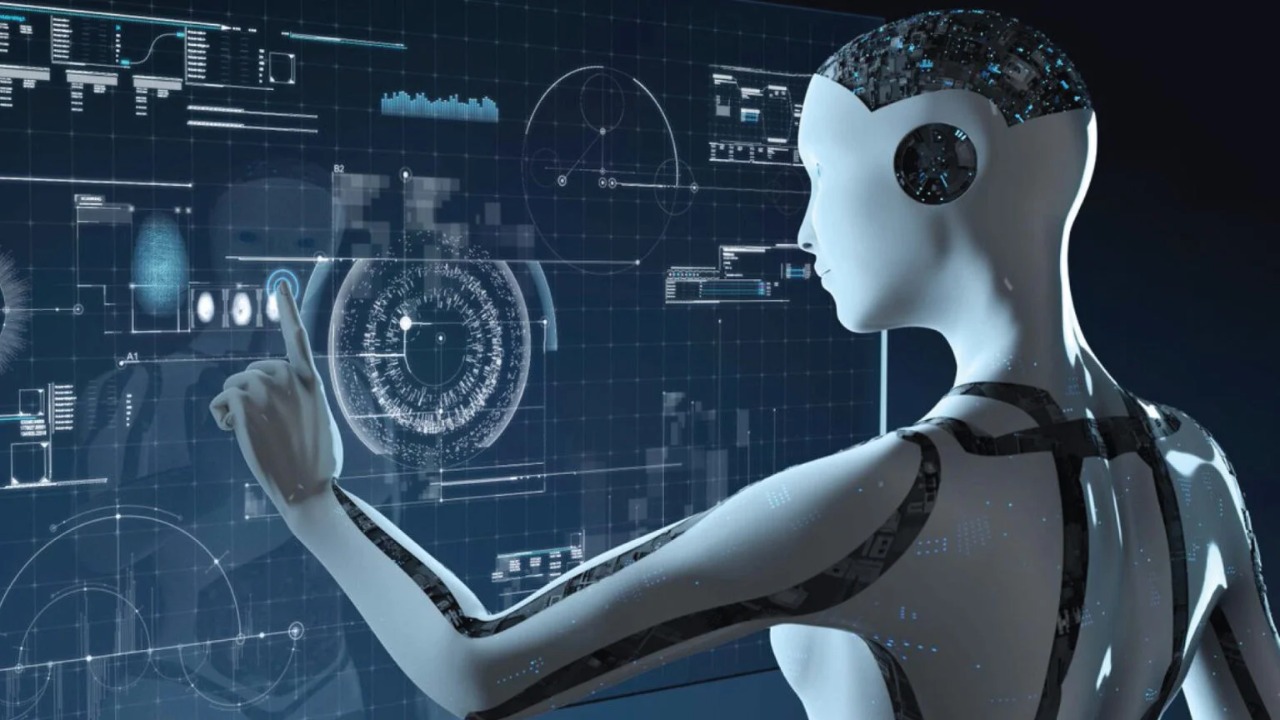
Artificial intelligence is no longer just a futuristic concept—it’s already embedded in the tools, apps, and systems used every day. From voice assistants and smart devices to healthcare diagnostics and financial services, AI machines are transforming how the world operates. This article explores what AI really is, how it’s used across the United States, and which companies are leading the charge in building intelligent machines that shape modern life.
What is an AI Machine?
An AI machine is any system powered by artificial intelligence (AI) that can perform tasks usually requiring human intelligence. These include recognizing speech, analyzing data, making decisions, and even creating art or writing. AI machines learn from large sets of data, improve over time, and are used across many industries in the USA.
Think of AI machines like smart helpers. They use algorithms, or sets of instructions, to mimic how humans think. From voice assistants like Alexa to self-driving cars and healthcare robots, AI machines are everywhere.
What is Artificial Intelligence With Examples?
To better understand AI machines, it helps to ask: what is artificial intelligence with examples? Simply put, artificial intelligence is the ability of machines to simulate human intelligence.
Examples include:
-
Voice Assistants like Siri and Google Assistant answering questions.
-
Netflix Recommendations that use AI to suggest what to watch.
-
Self-Driving Cars that recognize traffic signs and pedestrians.
-
Chatbots used by websites for customer service.
-
Fraud Detection in banking using AI models.
All these tools are run by AI machines programmed to solve real-world problems.
How AI Machines Are Used in the USA
Across the United States, AI machines are used in many areas:
-
Healthcare: Doctors use AI to analyze X-rays, predict diseases, and improve patient care.
-
Retail: Stores use AI to manage inventory and recommend products.
-
Transportation: AI helps control traffic, manage delivery routes, and power autonomous vehicles.
-
Finance: AI machines detect fraud and make smart investment decisions.
-
Education: Teachers use AI to customize learning for each student.
AI is no longer futuristic—it’s part of daily life.
AI Machine Companies Leading the Industry
Several companies in the USA are leading the way in developing AI machines. These AI machine companies are shaping the future:
-
IBM: One of the oldest players, IBM’s Watson is known for language processing.
-
Google (Alphabet): With DeepMind and Google AI, they lead in language, search, and image recognition.
-
Microsoft: Invests heavily in AI with Azure and Copilot tools.
-
NVIDIA: Designs chips that power AI models used in gaming, healthcare, and robotics.
-
OpenAI: Creator of ChatGPT, OpenAI pushes the boundaries in AI conversation and reasoning.
These companies are not only creating smart machines but also shaping how we interact with technology.
A Real-Life Example: University of Kentucky’s AI Machine Hub
In 2025, the University of Kentucky launched a groundbreaking initiative using AI and machine learning. Known as the AI/ML Hub, the project received support through the Provost IMPACT Award to boost innovation and education across Kentucky.
This AI machine hub connects students, professors, and researchers from 15 colleges to work together on real-world problems. Some highlights include:
-
Medical Data Projects: AI machines helped identify Kentucky patients at risk of missing cancer screenings.
-
Agricultural Research: AI predicted harmful plant growth to protect pregnant horses.
-
Workshops & Training: The hub hosted a yearly AI/ML symposium and hands-on student learning.
The initiative shows how universities can use AI machines not only for research but also to benefit communities and prepare students for careers in technology.
Why AI Machines Matter in 2025 and Beyond
AI machines are changing how we live and work. In 2025, these technologies are becoming easier to use and more common. Thanks to powerful computers and smarter algorithms, even small businesses and schools can use AI.
Here’s why AI machines matter now more than ever:
-
Better Decision-Making: AI helps businesses and doctors make smart, fast decisions.
-
Job Skills: Knowing how to use AI is becoming a key skill for new careers.
-
Faster Innovation: AI machines speed up research in medicine, climate change, and more.
As more people learn to use AI, the technology becomes less mysterious and more helpful.
Challenges of Using AI Machines
AI machines offer many benefits, but they also come with challenges:
-
Privacy: AI uses large amounts of personal data.
-
Bias: Machines can sometimes reflect human errors or unfairness in the data they learn from.
-
Job Displacement: Some fear AI will replace human workers.
The key is to use AI wisely and develop rules to protect people’s rights while encouraging innovation.
The Future of AI Machines
What’s next for AI machines? Experts believe AI will become even more personal, helping us with daily tasks, learning our habits, and making life easier.
-
Healthcare robots could assist in elderly care.
-
Smart homes will learn how to save energy and improve safety.
-
AI in education will create fully personalized learning for each student.
The possibilities are endless when AI machines are used responsibly.
Final Thoughts
The AI machine is more than a buzzword—it’s a powerful tool changing lives in the USA. Whether in hospitals, classrooms, farms, or smartphones, artificial intelligence is becoming part of daily routines.
By understanding what artificial intelligence is with examples and exploring what top AI machine companies are doing, it’s clear this technology is shaping a better future. The success of projects like the University of Kentucky’s AI/ML Hub shows how AI can be used for good.
AI machines are not just about computers—they’re about people working smarter, learning faster, and solving real problems together. To dive deeper into how artificial intelligence is shaping daily life and future workplaces, this insightful article from The Current sheds more light: The Future of AI Technology – Revolutionizing the Way We Live and Work.