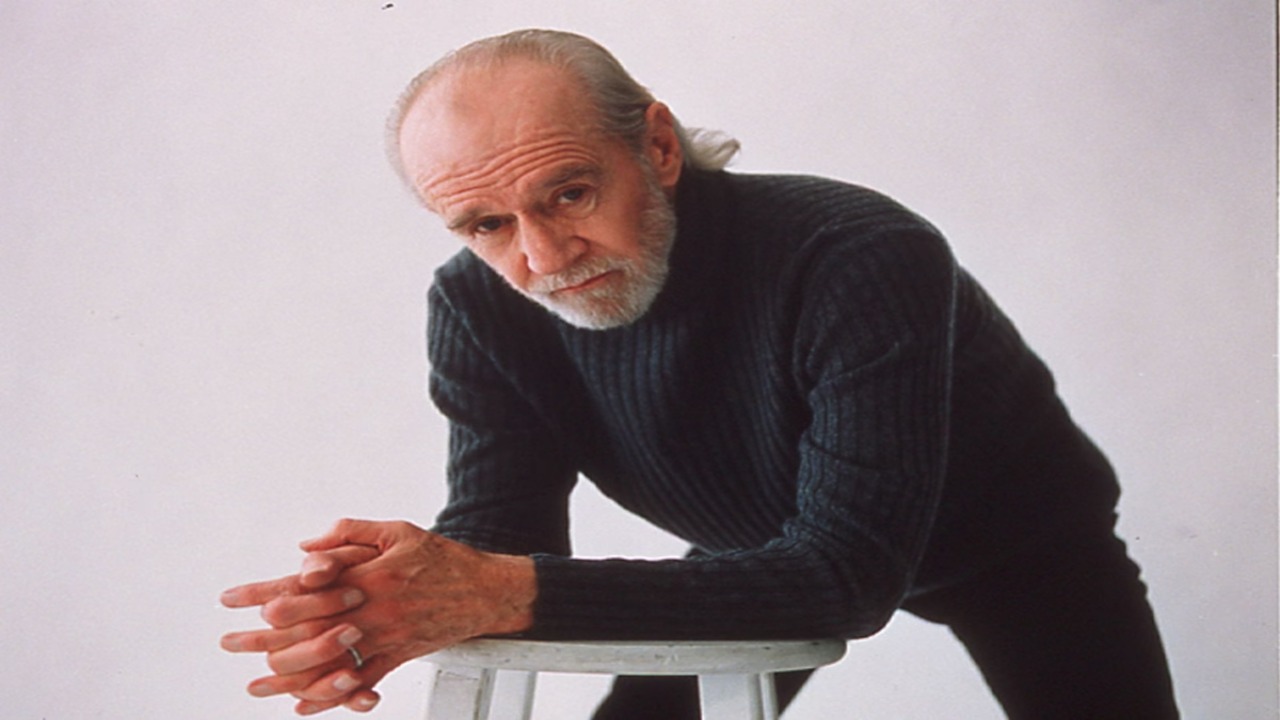
George Carlin was more than just a comedian. He was a truth-teller, a sharp thinker, and a fearless speaker. He made people laugh, but he also made them think. Born in 1937 in New York City, Carlin became one of the most critical voices in American comedy. His humor was bold, direct, and often controversial.
For many, George Carlin was a hero. He stood up against censorship, questioned authority, and used jokes to expose society’s problems. Even years after he died in 2008, his words still echo in comedy and beyond.
Early Life and Career
George Denis Patrick Carlin grew up in Manhattan. His family was Irish-American and Catholic. His father left when George was young, and his mother raised him. Carlin dropped out of high school and joined the U.S. Air Force, where he also worked as a radio DJ.
In the late 1950s, Carlin started performing comedy. At first, his act was clean and safe. He wore suits and told light jokes on TV shows like “The Ed Sullivan Show.” People saw him as a regular comic—funny, but not shocking.
The Big Change: Finding His Voice
Everything changed in the late 1960s and early 1970s. American culture was shifting. The Vietnam War, civil rights, and new music changed people’s thoughts. Carlin saw that comedy needed to change, too.
He grew his hair, wore casual clothes, and dropped the “safe” act. His jokes became more raw and honest. He started discussing serious topics—religion, drugs, politics, and language. He spoke in a way many people felt but didn’t dare say out loud.
“Seven Dirty Words” and Free Speech
In 1972, George Carlin performed one of his most famous routines: “Seven Words You Can Never Say on Television.” This act was both funny and shocking. He listed seven curse words that were banned from public airwaves.
The routine caused a legal battle that went to the U.S. Supreme Court. The case, known as FCC v. Pacifica Foundation, tested the limits of free speech in America. The court ruled that the government could limit indecent material on public radio and TV. Carlin’s words sparked a national conversation about censorship and freedom.
Even though he lost the case, George Carlin won something bigger. He became a symbol for free speech and artistic freedom. He showed that comedy could be powerful and essential.
A Style Like No Other
George Carlin had a unique style. He spoke quickly and clearly, using rhythm, tone, and wordplay to make his jokes hit hard. He was like a poet, but with jokes instead of rhymes.
He loved language. He joked about how people speak and how words can hide the truth. For example, he mocked how the government uses soft words to cover up harsh actions, like calling war deaths “collateral damage.”
Carlin’s comedy wasn’t just about being funny. It was about finding the truth and saying it out loud.
Topics That Mattered
Carlin didn’t shy away from complex issues. He joked about
-
Politics: He criticized both Democrats and Republicans. He saw politicians as selfish and dishonest.
-
Religion: Carlin was an atheist who often joked about organized religion. He believed it caused more harm than good.
-
Consumerism: He hated how people always wanted more stuff. He said Americans were too focused on shopping and money.
-
Media: He believed TV news and ads were full of lies and fear tactics.
-
The Environment: In his later years, Carlin talked about the planet and how humans destroyed it.
These topics made some people angry. But many others saw him as brave and honest. He said the things others were too afraid to say.
Lasting Legacy
George Carlin recorded over 20 comedy albums, wrote three books, and appeared in several movies and TV shows. He won five Grammy Awards and was posthumously awarded the Mark Twain Prize for American Humor in 2008.
He also influenced countless comedians, including:
-
Louis C.K.
-
Chris Rock
-
Jon Stewart
-
Bill Maher
-
Joe Rogan
Many of them say Carlin inspired them to speak freely and dig deeper.
His HBO specials, especially from the 1990s and 2000s, are still watched and shared today. His words feel just as relevant now as they did then.
George Carlin and American Culture
Carlin wasn’t just telling jokes. He was holding up a mirror to American culture. He made fun of the lies people tell themselves. He exposed racism, greed, war, and ignorance. He wanted people to stop being passive and start thinking for themselves.
In this way, Carlin was more than a comedian. He was a social critic, a philosopher, and a rebel.
Personal Life and Final Years
Carlin married Brenda Hosbrook for 36 years until her death in 1997. They had one daughter, Kelly. He later married Sally Wade and remained with her until his death.
George Carlin struggled with drug addiction and health problems. Despite this, he continued performing almost until the day he died. He passed away on June 22, 2008, at the age of 71, from heart failure.
His final HBO special, It’s Bad for Ya, was recorded just months before his death. It showed he had lost none of his fire.
Why George Carlin Still Matters Today
In today’s world of social media, fake news, and growing political division, George Carlin’s voice is more important than ever. His humor teaches us to question authority, challenge groupthink, and use language wisely.
Young people who have discovered Carlin today are surprised by how modern his ideas still feel. His stand-up clips go viral on platforms like YouTube, Instagram, and TikTok. People see him as a voice of truth in a world full of noise.
Final Thoughts
George Carlin didn’t just make people laugh—he made them think. He was funny, fearless, and deeply thoughtful. He questioned everything and encouraged others to do the same. That’s why he’s remembered not just as a comedian, but as a cultural icon. He didn’t follow trends. He created his path. In doing so, he changed comedy—and maybe even America—for the better.
In a heart-wrenching moment, Hira Mani’s emotional video from Abu Dhabi airport captured her reunion with her children, leaving fans in tears.