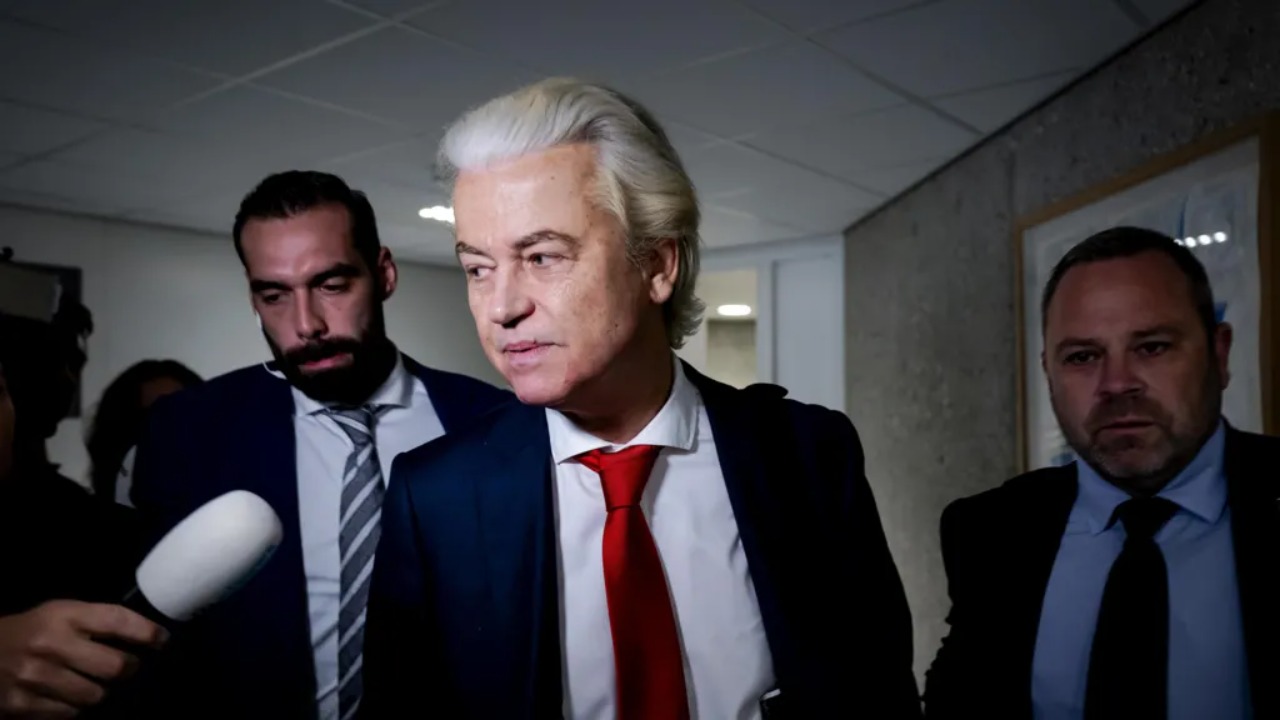
In an unexpected political upheaval, the Dutch government collapses after just 11 months in power. This sudden disruption follows a sharp disagreement over the country’s migration policies. The 2025 collapse has shaken not only the Netherlands but also drawn attention across the globe, including the United States, due to its impact on NATO, the European Union, and broader global politics.
The Dutch government collapse in 2025 is a critical moment in the country’s modern political history. Understanding the reasons behind it reveals a deeper look at the tensions shaping Europe’s far-right movements and their influence on coalition governments.
How Did the Dutch Government Collapse?
At the heart of the Dutch government collapse lies one major issue: migration. Geert Wilders, leader of the far-right Party for Freedom (PVV), abruptly pulled his support from the ruling coalition. His decision came after a short 20-minute emergency meeting with other coalition leaders, ending a fragile alliance that many saw as a ticking time bomb.
Despite previous agreements to enforce “the strictest migration policy ever,” Wilders demanded even harsher rules. His requests included:
-
A complete halt to new asylum seekers
-
An end to family reunification for those granted refugee status
-
The return of all Syrian migrants on temporary visas
Other coalition leaders found these new demands excessive, particularly because they were expected to bypass normal parliamentary procedure. Wilders insisted on immediate action, but his partners wanted to go through the formal process in the House of Representatives. This impasse became the final straw.
Background: A Coalition Built on Uneasy Compromises
The ruling coalition, formed in late 2023, was composed of four right-leaning parties:
-
Party for Freedom (PVV) – Led by Wilders
-
People’s Party for Freedom and Democracy (VVD) – A center-right party
-
Farmer Citizen Movement (BBB) – A populist pro-farmer group
-
New Social Contract (NSC) – A relatively new right-leaning party
Despite their common ground on immigration, they differed widely in approach. To avoid further conflict, they even agreed on a neutral prime minister: Dick Schoof, a civil servant without party ties. This was clearly a “marriage of convenience,” with leaders avoiding direct roles in governance to keep the peace.
Key Trigger: Geert Wilders’s Migration Agenda
The initial coalition agreement already included a tough asylum policy, described as “the most comprehensive migration control package ever.” However, Wilders pushed the envelope by adding ten more proposals in May 2025. His insistence on swift action, without debate or compromise, created a rift too wide to bridge.
He took to social media, stating, “No signature for our migration plans,” and announced his party’s withdrawal. The move was met with backlash. Other coalition leaders accused him of acting in self-interest.
-
Caroline van der Plas of the BBB said: “He isn’t putting the Netherlands first, he’s putting Geert Wilders first.”
-
Dilan Yesilgoz-Zegerius of VVD expressed disbelief: “I don’t think we will get another right-wing majority.”
Why the Dutch Government Collapse 2025 Matters Globally
This collapse comes at a critical time. The Netherlands is set to host a major NATO summit in late June. With the government now in caretaker status, questions are swirling about who will lead the country during this key international event.
Moreover, the incident reflects a larger trend across Europe, where far-right populism gains strength by capitalizing on fears surrounding immigration. Similar political instability has been observed in Germany, Italy, and France, making the Dutch case part of a broader European narrative.
Dutch Election Ahead: What Happens Next?
With the Dutch government collapses headline dominating international news, attention now shifts to the upcoming Dutch election. Though no official date is set, elections are unlikely before October 2025. Until then, Prime Minister Dick Schoof will remain in office as a caretaker, but without the PVV.
This extended period of political uncertainty could impact:
-
Policy implementation
-
Dutch foreign relations
-
Economic stability
Public confidence in right-wing alliances may also wane, especially if voters blame Wilders for the collapse. Polls already show declining support for his party, raising questions about whether he can rebuild trust.
Lessons for Other Democracies
The Dutch government collapse 2025 offers important insights for democracies worldwide, especially for U.S. observers watching shifts in political alliances and immigration debates.
Here are key takeaways:
-
Coalition Fragility: Coalition governments, though common in Europe, often suffer from internal contradictions. When core ideologies clash, especially on sensitive issues like migration, instability follows.
-
Migration as a Flashpoint: Policies on immigration can either unify or destroy governments. In this case, hardline stances without compromise led to collapse.
-
Populism’s Double Edge: While populists often win elections with bold promises, governing with moderation is another story. Wilders’s failure to adapt reflects this challenge.
-
Public Reaction Matters: As parties prepare for the next Dutch election, voter sentiment will play a critical role in reshaping the political landscape.
What’s Next for the Netherlands?
With the Dutch government collapses headline dominating headlines, the Netherlands enters a new era of political recalibration. Caretaker leadership will handle daily affairs, but significant legislative decisions will likely be postponed.
The next Dutch election may serve as a referendum not only on migration but on the very nature of coalition politics in Europe. Will moderate voices regain strength, or will populist movements double down on hardline approaches?
Much depends on how the Dutch people, and international partners, respond in the coming months.
Final Thoughts
The Dutch government collapse 2025 isn’t just a national event, it’s a global case study in modern politics. It showcases how fragile coalitions can be when pushed by extreme demands and how immigration continues to shape the future of democracy in Europe and beyond.
For U.S. readers, this situation offers a mirror to reflect on the balance between national security, humanitarian responsibility, and the complexity of forming lasting political alliances.
Keep an eye on the next Dutch election. It promises to be more than a local event, it may well shape the future of European politics.
In a separate development highlighting regulatory scrutiny in the Netherlands, Dutch authorities fined Netflix €475 million over personal data violations.