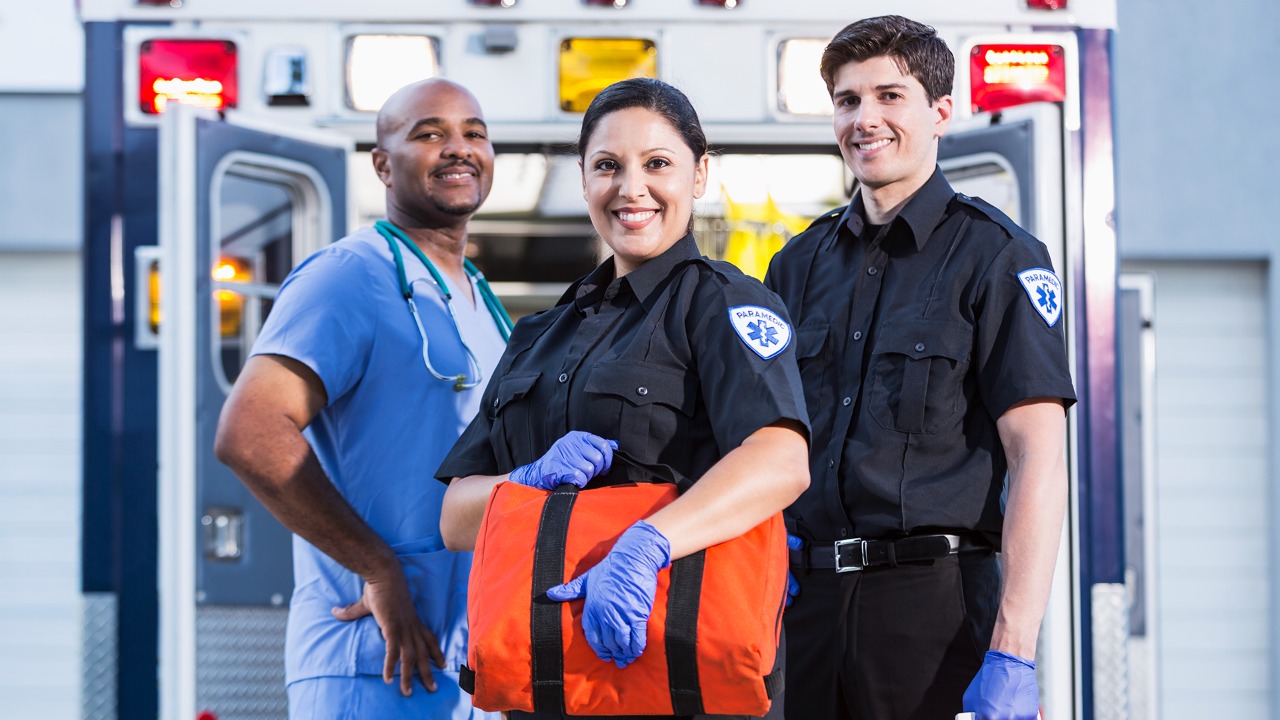
A paramedic is a highly trained emergency medical professional who responds to critical health situations. From car accidents to heart attacks, paramedics are the first on the scene, often working under intense pressure. They assess patients, administer lifesaving care, and transport them to hospitals. Their decisions can make the difference between life and death.
Paramedics serve as the backbone of the emergency response system in the United States, offering medical care during the most chaotic and traumatic moments of life. But becoming a paramedic involves more than just medical training, it requires emotional strength, professionalism, and unwavering ethical standards.
EMT vs Paramedic: What’s the Difference?
One common question in emergency services is the distinction between an EMT vs paramedic.
-
EMT (Emergency Medical Technician): Trained in basic life-saving procedures like CPR, oxygen administration, and bandaging wounds. EMTs typically complete 120–150 hours of training.
-
Paramedic: Offers more advanced care such as drug administration, intubation, and EKG interpretation. Paramedics undergo 1,200 to 1,800 hours of education, often in two-year associate degree programs.
While EMTs stabilize patients, paramedics take that care to a higher level. It’s similar to comparing a nurse to a doctor, both are vital, but with different scopes of responsibility.
Becoming a Paramedic: The Roadmap
To become a paramedic in the U.S., follow these steps:
-
High School Diploma or GED: Basic education is required.
-
Become an EMT: Complete an accredited EMT program and pass the National Registry of Emergency Medical Technicians (NREMT) exam.
-
Enroll in a Paramedic Program: Usually takes 1–2 years, covering anatomy, pharmacology, trauma care, and more.
-
Get Certified and Licensed: Pass the NREMT-P exam and obtain state licensure.
-
Continue Training: Many paramedics pursue certifications in areas like Advanced Cardiac Life Support (ACLS) or Pediatric Advanced Life Support (PALS).
How Much Do Paramedics Make?
So, how much do paramedics make in the United States?
-
National Average Paramedic Salary: Around $49,000 annually.
-
Top 10%: Earn over $65,000 per year.
-
Entry-Level: Often starts at about $35,000 depending on the state.
-
Factors Impacting Pay:
-
Location (urban areas often pay more)
-
Experience and training
-
Employer (fire departments, private ambulance companies, hospitals)
Some paramedics supplement their income by teaching, working overtime, or advancing into administrative roles.
A Cautionary Tale: When Paramedics Cross Ethical Lines
While most paramedics are dedicated professionals, the profession, like any other, is not immune to misconduct.
In a disturbing case from the UK, a paramedic named James Birdseye was removed from the professional register after a gross violation of ethical boundaries. During a medical emergency involving a student, Birdseye offered to remove her tampon, pulled down her trousers without consent, and made inappropriate sexual comments, including stating he wanted to see her naked. He also admitted to having been intimate with other students during shifts and later kissed the student and asked her out.
The Health and Care Professions Council (HCPC) determined that his behavior was predatory and an abuse of professional power. The incident serves as a chilling reminder of what happens when professional lines are crossed. Though this occurred in the UK, the implications resonate globally, including in the U.S., where paramedics are held to high ethical standards.
Birdseye later expressed remorse, admitting his behavior was unprofessional and deeply inappropriate, but the panel still found his actions to have caused emotional harm and unwanted sexual harassment.
This case emphasizes why professional boundaries and patient consent are non-negotiable in emergency medical care.
What Are Five Interview Questions for Paramedic Jobs?
When applying for a paramedic job, expect behavioral and technical questions that test both your medical knowledge and your ethical framework.
Here are five interview questions for paramedic candidates:
-
Describe a time when you had to make a critical decision quickly.
-
How do you handle high-stress situations, especially involving trauma?
-
Tell us about a time you dealt with an uncooperative patient.
-
What would you do if your partner made a mistake during care?
-
How do you ensure you maintain professional boundaries with patients?
Each question evaluates not only competency but character, qualities vital for someone entrusted with others’ lives.
The Real-Life Challenges Paramedics Face
Paramedics endure long shifts, emotional trauma, and even physical danger. They deal with patients in pain, aggressive behavior, and unpredictable environments, from highways to cramped apartments.
Emotional fatigue, known as compassion fatigue, is also common. This is why support systems, counseling, and work-life balance are crucial. The profession is more than just procedures, it’s about humanity.
Career Outlook: Is Becoming a Paramedic Worth It?
Absolutely, if you are passionate about helping others and can manage the stress.
-
Job Growth: The Bureau of Labor Statistics projects a 5% growth for paramedics and EMTs through 2032.
-
Career Advancement: Paramedics can transition into roles like flight medic, EMS supervisor, or even physician assistant with additional education.
-
Fulfillment: For many, the chance to save lives is the ultimate reward.
Final Thoughts
The role of a paramedic in American society is both heroic and demanding. While the job offers a sense of purpose and a respectable paramedic salary, it also comes with enormous responsibility, both medical and ethical. The misconduct case involving James Birdseye stands as a powerful lesson on the importance of boundaries and professionalism in this trusted field.
Whether considering a career in EMS or just wanting to understand the people behind the sirens, knowing what it takes to be a paramedic brings a deeper appreciation of this vital role in healthcare.
In a shocking example of healthcare negligence, even non-medical staff are forced to step in during emergencies, as seen here at Pattoki Hospital.