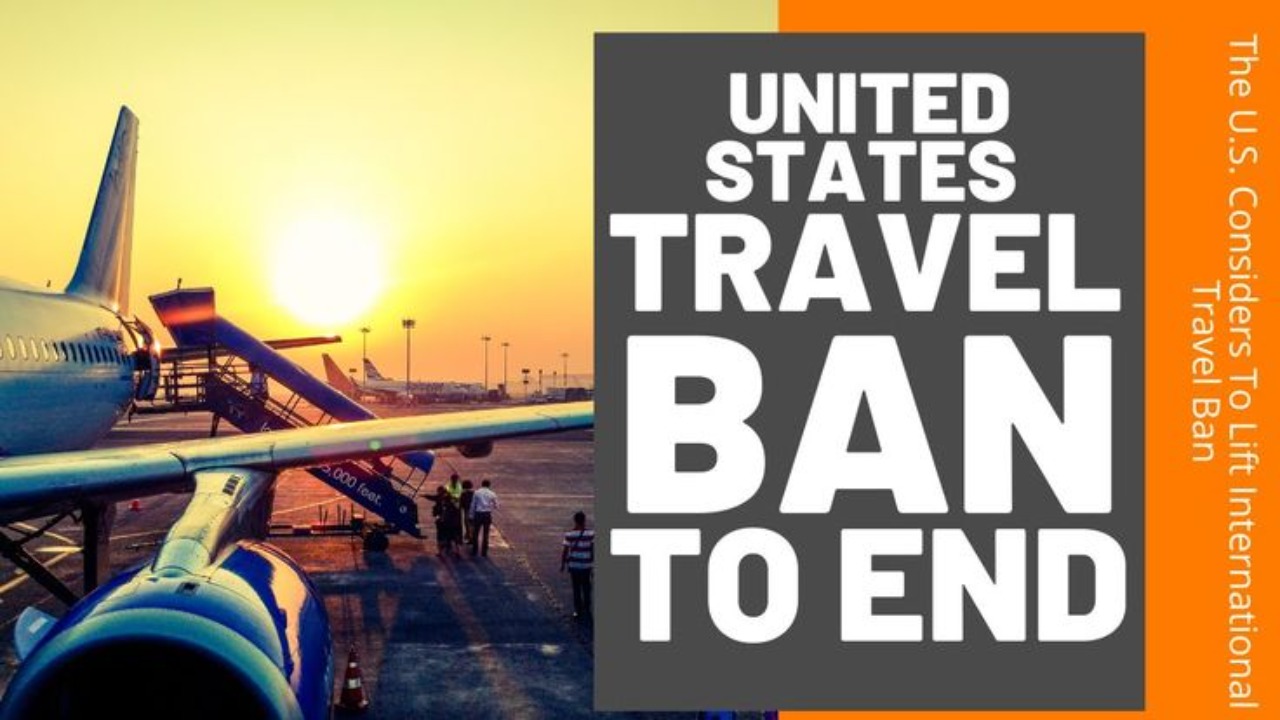
In recent years, the term travel ban has become a powerful headline, especially in the United States. Whether it’s about safety, politics, or immigration, new policies on international travel have significant effects. Today, changes to U.S. travel policies are once again making global news, and this time, they’re more sweeping than ever.
What Is a Travel Ban?
A travel ban refers to a government-imposed restriction that blocks individuals from specific countries from entering a nation. These bans are usually justified by reasons such as national security, public health, or diplomatic tensions.
Some bans completely block all travelers from targeted countries. Others place strict conditions, such as extra vetting, limited visa categories, or longer approval times.
Travel Bans on 12 Countries: Trump’s New Announcement
In a striking move, former President Donald Trump recently announced a travel ban that will block citizens from 12 countries starting Monday at 12:01 a.m. These nations include:
-
Afghanistan
-
Myanmar
-
Chad
-
Republic of Congo
-
Equatorial Guinea
-
Eritrea
-
Haiti
-
Iran
-
Libya
-
Somalia
-
Sudan
-
Yemen
The decision follows growing concerns about national security and visa overstay rates. According to Trump, many of these nations fail to share critical law enforcement data or lack proper screening systems.
Additionally, seven other countries, including Cuba, Venezuela, Laos, Sierra Leone, Burundi, Turkmenistan, and Togo, will face heightened restrictions rather than outright bans.
This change reflects an updated security assessment by the Department of Homeland Security, which found that these countries did not meet certain information-sharing standards or had high visa overstay rates.
Travel Ban Update Today: Why Now?
In a social media statement, Trump linked the announcement to a recent terror attack in Boulder, Colorado, carried out by a man who overstayed his visa. Although the suspect was from Egypt (not on the banned list), the incident was used to illustrate broader concerns.
According to Homeland Security data, some countries consistently show high percentages of visa overstays. This means that once visitors arrive legally, they remain in the U.S. after their visas expire, creating a potential security gap.
The updated ban targets countries with poor coordination on this front. Trump stated, “We don’t want them,” pointing to what he called a failure of governments to manage and retrieve their citizens.
Controversial Choices: Afghanistan and Haiti
Among the most controversial entries on the list is Afghanistan. The country was a close U.S. ally for over two decades, with thousands of Afghan citizens helping U.S. troops and agencies.
Shawn VanDiver, president of #AfghanEvac, criticized the ban, calling it a “moral disgrace.” He argued that it undermines the sacrifices made by Afghan allies and veterans.
However, Trump’s official statement claimed that Afghanistan lacks “a competent or cooperative central authority” and doesn’t provide the proper vetting tools.
Haiti, a nation not on the original travel ban list during Trump’s first term, is now included due to instability and high numbers of undocumented migrants. Trump’s team cited law enforcement gaps and ongoing gang violence as reasons for inclusion.
US Travel Ban Pakistan: Is Pakistan on the List?
As of the latest travel ban update today, Pakistan is not included in the list of the 12 banned countries or the seven restricted ones.
Still, concerns remain. In past years, Pakistan has faced international pressure over visa processes and terrorist affiliations. Although not currently banned, the country remains under close watch, and future policies may shift.
This uncertainty keeps “US travel ban Pakistan” a trending search term as people seek clarity on future travel possibilities.
Political and Public Response
Reactions to the new travel ban are split. Supporters argue that the move enhances national security and keeps Americans safe. Critics, including humanitarian groups and refugee organizations, argue that the policy promotes division.
Oxfam America released a statement calling the policy discriminatory and harmful to people fleeing violence. “This isn’t about national security, it’s about vilifying entire communities,” said Oxfam President Abby Maxman.
Even some conservatives question the effectiveness of sweeping bans, saying targeted, intelligence-driven vetting would be more effective than blanket policies.
Legal Ground and Supreme Court Support
The previous travel bans faced massive protests and lawsuits, especially the 2017 version that triggered chaos at U.S. airports. But over time, the Supreme Court upheld Trump’s authority to impose such restrictions.
This time, Trump appears to be on firmer legal ground. By giving early notice and citing data from Homeland Security, the administration has made it more difficult for legal challenges to succeed.
Impact on Families and Refugees
The human toll of these bans is significant. Families are often separated, students are denied education opportunities, and refugees fleeing war are left stranded.
Afghanistan, for example, has been a major source of refugees. In 2024 alone, over 14,000 Afghan refugees were resettled in the U.S. Many of them had close ties to American soldiers and diplomats.
The current ban includes exceptions for those on Special Immigrant Visas, mostly individuals who worked directly with U.S. forces. But for others, the path remains uncertain.
Travel Ban News: What Happens Next?
With the 2024 election cycle heating up, immigration and travel policies will stay in the spotlight. Republican voters largely support stricter controls, while Democrats push for humanitarian solutions.
Any future travel ban update today could bring changes, either more countries added, or some removed, depending on global conditions and U.S. leadership.
Airlines, universities, businesses, and families will all be watching closely as the situation develops. Staying informed through trusted sources and government websites is crucial for anyone planning international travel.
Conclusion: A Policy That Affects Millions
The U.S. travel ban is not just about border control, it’s a reflection of national values, global diplomacy, and public safety.
While the stated goal is to protect Americans, these policies come with far-reaching consequences. Whether it’s a student from Iran, a refugee from Sudan, or a family member in Haiti, each name on the list represents real lives affected by political decisions.
For people wondering what comes next, staying informed is the best defense. Explore trusted government websites and current travel ban news to avoid surprises. As the situation evolves, the decisions made in Washington will ripple across the globe.
For more insights on possible future restrictions, explore how a blanket US travel ban is unlikely, but new rules may be introduced for Pakistanis here.