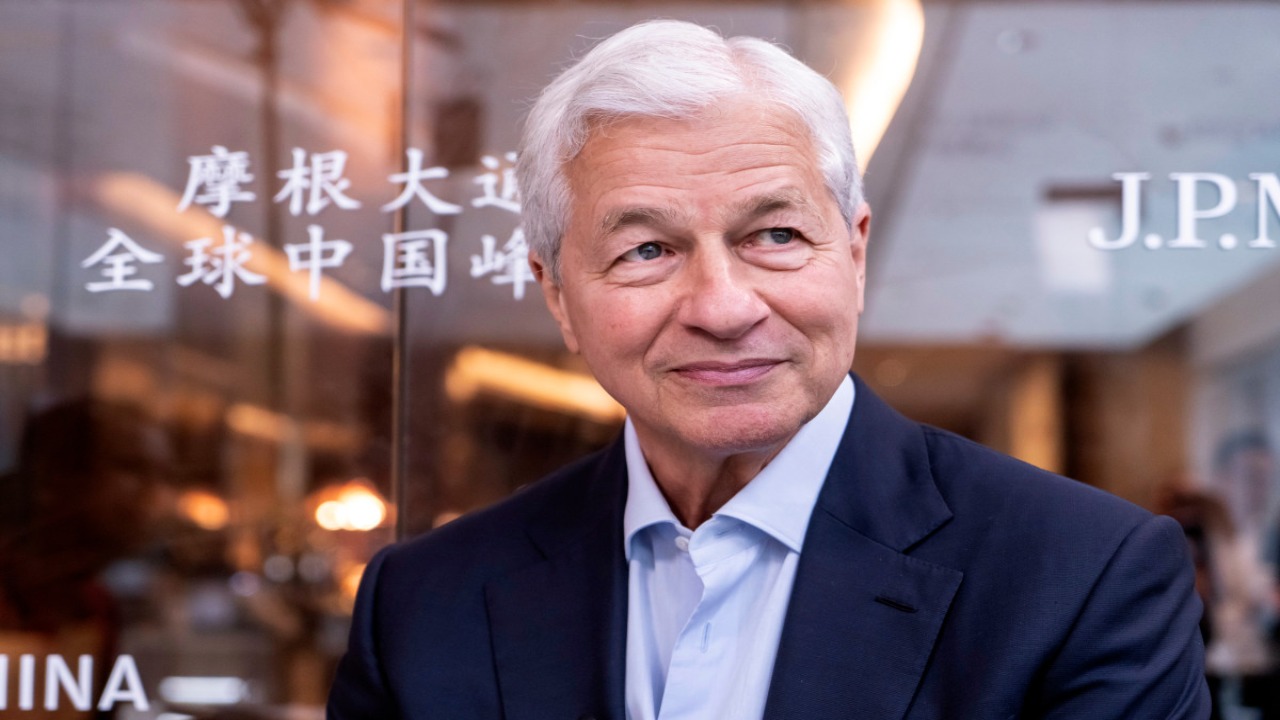
In the world of finance, Jamie Dimon is a name that carries authority and foresight. As the longtime CEO of JPMorgan Chase, he’s more than just a banker, he’s a voice Wall Street listens to. Known for guiding JPMorgan through the 2008 financial crisis, Dimon now stands as a symbol of resilience and calculated leadership in an era of economic uncertainty. His opinions move markets, and his foresight shapes corporate decisions across the globe.
Who Is Jamie Dimon?
For those wondering, “How old is Jamie Dimon?”, he was born on March 13, 1956, which makes him 69 years old as of 2025. Born in New York City, Dimon studied at Tufts University and later earned his MBA from Harvard Business School. His early career started with American Express and later moved to Citigroup before eventually taking over JPMorgan Chase in 2005.
Jamie Dimon’s Rise to the Top
Jamie Dimon didn’t just land in the CEO chair, he earned it. His deep understanding of the financial system, paired with a fearless leadership style, helped him rise through the ranks. At JPMorgan, he’s credited with avoiding the worst of the 2008 crash by steering the company away from subprime mortgages and focusing on strong capital reserves.
Jamie Dimon Salary: What Does America’s Top Banker Earn?
Every year, analysts and financial media look closely at Jamie Dimon salary figures. As of recent disclosures, Dimon’s compensation package stands at around $36 million annually, including stock options and bonuses. While it has occasionally drawn criticism, supporters argue that JPMorgan’s continued profitability justifies his pay.
His high salary reflects not just corporate performance but also the value he brings as a decision-maker with global influence. His compensation often mirrors the bank’s overall health, acting as a pulse check on how JPMorgan Chase performs.
Inside the Jamie Dimon House: A Glimpse into His Lifestyle
When it comes to private life, Jamie Dimon house choices reflect elegance without excess. He owns a home on the Upper East Side of Manhattan, reportedly worth millions, but not flashy in the way many CEOs might prefer. It reflects his personality, pragmatic, smart, and focused more on outcomes than appearances.
Jamie Dimon Book: A Mind Worth Reading
Despite being a powerful public speaker, Jamie Dimon book entries are few and far between. However, he’s a frequent contributor to JPMorgan’s annual shareholder letters, which many analysts treat as financial literature. These letters are widely read across the financial world, as they offer clear, honest assessments of the economy, regulation, and global markets.
If he ever publishes a full-length book, it would likely be a bestseller, given the demand for his insights and reflections on modern banking and leadership.
Jamie Dimon in the U.S. Economy: A Warning Worth Heeding
Recently, Jamie Dimon spoke at the Morgan Stanley U.S. Financial Conference, where he sounded a cautious tone. He warned that although current economic indicators, such as job growth and inflation, look steady, the reality could soon shift. Dimon specifically pointed to former President Donald Trump’s tariffs as potential disruptors.
“You’re going to see real numbers, and I think there’s a chance real numbers will deteriorate soon,” he said.
According to Dimon, consumer sentiment and the stock market may not truly reflect underlying risks. The real concern lies in hard data, job creation, wage growth, and inflation. He suggested that the full effects of tariffs may not be seen until later in the year.
In his words:
“Employment will come down a little bit. Inflation will go up a little bit… Hopefully, it’s just a little bit.”
Dimon also warned about reduced immigration and increased deportations. He believes these shifts could limit growth and create more instability in the labor market.
Rather than panicking, Dimon recommends a long-term view:
“I’m not going to worry too much about those fluctuations, except the big ones… the military alliances, the global economic alliances that matter.”
This balance of caution and optimism is classic Jamie Dimon, concerned about risk, but focused on enduring strength.
Why Jamie Dimon Still Commands Respect
There are plenty of CEOs in finance, but few command the same respect as Jamie Dimon. His resilience during crises, blunt assessments, and long-term vision make him more than just a corporate leader, he’s a guide through volatile financial terrain.
Even competitors often speak highly of him, noting his unmatched ability to combine people skills with data-driven decisions. In a time where public trust in large banks is fragile, Dimon’s leadership remains steady and pragmatic.
Jamie Dimon’s Future: Is Politics Next?
There has long been speculation about whether Jamie Dimon might enter politics. While he has dismissed these rumors, some believe his understanding of policy and economics would make him a strong candidate. For now, though, Dimon seems focused on steering JPMorgan through uncertain waters.
He continues to speak on global economic issues, education reform, and immigration, all with the kind of honesty that’s rare among leaders of his stature.
Conclusion: The Lasting Impact of Jamie Dimon
Jamie Dimon is more than just the CEO of America’s biggest bank. He’s a thinker, a crisis manager, and a public figure whose voice matters in boardrooms and on Main Street alike. From his views on tariffs and immigration to his shareholder letters and economic predictions, Dimon remains a guiding force in global finance.
His leadership isn’t just about profits, it’s about navigating complexity with clarity. Whether it’s his salary, his cautious words on the economy, or even curiosity about the Jamie Dimon house, the man remains endlessly relevant.
If the economy does shift downward, expect Dimon’s voice to be among the most trusted guiding the response.
For more on the controversy surrounding government salary hikes, read how Khawaja Asif criticized the raise for the Speaker and Senate Chairman here.