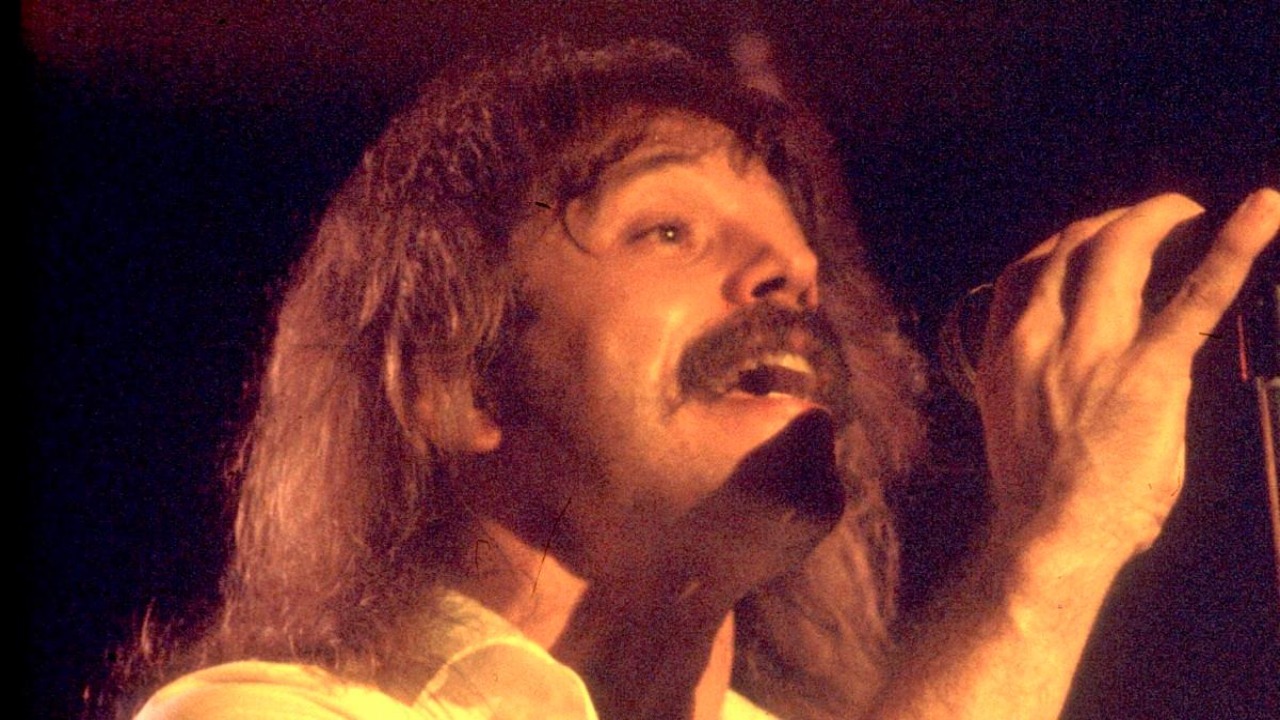
A legendary voice, a life-threatening scare, and a lesson about fatigue, the recent “Rock star car crash” involving Terry Luttrell has captured global attention.
The music world was shaken when Terry Luttrell, the original lead singer of the iconic rock band REO Speedwagon, survived a serious car crash after falling asleep at the wheel. The 78-year-old vocalist had just wrapped up a high-energy reunion concert in Champaign, Illinois, when exhaustion took its toll.
This isn’t just another story about car crashes. It’s a powerful reminder of how even the most seasoned stars face human limits.
What Happened: Inside the Rock Star Car Crash
In the early hours of Sunday, June 15, 2025, Terry Luttrell was driving home to St. Louis after a late-night concert and after-party. According to reports confirmed by Illinois State Police, Luttrell dozed off while driving on Interstate 57, a busy highway linking Champaign to southern Illinois. The vehicle veered off, rolled, and crashed.
Despite the violent impact, Luttrell miraculously survived. He credited the car’s airbag for saving his life, though it cracked his sternum during deployment. He also experienced back and neck pain. “I was able to get up and get out of the car,” he said from his hospital room. “It’s nothing that can’t be overcome.”
Why It Matters: The Human Side of a Music Icon
Fans often view rock legends like Luttrell as larger-than-life, but the rock star car crash paints a different picture, one where even icons must face real-world consequences.
Luttrell’s long night wasn’t just about performing. He stayed at the concert venue until 2 a.m., signing autographs for dedicated fans. “It was just sign-sign-sign,” he told The News-Gazette. “People were really friendly. You’ve got to [do it].” The dedication to his fans was evident, but the physical cost was immense.
By choosing to drive without rest, he unintentionally stepped into the danger zone. This moment, though tragic, has opened important conversations about drowsy driving, especially for older adults and traveling professionals.
Car Crashes and Sleep Deprivation: A Silent Killer
Terry Luttrell’s story is far from rare. In the United States, over 100,000 car crashes each year are linked to drowsy driving, according to the National Highway Traffic Safety Administration (NHTSA). Falling asleep at the wheel is more common than many admit, and far deadlier than most realize.
For those in high-demand careers, including musicians, truck drivers, and night shift workers, fatigue becomes an invisible threat. This rock star car crash underscores how even one missed night of sleep can lead to life-altering consequences.
REO Speedwagon’s Legacy and Luttrell’s Role
Terry Luttrell helped lay the foundation for REO Speedwagon’s massive success in the 1970s. Though he left the band early on, his voice was pivotal in shaping their sound. Over the years, Luttrell continued his musical journey with Starcastle and remained a beloved figure among classic rock enthusiasts.
His appearance at the Champaign reunion concert was emotional. It was billed as a farewell show, and his performance drew standing ovations. Just hours later, the mood turned somber with the news of the car crash.
It was a bittersweet reminder of the physical demands entertainers still face, long after the limelight dims.
Fans React: Support and Concern Flood Social Media
News of the rock star car crash quickly spread online. Fans and fellow musicians sent well-wishes, flooded social platforms, and shared memories of Luttrell’s voice and kindness.
One fan tweeted: “Terry gave everything on stage, then stayed late to meet us. Prayers for a full recovery.”
Another post read: “His voice shaped a generation. The crash is scary, but Terry’s resilience shines through.”
The strong reactions reflect not just Luttrell’s talent but also his humility and love for fans, qualities rare in today’s fast-paced music industry.
Lessons Learned: A Wake-Up Call for All Drivers
Luttrell’s close call has sparked conversations around car crashes and driver fatigue, especially among older drivers. Experts say sleep-related crashes are underreported, yet incredibly preventable.
Here are practical takeaways from this incident:
-
Never drive after extended periods of wakefulness, especially after midnight.
-
Plan rest stops or overnight stays if travel follows a demanding event.
-
Recognize warning signs like heavy eyelids, drifting lanes, and frequent yawning.
-
Encourage conversations about sleep and safety, especially among older loved ones.
In Luttrell’s case, better planning or a hired driver might have prevented the crash altogether.
A Community’s Response and the Road Ahead
Doctors expect Terry Luttrell to make a full recovery after several days of rehabilitation. While the physical pain will fade, the impact of the crash, both emotional and public, is lasting.
Music fans across Illinois and beyond are rallying behind him. Some have even started local initiatives to raise awareness about fatigue-related car crashes.
Whether he returns to the stage or chooses to rest, one thing is certain: the world is lucky he survived. His story now serves a greater purpose, one of education, reflection, and change.
Final Thoughts:
This wasn’t just about a crash. This was about the fragile line between life and tragedy, a split-second moment that could have ended a musical legacy. The “rock star car crash” headline may grab attention, but it’s the story underneath that matters more.
Terry Luttrell’s near-fatal accident should be seen as a wake-up call for all. Celebrity or not, fatigue doesn’t discriminate. As fans celebrate his survival, there’s also space to rethink how we all approach safety behind the wheel.
For more on how government staffers are urging action, read about the 400 congressional staffers demanding a ceasefire in their letter to Congress.