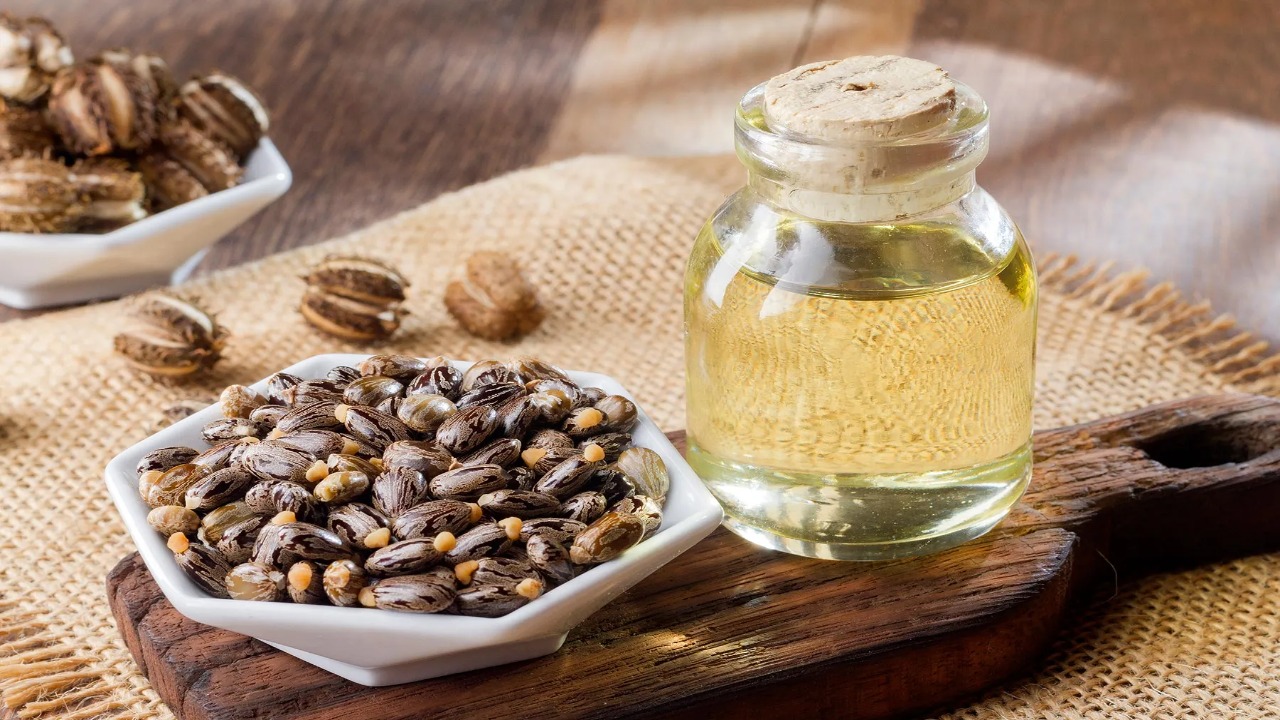
Castor oil is a thick, yellow oil extracted from the seeds of the castor plant (Ricinus communis). Although it has been used for thousands of years, castor oil is now regaining popularity among individuals seeking clean, plant-based wellness solutions. From easing constipation to promoting hair growth, castor oil is one of the most versatile oils available today.
This oil is rich in ricinoleic acid, a unique fatty acid with potent anti-inflammatory, antibacterial, and moisturizing properties. Due to this, castor oil is utilized in traditional medicine, skincare, haircare, and natural health routines worldwide, including in the United States, where many are shifting away from synthetic products.
Let’s explore in detail what makes castor oil so effective and how it can benefit your body from the inside out.
Castor Oil as a Natural Laxative
One of the oldest and most well-known uses of castor oil is as a natural laxative. It works by increasing the movement of the intestines, which helps the body push out waste more effectively. This is mainly due to its high concentration of ricinoleic acid, which activates the muscles in the digestive tract.
When taken in small doses by mouth, castor oil can provide fast relief from occasional constipation. Most people experience a bowel movement within six to eight hours. Because of this quick action, it is often used as a short-term solution for people who suffer from irregular bowel movements.
However, it’s important to note that castor oil should not be used regularly as a laxative. Overuse can lead to dehydration, diarrhea, or dependence. For long-term digestive issues, it’s better to consult a doctor or use safer fiber-based remedies.
Moisturizing and Healing Properties for Skin
Castor oil is deeply hydrating and can serve as a powerful moisturizer for individuals with dry or sensitive skin. It has a thick, sticky texture that locks in moisture, making it ideal for overnight use or for treating rough areas, such as elbows, heels, and knees.
Unlike commercial lotions that often contain alcohol and artificial fragrances, castor oil is 100% natural. It is packed with healthy fatty acids that nourish the skin. Many people use it to soften dry patches, reduce inflammation, or help manage skin conditions like eczema and psoriasis.
In addition to moisturizing, castor oil also has mild antibacterial and anti-inflammatory effects. This makes it useful for soothing minor skin irritations, insect bites, or sunburns. It may even help with acne when used correctly. Its ability to fight off certain types of bacteria can reduce the risk of clogged pores and breakouts.
To use castor oil on the skin, apply a small amount to clean, damp skin. Some people find it too thick, so mixing it with lighter oils, such as almond or jojoba oil, makes it easier to spread.
Hair Growth and Scalp Health
One of the most popular uses of castor oil today is for promoting hair growth. Many people apply it to their scalp to help hair grow faster and look healthier. The oil penetrates deep into the scalp and nourishes the hair roots, thanks to its vitamin E content and fatty acids.
Ricinoleic acid also helps increase blood circulation to the scalp, which supports stronger and thicker hair growth. Regular use may reduce breakage, improve shine, and even help with thinning areas over time. People also use castor oil on their eyelashes and eyebrows for similar benefits.
To apply castor oil to the hair, gently warm the oil and massage it into the scalp. You can leave it in for 30 minutes or even overnight for deeper conditioning. Since the oil is heavy, it might take two washes to rinse it out thoroughly with shampoo. Many people mix it with coconut oil or olive oil to make it easier to apply and remove.
Using it once or twice a week is usually enough to see noticeable results within a few weeks.
Easing Inflammation and Joint Pain
The anti-inflammatory properties of castor oil also make it a good natural option for managing joint and muscle pain. It has been used in traditional medicine to treat arthritis, sore muscles, and menstrual cramps.
One standard method is the castor oil pack, where a cloth soaked in warm castor oil is placed on the painful area and then covered with plastic wrap and a heating pad. This helps the oil absorb into the skin and improves blood flow to the area, which may reduce swelling and pain.
Though it won’t replace medical treatment for severe inflammation, many people report relief after using castor oil packs regularly. They are especially popular among people looking for natural alternatives to over-the-counter pain medications.
Castor Oil for Eyelashes and Eyebrows
In recent years, castor oil has become a beauty secret for fuller lashes and eyebrows. Applying a small amount of oil to your lash line or brows before bed can condition the hair and support growth. The fatty acids in castor oil help strengthen hair follicles, preventing them from breaking or falling out easily.
While results vary, many users see improvement in thickness and shine after a few weeks of use. It’s essential to apply it with care and avoid getting it into the eyes, as it can irritate.
Does Castor Oil Help with Acne?
Castor oil may help reduce acne in some people due to its antibacterial and anti-inflammatory effects. It contains undecylenic acid, which fights the bacteria responsible for acne. It also helps reduce redness, swelling, and irritation.
That said, castor oil is thick and sticky, so it may not be suitable for oily or acne-prone skin. If used, it should be applied in minimal amounts or used as a spot treatment. Always patch-test before applying to your face, and consult a dermatologist if you have ongoing acne issues.
Choosing the Right Castor Oil
To get the best results, it’s essential to choose high-quality castor oil. Look for cold-pressed, organic, and hexane-free varieties. Cold-pressed oils retain the most nutrients because they are made without heat or chemicals. These are safer for your skin and hair.
There are two main types of castor oil:
-
Regular Castor Oil – Light yellow, suitable for all uses
-
Jamaican Black Castor Oil – Darker, thicker, and often preferred for hair growth
Both work well, but Jamaican Black Castor Oil may be more effective for hair and scalp treatments because it retains ash content from roasted beans.
Safety and Precautions
Castor oil is generally safe when used topically or taken in small amounts. However, some people may experience side effects such as stomach cramps, nausea, or skin reactions.
Pregnant women should avoid castor oil, as it may cause uterine contractions. Always talk to a healthcare provider before using it as a laxative or for medicinal purposes.
If you have sensitive skin, perform a patch test before applying castor oil to your face or scalp. Avoid contact with eyes and open wounds.
Final Thoughts
Castor oil is a natural, affordable, and effective solution for many everyday problems. It moisturizes dry skin, strengthens hair, soothes inflammation, and even provides relief from constipation. In a world full of synthetic products, castor oil stands out as a safe and time-tested remedy.
As more people in the U.S. turn toward clean and plant-based wellness, castor oil is becoming a household staple again. Whether you’re applying it to your scalp, skin, or stomach, this powerful oil deserves a place in your natural health kit.
Just as castor oil helps detox the body, the truth is essential for a healthy digital space.
Read how Grok says Imran Riaz Khan tells the most lies on YouTube in a recent AI-generated analysis.