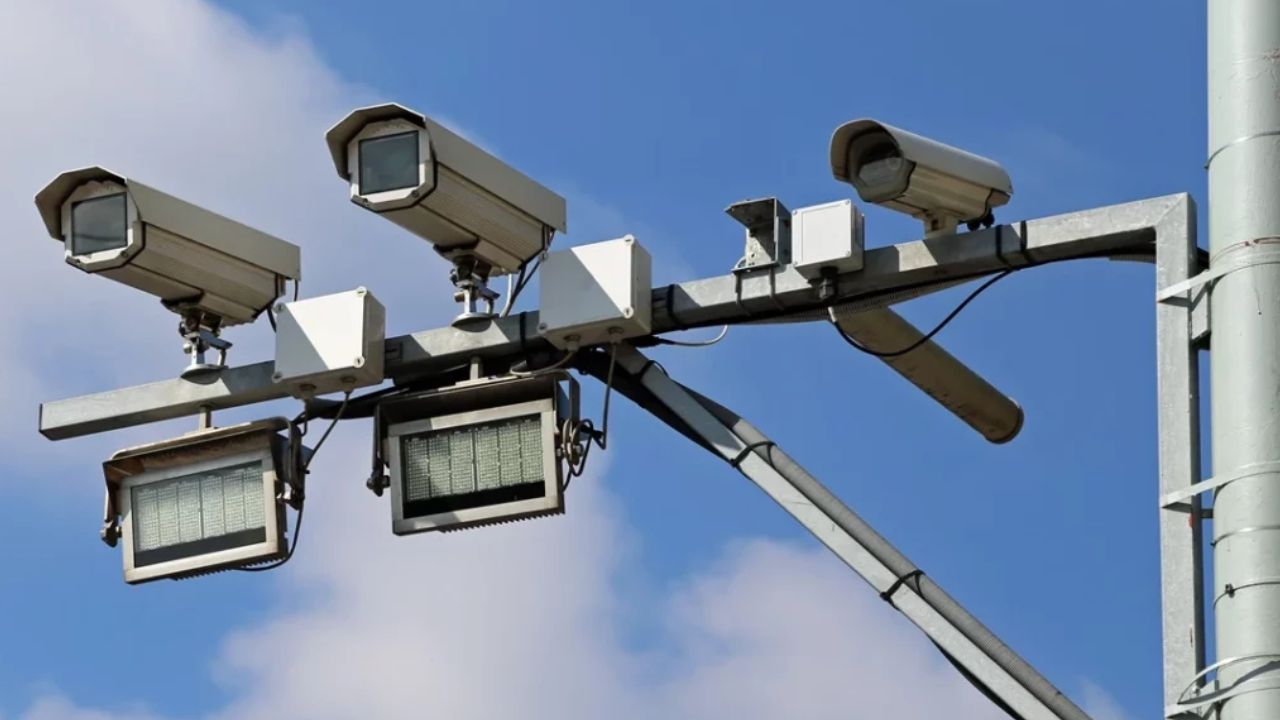
The Sindh government is considering lowering fines issued under the recently launched e-challan system after citizens criticised heavy challans and poor road infrastructure.
The AI-powered Traffic Regulation and Citation System (TRACS), launched by the Sindh Chief Minister Murad Ali Shah on Oct 27, generated around 30,000 challans within the first week. Traffic police sent fines to registered vehicle owners for violations such as not wearing seatbelts, using tinted glasses, and riding motorcycles without helmets.
Citizens and opposition parties accused the Pakistan Peoples Party-led provincial government of using heavy fines to “mint money”. At least three petitions have been filed in the Sindh High Court, which has issued notices to the provincial government and police on two of them.
Despite the criticism, the system has produced visible improvements. More motorists have begun stopping at designated lines and motorcyclists have started wearing helmets since the system became operational.
Sources told Dawn that Karachi-based PPP politicians and senior police officers raised concerns with the provincial leadership. They warned that a positive initiative had been turned into a political target because fines for several violations were too high. They advised the government to ease the criticism by rationalising or reducing fine amounts for a period of its choosing.
Sources also said the government and police now recognise that fines alone cannot change Karachi’s traffic culture. They stressed the need to involve civic agencies and the Excise and Taxation Department to make the system more effective.
Inspector General of Sindh Police Ghulam Nabi Memon agreed that cooperation between multiple government bodies is essential. He said, “The long-term success of TRACS depends on strong inter-agency coordination between traffic police, local administrations, excise department, TMCs, KMC, and other civic bodies.”
When asked whether the fines match the income levels of Karachi residents, he said, “The fine structure has been designed keeping in view deterrence and road safety rather than revenue generation. Traffic fines are not an unavoidable burden. They are avoidable by choice. Citizens who drive responsibly will never incur penalties.”
A senior provincial official and PPP leader said the chief minister had already offered relief for first-time violators, who may have fines waived within ten days by submitting an in-person apology. He added that the government would likely announce a significant reduction in fines for selected violations by the end of this month.
He made it clear the system would not be suspended or rolled back. Instead, he said, the government plans to expand TRACS across Karachi and other districts of Sindh.