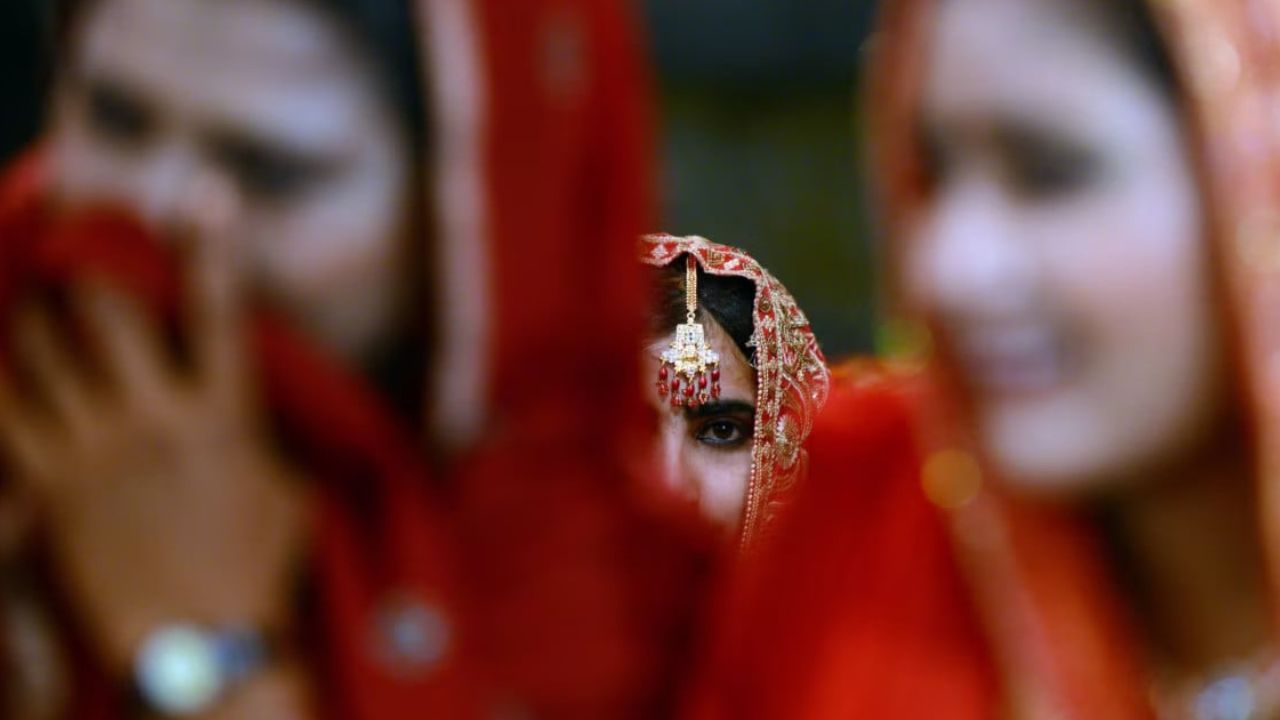
A National Assembly standing committee on Tuesday turned down a bill seeking to ban the practice of dowry, with members declaring the proposed legislation “impractical.”
Sharmila Faruqui, a member of the Pakistan Peoples Party (PPP), introduced the bill during a meeting of the National Assembly Standing Committee on Interior, which was chaired by MNA Raja Khurram Nawaz.
The proposed law aimed to criminalise dowry and prescribe punishments for violations, while also allowing parents to give gifts voluntarily. However, the committee unanimously rejected the bill, terming it impractical.
Confirming the development in a post on X (formerly twitter), Faruqui said the discussion during the meeting reflected a mindset that encouraged dowry rather than curbing it.
“Dowry is not culture, it is coercion. The state must side with women instead of normalising a practice that turns them into commodities,” she wrote, adding that choosing dowry meant choosing patriarchy over dignity.
Despite the rejection, the PPP lawmaker said she would continue her efforts to push for a ban on dowry, stating that her struggle was “far from over.”
Separately, in July, the Supreme Court ruled that denying dowry or maintenance to a woman on the basis of infertility was unlawful. In its judgment, Chief Justice Yahya Afridi strongly criticised the practice, describing it as a means of weaponising infertility or even the suspicion of it against women.
The verdict, issued by a two-member bench headed by the chief justice, noted that such practices often turn courts into spaces where women are subjected to humiliation under the pretext of legal proceedings.
Meanwhile, the Council of Islamic Ideology (CII) last year proposed amendments to the Dowry and Bridal Gift Act, recommending tougher penalties for violations, including increasing imprisonment from six months to up to one year.
During its 239th meeting in October, the CII also suggested revising the monetary limits, proposing an increase in the maximum dowry cap from Rs5,000 to two tolas of gold, along with a corresponding rise in allowable wedding expenses.