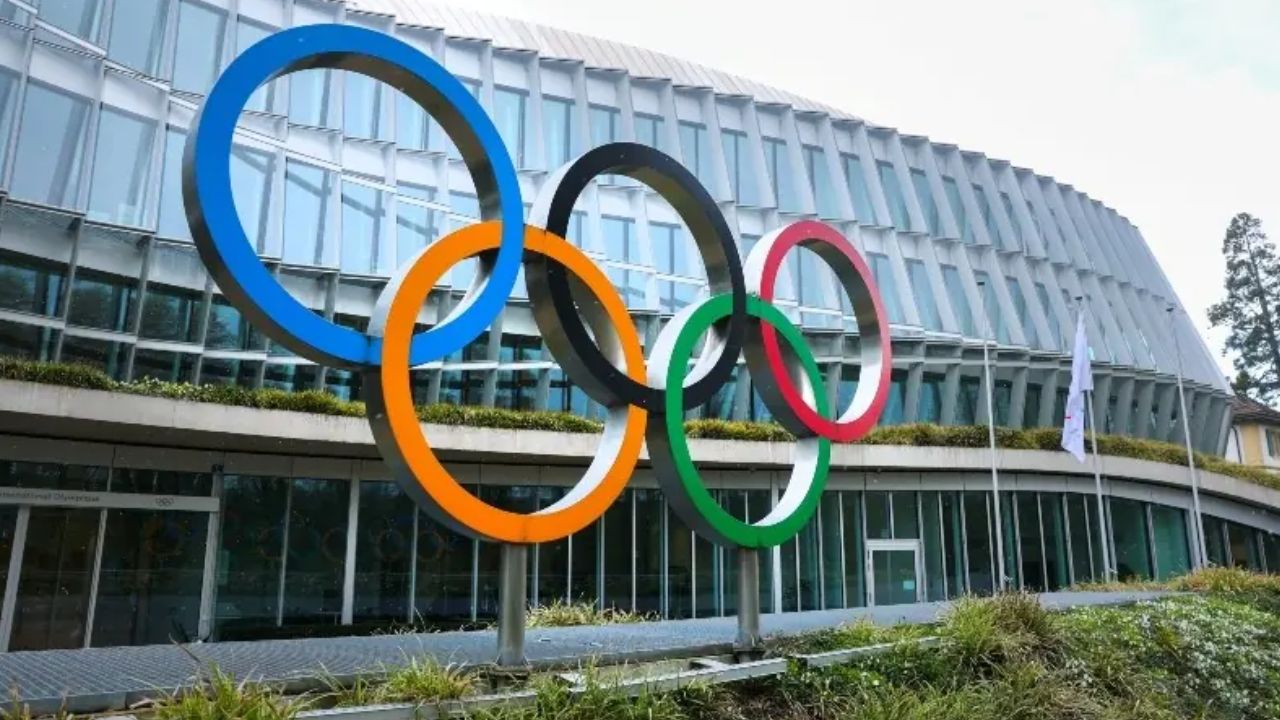
The International Olympic Committee (IOC) has approved a new policy that limits eligibility for women’s events at the Olympic Games to biological females. The rule will take effect from the 2028 Los Angeles Olympics and will not apply to past competitions.
According to reports, the decision came from the IOC Executive Board on Thursday. Under the new framework, athletes must undergo a one-time genetic test to check for the SRY gene, which is usually found on the Y chromosome and linked to male sex development.
The IOC confirmed that athletes who test negative for the SRY gene will remain eligible to compete in women’s events for their entire careers. Officials said the test can be done through saliva, a cheek swab or a blood sample, and it will only be repeated if questions arise about the result.
Athletes who test positive for the SRY gene will not be allowed to compete in women’s categories at IOC events. However, the policy includes limited exceptions for athletes with certain medical conditions, such as Complete Androgen Insensitivity Syndrome, where no performance advantage is linked to testosterone exists.
Those athletes can still take part in other categories, including men’s events, mixed competitions in male-designated positions, or open categories where available.
IOC President Kirsty Coventry said that the decision focuses on fairness and safety in elite sport.
“As a former athlete, I passionately believe in the rights of all Olympians to take part in fair competition,” she said. “It would not be fair for biological males to compete in the female category, and in some sports it would simply not be safe.”
She added that athletes must be treated with dignity and respect, with proper education, counselling and medical support throughout the process.
The IOC reviewed the policy between September 2024 and March 2026. The process included input from medical, legal and ethical experts, along with feedback from more than 1,100 athletes.
A working group formed in 2025 concluded that male sex provides clear advantages in sports that rely on strength, power and endurance. The group recommended using biological sex as the basis for eligibility and identified SRY gene screening as the most accurate and least intrusive method available.
The IOC expects international federations and other governing bodies to adopt the new framework when setting rules for Olympic events. The policy replaces earlier guidelines on gender identity and sex variations.
Officials clarified that the rules apply only to elite competitions under the IOC. They do not cover grassroots or recreational sports.
The organisation also stressed the need to protect athlete privacy and mental health. It has asked national federations and Olympic committees to ensure confidentiality and provide proper support during the screening process.