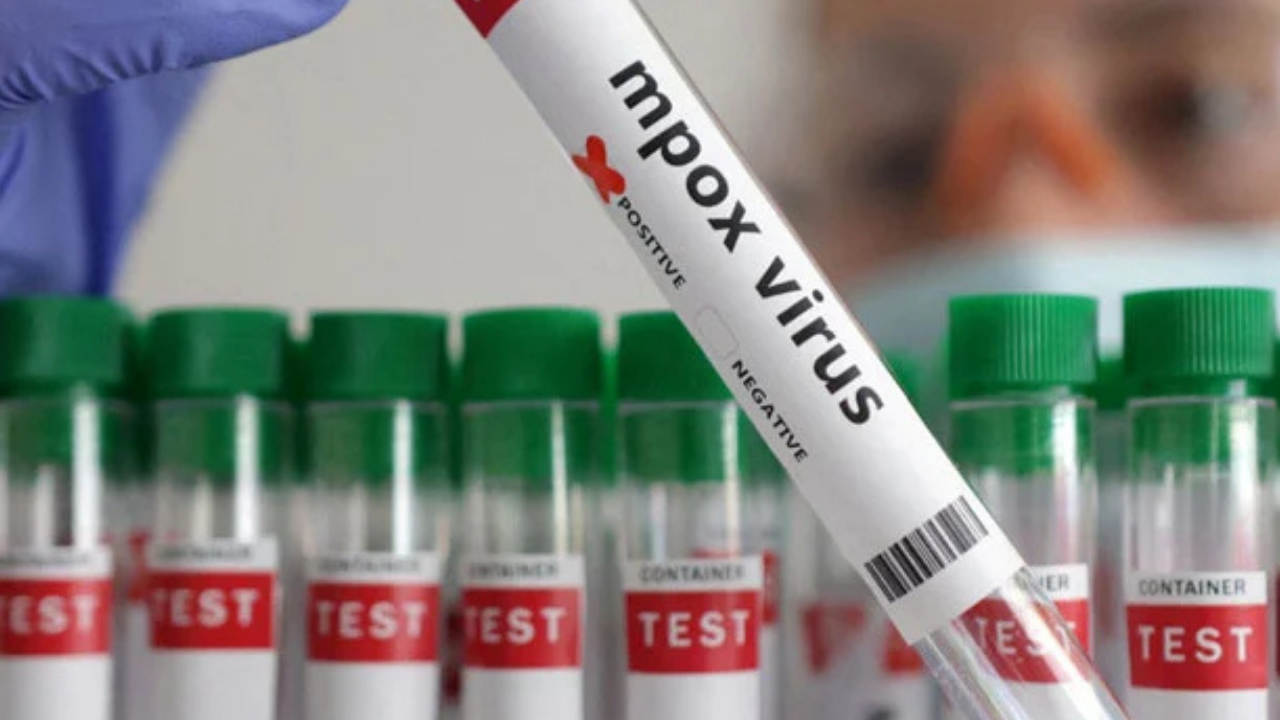
Health officials in Lahore have reported the city’s first case of Mpox after a 48-year-old patient tested positive.
The individual, who had a liver transplant in 2021, was admitted to Lahore General Hospital (LGH) three days ago due to symptoms that led doctors to request further testing. His samples were sent to the Institute of Public Health (IPH) that confirmed the infection.
According to LGH Medical Superintendent Dr Faryaad Hussain, the patient’s medical background, including a weakened immune system post-transplant, had heightened his vulnerability to infections. He added that the patient was currently under medical care and hospital staff were adhering to protocols to mitigate the risk of transmission.
What has alarmed health officials is that the patient has no history of international travel.
Dr Hussain said that health teams have been dispatched to trace the patient’s contacts to determine how he may have contracted the illness. The case is being explored as a potential instance of local transmission.
Representatives from the health department said that the patient was receiving treatment in isolation and that his condition was being closely monitored. They also said that precautionary measures were being implemented throughout the facility to safeguard other patients and staff.
Mpox, often referred to as Monkeypox, is a viral illness that spreads through close physical contact. It typically manifests with symptoms such as fever, rash and swollen lymph nodes. While Pakistan has experienced isolated cases linked to travel in recent years, this latest case is the first confirmed in Lahore without any foreign connection.
Public health officials said that surveillance efforts are being enhanced in the city to detect any potential additional cases. They urged residents to stay vigilant for symptoms and to seek medical attention if they exhibit signs consistent with the disease.
It may be noted that mpox is treatable through supportive care to manage symptoms with antiviral medications used for severe cases. Though there is no specific cure, most people recover within two to four weeks with supportive care like pain relievers and rest.
Antiviral treatment may be recommended for individuals at higher risk of severe illness, such as those with compromised immune systems.