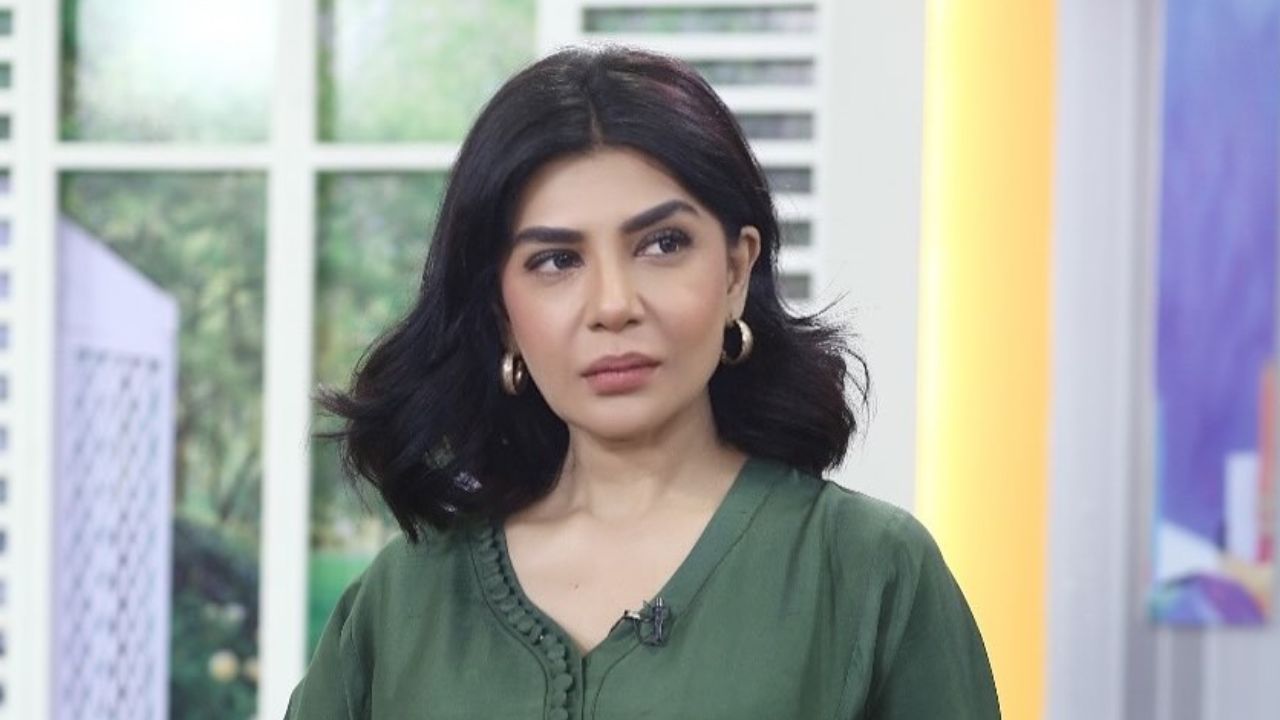
Actor Iffat Omar has joined public criticism of Main Manto Nahi Hoon following a recent episode that drew attention for its portrayal of a relationship between a teacher and his student.
The debate began when human rights lawyer Reema Omer shared a scene from the drama on X, showing university students boycotting professor Manto’s lecture and urging him to marry his student Mehmal. The clip triggered strong reactions online, with viewers questioning the appropriateness of presenting such a relationship on screen.
Iffat Omar reshared Omer’s post and expressed her disapproval, highlighting the involvement of some of Pakistan’s most prominent actors, writers, and directors in the project.
Her response contributed to the surge of criticism, with social media users directing their remarks at writer Khalil-ur-Rehman Qamar and lead actors Humayun Saeed and Sajal Aly. Many questioned why established figures in the industry would participate in such content.
Several viewers warned that depicting teacher–student relationships in this manner could influence societal perceptions, particularly affecting girls and women pursuing higher education. Others dismissed the scene as fictional, noting that relationships of this kind have occurred in reality. Despite this, the majority of criticism focused on the ethical implications and cultural sensitivity of the storyline.
Qamar, who has previously faced backlash for controversial writing and remarks, once again became the focal point. Observers described the plot as disconnected from social norms and raised questions about the message it conveys.
Main Manto Nahi Hoon has faced criticism in earlier episodes as well. The show was previously called out for scenes containing fat-shaming jokes and for outdated depictions of female characters.
The debate also highlighted questions about the roles of producers and directors in approving the project and the decisions of lead actors to participate.
Many social media users expressed concern about the potential impact of such content on young women and its wider social implications and despite the backlash, the drama continues to trend online.