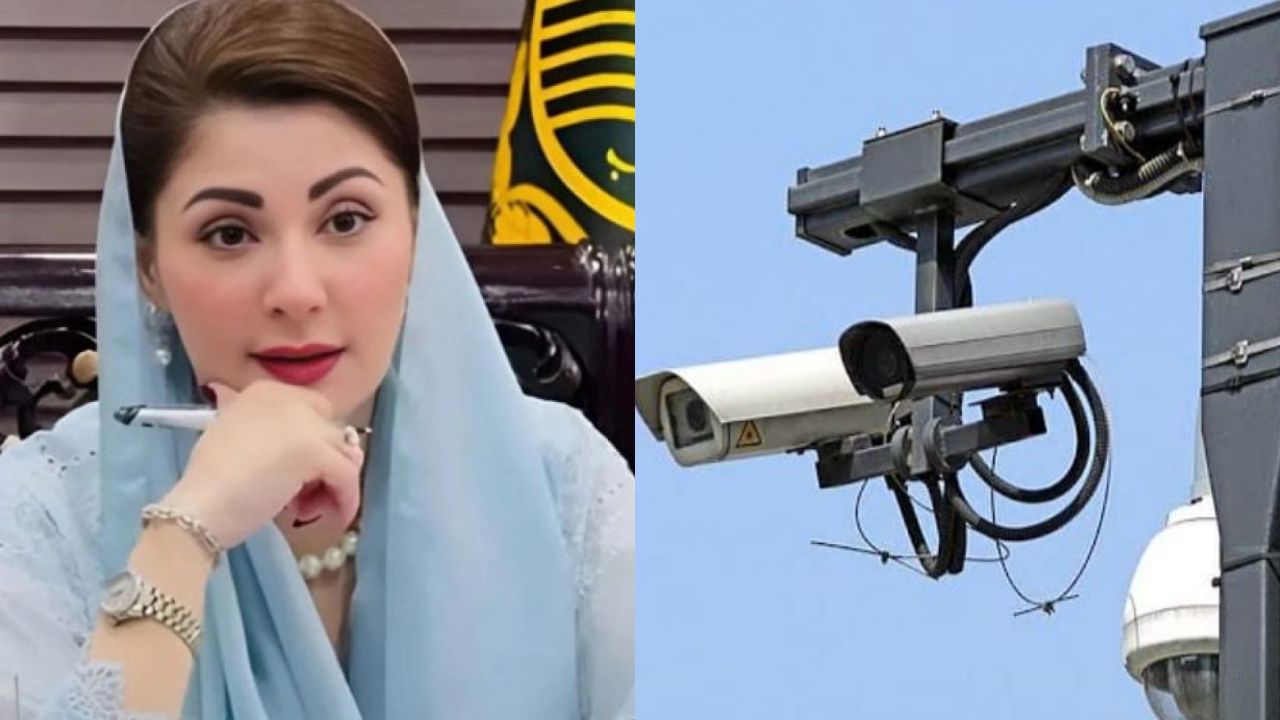
Following the death of a seven-year-old boy who fell into an open manhole in Lodhran, the Punjab government has launched an AI-powered monitoring system, Talk to Camera, across the province, with the aim to improve public safety and support rapid response to urban hazards.
Developed by the Punjab Safe Cities Authority (PSCA), Talk to Camera aims to identify dangers such as exposed manholes, overflowing trash bins, and visible smoke. The system also enables officers to interact with the camera network using natural language, granting them the ability to identify threats in real-time.
Chief Minister Maryam Nawaz unveiled the initiative on Tuesday, directly linking it to the incident in Lodhran. In a message on X, she stated, “In light of the devastating event in Lodhran, where a valuable life was lost due to an uncovered manhole, the Punjab Safe Cities Authority has created ‘Talk to Camera’, an innovative AI system that allows officers to inquire about the entire camera network using natural language.”
The system was initially tested in Lahore and Sheikhupura, where officials reported positive outcomes. Following these trials, the provincial government decided to expand the system’s implementation across Punjab to bolster rapid response and enhance smart city management.
Maryam Nawaz stated that cameras would also be installed in schools as part of the initiative to stop preventable accidents. She expressed, “After successful pilot launches in Lahore and Sheikhupura, Talk to Camera is now being extended throughout Punjab to improve rapid response capability and advance smart city management.”
This rollout is an aspect of a broader initiative by the Punjab government to enhance civic surveillance and utilize technology for accident prevention. According to PSCA, the system automatically detects hazards, enabling authorities to respond promptly when potential threats appear in public areas.
Officials indicate that the system can recognize various types of risks at the same time and can be accessed through straightforward language requests, minimizing delays in emergency reporting and response.
The implementation signifies a commitment to incorporating artificial intelligence into city governance, with the government framing the initiative as a mechanism to decrease accidents and enhance safety in urban areas and public facilities.