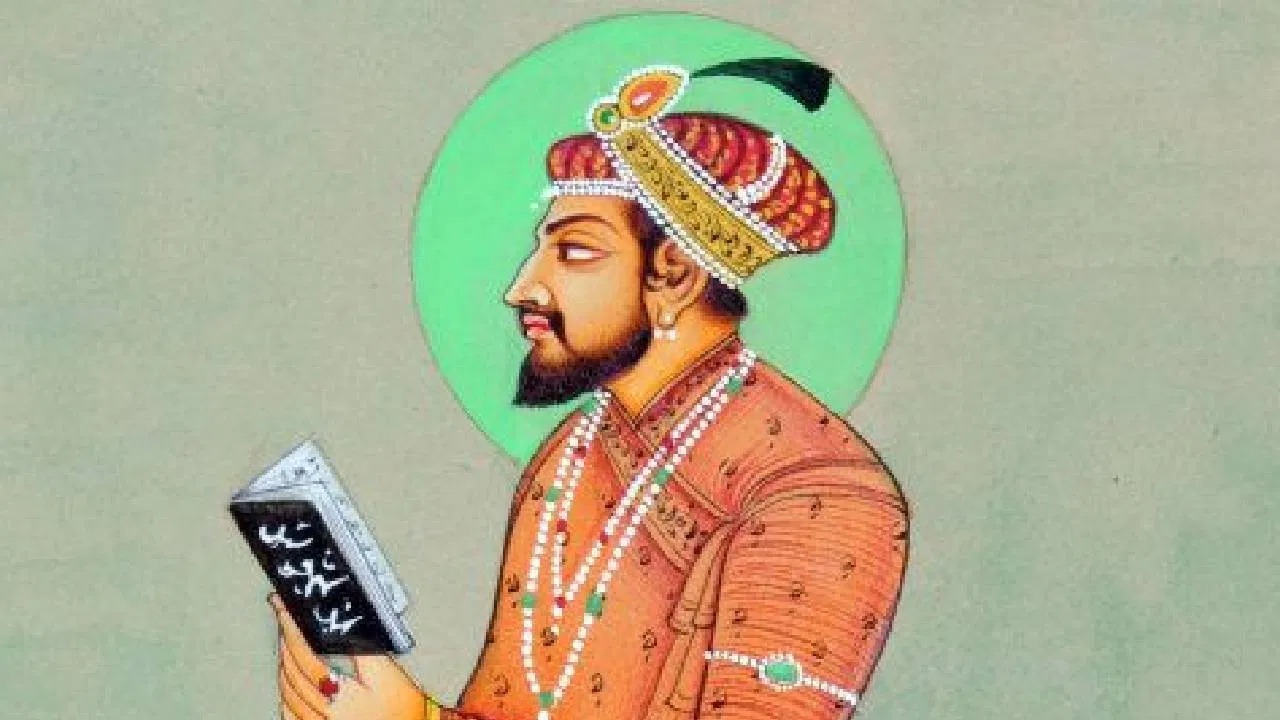
The name Aurangzeb has once again ignited fierce debates and unrest in India. Recent Aurangzeb news reports highlight a growing controversy surrounding the Mughal emperor’s tomb, leading to violent clashes. The demand for the demolition of the tomb has triggered a national debate, raising questions about historical legacy, religious tensions, and modern-day politics. As the situation escalates, law enforcement has been deployed to curb further disturbances. Understanding the historical significance of Mughal emperor Aurangzeb and the reasons behind the recent turmoil is crucial to grasping the bigger picture.
Understanding Aurangzeb’s Place in Indian History
Who was Aurangzeb? Regarded as one of the most powerful Mughal rulers, Aurangzeb reigned from 1658 to 1707, expanding the empire to its greatest territorial extent. However, his rule remains one of the most debated in Indian history. While his military conquests were impressive, his strict religious policies and enforcement of Islamic laws led to widespread resentment.
Unlike his predecessors, Aurangzeb Alamgir banned several cultural practices, imposed taxes on non-Muslims, and destroyed numerous temples. His administration was marked by conflicts with Hindu and Sikh rulers, deepening the historical rift between religious communities. How did Aurangzeb die? After ruling for nearly 50 years, he passed away in 1707, leaving behind a deeply divided empire. His tomb, located in Maharashtra, is now at the center of a modern-day ideological battle.
The Trigger: Why Did the Aurangzeb Tomb Become a Flashpoint?
The recent surge in Aurangzeb news has been fueled by demands from right-wing groups advocating for the removal of his tomb. The argument centers around his alleged persecution of Hindus and the belief that honoring his resting place contradicts nationalist ideals.
Several political and religious groups have openly called for action, branding Aurangzeb Alamgir as a historical antagonist. Counter-protests by Muslim groups defending his legacy have further inflamed tensions. The government’s role in either supporting or opposing these demands is now under scrutiny, adding another layer of complexity to the issue.
From Protests to Violence: The Aurangzeb Riots
What began as peaceful demonstrations quickly spiraled into violent Aurangzeb riots across several cities. Reports indicate that mobs clashed with law enforcement, resulting in injuries and property damage. Police interventions, including curfews and arrests, were enforced to contain the violence.
According to the latest Aurangzeb news, at least 34 police officers and multiple civilians have been injured during the unrest. Security forces have increased patrols in sensitive areas to prevent further escalation. The unrest highlights the deep-rooted historical grievances that continue to shape India’s socio-political landscape.
Political and Public Response
Political leaders have been divided in their responses to the controversy. While some members of the ruling party have subtly supported the movement against Aurangzeb, others have called for peace and legal resolution. The opposition has accused the government of using history to distract from pressing economic and social issues.
Social media has amplified the debate, with hashtags related to Aurangzeb riots and the tomb controversy trending across various platforms. Influencers, historians, and activists have weighed in, offering conflicting perspectives. Some argue that the past should be left in history books, while others believe revisiting such figures is necessary to redefine national identity.
What’s Next? The Future of Aurangzeb’s Legacy
With heightened emotions and political involvement, the future of Aurangzeb’s tomb remains uncertain. Authorities must decide whether to preserve the historical site or yield to demands for its removal. The coming weeks will be crucial in determining whether this issue fades or leads to further political polarization.
As tensions continue, it is essential to explore the broader implications of rewriting history through contemporary lenses. Mughal emperor Aurangzeb’s reign may have ended centuries ago, but his legacy still shapes modern India in profound ways.
For a deeper dive, check out our detailed analysis of the ongoing conflict: Hindutva extremist clash with police; demand destruction of Aurangzeb’s grave.