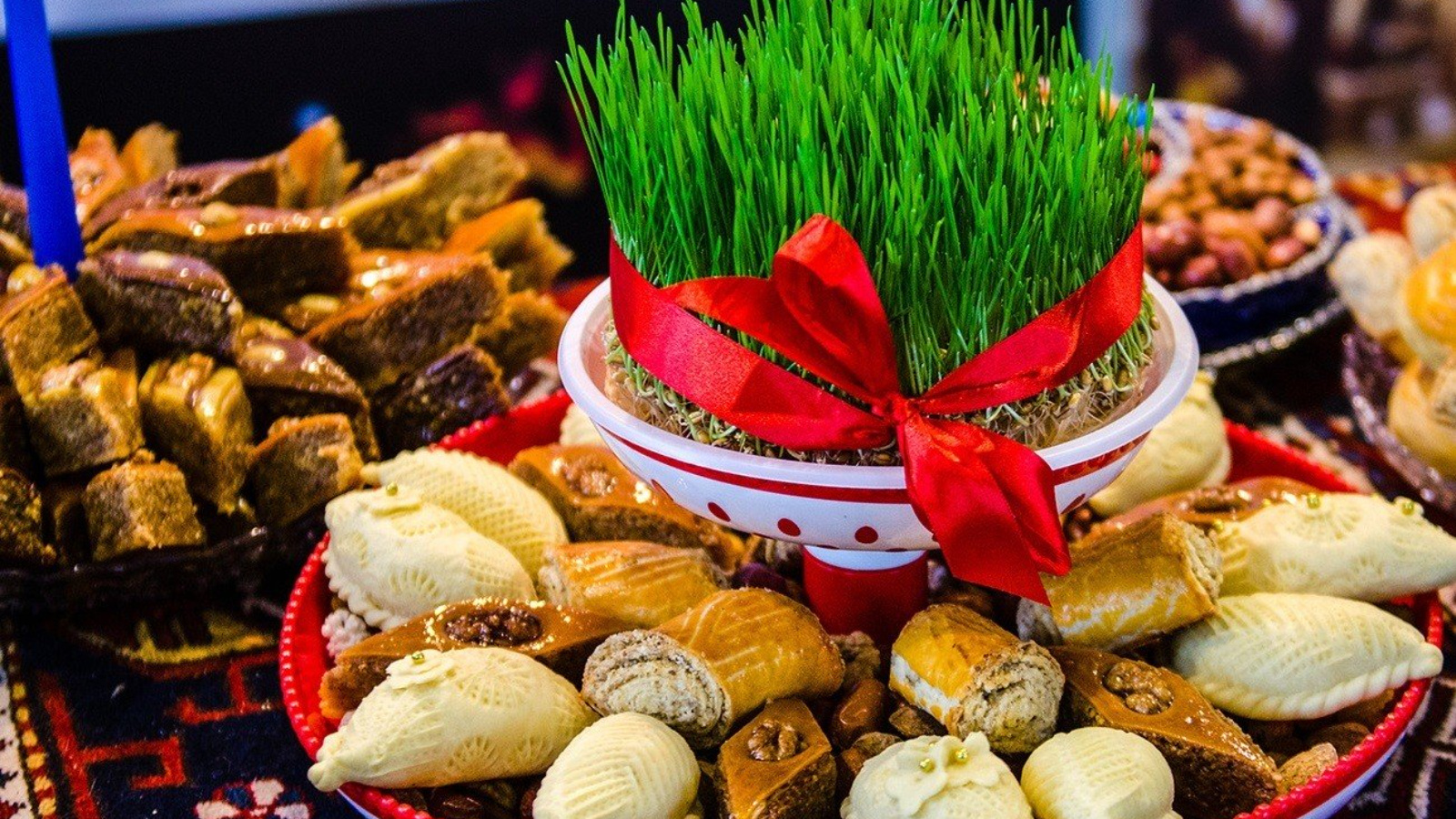
Nowruz, the Persian New Year, is a festival deeply rooted in history, symbolizing renewal, rebirth, and the arrival of spring. Celebrated by millions worldwide, it marks the vernal equinox, when day and night are of equal length. The Nowruz meaning extends beyond a simple New Year celebration; it is a reflection of nature’s cycle and human hope for prosperity and happiness.
As Nowruz 2025 approaches, interest in this ancient festival is on the rise. With global participation increasing and governments recognizing its cultural significance, Nowruz is trending once again. Compared to Nowruz 2024, this year’s celebrations are expected to be grander, integrating modern festivities with centuries-old traditions.
The Deep Roots of Nowruz
The origins of Nowruz trace back over 3,000 years to the Persian Empire, where it was celebrated as a Zoroastrian festival. Over time, it spread across Central Asia, the Middle East, and parts of the Balkans, taking on diverse cultural adaptations. The festival’s core message—welcoming a new beginning—has remained unchanged despite its evolving customs.
While Nowruz 2024 saw traditional celebrations taking center stage, Nowruz 2025 is expected to see greater global participation, with digital and hybrid celebrations allowing those unable to travel to partake virtually.
Religious and Cultural Significance
What is Nowruz in Islam?
Despite its pre-Islamic origins, Nowruz is recognized in various Islamic cultures. In Iran and parts of the Middle East, many Muslims observe Nowruz while integrating religious prayers and blessings. What is Nowruz in Islam? It varies by sect and region—some view it as a cultural tradition rather than a religious observance, while others incorporate special prayers and charitable acts to align it with Islamic values.
Nowruz is also celebrated among Shia communities, where historical events are linked to the day. Sunni interpretations differ, but in many regions, the focus remains on Nowruz as a time for family, unity, and gratitude.
Nowruz Traditions and Rituals
The Famous Haft-Seen Table and Symbolic Items
A key element of Nowruz is the Haft-Seen table, which includes seven symbolic items starting with the Persian letter ‘S’:
-
Sabzeh (sprouts) for rebirth
-
Senjed (dried oleaster fruit) for love
-
Seer (garlic) for health
-
Seeb (apple) for beauty
-
Samanu (wheat pudding) for strength
-
Serkeh (vinegar) for patience
-
Sumac (crushed spice) for sunrise and new beginnings
Fire-Jumping Tradition (Chaharshanbe Suri)
One of the most exciting traditions preceding Nowruz is Chaharshanbe Suri, a fire festival held on the last Wednesday before Nowruz. Participants jump over bonfires, chanting phrases that symbolize leaving negativity behind and embracing new energy.
Family Gatherings, Feasting, and Poetry
Nowruz is a time for reunions, feasting on traditional dishes like Sabzi Polo (herbed rice with fish), and reciting poetry from Persian greats like Rumi and Hafez. This cultural and literary connection strengthens the bond between Nowruz and Persian identity.
Nowruz Celebrations Across the World
When Do People in Iran Celebrate New Year?
The official time of Nowruz is determined by astronomical calculations, aligning with the spring equinox. When do people in Iran celebrate New Year? The exact moment varies annually, but it typically falls between March 19 and 21. Families gather, waiting for the precise second Nowruz begins, marking it with hugs, blessings, and exchanging gifts.
Nowruz in Tajikistan, Uzbekistan, India, and the West
While Iran holds the most well-known celebrations, Nowruz is equally significant in Tajikistan, Uzbekistan, and Afghanistan, where it is a national holiday. In India, the Parsi community observes Nowruz with religious prayers and grand feasts.
In Western countries, diaspora communities organize public Nowruz festivals featuring music, dance, and Persian cuisine, helping to preserve and share their heritage with broader audiences.
How to Celebrate Nowruz 2025
Travel Destinations for Authentic Nowruz Experiences
For those looking to immerse themselves in Nowruz 2025 festivities, visiting Iran, Azerbaijan, or Uzbekistan offers an authentic experience. Cities like Shiraz and Samarkand host grand Nowruz celebrations with cultural performances and traditional feasts.
Hosting a Nowruz Feast at Home
Bringing Nowruz into one’s home can be as simple as setting up a Haft-Seen table, cooking Persian delicacies, and gathering loved ones. For those new to the tradition, trying a Sabzi Polo recipe or reciting Persian poetry can provide a meaningful connection to the holiday.
Conclusion: The Future of Nowruz
As Nowruz 2025 approaches, the festival continues to evolve, embracing modern technology and expanding its reach across the world. Whether through traditional fire-jumping festivals or virtual Nowruz gatherings, the essence of renewal and unity remains at its core.
For a deeper dive into cultural festivities, check out our guide on “Government announces Eid holidays”
Nowruz, with its rich history and timeless traditions, is a testament to the enduring power of cultural celebrations in bringing people together.
Read More: Rodney Peete’s Viral MLB Moment: What Really Happened?