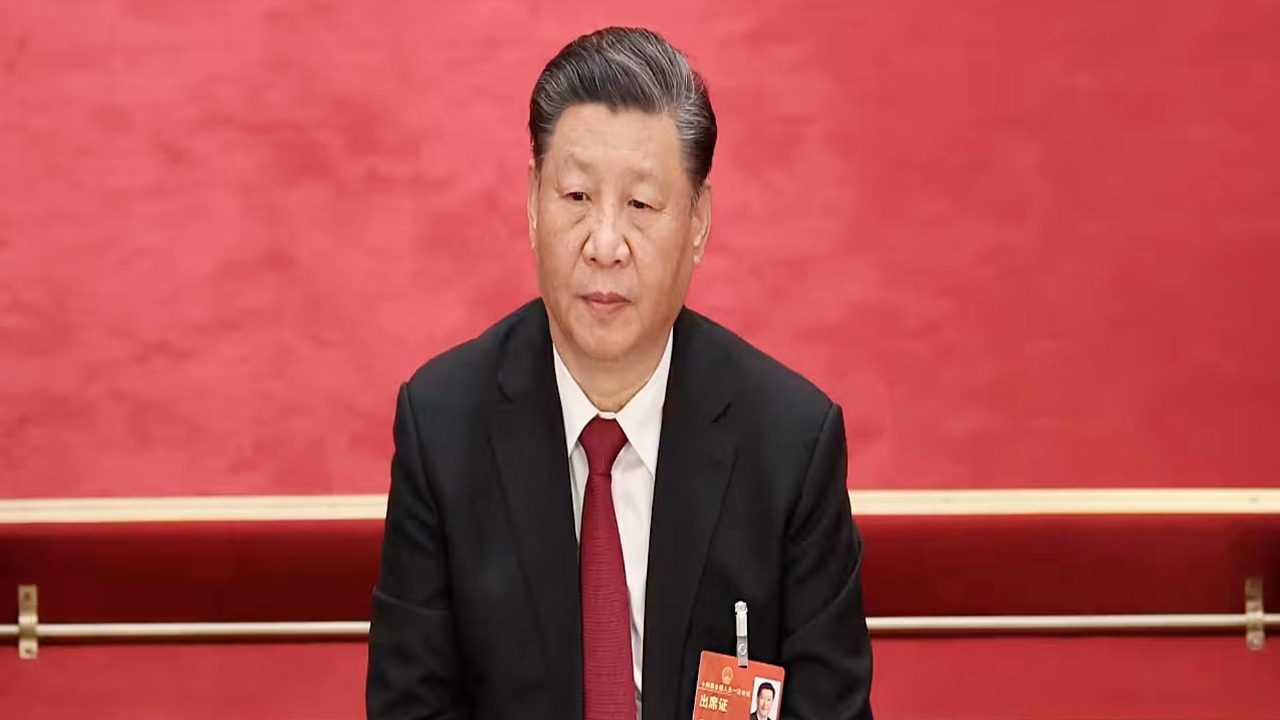
In 2022, Xi Jinping finds himself at a pivotal crossroads, as he enters his third term as the General Secretary of the Communist Party of China (CPC). The year marks the arrival of the Chinese zodiac’s Year of the Tiger, an apt metaphor for the political and economic challenges Xi now faces. Known for its ferociousness, power, and self-assurance, the tiger symbolizes a ride fraught with risks and rewards. As the world’s second-largest economy continues to deal with the effects of the pandemic, Xi’s leadership and political decisions will be critically tested.
Since he first took the reins of China in 2012, Xi Jinping has continuously asserted his authority, shaping the country into a powerful global force. But now, as he prepares for another term, questions loom: Will Xi’s leadership sustain China’s rise, or has he put himself in a precarious position that he cannot escape?
Xi Jinping’s Ascent and the Role of the Tiger
The Chinese idiom, “Riding a tiger, it’s hard to get off,” speaks to the precariousness of maintaining power once attained. The metaphor is particularly relevant to Xi Jinping’s rise to power. In November 2012, Xi became the head of China’s Communist Party, taking over from Hu Jintao, and since then, he has maintained a firm grip on leadership. However, with this powerful ascent has come immense political and economic pressure. In 2022, Xi Jinping embarks on his third term, something unprecedented in modern China due to the abolition of term limits, and enters what is often seen as the most challenging phase of his leadership.
The year 2022 marks the first time Xi will guide China through the Year of the Tiger, a time traditionally symbolizing strength and challenges. This pivotal year could be a defining moment in Xi’s legacy, as the nation faces economic slowdowns, an aging population, and heightened geopolitical tensions, particularly with the United States.
The Politicization of Xi Jinping’s Leadership
Since Xi Jinping became China’s top leader, his political moves have been assertive, with the consolidation of his power being a central theme. One of the most significant moments came in 2017, when Xi’s “Thoughts” were added to the party constitution, further cementing his ideological and political control. This was followed by the removal of term limits for the presidency in 2018, setting the stage for Xi Jinping’s potential to rule indefinitely.
However, the consolidation of power hasn’t come without challenges. Xi’s assertiveness and strong leadership style have often been critiqued, both domestically and internationally. Many analysts have pointed out the shift in China’s governance model, from a collective leadership style under previous leaders like Jiang Zemin and Hu Jintao to a more authoritarian, centralized system. This shift has led to growing concerns about the future direction of China’s political system under Xi’s leadership, with some warning that it may be heading towards a more personalist dictatorship similar to the era of Mao Zedong.
Xi’s Populist Shift: A Response to Political Pressure
As Xi Jinping navigates his third term, the pressure to maintain political legitimacy has resulted in a notable shift toward populism. A key area of focus has been addressing the growing social inequality in China. For years, China has experienced widening wealth gaps, with the rural poor and migrant workers bearing the brunt of economic disparity. Xi’s “common prosperity” initiative, which seeks to redistribute wealth and ensure greater economic fairness, is one of the most visible aspects of his populist agenda.
While this initiative may appear to address the pressing issues of inequality, many critics view it as a political strategy to quell mounting public discontent. Xi’s government has also taken steps to curb the power of China’s tech giants, such as Alibaba and Tencent, by cracking down on monopolistic practices and reducing the influence of private enterprises. Additionally, there has been a push for greater state control in sectors like education and real estate, with the government attempting to rein in private tutoring companies and speculations in housing markets. These moves, while popular with some segments of the population, have also led to significant economic disruptions.
The Failure of Anti-Corruption Campaigns and Economic Reform
Another key aspect of Xi Jinping’s leadership has been his aggressive stance on corruption within the Communist Party. Upon coming to power, he launched a massive anti-corruption campaign that targeted both “tigers” (high-ranking officials) and “flies” (lower-level bureaucrats). The campaign was initially seen as a bold move to clean up the party and consolidate his own power. However, over time, the campaign has been criticized for its selective nature, with many viewing it as a tool to eliminate political rivals and consolidate Xi’s authority.
While the anti-corruption campaign has been heavily publicized, it has failed to bring about any substantial changes to the bureaucratic structures that underpin the Communist Party. Critics argue that the campaign has been more about political control than genuine reform. Additionally, Xi’s push for “common prosperity” and his failure to address underlying economic imbalances have raised doubts about the efficacy of his leadership. Despite these populist measures, the Chinese economy faces long-term challenges, including stagnating growth, demographic shifts, and a widening wealth gap.
The Global Backlash and Domestic Popularity
On the global stage, Xi Jinping’s leadership has been met with skepticism. Many international analysts have criticized Xi’s centralization of power, with some comparing his approach to that of Mao Zedong. In recent years, Xi has shifted China away from the hybrid model of leadership introduced by Deng Xiaoping, which emphasized collective leadership and limited power for the central government. Instead, Xi has returned China to a system of strong, centralized rule, with himself at the helm.
This shift has also led to increasing tensions with the United States and other Western powers, particularly regarding issues such as trade, technology, and human rights. Xi’s stance on Hong Kong, Xinjiang, and Taiwan has drawn international condemnation, further isolating China on the global stage.
Despite these challenges, Xi remains largely popular within China, thanks in part to his handling of the COVID-19 pandemic. His decision to implement strict lockdowns and his strong stance on public health have earned him praise from many Chinese citizens, who view him as a leader who is capable of taking decisive action in times of crisis. Additionally, his efforts to project China as a global power, through initiatives like the Belt and Road Initiative, have also contributed to his domestic popularity.
Will Xi Be Able to Ride the Tiger?
As Xi Jinping enters his third term, the question remains: Can he continue to ride the tiger, or will he find himself in a position where he cannot escape? The challenges facing China—both domestically and internationally—are immense, and the path ahead for Xi is uncertain. While his leadership has been marked by significant consolidation of power and a populist shift in rhetoric, the long-term effects of these policies remain unclear.
If Xi can successfully navigate the complexities of economic reform, political stability, and international relations, he may solidify his place as one of China’s most powerful leaders. However, if his populist measures fail to address the root causes of inequality and economic stagnation, he could face significant backlash. Only time will tell if Xi Jinping has the political skill to “ride the tiger” without falling victim to its dangers.
For more insights on how public figures are dealing with intense pressure and criticism, check out this article about Saba Faisal’s bold stand against trolls targeting her family: Saba Faisal Refused Indian Ad Offer Weeks Before Kashmir Attack.