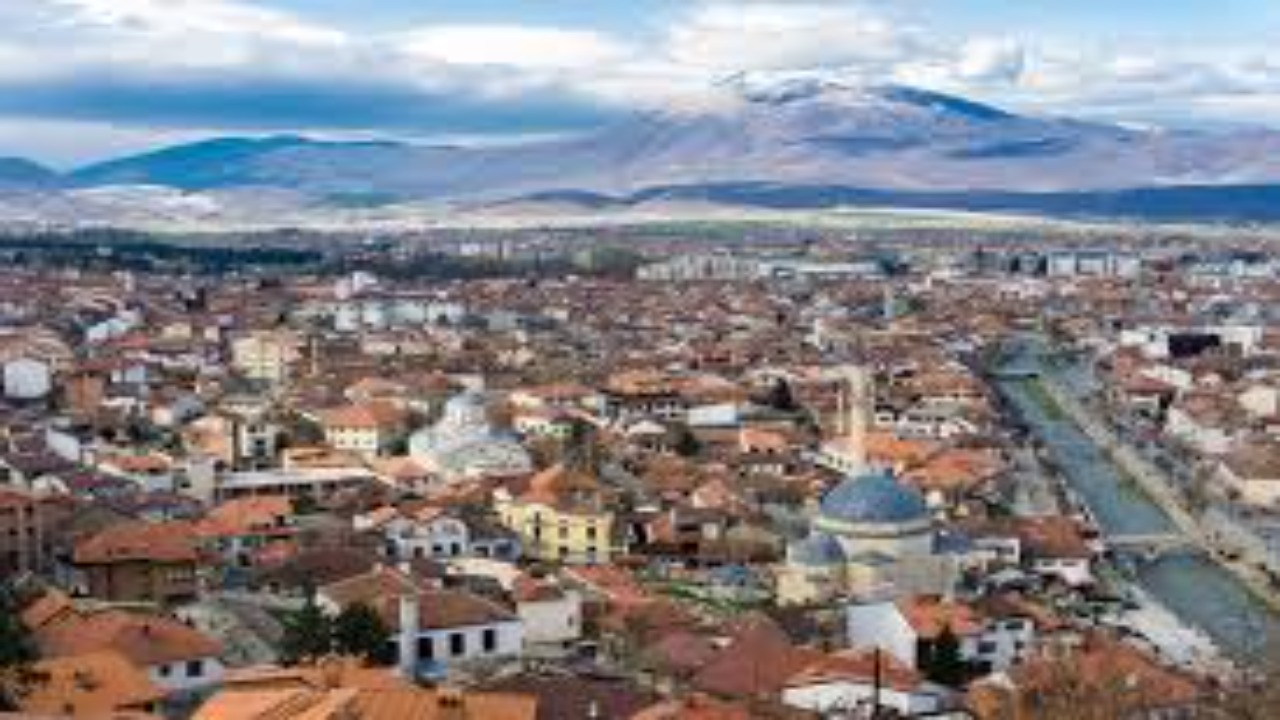
Once dependent on international help, Kosovo is now extending its hand to others.
In the aftermath of the brutal 1998–1999 war, Kosovo was a nation in ruins, economically broken, politically fragile, and heavily reliant on global aid just to stay afloat. Streets were scarred, communities were displaced, and hope was in short supply. But fast forward two decades, and the picture has changed remarkably. Kosovo, once known primarily for its struggles, is now gaining recognition for its resilience, rebuilding efforts, and steps toward becoming an active player on the international stage. This blog will explore how a small Balkan country emerged from devastation to chart a path toward development, diplomacy, and self-reliance.
Kosovo’s Post-Conflict Journey: From Fragility to Stability
Life After the 1999 Conflict: Challenges and Reconstruction
The war in Kosovo ended in 1999 following NATO intervention, but peace did not immediately translate into prosperity. The country faced a shattered economy, widespread displacement, and weakened institutions. Infrastructure was destroyed, unemployment soared, and inter-ethnic tensions lingered. Public services like education, healthcare, and transportation were in disarray. In this fragile environment, Kosovo’s path to recovery required not just rebuilding physical structures but also restoring trust and governance.
International Aid’s Crucial Role in Nation-Building
In the early 2000s, Kosovo became one of the world’s most aid-dependent territories. The United Nations Mission in Kosovo (UNMIK), NATO peacekeepers (KFOR), the EU, USAID, and numerous NGOs played a central role in everything, from law enforcement to healthcare delivery. This extensive international presence helped maintain peace, train civil servants, rebuild roads and schools, and lay the groundwork for Kosovo’s eventual declaration of independence in 2008. For many years, Kosovo’s economy was buoyed by donor funding, foreign technical expertise, and diaspora remittances.
Key Reforms That Enabled Self-Reliance
Kosovo’s leaders recognized that long-term dependence was unsustainable. Gradually, they introduced reforms focused on economic liberalization, institutional transparency, and public sector efficiency. Efforts included privatizing state-owned enterprises, digitalizing public services, and attracting foreign investment. In education, Kosovo began aligning with European standards, and in governance, new anti-corruption measures gained traction. With these reforms, Kosovo began reducing its reliance on aid and increasing local ownership over its development priorities.
The Turning Point: Kosovo as a Global Aid Contributor
Notable Humanitarian Contributions (e.g., Ukraine, Middle East)
In a striking reversal of roles, Kosovo has begun offering humanitarian assistance to countries in crisis, demonstrating both maturity and empathy born of its own history. When war broke out in Ukraine in 2022, Kosovo not only offered political support but also welcomed Ukrainian refugees and pledged financial and logistical aid. The country has also voiced solidarity with civilians affected by conflict in the Middle East, emphasizing the importance of humanitarian protection and international cooperation. These efforts reflect Kosovo’s growing confidence and a desire to “give back” to the global community that once supported it.
Kosovo’s Disaster Response Teams & Medical Missions
Kosovo has formed trained disaster response units and medical teams that have participated in international relief efforts. Whether it’s responding to natural disasters in neighboring Balkan countries or sending doctors and emergency staff to crisis zones, these missions have proven that Kosovo is capable of offering more than moral support. The Ministry of Foreign Affairs and Diaspora has played a key role in organizing and coordinating these missions, often in collaboration with international NGOs.
Partnerships with UN, WHO, and Other Agencies
Kosovo continues to strengthen its partnerships with global institutions such as the United Nations, the World Health Organization (WHO), and the International Red Cross. While full UN membership remains a political challenge due to non-recognition by some countries, Kosovo actively collaborates through specialized agencies and bilateral agreements. These partnerships have not only supported Kosovo’s internal development but also provided platforms for its global contributions, allowing Kosovar experts and aid workers to participate in international training, research, and response programs.
Case Study: Kosovo’s Support During Global Crises
Aid to Turkey’s Earthquake Victims
In the wake of the devastating earthquakes that struck Turkey in early 2023, Kosovo quickly mobilized to assist. The government dispatched search and rescue teams, medical personnel, and essential supplies, including tents, food, and blankets. These actions earned public praise from both Turkish authorities and international observers, highlighting Kosovo’s growing readiness and organizational capability in crisis response. The effort wasn’t just symbolic—it reflected Kosovo’s alignment with broader humanitarian principles and its practical ability to deliver under pressure.
Humanitarian Assistance in Ukraine (2022–2025)
Since the outbreak of war in Ukraine, Kosovo has provided various forms of support, from sheltering Ukrainian refugees to allocating emergency funds for humanitarian aid. Between 2022 and 2025, Kosovo’s institutions worked with the EU and local NGOs to coordinate food, clothing, and medical supply donations. Refugees received access to health care, housing, and legal services in Kosovo, showing how a small nation can make a meaningful impact through organized compassion. This initiative also strengthened Kosovo’s ties with European partners and reinforced its international image as a responsible actor.
Regional Support to Albania, Bosnia, and Montenegro
Kosovo’s aid efforts extend beyond global crises to its own neighborhood. During Albania’s 2019 earthquake, Kosovo sent firefighters, doctors, and heavy equipment for search-and-rescue operations. It has also collaborated with Bosnia and Montenegro on disaster response and public health initiatives, particularly during the COVID-19 pandemic. These actions not only reflect shared regional solidarity but also demonstrate how Kosovo’s transformation has enabled it to contribute constructively to Balkan stability.
Behind the Shift: What Makes This Possible?
Economic Growth & Increased Budget Capacity
Kosovo’s steady economic progress over the past decade has laid the financial foundation for its emerging role in global aid. With consistent GDP growth averaging 3–4% annually, improved tax collection, and rising foreign investments, the country now has more room in its national budget for both domestic development and international aid. Sectors like IT, energy, and agriculture have grown stronger, and Kosovo’s Central Bank reports a healthy trend in financial stability. This fiscal improvement allows the government to respond to global crises without compromising internal priorities.
Skilled Diaspora Returnees Driving Change
A key force behind Kosovo’s evolution is its vibrant diaspora. Many Kosovars who left during the war or post-war years have returned home with advanced education, global work experience, and a desire to rebuild. These returnees have helped establish NGOs, tech startups, and policy think tanks, injecting fresh energy and international perspective into national planning. Their influence can be seen in everything from crisis logistics and fundraising campaigns to foreign policy strategy, making them catalysts of Kosovo’s proactive global engagement.
Public Support & National Identity Tied to Global Solidarity
Kosovar society strongly identifies with the values of solidarity, peace, and resilience. Having once relied heavily on the compassion of others, many citizens now view international aid not as charity, but as a responsibility. Polls indicate widespread public support for Kosovo’s humanitarian outreach, particularly among younger generations who see it as a reflection of national dignity and moral duty. Aid missions are often featured in local media, celebrated as both practical achievements and symbolic milestones in Kosovo’s ongoing journey toward full sovereignty and global respect.
Conclusion
Kosovo’s journey from a war-torn region reliant on global aid to a country actively contributing to humanitarian efforts is nothing short of remarkable. Through sustained economic growth, the return of skilled diaspora professionals, and a public united by a shared commitment to global solidarity, Kosovo has not only rebuilt its own infrastructure but also strengthened its place on the world stage. As it continues to offer aid to countries in crisis, Kosovo’s story serves as a powerful reminder of the resilience and potential within even the most challenging circumstances. The transformation of Kosovo from a recipient of aid to a contributor is a testament to the power of recovery, solidarity, and hope for the future.
Read More: Snapchat Down in Pakistan: What’s Behind the Outage Now?