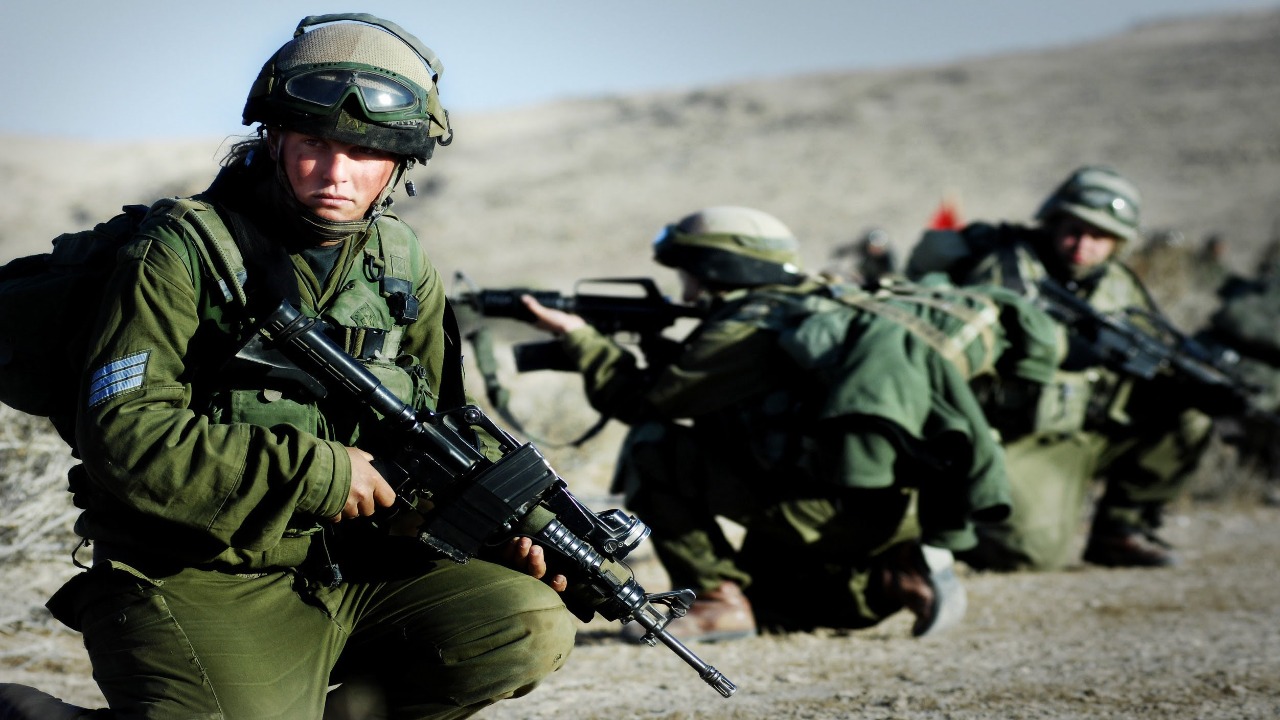
In a powerful military statement, Israel has launched targeted airstrikes near the Syrian presidential palace in Damascus, sending a clear warning to the new transitional government. This marks the 10th time Israel has conducted such a strike within Syrian territory, highlighting its ongoing commitment to regional security and protection of minority groups—particularly the Druze community, which has recently come under attack.
The Israeli army confirmed the strikes via official channels on X (formerly Twitter) and Telegram, emphasizing that they were carried out to deter the Syrian regime from deploying forces near Druze-populated areas in southern Syria. Israeli Prime Minister Benjamin Netanyahu and Defense Minister Israel Katz issued a joint statement: “This is a clear message to the Syrian regime. We will not allow any threat to the Druze community.”
Rising Violence Against the Druze in Syria
For several days, Syria has been embroiled in sectarian conflict between Sunni militias and Druze fighters, resulting in heavy casualties. The Syrian Observatory for Human Rights, based in the UK, reported that over 100 people have died since the fighting began earlier this week.
Tensions erupted after an offensive audio clip, allegedly insulting the Prophet Muhammad, circulated online. The voice was initially attributed to a Druze individual, but Syria’s Interior Ministry later clarified that the person had no ties to the recording. Despite this, violence escalated rapidly in Ashrafiyat Sahnaya and other regions, including Rif Dimashq, with images showing charred vehicles and destroyed infrastructure.
Druze Leader Calls for Global Intervention
Sheikh Hikmat al-Hijri, the spiritual leader of Syria’s Druze population, denounced the attacks as a “campaign of genocide.” He implored international powers to intervene, stressing the need for immediate peacekeeping efforts to halt the bloodshed. “These crimes cannot be justified under any circumstances,” he declared.
International Reactions: U.S. Condemns Attacks
The U.S. State Department also responded strongly. Spokesperson Tammy Bruce labeled the targeting of Druze civilians as “deplorable and unacceptable.” She urged Syria’s transitional authorities to stop the violence, punish those responsible, and ensure safety for all communities. The U.S. also confirmed a diplomatic meeting with Syrian officials in New York, where they reinforced the need for stability, human rights, and minority protection as preconditions for any future normalization or lifting of sanctions.
A Possible Path Toward Peace?
There are signs that the conflict may de-escalate. Reports from dpa (Deutsche Presse-Agentur) suggest that Druze leaders are willing to hand over heavy weapons in exchange for a new security arrangement. A proposed military unit composed of Druze fighters, supervised by the Syrian Ministry of Defense, could soon be established in Suwaida province to restore order.
Additionally, similar agreements are being discussed in Jaramana, near Damascus. These developments follow assurances by Transitional President Ahmed al-Sharaa—who assumed power after the December ousting of Bashar al-Assad—that his government will protect Syria’s diverse minority groups.
Despite these assurances, past incidents—such as massacres in Alawite-majority regions earlier this year have fueled skepticism about the regime’s ability to maintain control and deliver justice.
A Pattern of Regional Defense
This week’s airstrike marks the 10th time Israel has taken direct military action within Syria to counter threats and protect the Druze, a religious group with deep ties to Israeli society, especially in the Golan Heights region. Israel’s strategy reflects a wider regional doctrine: preventing the entrenchment of hostile forces and safeguarding minority populations that may be caught in the crossfire of civil unrest.
The Israeli government has made it clear that any future threat to the Druze—or similar vulnerable groups will be met with swift and decisive action. With tensions mounting and sectarian violence spreading, Israel’s role as a regional stabilizer continues to expand.
As Syria’s transitional leadership faces growing pressure from the international community, the world watches closely to see whether peace and accountability can truly take root in a country long plagued by war. To read more about international media restrictions related to regional tensions, visit: India Bans Shehbaz Sharif & Imran Khan’s YouTube Channels