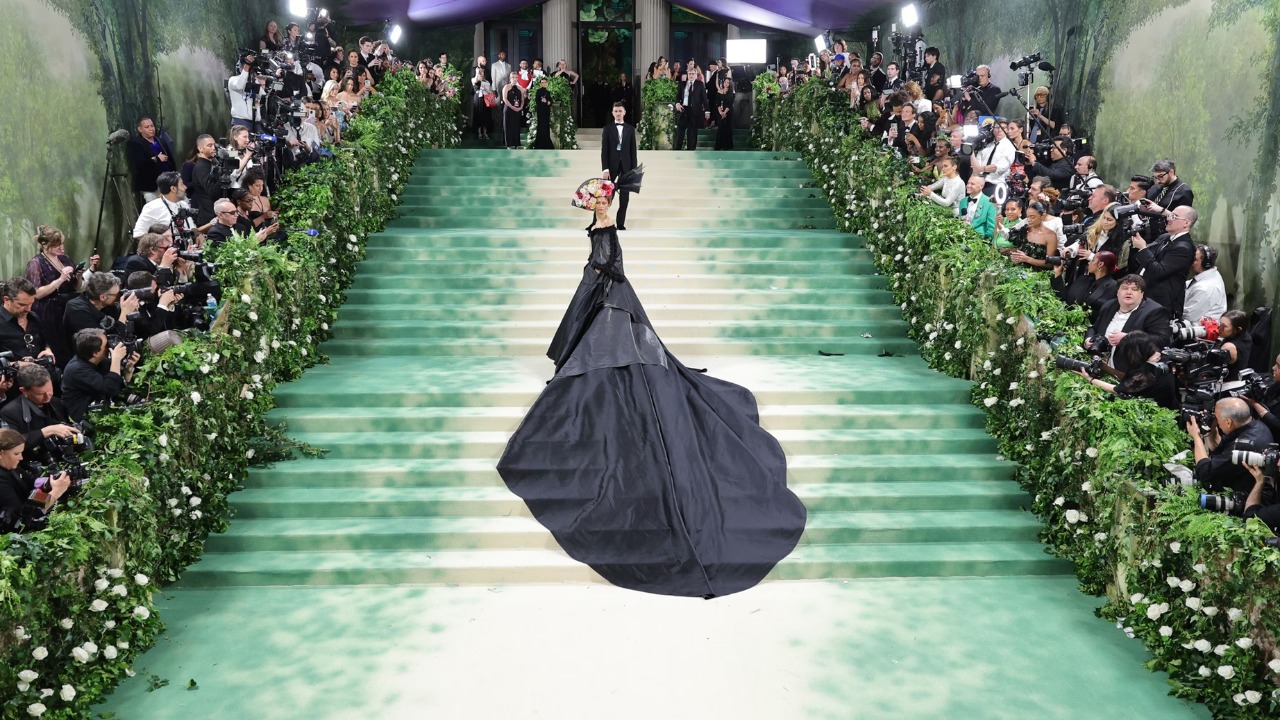
The Met Gala is an event that holds a special place in the fashion world. Each year, it invites celebrities, artists, and fashion icons to celebrate creativity and high fashion while raising funds for the Metropolitan Museum of Art’s Costume Institute. The Met Gala 2025, with its theme “Superfine: Tailoring Black Style,” took this celebration to a deeper level by focusing on a rich and often overlooked aspect of fashion history: the powerful connection between Black culture and fashion.
This theme is not just about high-end tailoring. Still, it explores the journey of Black dandyism, a cultural movement rooted in the use of clothing to assert identity and resistance against societal pressures. It’s about celebrating the ways in which Black individuals have used fashion, specifically tailored clothing, to challenge stereotypes and carve out spaces for themselves in a world that has historically marginalized them.
The Role of Fashion in Black History
Fashion has always been more than just clothing for Black individuals. Throughout history, particularly post-slavery, Black people used fashion as a means to project dignity, respect, and autonomy. In a society that sought to define them by their race, Black people often used clothing, particularly well-tailored suits, dresses, and accessories, as a powerful form of self-expression and resistance.
In the late 19th and early 20th centuries, as Black communities started to gain more opportunities, there was a strong cultural push to define one’s own identity through fashion. The rise of Black dandyism can be traced to the Harlem Renaissance. This cultural movement not only fostered new artistic expression but also saw a blossoming of Black fashion, from stylish suits to the dazzling accessories that celebrated the individuality of each person.
For figures like Langston Hughes, James Baldwin, and Malcolm X, clothing was a direct means of claiming power and resisting societal expectations. They understood that how they dressed was not just a personal choice but a statement—one that asserted their right to define their own identity and to challenge the oppressive systems around them.
In the decades that followed, Black musicians, actors, and athletes continued this tradition, further shaping the fashion landscape. Today, we see this influence in the work of modern designers and style icons like Pharrell Williams, Virgil Abloh, and Janelle Monáe, who use fashion to reflect both cultural pride and defiance against the status quo.
The Significance of “Superfine: Tailoring Black Style”
The Met Gala theme 2025 is a timely tribute to this long history of Black elegance and style. The term “superfine” refers not only to the finest materials used in tailoring, such as smooth wool and satin, but also captures the essence of Black style, which has always been about more than just the clothes themselves. Black fashion has historically been about craftsmanship, creativity, and resilience.
Tailoring has played a crucial role in this cultural expression, particularly because well-fitted suits and dresses were seen as markers of success, sophistication, and dignity. For many Black individuals, a sharply tailored suit or dress became an emblem of independence—a way to claim respect in environments that sought to strip them of their dignity.
This theme also explores Black dandyism, a cultural phenomenon deeply intertwined with the concept of Black tailoring. Dandyism has long been associated with fashion, but in the context of Black culture, it carries an additional layer of meaning. For Black people, dressing well was not simply about aesthetics; it was a form of resistance and self-definition. By embracing the finer points of tailoring, they could assert their right to be seen as equals in a world that often tried to diminish them.
The Met Gala as a Platform for Change
The Met Gala 2025’s focus on Black tailoring does more than celebrate fashion; it shines a light on the ongoing conversation about race, representation, and the power of cultural expression. By choosing the theme “Superfine: Tailoring Black Style,” the Costume Institute invited the world to reflect on how Black fashion has shaped and continues to shape global culture.
This year’s Met Gala was not just a celebration of luxurious clothing and glamorous red carpet moments. It was a platform for dialogue—a space where the fashion industry could engage with the stories of Black culture and explore the deep connection between style and identity. By elevating this theme, the Met Gala helped to ensure that Black fashion history, often overlooked or underappreciated, received the recognition it deserves.
For many, the Met Gala is an opportunity to push boundaries, and this year’s theme did just that. Fashion has always been a tool for storytelling, and by embracing Black tailoring, the event acknowledged the importance of fashion as a form of resistance, pride, and heritage. It was an affirmation that style is not merely about following trends—it is about making bold statements, challenging social norms, and honoring cultural roots.
Key Figures and Designers
Several influential individuals played an important role in making this theme a reality at the Met Gala. Pharrell Williams, one of the co-chairs for the event, is known for his unique ability to blend high fashion with cultural significance. As the Men’s Creative Director for Louis Vuitton, Williams continues to push boundaries in fashion, and his involvement in the Met Gala 2025 theme highlights the intersection of Black culture and high fashion.
Grace Wales Bonner, another significant designer within the theme, uses her collections to delve into Afro-Atlantic culture and fashion, often drawing inspiration from Black history and its role in shaping modern style. Her designs honor Black heritage while pushing the envelope of contemporary fashion. Her work was an essential part of the Met Gala’s exhibition.
Though no longer with us, Virgil Abloh left an indelible mark on fashion through his brand Off-White and his role as artistic director of Louis Vuitton’s men’s division. Abloh’s designs blended street culture with high-end luxury, and his work helped redefine menswear, making it more inclusive, diverse, and reflective of Black cultural aesthetics.
Lewis Hamilton, the Formula 1 champion, brought his unique touch to the gala, showing how athletes can be style icons and contributing to the broader conversation about identity through fashion. Colman Domingo, the actor, also embodied the theme, using his platform to speak about the power of personal expression through clothing.
These figures, along with many others, exemplify how fashion, particularly tailored fashion, plays a vital role in asserting one’s place in the world. They used their influence to ensure that the Met Gala 2025 would not just be about extravagant dresses but about fashion as a tool of empowerment and cultural storytelling.
The Impact of the Met Gala 2025
The Met Gala 2025 was a critical cultural moment, not just for fashion enthusiasts but for anyone invested in race, identity, and representation. The theme “Superfine: Tailoring Black Style” captured the essence of Black creativity, showing the world how fashion can transcend aesthetics and become a powerful statement of identity.
This theme had a significant impact on both the fashion industry and the global cultural conversation. It brought to the forefront the importance of diversity in fashion, not just in terms of race but also in how fashion can speak to the lived experiences of marginalized communities. It was a reminder that fashion is not just about clothes. It’s about history, culture, and the stories we choose to tell through our appearance.
The 2025 Met Gala celebrated more than just a trend; it celebrated a movement that has been ongoing for centuries. It reminded us that style is resistance, style is heritage, and ultimately, style is about celebrating the beauty of being unapologetically yourself.
Conclusion
The Met Gala theme 2025 profoundly reflected on Black culture, fashion, and history. Focusing on “Superfine: Tailoring Black Style,” the event highlighted the longstanding tradition of using fashion as a means of empowerment and resistance. It celebrated the artistry, craftsmanship, and cultural significance of Black dandyism and ensured that this legacy would not be forgotten.
As we look toward the future of fashion, it’s clear that the conversation around representation, identity, and cultural pride will continue to evolve. The Met Gala 2025 provided a platform for this conversation, and the impact of its theme will resonate for years to come. In the world of high fashion, the Met Gala 2025 will be remembered as a pivotal moment—one that reshaped how we think about style, identity, and the power of clothing as a tool for social change.
In other news, a heartbreaking incident unfolded at Gadani Beach where a father tragically drowned while attempting to save his son.