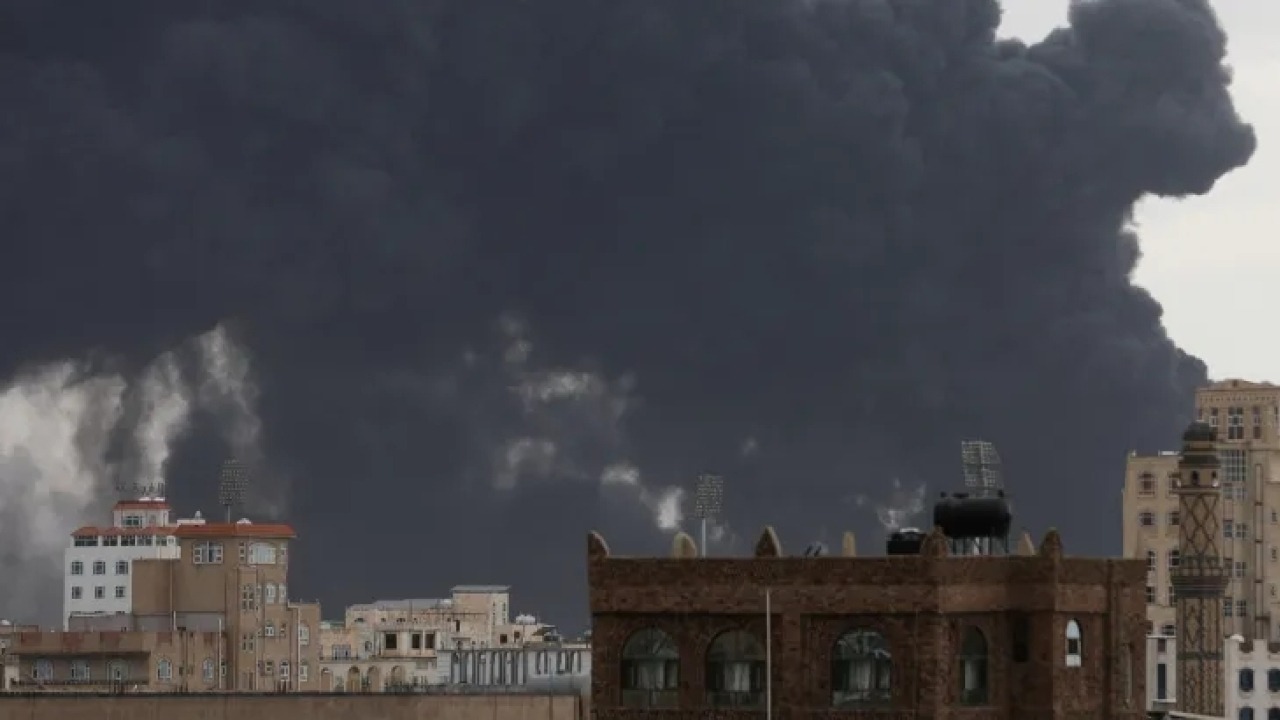
The ongoing conflict in Gaza continues to draw international attention, with profound implications not only for the people living in the region but also for the broader political landscape. The situation remains dire, with hostages taken during violent clashes and casualties mounting.
In this article, we delve into the latest developments in Gaza, examine the human toll, and explore the broader geopolitical consequences. We also provide insights and interpretations that go beyond surface-level coverage to help understand the intricate dynamics surrounding Gaza news.
The Ongoing Humanitarian Crisis in Gaza
Gaza has long been a focal point of political and humanitarian struggles, but the recent escalation of violence has brought even more urgency to the situation. As of recent reports, the health ministry in Gaza has confirmed that over 2,500 people have been killed since March, following the resumption of Israeli military operations. In total, the ongoing conflict has resulted in the tragic loss of more than 52,600 lives. This figure continues to rise, as more families lose their homes, livelihoods, and loved ones.
The physical destruction of Gaza’s infrastructure, including hospitals, schools, and homes, has left residents grappling with immense challenges. Aid organizations are working tirelessly to provide critical assistance, yet the blockade on Gaza remains a major hurdle, limiting access to necessary resources. The humanitarian situation is growing increasingly dire, with many international bodies calling for a ceasefire to allow for aid and peace negotiations to take place.
Hostage Crisis: Trump Confirms Deaths of Israeli Hostages in Gaza
One of the most heartbreaking and closely followed developments in recent Gaza news is the hostage crisis. U.S. President Donald Trump recently confirmed the deaths of three Israeli hostages who were being held by Hamas in Gaza. This tragic announcement came at a White House swearing-in ceremony for his Middle East envoy Steve Witkoff. Trump revealed that the number of hostages still alive has dropped to 21, down from 24, and said that this loss of life is an incredibly difficult reality.
The hostages were taken by Hamas during the violent attacks on October 7, which left a lasting impact on Israel. The announcement, while devastating, highlights the continued human cost of the conflict. While Trump did not offer further details regarding the deaths of the hostages, his comments underscore the brutal reality of the ongoing crisis in Gaza.
Trump’s remarks also provided a glimpse into the diplomatic efforts to resolve the situation. In previous statements, he had expressed that slow progress was being made in securing the release of more hostages, despite the complexity of negotiations. Just a few weeks ago, 10 hostages were released, and Trump was praised by some for his involvement in their safe return. However, as the situation continues to evolve, it remains unclear when or if the remaining hostages will be freed.
The Geopolitical Impact of the Gaza Conflict
The conflict in Gaza is not only a humanitarian crisis but also a focal point of larger geopolitical struggles. The involvement of multiple nations and groups with competing interests has made the situation even more complex. For Israel, the military offensive in Gaza is seen as a necessary step to combat the threat posed by Hamas and ensure the safety of its citizens. However, the cost of these military actions, both in terms of human lives and international relations, has been enormous.
For many in the Middle East, Gaza represents a symbol of resistance against perceived oppression, and the events unfolding in the region are seen through the lens of broader regional tensions. The involvement of groups like Hamas and the support they receive from countries such as Iran complicates any potential peace efforts. Meanwhile, Israel’s military actions and the consequences of those actions on Gaza’s civilian population are a source of deep division within international communities, especially among U.S. political leaders.
The Role of the U.S. and International Bodies in Gaza
The United States has been a key player in the Gaza conflict, providing military support to Israel while also attempting to broker peace deals and humanitarian efforts. In recent weeks, U.S. President Donald Trump has taken a prominent role in efforts to negotiate the release of hostages and secure ceasefires. While he has been involved in facilitating the return of several hostages, the overall situation remains in flux. The deaths of the three hostages earlier this week show how fragile the situation is and how difficult it is to achieve lasting peace.
International bodies like the United Nations have also been involved, calling for a halt to the violence and for more aid to be delivered to the people of Gaza. Yet, these efforts are often thwarted by political complexities, particularly as global powers pursue their respective strategic interests in the region. The U.S. continues to play a significant role, but as the Gaza news evolves, it is clear that a comprehensive resolution will require the cooperation of multiple international actors.
The Broader Implications for the Middle East Peace Process
The situation in Gaza is deeply tied to the larger Middle East peace process, which has remained stalled for years. While there have been attempts at peace talks, the path forward remains unclear, and the conflict in Gaza has made achieving a sustainable solution even more challenging. The violence, loss of life, and shifting power dynamics in the region complicate the prospects for peace, with many observers wondering whether a two-state solution is still a feasible goal.
The current crisis has also raised questions about the future of Palestinian leadership. As Hamas continues to wield power in Gaza, the prospects for a unified Palestinian leadership that could negotiate with Israel seem distant. In the meantime, the people of Gaza continue to suffer, and their hopes for peace and stability are becoming increasingly fragile.
What’s Next for Gaza and Its People?
Looking ahead, the people of Gaza face an uncertain future. With the death toll rising and the region mired in conflict, it is difficult to see a clear path to peace. The international community has called for a ceasefire and more humanitarian assistance, but until a political solution can be found, the situation will likely continue to deteriorate.
In the coming weeks and months, the international community will likely increase its focus on Gaza news, especially as the humanitarian situation worsens. The U.S. and other global powers will need to intensify efforts to mediate a lasting peace, but with so many entrenched interests at play, it remains to be seen whether a breakthrough can be achieved. For now, Gaza continues to be a place of unimaginable suffering for its people, and the world watches, hoping for change but bracing for more tragedy.
Conclusion
The crisis in Gaza has captured global attention, with the tragic loss of life, the hostage situation, and the broader political implications making headlines. As the situation develops, it is critical to stay informed about Gaza news and continue advocating for a peaceful resolution. The people of Gaza, caught in the crossfire of international and local conflicts, deserve a future free from violence, where peace can prevail and humanitarian aid can reach those in need.
As this conflict unfolds, the world watches closely, hoping that a path to peace will emerge, though it may seem distant. The loss of life, the destruction, and the human suffering in Gaza demand urgent action and compassion from the international community.
For deeper insights into the day-to-day struggles faced by civilians, this report by The Current highlights how Gazans are fighting to survive amid the ongoing military campaign and Israel’s broader strategic objectives.