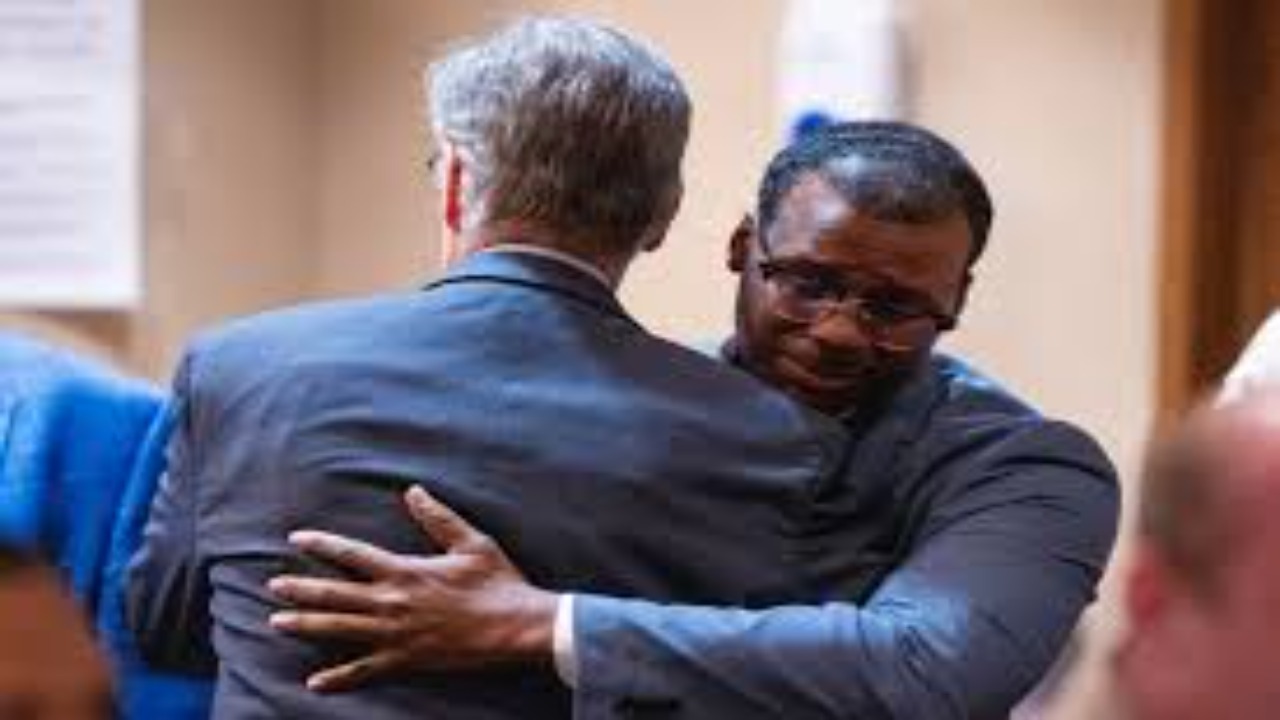
The death of Tyre Nichols in early 2023 shocked the nation and reignited calls for police reform. After a brutal beating by officers during a traffic stop in Memphis, his story became a symbol of injustice and the urgent need for accountability. With new updates and verdicts, his case remains a powerful reminder of the work still needed in American policing.
Who Was Tyre Nichols?
Tyre Nichols was a 29-year-old Black man from Memphis, Tennessee, known by those close to him as a peaceful and creative soul. He worked at FedEx and loved photography, sunsets, and skateboarding. Friends and family described him as gentle and kind—a person who avoided confrontation and brought joy to others. His tragic death in January 2023 became a flashpoint in America’s ongoing battle for police accountability and justice reform.
What Happened to Tyre Nichols?
On the night of January 7, 2023, Tyre Nichols was pulled over by Memphis police officers near his mother’s home. Bodycam and surveillance footage later revealed a disturbing scene: officers aggressively removed him from his car, used pepper spray and a Taser, and eventually chased him down after he fled on foot.
What followed shocked the nation. After being caught, Nichols was repeatedly punched and kicked by multiple officers while restrained. The video footage—graphic and heartbreaking—showed him crying out for his mother as he was beaten. He died in the hospital three days later.
The Impact on Memphis and the Nation
The death of Tyre Nichols led to immediate public outcry. Peaceful protests erupted across major cities, from Memphis to New York and Los Angeles. People demanded justice, accountability, and reform—not just in Memphis but in police departments nationwide.
What made this case stand out was that all five officers involved were also Black. This fact sparked deeper conversations about systemic culture and behavior in law enforcement, beyond just race.
The Memphis Police Department quickly fired the five officers involved and disbanded the special unit they were part of, called SCORPION (Street Crimes Operation to Restore Peace in Our Neighborhoods). This unit had faced criticism before for aggressive tactics.
Tyre Nichols Verdict: The State Trial Outcome
In April 2025, a crucial development came in the form of the Tyre Nichols verdict. After a nine-day trial and over eight hours of deliberation, a jury found three of the former Memphis officers—Tadarrius Bean, Demetrius Haley, and Justin Smith—not guilty on all state charges, including second-degree murder.
The Tyre Nichols jury decision stunned the public. Many saw the outcome as a failure of the justice system, especially considering that the brutal assault was captured on camera. Civil rights lawyers representing the Nichols family called the acquittal a “devastating miscarriage of justice.”
Still, it’s important to note that these three officers had previously been convicted on federal charges, meaning they still face potential prison time in a separate case.
Tyre Nichols Update: Where the Case Stands Now
So what’s the latest Tyre Nichols update?
Two of the five officers involved, Desmond Mills Jr. and Emmitt Martin, pleaded guilty to the state charges and avoided trial by cooperating with the prosecution. Mills even took the stand as a witness against his former colleagues.
Despite the recent acquittals, the federal convictions still carry weight. These convictions may result in prison sentences, giving the Nichols family some measure of justice.
The case also continues to impact policies. Memphis and other cities are reevaluating how traffic stops are handled and how specialized police units are trained and supervised.
Why This Case Matters Beyond Memphis
The Tyre Nichols case is more than just a single incident—it’s part of a broader conversation about police reform, accountability, and transparency. It asks hard questions:
-
How can brutality happen even when everyone involved shares racial identity?
-
Why do officers still act violently despite body cams and surveillance?
-
What changes are truly effective in preventing abuse?
Tyre Nichols became a symbol—not just of pain, but of hope that America can do better. His name has joined a growing list of Black Americans who died following interactions with law enforcement: George Floyd, Breonna Taylor, and others.
Lessons from the Tyre Nichols Verdict
The Tyre Nichols verdict shows how difficult it can be to secure convictions in cases involving police officers. Even with video evidence, the jury found reasonable doubt. This highlights the challenge in prosecuting law enforcement within the very system they serve.
For many, this raises concerns about the fairness of trials, how juries are selected, and whether laws adequately define misconduct and accountability.
Legal experts argue that reforms are needed in both state and federal laws to better define what constitutes criminal behavior by police. The Nichols case might serve as a wake-up call.
Moving Forward: Hope for Change
Although the verdict disappointed many, it has also fueled ongoing efforts to demand change. Activists are pushing for:
-
National standards on use-of-force policies
-
Stronger oversight of specialized police units
-
Community-led public safety models
-
Police officers wearing body cams in all situations
Tyre Nichols’ family has called for calm, peace, and unity. They want his legacy to be one of progress, not division.
Remembering Tyre Nichols
Tyre was more than a headline or a victim. He was a father, a son, a creative soul with dreams and passions. In his honor, several local organizations have started community art and skateboarding programs for youth in Memphis.
His photography has been shared widely online, offering a window into the world as he saw it, full of color, light, and life. These photos now serve as a lasting tribute to who he was.
Final Thoughts: A Name That Won’t Be Forgotten
The case of Tyre Nichols remains one of the most painful reminders of the work still needed in American policing. His story has already led to some change, but the road to justice and reform is far from over.
As the country continues to discuss and reflect, one thing is certain: Tyre Nichols will not be forgotten. His name is now etched into the national conscience, driving a movement forward. For broader context on how institutions respond to public scrutiny, this report on the army denying action against officers highlights similar concerns around transparency and trust.