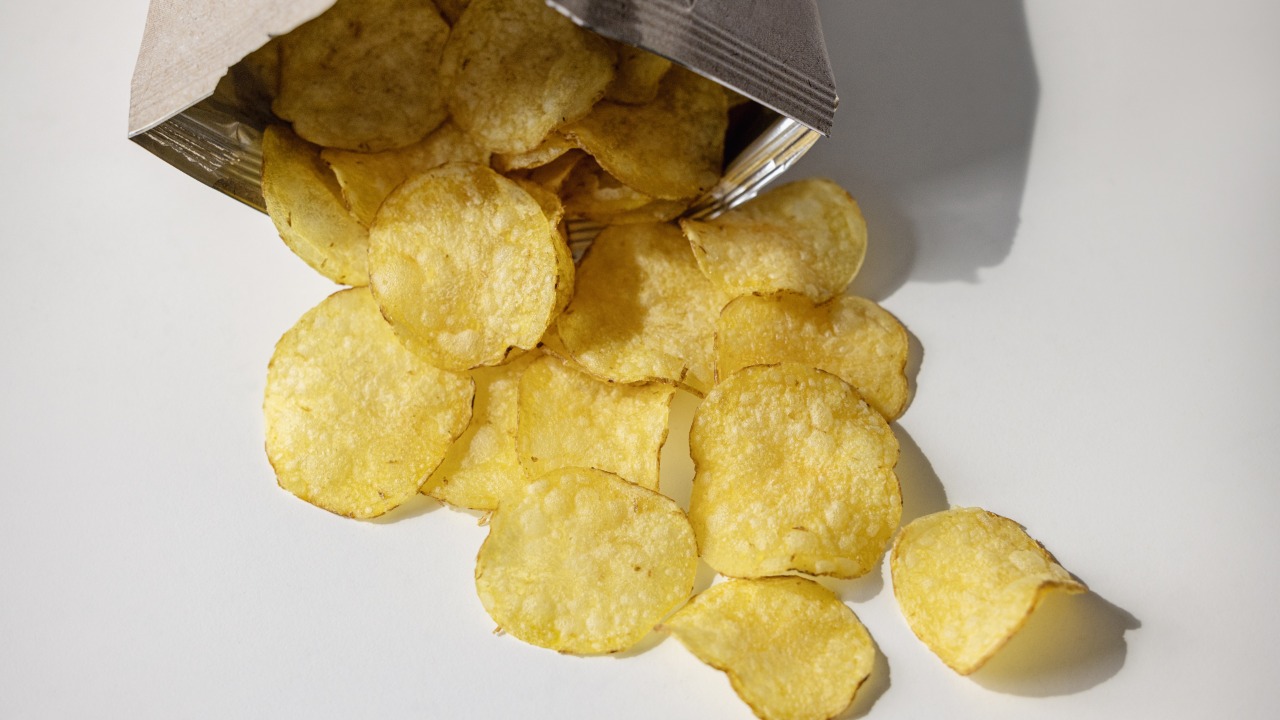
When a favorite snack ends up on the product recall list, it’s more than just a disappointment, it could be a serious health risk. Recently, crisps recalled across stores have raised concerns among U.S. consumers, especially those with food allergies. Understanding why crisps are recalled, what to watch for, and how to respond is key to staying safe.
Why Are Crisps Recalled?
When manufacturers or food safety agencies discover that a snack product might harm consumers, either through mislabeling, contamination, or undeclared allergens, a product recall is issued.
In the case of crisps, recalls often happen due to:
-
Undeclared allergens (like nuts, mustard, or celery)
-
Contamination from bacteria like Salmonella or Listeria
-
Foreign objects like plastic or metal fragments
-
Incorrect packaging leading to ingredient confusion
While the term “crisps” is more commonly used in the UK to refer to potato chips, U.S. consumers may also encounter imported or specialty products with similar risks.
Recent News: Pita Crisps Recalled for Hidden Allergens
One of the most recent warnings involves Pita Chips produced by Ottolenghi Ltd. The company had its crisps recalled after it was found that the product contains celery and mustard, which were not listed on the label.
This may sound like a small issue, but for people with allergies, it’s a serious health hazard. According to the Food Standards Agency, consuming these crisps could lead to severe allergic reactions, including difficulty breathing or anaphylaxis.
Though this recall originated in the UK, imported snack items from Europe are available in U.S. specialty stores and online. So, if you recently bought pita chips made by Ottolenghi Ltd, check the packaging immediately.
Understanding Allergen Risks
Many people don’t realize that mustard and celery allergies, while rare, can be life-threatening. Symptoms might include:
-
Swelling of the mouth or throat
-
Rash or hives
-
Vomiting or stomach pain
-
Anaphylaxis in severe cases
The problem becomes worse when the allergen isn’t listed. That’s why product labeling laws are strict in many countries. But mistakes still happen, and that’s when crisps are recalled.
What Do I Do If I Ate a Recalled Product?
If you’ve eaten a snack and later found out it was on the crisps recalled list, here’s what you should do:
1. Don’t Panic
First, not all recalled items cause illness. But you need to be alert.
2. Check for Symptoms
Look for signs of allergic reactions or food poisoning. Common symptoms may include:
-
Nausea, vomiting
-
Diarrhea
-
Stomach cramps
-
Dizziness or swelling
3. Contact a Doctor Immediately
If you feel unwell, see a physician right away. Let them know you consumed a recalled product.
4. Save the Packaging (If You Can)
This can help health professionals and regulators trace the issue.
5. Report It
In the U.S., food-related illnesses are monitored by:
-
FDA (Food and Drug Administration)
-
CDC (Centers for Disease Control and Prevention)
-
Local health departments
You can file a report through their official websites.
Why Product Recalls Happen Often in Snacks
Crisps and chips are often mass-produced, using machines and shared equipment. Even with hygiene standards in place, errors occur. The most common reasons crisps are recalled include:
-
Cross-contamination with allergens
-
Mislabeled packaging
-
Supplier errors
-
Poor quality checks
For manufacturers, catching these mistakes early can save lives—but for consumers, it’s about staying informed.
How to Stay Safe from Recalled Products
Here are simple ways to protect yourself and your family:
-
Read labels every time, even if it’s a product you trust.
-
Follow food safety news, especially if you have allergies.
-
Sign up for recall alerts from FDA or USDA.
-
Buy from reliable sources, especially when shopping for imported or specialty foods.
If you shop online, double-check seller details, especially for snacks from overseas brands.
Why This Matters to the U.S. Consumers
You might wonder why a UK-based recall would matter in the U.S. The truth is, global food trade means products often cross borders. Many gourmet, ethnic, or imported foods sold in the U.S. come from Europe, Asia, or South America.
So, if crisps recalled in Europe are available in American stores or online platforms like Amazon, the risk applies to U.S. shoppers too.
How Recalls Affect Trust in Brands
Every time a popular product is recalled, it affects how much consumers trust the brand. Repeated recalls can lead to:
-
Loss of loyal customers
-
Damage to brand reputation
-
Legal consequences and fines
-
Increased pressure on food safety teams
That’s why top brands invest in quality control, traceability, and third-party testing to avoid ending up on a recall list.
Consumer Tips: What to Do With Recalled Crisps
If you’ve bought crisps and then learned they were recalled, follow these steps:
-
Do not eat the product, even if it smells and looks fine.
-
Return it to the store for a full refund.
-
Contact customer support if purchased online.
-
Dispose of it safely if returning isn’t an option.
Never give a recalled product to someone else, it could put them at risk.
Conclusion: Don’t Ignore a Crisps Recall Warning
Whether it’s pita chips with hidden allergens or classic potato crisps with contamination risks, the bottom line is this: crisps recalled for any reason should be taken seriously.
In today’s fast-paced food supply chain, mistakes happen. But being aware, informed, and proactive is the best way to protect your health.
So the next time you hear about a product recall, especially involving snacks, don’t brush it off. Check your pantry, read the labels, and when in doubt, throw it out. A recent case is Slanty Snackers Twitch, declared unfit for consumption. Full report.