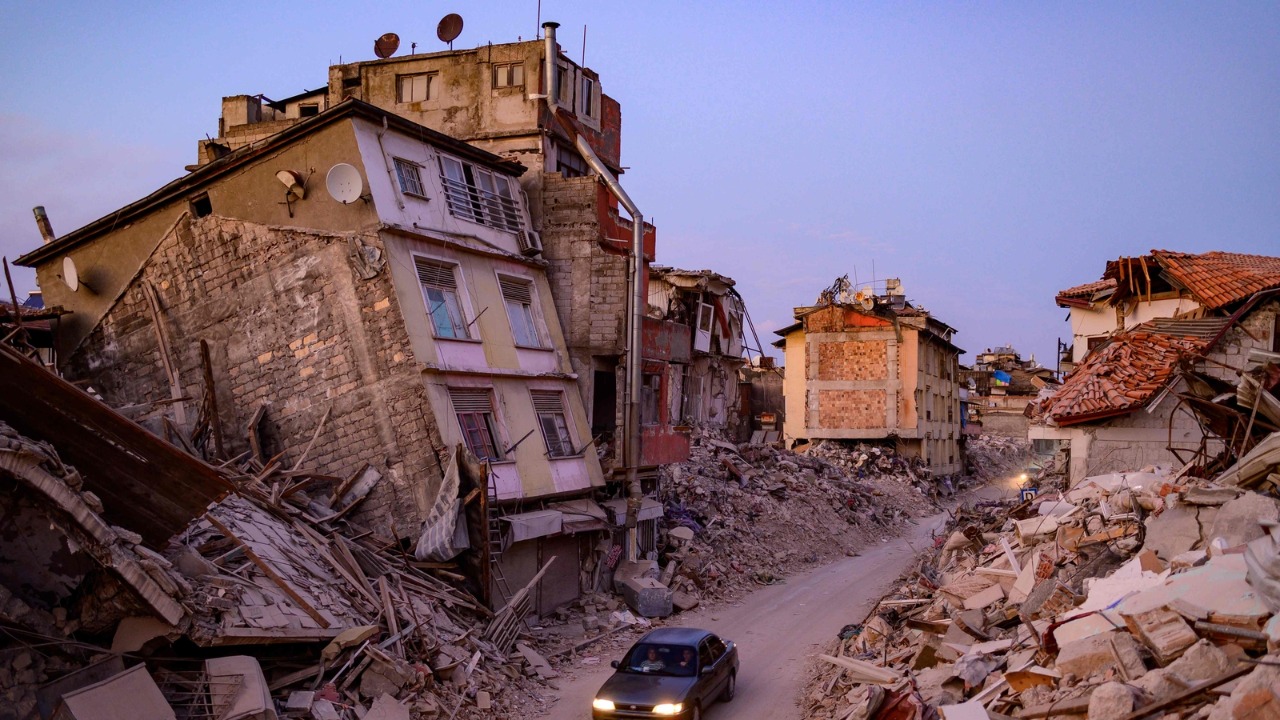
The world is once again turning its gaze toward Turkey. Not for its stunning landscapes or bustling cities, but for the tremor that shook its heartland. On May 15, 2025, a 5.2-magnitude earthquake struck the central province of Konya/Kulu, rattling buildings and nerves. Though initial reports confirm no casualties or major structural damage, the event has sparked serious conversations across the globe.
Turkey Earthquake 2025: What Happened?
At exactly 3:46 p.m. local time, seismic sensors picked up a quake originating at a depth of nearly 19 kilometers. The tremor was felt across nearby provinces and even reached as far as Ankara. Turkish Interior Minister Ali Yerlikaya quickly reassured the public, stating that there was “no negative situation” reported and that emergency teams were conducting field scans.
This event is now being widely referred to in international media as the Turkey earthquake 2025, a term that’s rapidly climbing global search trends, particularly under the query Turkey earthquake today.
No Immediate Losses, But a Lingering Unease
While the Turkey earthquake death toll remains at zero, the emotional and political aftershocks might prove far more significant. Earthquakes are not uncommon in this part of the world, but their timing can sometimes appear to carry symbolic weight. This quake came just hours after a critical diplomatic meeting between Ukrainian President Volodymyr Zelensky and Turkish President Recep Tayyip Erdoğan.
Peace Talks Turkey: Is Nature Sending a Message?
The meeting in Ankara aimed to discuss pathways to peace between Ukraine and Russia, with Istanbul set to host further negotiations. Just as talks concluded, the quake hit. Could this be interpreted as an omen?
Many theologians and spiritual thinkers suggest that natural events often reflect human conflicts. Websites like “Revelation Central” have commented that earthquakes are among the most dramatic expressions of sudden divine judgment. While this might not align with scientific thinking, it does echo the sentiments of those who view recent geopolitical tensions with deep spiritual concern.
A Curious Coincidence
As peace talks in Turkey are tentatively underway, it’s hard to ignore how this seismic event intersects with global politics. Some wonder whether it’s a cosmic warning or merely coincidence. Regardless, the symbolic timing is difficult to dismiss.
Earthquakes in Turkey: A Historical Context
Turkey lies in one of the world’s most active seismic zones. The North Anatolian Fault has produced devastating quakes in the past, including the deadly 1999 Izmit earthquake. Over the years, both urban centers and rural areas have suffered immense damage from quakes far stronger than the one that occurred in Konya.
However, what makes this recent event unique isn’t its strength but its political and emotional context. The Turkey earthquake 2025 may have been mild in physical terms, but it’s shaking up conversations on resilience, diplomacy, and preparedness.
Human Readiness vs. Natural Unpredictability
One of the reasons why earthquakes cause so much anxiety is their unpredictability. Unlike hurricanes or floods, there’s no alert system to prepare the public. The earth shakes without warning, reminding humans of their fragility.
Turkey has made considerable progress in emergency preparedness. The Turkish Disaster and Emergency Management Authority (AFAD) responded swiftly, conducting field checks and issuing real-time updates. But as we’ve seen in past quakes, it’s not always enough.
What Americans Need to Know
For people in the United States, particularly those on the West Coast who live near fault lines, the Turkey earthquake today is more than distant news. It’s a reminder to review emergency plans, restock survival kits, and remain informed.
Events like these emphasize the global nature of seismic risks. Earthquakes don’t recognize borders, and lessons from one country can save lives in another.
How This Affects Turkey’s Global Role
In recent years, Turkey has played an increasingly central role in global diplomacy. Its geographic and political position places it at the crossroads of East and West. The peace talks Turkey is hosting are a reflection of this, and any disruption, even a natural one, can shift international perceptions.
Could this earthquake influence upcoming peace discussions? It’s hard to say definitively. But it adds another layer of urgency and complexity to an already sensitive process.
The Road Ahead
So far, Turkey has shown strength and preparedness in response to the recent tremor. Authorities acted quickly, and no casualties have been reported. However, the Turkey earthquake 2025 serves as a critical reminder: resilience must go beyond infrastructure. It must also include diplomacy, community awareness, and international cooperation.
If peace is to be achieved in the region, both political stability and natural resilience must align. Only then can the tremors, both literal and metaphorical, begin to settle.
For a broader look at regional seismic disasters, including the devastating quake in Southeast Asia, explore the Myanmar earthquake death toll surpassing 3,000.