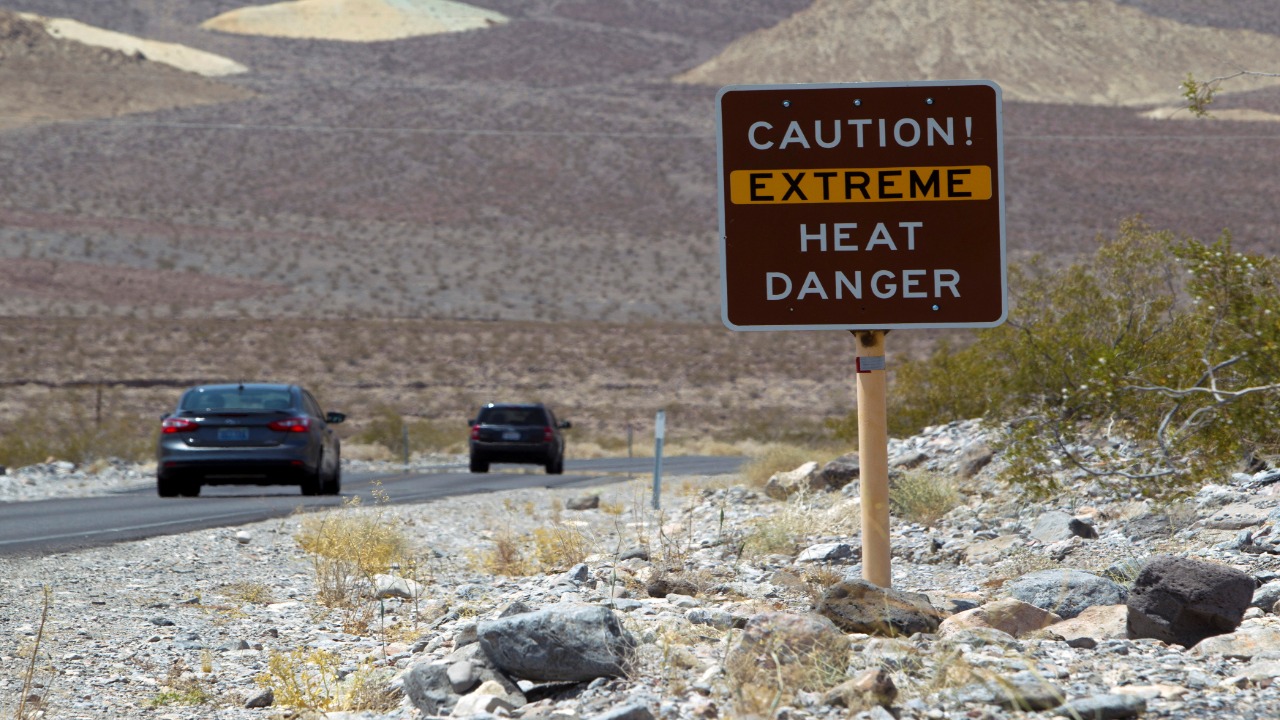
Extreme summer heat is hitting parts of the United States hard, and the National Weather Service (NWS) has issued an Extreme Heat Warning in multiple regions. If you live in or are traveling through California, Arizona, or Nevada, it’s essential to understand what this warning means, and how it can impact your health and daily life.
What Is an Extreme Heat Warning?
An Extreme Heat Warning is issued when high temperatures are expected to reach dangerous levels. According to the NWS, this usually means the heat index (how hot it feels) is forecast to be 105°F or higher for at least two days.
This isn’t just a weather report; it’s a serious alert. High heat can affect your body’s ability to cool itself, making you more vulnerable to heat exhaustion, heatstroke, and other heat-related illnesses.
Where Is the Extreme Heat Warning Today?
As of this week, the Extreme Heat Warning today applies to several parts of the Southwest:
-
Southern California – Especially areas in the inland valleys and deserts
-
Southern Nevada – Including Las Vegas
-
Western Arizona – With temperatures soaring above 110°F
A detailed Extreme Heat Warning map from the NWS shows the affected zones and timing of the alerts. People in these areas are being urged to take precautions, especially the elderly, young children, and those with chronic conditions.
Understanding the Extreme Heat Warning Map
The NWS provides a color-coded Extreme Heat Warning map to help residents identify high-risk zones quickly.
-
Red and dark orange areas signal extreme danger due to high heat and humidity
-
Yellow or light orange areas may be under heat advisories, which are less severe
Check your local forecast and the NWS heat map regularly. The map updates often, especially when new weather models are released.
Why Coffee and Alcohol Are Not Your Friends Right Now
This week, Americans in California, Arizona, and Nevada were given some unusual advice: avoid coffee and alcohol during the heatwave. The NWS in Las Vegas shared a “Do & Don’t” graphic warning residents to skip caffeinated drinks and alcohol during extreme heat.
Here’s why:
-
Alcohol is a diuretic, meaning it makes you lose more fluids than you take in. This can worsen dehydration.
-
Caffeine, in large amounts, can also contribute to fluid loss.
-
Heavy meals slow down digestion and increase body heat.
Lauren Manaker, a registered dietitian-nutritionist, noted that moderate coffee or tea isn’t dangerous, but it’s important to balance it with plenty of water. If you’re drinking your usual cup of coffee, make sure you’re hydrating even more throughout the day.
Excessive Heat Warning in California: A Closer Look
California is experiencing an Excessive Heat Warning, especially in the inland and desert regions. This includes areas like:
-
Palm Springs
-
Inland Empire
-
Death Valley
These places are expected to reach temperatures over 115°F. Residents have been advised to limit outdoor activities, especially from noon to 6 PM, when the sun is strongest. Local authorities are opening cooling centers to help those without air conditioning.
Tips to Stay Safe During an Extreme Heat Warning
Living through an Extreme Heat Warning isn’t just uncomfortable, it can be life-threatening. Here are key ways to protect yourself and your loved ones:
1. Stay Hydrated
Drink water often, even if you don’t feel thirsty. Skip sugary, alcoholic, or heavily caffeinated drinks.
2. Limit Outdoor Activities
Try to stay indoors during peak heat hours. If you must go out, wear light-colored clothing and take breaks in the shade.
3. Use Fans and AC Wisely
Fans help but are not effective when temperatures are above 95°F. Air conditioning is the best way to cool down. Visit public places like malls or libraries if your home lacks AC.
4. Check on Vulnerable People
Check in with neighbors, seniors, and people with health issues. Heat affects them faster and more severely.
5. Don’t Leave Kids or Pets in Cars
Even a few minutes can be deadly. Car interiors heat up much faster than the outside temperature.
Heat-Related Illnesses: Know the Signs
Here’s how to recognize if someone is in danger from the heat:
Heat Exhaustion
-
Heavy sweating
-
Weakness
-
Dizziness
-
Nausea
-
Fainting
What to do: Move them to a cooler place, loosen clothes, and give small sips of water.
Heatstroke (Call 911)
-
High body temperature (103°F or more)
-
Red, hot, dry or damp skin
-
Confusion
-
Loss of consciousness
What to do: Call emergency services immediately. Try to cool them with wet clothes or an ice bath while waiting.
Climate Change and the Rise in Heat Warnings
It’s no coincidence that the number of Extreme Heat Warnings is rising each year. Climate scientists say that global warming is making extreme weather events, including heatwaves, more frequent and intense.
In the past, heat warnings were rare. Now, they’re becoming part of every summer. This makes it even more crucial to stay informed and take these alerts seriously.
Final Thoughts: Stay Cool and Informed
The Extreme Heat Warning today is not just a weather update, it’s a health alert. The heat across states like California, Nevada, and Arizona is breaking records and putting millions at risk.
Use tools like the Extreme Heat Warning map to stay up to date, avoid unnecessary risks, and follow all public health guidance. Whether it’s skipping that cup of coffee or staying indoors during peak hours, small changes can make a big difference.
Extreme temperatures are a growing global threat, with Europe alone seeing up to 175,000 heat-related deaths annually, according to this WHO-backed report.