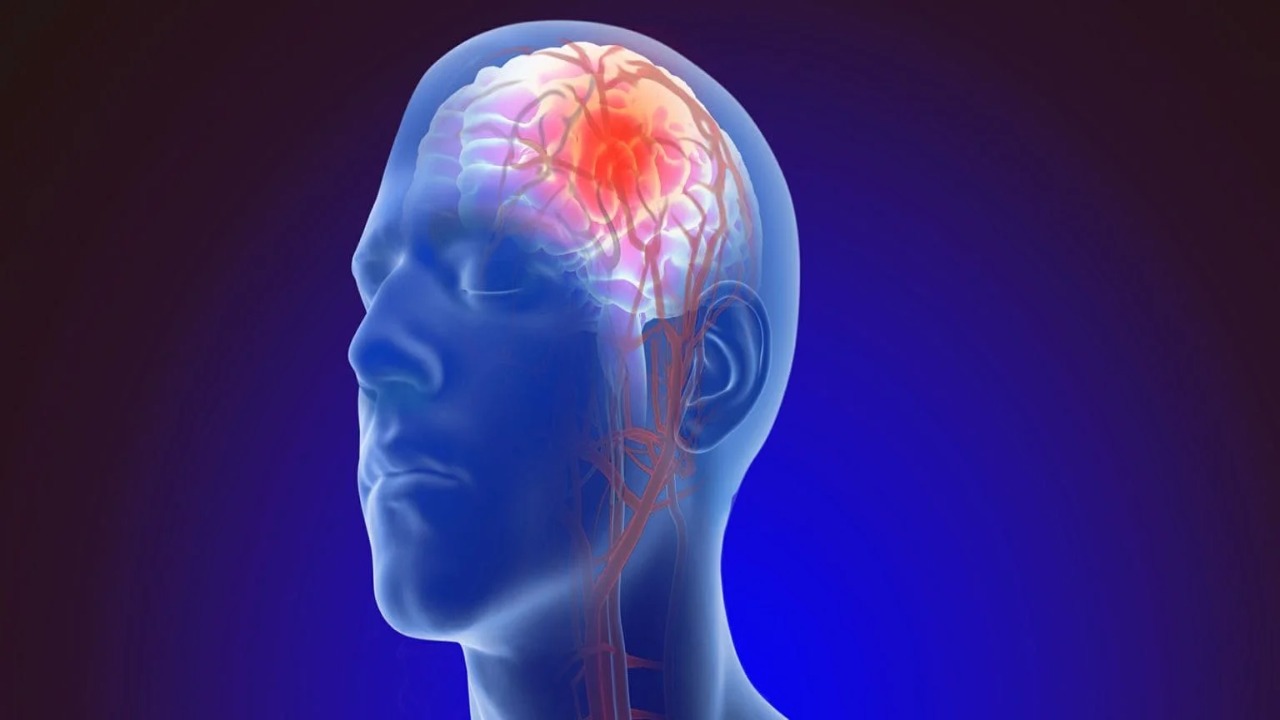
A brain aneurysm might sound scary, and for good reason. It can be a silent risk or a sudden emergency. But with the right knowledge and early action, the dangers can be managed. This easy-to-read guide breaks down what a brain aneurysm really is, the symptoms to watch for, causes, treatment options, and how life can continue after a diagnosis.
What Is a Brain Aneurysm?
A brain aneurysm is a weak spot in a blood vessel in the brain that bulges or balloons out. Imagine a tire with a bubble on the side. That’s how an aneurysm looks and behaves. Most commonly, these form where arteries branch at the base of the brain.
While many aneurysms never rupture, when they do, it can lead to bleeding in the brain, also called a subarachnoid hemorrhage, a life-threatening condition that requires immediate medical care.
What Causes Brain Aneurysm?
Many people ask, “What causes brain aneurysm?” It’s not always one thing, several factors can come into play:
-
High Blood Pressure (Hypertension): This puts stress on artery walls.
-
Smoking: Nicotine damages blood vessels and raises the risk of rupture.
-
Genetics: Family history plays a role, some people are born with weak vessels.
-
Connective Tissue Disorders: Conditions like Ehlers-Danlos syndrome can weaken vessel walls.
-
Polycystic Kidney Disease: A surprising link, but one that increases the risk.
-
Infections: In rare cases, infections may damage vessels and create aneurysms.
These risk factors don’t always cause a brain aneurysm, but they can make one more likely.
Early Symptoms of Brain Aneurysm
Most unruptured aneurysms don’t show symptoms. That’s why they’re so dangerous, they can grow silently for years.
But when symptoms do appear, they may include:
-
Pain above or behind one eye
-
Dilated pupil
-
Vision changes
-
Numbness on one side of the face
These are early symptoms of brain aneurysm and should never be ignored. They usually happen when a larger aneurysm presses on nearby nerves.
Actress Emilia Clarke also bravely shared her journey of surviving two brain aneurysms, shedding light on the emotional and physical challenges she faced read her story here.
Brain Aneurysm Symptoms After Rupture
A ruptured brain aneurysm is a medical emergency. The symptoms appear suddenly and severely:
-
A sudden, intense headache (often called “the worst headache of your life”)
-
Nausea and vomiting
-
Loss of consciousness
-
Seizures
-
Drooping eyelids
-
Stiff neck
-
Sensitivity to light
-
Confusion
-
Blurred or double vision
If you notice these signs in yourself or someone else, call emergency services immediately.
Brain Aneurysm Survival Rate
The brain aneurysm survival rate depends on how quickly treatment is received. Roughly 40% of ruptured aneurysms result in death, often within 24 hours. However, with fast emergency care, many people survive and recover.
Unruptured aneurysms have a high survival rate, especially when caught early and monitored or treated appropriately.
Diagnosing a Brain Aneurysm
Doctors use imaging tests to find aneurysms, especially if symptoms suggest a problem:
-
CT Scan or MRI: First steps to check the brain.
-
Cerebral Angiography: A detailed test using dye and X-rays to see arteries.
Doctors also use codes for medical records. For reference, the brain aneurysm ICD 10 code is I67.1 – this helps with insurance, treatment planning, and hospital reporting.
Treatment Options: What Happens Next?
Treatment depends on the size, location, and whether the aneurysm has ruptured:
1. Surgical Clipping
Surgeons place a small metal clip on the neck of the aneurysm to block blood flow. It’s a more invasive but long-lasting fix.
2. Endovascular Coiling
Doctors insert a thin tube into the blood vessel and fill the aneurysm with coils to prevent rupture.
3. Flow Diversion
A newer technique using a device to redirect blood away from the aneurysm, allowing it to heal naturally.
How to Prevent Brain Aneurysm
Preventing a brain aneurysm often means managing the risk factors:
-
Control high blood pressure
-
Quit smoking
-
Eat a heart-healthy diet
-
Exercise regularly
-
Limit alcohol
-
Get regular checkups, especially if you have a family history
These steps aren’t just general health tips, they directly impact blood vessel health and reduce aneurysm risk.
Life After Brain Aneurysm: Life Expectancy and Recovery
Many survivors ask: What’s life after brain aneurysm life expectancy like?
-
Unruptured Aneurysms: Most people live full, normal lives with monitoring or treatment.
-
After Rupture: Recovery can be challenging, with months of rehab, but many go on to regain independence and quality of life.
-
Emotional support, therapy, and family care are just as important as physical healing.
Real-Life Spotlight: Why “Brain Aneurysm” Is in the News Now
Recently, Bollywood actor Salman Khan revealed that he has been dealing with a brain aneurysm, along with related conditions like AVM and trigeminal neuralgia. His story aired on The Great Indian Kapil Show, triggering a worldwide spike in searches and discussions about brain aneurysms, especially in India and among U.S.-based fans.
Public figures speaking out help raise awareness and encourage early screening, which can save lives.
Final Thoughts: Knowledge Can Save Lives
A brain aneurysm doesn’t always come with warning signs, but when it does, it demands urgent attention. The good news? With better understanding, early diagnosis, and improved treatments, people are living longer, fuller lives, even after a rupture.
If anything in this article sounds familiar, don’t wait. Talk to a doctor. Awareness today can mean survival tomorrow.