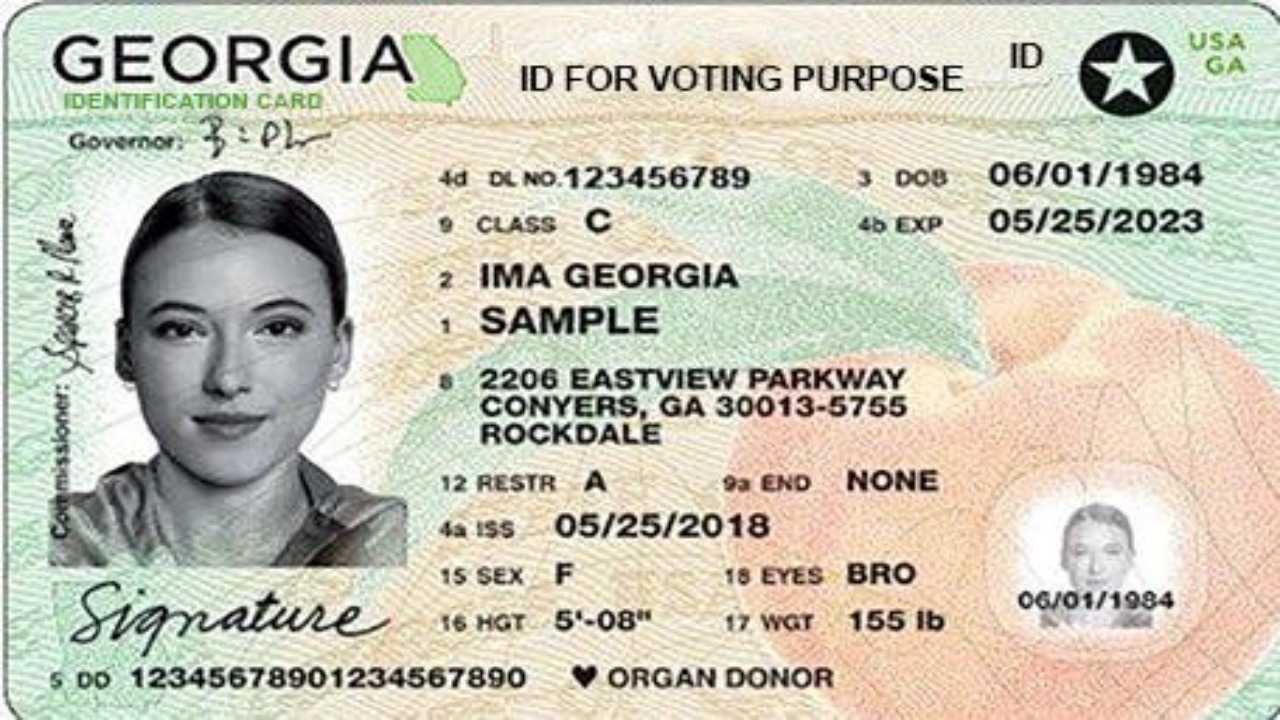
The topic of Voter ID has become a major focus in the United States, especially as local and national elections approach. Whether applying for the first time or trying to understand laws like those in Texas or North Carolina, knowing how to get a voter ID and what laws apply is important for every citizen.
This article offers a clear, easy-to-understand guide on Voter ID, covering how to apply, where laws stand, and why this topic is trending across America.
What Is a Voter ID?
A Voter ID is a government-issued identification used to verify a person’s identity when voting. It helps election officials make sure the person casting a vote is eligible and matches the registration records.
In the United States, the type of ID needed, and whether it’s required at all, depends on the state. Some states accept driver’s licenses, while others issue dedicated voter ID cards.
Voters ID: How to Get One
Wondering “voters id how to get” in your state? The process is usually straightforward:
Step-by-Step Guide:
-
Register to vote – Visit your state’s election website or use vote.gov.
-
Provide ID info – Most states require a driver’s license number or the last four digits of your Social Security number.
-
Apply for a Voter ID card (if required) – States like Texas issue a special Texas voter ID card upon request.
Some states offer online registration, while others require forms by mail or in person.
Texas Voter ID: What to Know
In Texas, voter ID laws are among the strictest in the country. If you’re asking, “When was the Texas voter ID law passed?”, the answer is 2011. However, legal changes and updates have happened since.
Accepted IDs in Texas:
-
Texas driver’s license
-
U.S. passport
-
Texas election identification certificate (EIC)
-
U.S. military ID with photo
-
Texas handgun license
-
Citizenship certificate with photo
If you don’t have one of these, you can still vote by completing a Reasonable Impediment Declaration and presenting a supporting document like a utility bill or paycheck.
To get a Texas voter ID card, visit your local Department of Public Safety office or check the Secretary of State’s website for instructions.
Pros and Cons of Voter ID Laws
The debate on Voter ID laws pros and cons continues across the U.S.
Pros:
-
Prevents voter impersonation
-
Builds trust in elections
-
Encourages up-to-date voter rolls
Cons:
-
May discourage low-income, elderly, or minority voters
-
Adds cost and effort to vote
-
Could lead to rejected ballots due to ID issues
States must balance security with accessibility to protect the right to vote for all citizens.
Voter ID Track Status: Know Where You Stand
Once you’ve applied, you can voter id track status online. Most state election sites offer a lookup tool. Simply enter your name, birth date, and possibly an ID number to see:
-
Registration status
-
ID issuance progress
-
Polling place information
This feature makes it easy to stay informed and make corrections if needed.
How to Do a Voter ID Card Check Online
Performing a Voter ID card check online is easy in many states. Visit your local or state election website and use the “Am I Registered?” tool. You’ll get access to:
-
Your voter ID number
-
Registered address
-
Assigned voting districts
-
Election dates
Make sure all details are correct well before election day.
North Carolina’s Voter ID Update: What’s New in 2025?
A recent decision by the North Carolina State Board of Elections has brought fresh attention to Voter ID laws. Nearly 98,000 North Carolinians who registered to vote after the Help America Vote Act (HAVA) of 2004 took effect are missing required identity details like a driver’s license number or Social Security digits.
What’s the New Plan?
-
Mail Notification: Affected voters will receive letters asking for missing information.
-
Provisional Voting: Voters without updated info can still vote, but only provisionally, until records are corrected.
-
Database Updates: All 100 counties will verify voter information and fix registration dates where needed.
Why This Matters
These changes help bring North Carolina into full compliance with federal law, making elections more secure while giving voters a clear path to fix errors.
As Sam Hayes, Executive Director of the Board, explained, “We are making this process as simple and straightforward as possible.”
Voter ID Download PDF: A Handy Option
Many election offices offer forms and info sheets in PDF format. If you’re looking for Voter ID download PDF, head to your state’s election site or search “[State] voter ID form PDF.” You’ll find:
-
Application forms
-
Info sheets on ID requirements
-
Voting day instructions
Save or print these PDFs to prepare ahead of time.
Voter ID Laws Across States: A Quick Overview
|
State |
ID Required |
Notes |
|
Texas |
Yes |
Strict ID rules; EIC available |
|
California |
No |
ID not required for regular voting |
|
Georgia |
Yes |
Accepts state and federal IDs |
|
New York |
No |
First-time voters may need proof |
|
North Carolina |
Yes (as of 2023) |
Now enforcing ID laws |
Always double-check with your local election board as laws can change based on court rulings or legislative updates.
What About International Voter Lists?
Interestingly, some searchers are also interested in NADRA voter list check online, which applies to Pakistan’s national identity and election system. While not relevant for U.S. elections, it reflects a global interest in voter registration and digital ID systems.
Final Thoughts: Why Voter ID Matters in 2025
The Voter ID issue isn’t just about laws and paperwork, it’s about protecting democracy. Whether ensuring voter integrity in Texas or correcting registration data in North Carolina, the U.S. continues to evolve how it handles voting access and security.
By understanding how to get a voters ID, checking online status, and staying updated on your state’s rules, you help make elections smoother for everyone.
Read More: Eden Blackman: A Look Back at His Life, Career & Impacts