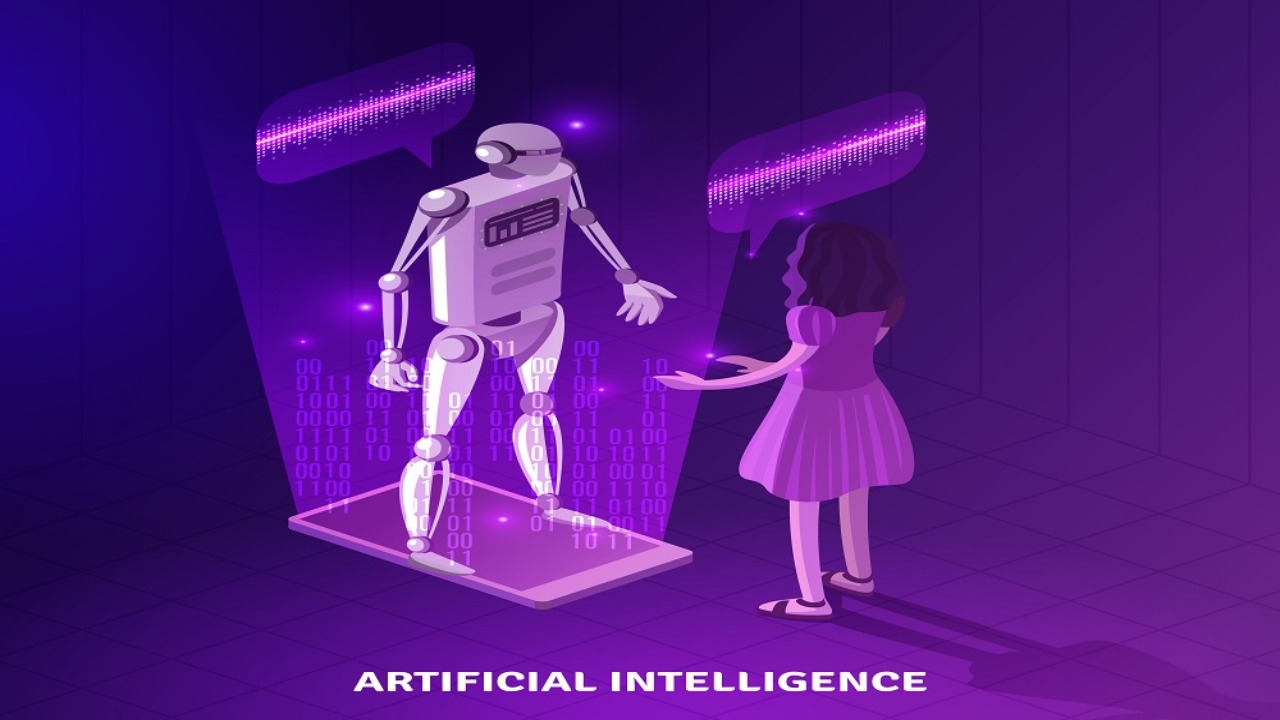
AI for human life refers to the application of artificial intelligence technologies to improve the well-being, safety, and quality of life for individuals and communities. It’s not just about machines or automation, it’s about using smart systems to solve real human problems. From helping doctors detect diseases early to aiding disaster response teams in saving lives, AI is increasingly becoming a life partner rather than just a tech buzzword.
Why AI Matters in Everyday Human Life
Artificial intelligence isn’t something reserved for tech companies anymore. Today, it’s in smartphones, smart homes, hospitals, and even farms. The best AI for human life is found in systems that actively enhance human capabilities. Think of AI that can detect heart attacks before they happen or systems that guide rescue teams in real-time during emergencies.
AI makes sense of massive data streams and provides fast, fact-based decisions, something no human can do alone, especially under pressure.
Will AI Take Over Humanity?
It’s a common question: Will AI take over humanity? The short answer is no, at least not in the way most sci-fi movies suggest.
AI doesn’t have consciousness or intent. It doesn’t want power or control. It does what it’s trained to do. The real concern isn’t about machines dominating people, but rather about how we humans choose to design and manage AI.
The focus now is on ethical AI, systems that are transparent, fair, and governed properly. Building trust in AI starts with knowing where the data comes from and how it’s used. That’s why concepts like data lineage and compliance are becoming priorities in all serious AI projects.
Real-World Success: Saving Lives with AI
A powerful AI for human life example comes from Cloudera, which partnered with humanitarian organization Mercy Corps to create a life-saving AI tool.
The tool, known as Methods Matcher, runs on cloud-based NVIDIA AI tech and helps first responders during crises. Rather than spending hours planning a disaster response, teams can access data-driven solutions in seconds.
This isn’t just about speed, it’s about better outcomes. Natural disasters caused about $250 billion in damages globally in 2023 alone. Fast, accurate decisions can reduce this toll dramatically.
This system isn’t just for disaster zones. It has implications for other areas like fraud prevention, cyber defense, and emergency healthcare. Cloudera’s Keir Garrett calls this “reducing the cognitive load”, letting AI handle the data so humans can focus on action.
The Shift from Pocket AI to Purposeful AI
During the Gartner Data & Analytics Summit in June 2025, nearly all attendees admitted they were working on GenAI projects. But when asked if they felt confident in those projects, very few raised their hands.
Why? Because many early AI efforts were “pocket AI” experiments, small and sometimes misinformed tools that didn’t always deliver consistent results.
Now, organizations are waking up to the importance of data quality and governance. If bad data trains an AI model, the decisions it makes could be flawed, or even dangerous.
To counter this, companies are using frameworks like Retrieval Augmented Generation (RAG). This technology helps AI stick to verified facts, reducing hallucinations and increasing accuracy. RAG lets models update themselves with real-time data, keeping decisions grounded and reliable.
Hybrid AI and the Future of Real-Time Decision Making
AI for human life is only as good as the data it works with. And data today is messy, it comes from phones, sensors, social media, and even outdated databases.
This is where hybrid AI systems come into play. These systems can operate across cloud platforms, local networks, and even edge devices like drones or wearable tech. They don’t need to be retrained constantly. Instead, they adapt to new data environments, making them faster and more practical.
The future isn’t about centralized supercomputers. It’s about flexible AI that can work anywhere, anytime, and serve people in the moment they need it most.
Best AI for Human Life: Practical Examples
Here are some more AI for human life examples currently changing lives in the U.S. and beyond:
-
AI in Healthcare: Early detection of cancers, diabetes, and genetic disorders using image recognition and predictive models.
-
AI in Emergency Services: Predicting wildfire spread or flood paths to guide evacuation efforts.
-
AI in Mental Health: Apps that detect emotional stress and connect users to therapists or helplines.
-
AI in Transportation: Helping reduce traffic accidents through real-time data and adaptive driving systems.
These aren’t just innovations, they’re lifelines.
From Crisis Response to Everyday Impact
The Methods Matcher project isn’t a one-off. It shows how scalable and adaptable AI for human life can be when built responsibly. It’s not about replacing humans, but about supporting them.
When AI handles the data crunching and decision analysis, humans can focus on empathy, leadership, and creativity, the things machines will never truly understand.
The right AI systems reduce errors, speed up response times, and help prevent problems before they escalate. Whether it’s in a hospital ER or a wildfire control room, the value is clear.
Final Thoughts: Building a Human-Centered AI Future
So, will AI take over humanity? No. But it will become an essential partner in making human life safer, smarter, and more connected.
The best AI for human life is designed with people at the center. That means strong data governance, real-time adaptability, and ethical frameworks that keep the technology transparent and accountable.
When used correctly, AI doesn’t just serve businesses, it saves lives. And that’s the future worth building. Learn how the government’s bold crackdowns are reshaping accountability in Pakistan’s fight against trafficking in this detailed report.