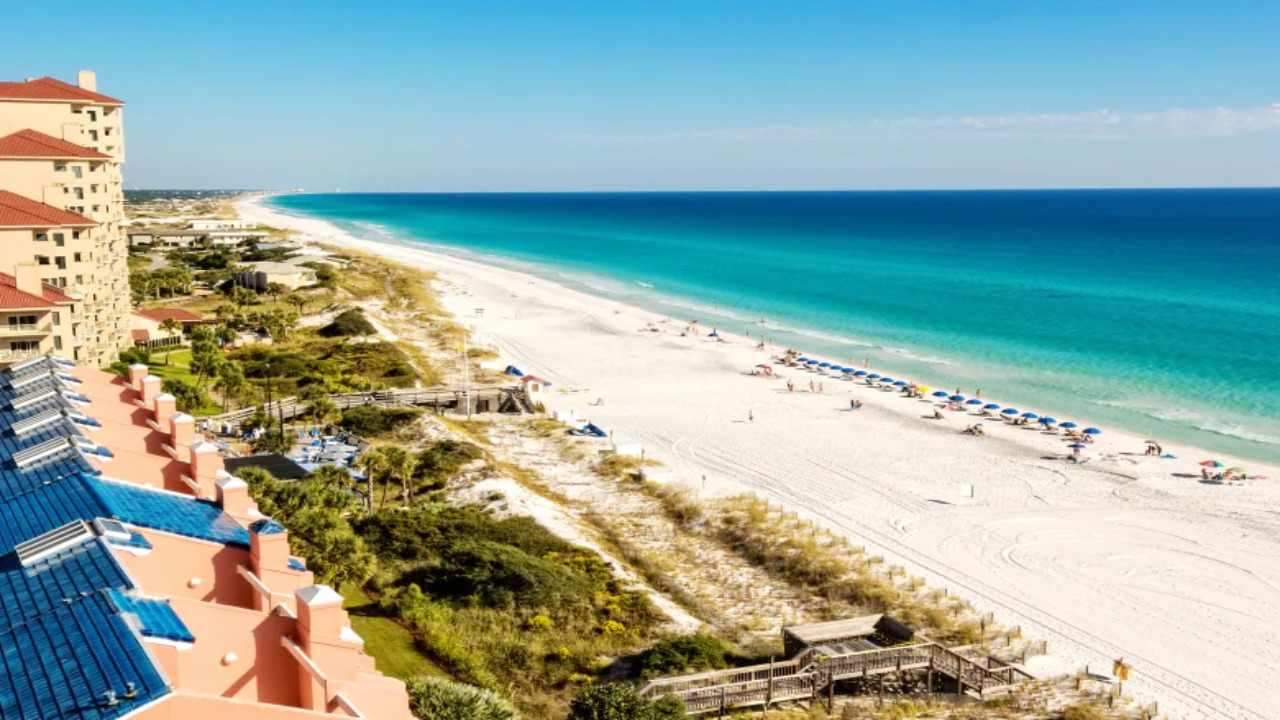
The Gulf of Mexico is not just a large body of water, it’s a crucial part of the American landscape. Covering over 600,000 square miles, this semi-enclosed sea lies nestled between the southern United States, eastern Mexico, and Cuba. Often called the “Gulf of America” due to its importance, it serves as a weather engine, fishing hub, oil resource, and ecological treasure trove. Whether it’s hurricanes brewing offshore or massive oil rigs extracting fossil fuels, the Gulf touches daily life in the U.S. more than many realize.
Is the Gulf of Mexico an Ocean?
A common question floating online is: “Is the Gulf of Mexico an ocean?” The answer is no. It’s a marginal sea, a body of saltwater partially enclosed by land but directly connected to the Atlantic Ocean via the Florida Straits. It behaves like an ocean in many ways, with tides, waves, and currents, but geologically and geographically, it doesn’t meet the full criteria of an ocean.
Why Is Google Changing the Name of the Gulf of Mexico?
Recently, there’s been a buzz surrounding the question: “Why is Google changing the name of the Gulf of Mexico?” While there is no official announcement from Google about a permanent name change, some users have noticed the term “Gulf of America” being suggested in place of the traditional name in certain map searches and AI responses. This has sparked debate online, with theories ranging from cultural branding to geopolitical motives. However, it’s likely just an algorithmic variation rather than an actual renaming campaign.
Who Owns the Gulf of Mexico?
The question “Who owns the Gulf of Mexico?” doesn’t have a simple answer. Several nations share the waters, primarily the United States, Mexico, and Cuba. In the U.S., ownership is divided between state governments (typically within 3 nautical miles of the coast) and the federal government, which oversees the broader Exclusive Economic Zone (EEZ). These boundaries regulate fishing, drilling, and environmental protections. International maritime law further ensures cooperation, especially when it comes to resource extraction and environmental safeguarding.
The Gulf of Mexico Alliance: Protecting a Shared Treasure
The Gulf of Mexico Alliance is a partnership among the five Gulf states, Alabama, Florida, Louisiana, Mississippi, and Texas, that collaborates on ecological conservation, emergency response, and marine research.
Formed in response to growing concerns over habitat degradation and water pollution, the alliance plays a major role in keeping the Gulf’s waters clean and resilient against climate change. Their work spans restoring wetlands, monitoring red tide outbreaks, and promoting hurricane preparedness.
Gulf of Mexico’s Economic Power: Oil, Gas, and Fishing
Beyond its natural beauty, the Gulf of Mexico is an economic lifeline. It’s home to thousands of offshore oil and gas rigs, which supply a significant portion of U.S. domestic energy. The Gulf is also rich in fisheries, producing billions in revenue annually through shrimp, oysters, and snapper harvests. Ports like Houston and New Orleans are central trade hubs, further reinforcing the Gulf’s economic importance.
Breaking News: Tropical Activity Brewing in the Gulf
Weather patterns in the Gulf of Mexico are closely watched, and for good reason. Over the weekend, a tropical depression formed in the southern Gulf waters. The National Hurricane Center announced that Tropical Depression Two developed near Veracruz, Mexico, with wind speeds of 30 mph. A tropical storm warning is active for coastal Mexico from Boca de Catan to Tecolutla.
Another system, Tropical Storm Barry, became the second named storm of the Atlantic hurricane season. It emerged in the Bay of Campeche, with sustained winds of 40 mph. Barry is expected to make landfall on the eastern coast of Mexico, potentially causing life-threatening flooding and mudslides in northeastern regions.
Meanwhile, a separate disturbance in northern Florida holds a 20% chance of developing in the next week. These weather systems highlight the Gulf’s role as a major storm generator, especially during hurricane season, which spans June through November.
Environmental Concerns and Climate Impact
The Gulf of Mexico faces rising threats from climate change, oil spills, and dead zones caused by agricultural runoff. Warmer waters not only intensify hurricanes but also damage coral reefs and disrupt fish populations. The infamous Deepwater Horizon spill in 2010 serves as a stark reminder of what’s at stake when regulations falter.
The Gulf of Mexico Alliance continues to address these issues through restoration projects, emergency drills, and science-based policies. They are especially focused on mitigating storm surge risks and restoring coastal wetlands that act as natural flood buffers.
Cultural and Historical Significance
The Gulf of Mexico has deep roots in American history. It was the site of early European explorations, served as a key route during colonial times, and played a major role in the War of 1812 and World War II shipping operations. Coastal cities like Tampa, Mobile, and Galveston still carry the cultural imprints of Spanish, French, and Native American influences.
Festivals, seafood cuisine, and Gulf-inspired music remain central to the identity of Gulf Coast communities.
Final Thoughts: The Gulf’s Role in America’s Future
From economic power to ecological wonder, the Gulf of Mexico continues to shape American life in countless ways. Whether tracking tropical storms, monitoring fisheries, or safeguarding wetlands, its future affects millions. With the Gulf of Mexico Alliance spearheading conservation efforts and new technologies improving weather prediction, there’s hope for a resilient Gulf that serves both people and the planet.
As curiosity rises over questions like “Is the Gulf of Mexico an ocean?” or “Who owns the Gulf of Mexico?”, it’s clear the region holds more than just water, it holds history, livelihood, and the pulse of a continent.
For more on major aerospace events, read about the SpaceX Starship explosion on the Texas launch pad.