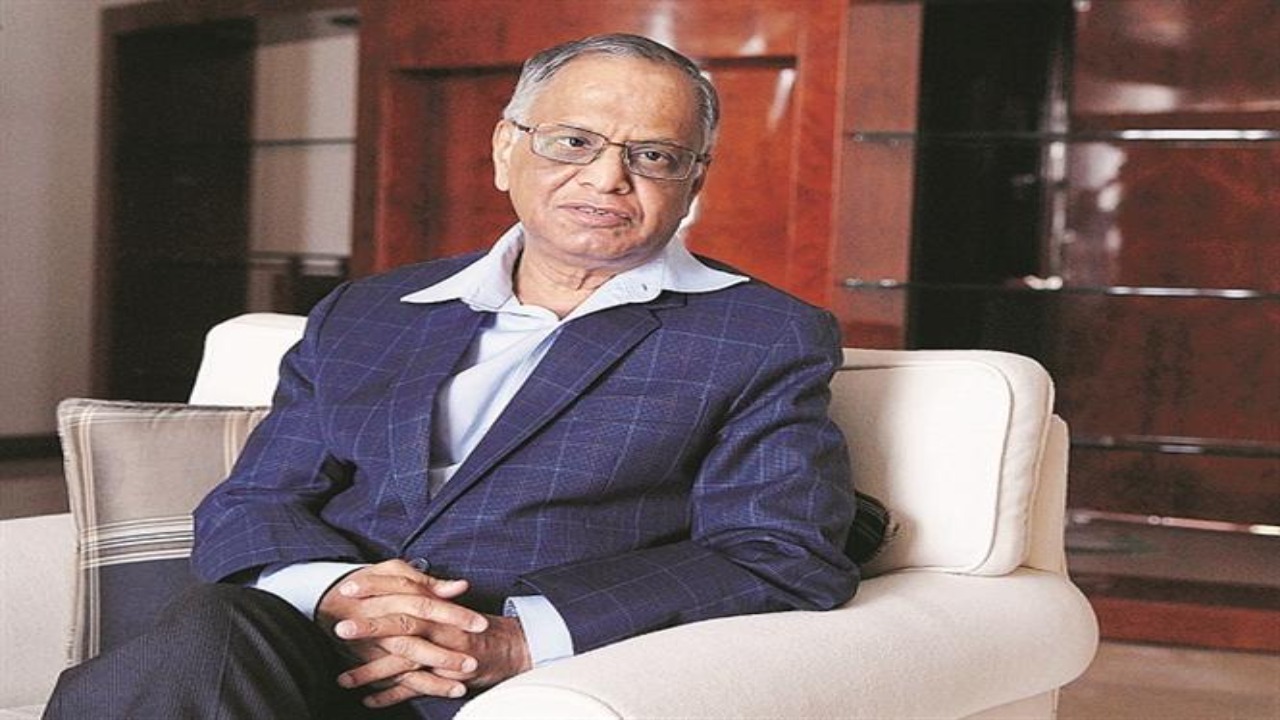
Who Is Narayana Murthy?
Narayana Murthy is one of India’s most respected business leaders and the co-founder of Infosys, a global IT services giant. Known for his deep focus on ethics, innovation, and economic development, N R Narayana Murthy transformed Infosys from a small startup into a globally respected technology firm.
But beyond building a company, his recent commentary on productivity and work ethic has sparked fresh debate, even among the employees of the very company he founded.
Narayana Murthy’s Legacy at Infosys
The story of Infosys Narayana Murthy began in 1981 with just $250. The mission? To build a world-class software services firm from India that could compete with the best across the globe. Over time, Infosys became a symbol of the Indian IT revolution, and Murthy became the face of India’s tech rise.
As CEO (1981–2002) and later as Chairman and Chief Mentor, N R Narayana Murthy emphasized transparency, meritocracy, and corporate governance, values often lacking in the industry during the time. Today, Infosys employs over 300,000 people worldwide and generates billions in annual revenue.
Narayana Murthy Education & Early Influences
The foundation of Murthy’s vision lies in his educational background. Narayana Murthy education includes a degree in Electrical Engineering from the University of Mysore and a Master’s degree from the Indian Institute of Technology (IIT) Kanpur.
During his college years, he was deeply influenced by socialist ideas and public service. But a trip to Eastern Europe under a communist regime changed his thinking, shifting his mindset toward entrepreneurship, capitalism, and building systems that empower people economically.
The 70-Hour Workweek Controversy
In late 2023, Narayana Murthy reignited conversation on work ethics by suggesting that India’s youth should work 70 hours a week to help grow the economy. His rationale was rooted in rebuilding India’s productivity levels and achieving national competitiveness.
While many agreed with his point about commitment and ambition, the comments also sparked backlash over concerns about burnout, mental health, and unrealistic work expectations in today’s fast-paced corporate life.
This led to broader discussions about work-life balance, Narayana Murthy style versus modern workforce values.
Infosys Pushes Back on Overtime Culture
Interestingly, Infosys, the company N R Narayana Murthy helped build, is now implementing internal controls to prevent overtime, even during remote work.
According to reports, Infosys has started tracking remote working hours and encouraging employees not to exceed 9 hours and 15 minutes per day. Those who go beyond receive emails from HR highlighting concerns about long working hours, possible burnout, and their monthly average hours.
This contrast, Narayana Murthy advocating for 70 hours while Infosys promotes healthy work-life boundaries, has sparked public curiosity and corporate introspection. It also highlights the evolving work culture within India’s tech sector, mirroring global sentiments.
Work Life Balance: Narayana Murthy vs Gen Z
The debate on work life balance Narayana Murthy style has exposed a generational divide. Older professionals admire his discipline, drive, and belief in hard work as the path to national growth. However, younger employees, particularly Gen Z and millennials, value flexibility, well-being, and personal time.
Many point out that productivity isn’t just about hours, but about how efficiently one works. With AI, automation, and digital tools available, the focus now is shifting from long hours to smart hours.
While Murthy’s call for commitment was heartfelt, today’s employees seek a more balanced path where output matters more than effort.
Narayana Murthy Net Worth and Recognition
As of 2025, Narayana Murthy net worth is estimated to be around $4.5 billion. Most of his wealth comes from Infosys shares and long-term investments. However, he is also well-known for his philanthropy, modest lifestyle, and commitment to social causes.
He has received numerous honors globally, including the Padma Vibhushan (India’s second-highest civilian award), and honorary doctorates from leading universities such as Harvard, Yale, and the London School of Economics.
Key Insights & Legacy
-
Ethical Leadership: Murthy redefined corporate India by promoting ethical business practices, even when shortcuts were available.
-
Visionary Tech Pioneer: He believed in India’s tech potential long before the global market took it seriously.
-
Cultural Provoker: Whether loved or criticized, his bold opinions still spark national dialogue.
-
Work Debate Starter: The “70-hour workweek” conversation opened doors to real conversations about job stress, purpose, and productivity.
Final Thoughts: A Leader Ahead of His Time
Infosys Narayana Murthy remains a symbol of discipline, long-term vision, and uncompromising integrity. His ideas continue to shape discussions around corporate ethics and national development.
While his 70-hour workweek suggestion raised eyebrows, it also pushed the conversation toward what the future of work should look like, especially in a world where mental health, family time, and life purpose are becoming just as important as salary and success.
The fact that Infosys, his own creation, now champions regulated work hours shows how adaptable even the most traditional companies have become in today’s ever-evolving workplace culture. For people in the USA and around the world looking to understand global leadership, Narayana Murthy offers an unmatched case study in balancing business excellence with personal principles.
For more on influential Indian business leaders, read about the nation’s tribute as India mourns the death of billionaire Ratan Tata here.