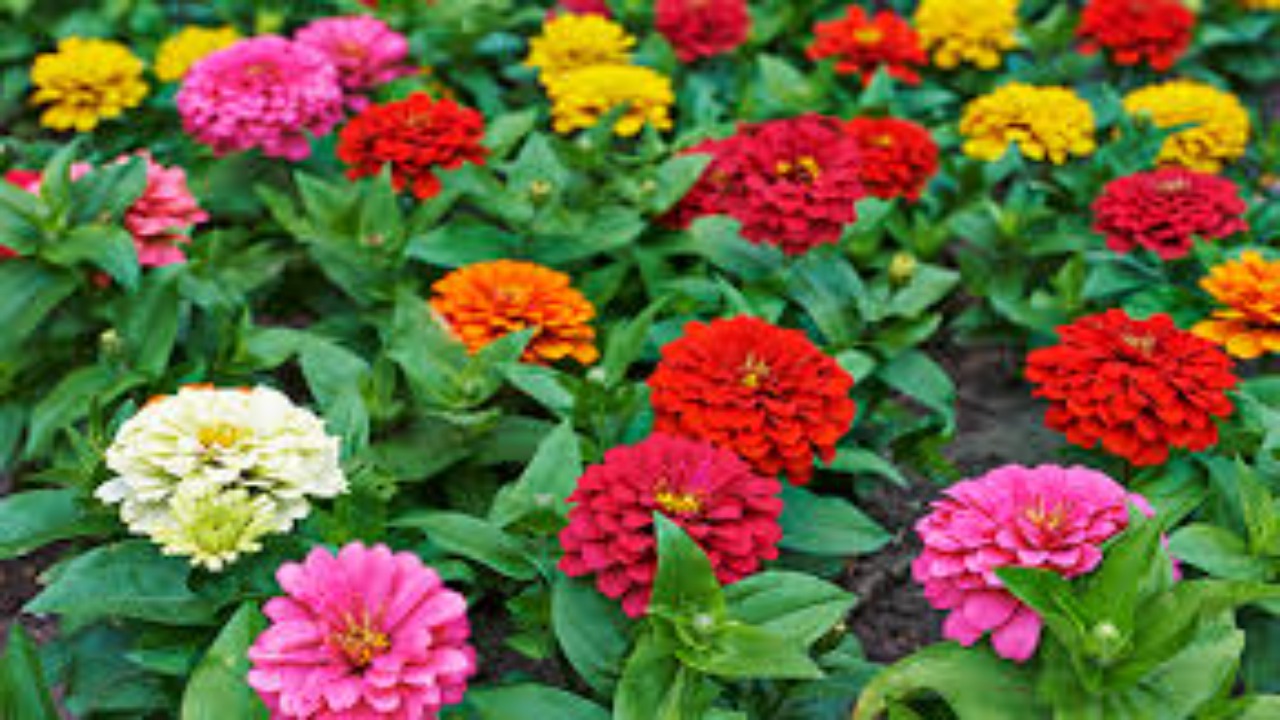
What Are Zinnias? The Summer Garden’s Brightest Star
Zinnias are some of the easiest and most colorful flowers to grow in the summer garden. These annual plants are beloved across the U.S. for their drought tolerance, low maintenance, and brilliant blooms. Whether tucked into a backyard border, grown in containers, or scattered in wildflower beds, zinnias deliver fast and reliable beauty.
The zinnia scientific name is Zinnia elegans, though other varieties like Zinnia angustifolia offer compact, heat-loving options for tighter spaces. Their native habitat includes Mexico, the southwestern United States, and South America, making them naturally tough and perfect for American summers.
Why Gardeners Love Zinnias
Easy to Grow
If there’s a flower that defines low effort, high reward, its zinnias. They grow quickly from seed, even in basic garden soil. Many gardeners simply sprinkle zinnia seeds on sunny patches and water for a few days, seedlings pop up fast, and flowers follow within weeks.
Fast Blooming
When do zinnias bloom? In most U.S. zones, they begin blooming 3–4 weeks after planting and continue until the first frost. No perennial can compete with that speed or the length of the blooming period.
Great for Beginners
Zinnias tolerate poor soil, require minimal fertilizing, and often resist pests and diseases, making them ideal for first-time gardeners and kids.
Zinnias Add Instant Color to Any Garden
Zinnias are available in an incredible range of colors and shapes. From single-petal blooms to dahlia-like domes, they brighten borders, beds, and bouquets.
Some popular varieties include:
-
Benary’s Giant – Tall with large blooms; ideal for cutting.
-
Zahara™ Series – Compact and disease-resistant.
-
Thumbelina – Dwarf-sized, perfect for pots.
-
Zinnia angustifolia – Ground-cover style; great for dry, sunny spots.
Color choices span from hot pinks, reds, oranges, and yellows to softer pastels. The only shade missing from the zinnia palette? Blue.
The Science Behind the Flower
The zinnia scientific name tells a story of resilience and adaptability. Originally found in wild fields, zinnias have been bred over generations into garden staples that resist heat, pests, and mildew.
They also help pollinators: butterflies, bees, and even hummingbirds love zinnias. Their open centers and bold hues act like neon signs to hungry pollinators.
Caring for Zinnias: Tips for Healthy, Vibrant Blooms
Sunlight & Soil
Zinnias crave full sun, at least 6–8 hours a day, and well-drained soil. If you’re planting zinnia seeds, place them directly in the garden after the last frost.
Watering
Zinnias prefer deep watering at the base of the plant. Wet leaves can lead to mildew, especially during humid summers.
What Temperature Will Kill Zinnias?
Zinnias are not frost-hardy. Temperatures below 32°F (0°C) will kill them. Protect them in early spring and late fall if frost threatens.
Deadheading
Removing spent blooms encourages more flowers. Some varieties like Zahara™ are self-cleaning, meaning they drop dead flowers on their own.
Disease Tips
To prevent powdery mildew, avoid overhead watering, space plants properly, and choose disease-resistant varieties like Profusion or Zahara.
Zinnias: Nature’s Hardest-Working Flower
Zinnias aren’t just beautiful, they’re workhorses in the garden. They:
- Shade out weeds
- Require minimal care
- Bounce back after heatwaves
- Keep blooming for months
- Attract butterflies and hummingbirds
Tall types like Benary’s Giant make excellent cut flowers, holding up well in vases and bouquets. For longest vase life, cut stems at an angle and remove excess leaves before placing them in water.
Real-Life Zinnia Wisdom from the Garden
Across the U.S., gardeners turn to zinnias when summer hits hard. Why? Because zinnias work fast and look fantastic doing it.
One gardener in Texas skips soil prep altogether, she sprinkles zinnia seeds in dry patches, waters a bit, and lets nature take over. In days, seedlings emerge, and in just a few weeks, color explodes across the yard.
Another in Illinois pairs Zahara Yellow zinnias with dwarf sunflowers for an entry-bed masterpiece. The plants thrive even when rain threatens disease, thanks to their built-in resistance.
When and How to Collect Zinnia Seeds
Saving seeds ensures you get zinnias year after year. Let some blooms dry on the stem, crush the flower heads gently, and remove the arrowhead-shaped zinnia seeds. Store in a cool, dry place.
Tip: Label envelopes by color and type, it makes spring planting easier and more organized.
How to Use Zinnias in Your Garden Design
Try these creative ideas:
-
Butterfly Border: Combine zinnias with milkweed and coneflowers.
-
Cutting Garden: Plant rows of tall zinnias for fresh summer bouquets.
-
Heat-Tolerant Pots: Mix dwarf zinnias with ornamental grasses.
-
Pollinator Patch: Cluster different heights and colors to attract bees and birds.
Final Thoughts: Why Zinnias Belong in Every American Garden
Zinnias are bold, bright, and built for summer. From fast germination to endless flowering, they outperform many flowers without demanding constant care. Whether you’re a seasoned gardener or just planting your first bed, zinnias offer instant success.
They teach resilience, reward patience, and bring joy with every bloom. For another stunning low-maintenance option, explore the Peace Lily: Easy Indoor Plant Care & Lasting Beauty.