Author: AFP

  • Hezbollah appoints Naim Qassem as successor to Hassan Nasrallah

    Hezbollah appoints Naim Qassem as successor to Hassan Nasrallah

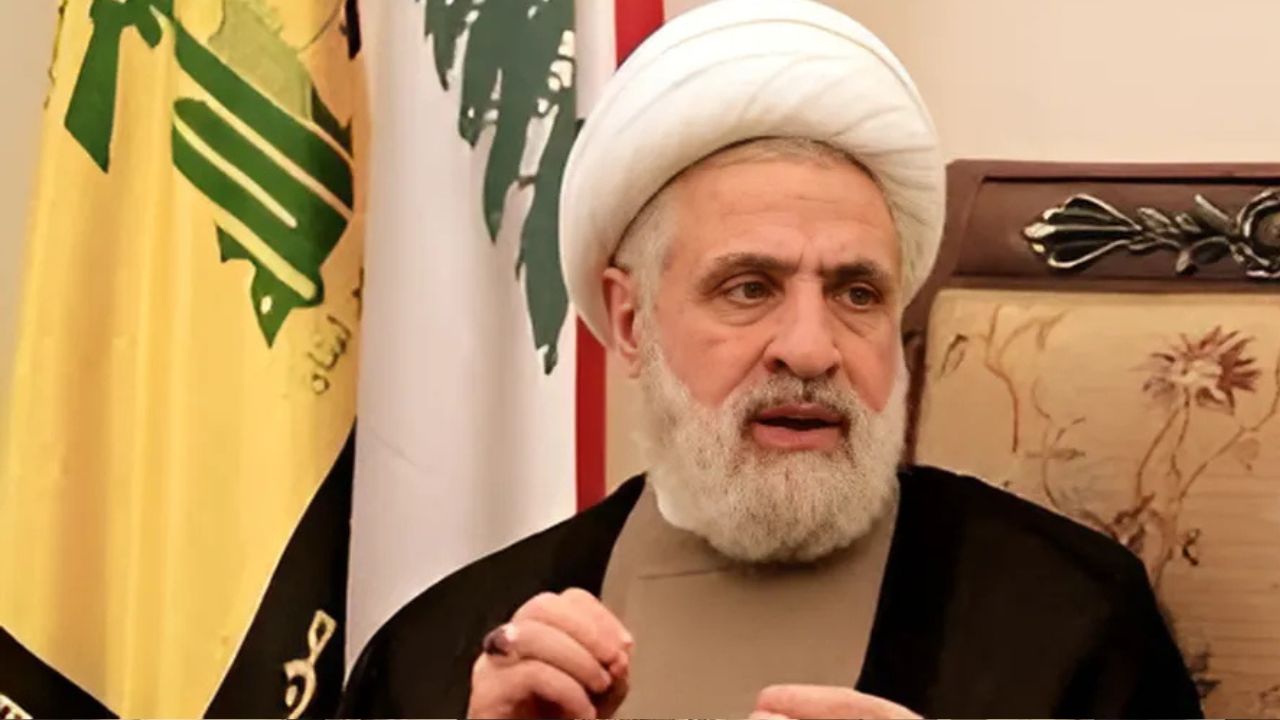
    Lebanon’s Hezbollah movement announced Tuesday it has chosen deputy head Naim Qassem to succeed Hasan Nasrallah as leader after his death in an Israeli strike on south Beirut last month.

    “Hezbollah’s (governing) Shura Council agreed to elect… Sheikh Naim Qassem as secretary general of Hezbollah,” the group said in a statement, more than a month after Nasrallah’s killing.

    Hezbollah pledged to keep “the flame of resistance burning” until victory is achieved against Israel after an all-out war erupted on September 23.

    Qassem was elected by the five-member Shura Council, the group’s main decision-making body, two days before Tuesday’s announcement, a source close to Hezbollah said.

    The source, who spoke on the condition of anonymity because he is not authorised to speak to the press, said a new Shura Council would be elected after the end of the war.

    The council may then opt to elect a new leader or keep Qassem in the top post, the source said.

    Qassem had long operated in the shadows of Nasrallah, a towering leader who was one of the most enigmatic and influential figures in the Middle East.

    Hashem Safieddine, the head of Hezbollah’s executive council, was initially tipped to succeed Nasrallah.

    But he, too, was killed in an Israeli strike on Beirut’s southern suburbs shortly after Nasrallah’s assassination.

    Hezbollah’s Palestinian ally Hamas, whose October 7, 2023 attack on Israel triggered the Gaza war, welcomed Qassem’s election.

    “We consider this election evidence of the party’s recovery from the targeting” of its leaders, Hamas said in a statement, pledging “support for the new leadership”.

    Qassem, 71, was one of Hezbollah’s founders in 1982 and had been the party’s deputy secretary general since 1991, the year before Nasrallah took the helm.

    He was born in Beirut in 1953 to a family from the village of Kfar Fila on the border with Israel.

    He was the most senior Hezbollah official to continue making public appearances after Nasrallah largely went into hiding following the group’s 2006 war with Israel.

    Since Nasrallah’s death in a huge Israeli air strike on September 27, Qassem has made three televised addresses, speaking in more formal Arabic than the colloquial Lebanese favoured by Nasrallah.

    With less charisma and fewer oratorical skills than Nasrallah, Qassem said the group will soon replace its assassinated leader.

    He claimed Hezbollah’s military capabilities were intact and backed efforts by parliament speaker Nabih Berri to broker a ceasefire.

    In his last speech on October 15, Qassem said a ceasefire was the only way Israel could guarantee the return of its residents to the north.

    The Israel-Hezbollah war erupted last month after nearly a year of cross-border fire.

    On September 23, Israel ramped up strikes on Hezbollah strongholds and sent in ground forces while killing one member of the group’s top leadership after another.

    The onslaught has killed more than 1,700 people in Lebanon since September 23, according to an AFP tally of health ministry figures, though the real number is likely higher due to gaps in the data.

    The Israeli military says it has lost 37 soldiers in its Lebanon campaign since it launched ground operations on September 30.
  • ‘Amazing’ AI de-ages Tom Hanks in new film ‘Here’

    ‘Amazing’ AI de-ages Tom Hanks in new film ‘Here’

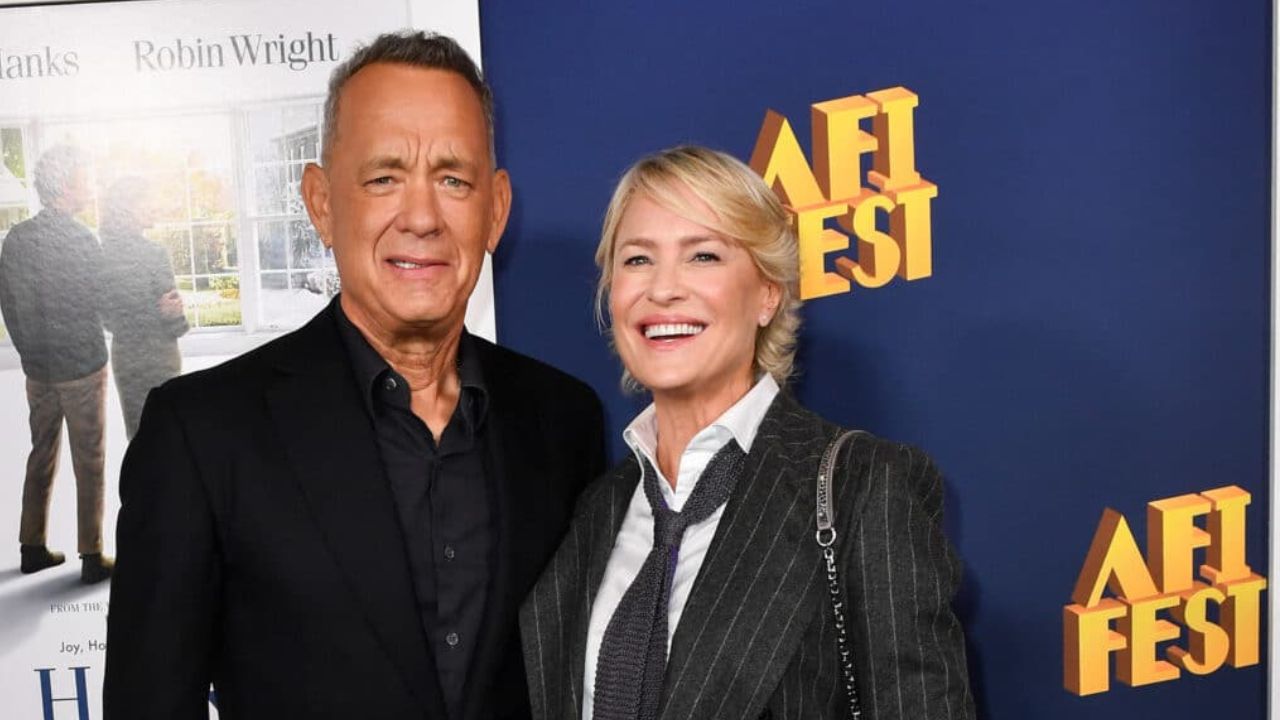
    Tom Hanks has praised the “amazing” use of artificial intelligence to de-age him “in real time” on the set of new movie “Here,” even as he accepted that the technology is causing huge concern in Hollywood.

    “Here,” out in theaters Friday, stars Hanks and Robin Wright as a couple striving to keep their family together through births, marriages, divorces and deaths, across multiple decades and even generations.

    Hanks portrays his character from an idealistic teen, through various stages of youth and middle age, to a frail, elderly man.

    But rather than just relying on makeup, filmmakers teamed up with AI studio Metaphysic on a tool called Metaphysic Live, to rejuvenate and “age up” the actors.

    The technology worked so fast that Hanks was able to immediately watch his “deep-faked” performance after each scene.

    “The thing that is amazing about it is it happened in real time,” said Hanks.

    “We did not have to wait for eight months of post-production. There were two monitors on the set. One was the actual feed from the lens, and the other was just a nanosecond slower, of us ‘deep-faked.’

    “So we could see ourselves in real time, right then and there.”

    The rapidly increasing use of AI in films including “Here” has triggered vast concern in Hollywood, where actors last year went on strike over, among other things, the threat they believe the technology poses to their jobs and industry.

    Hanks acknowledged those fears during a panel discussion with director Robert Zemeckis at last weekend’s AFI Fest in Hollywood, saying a “lot of people” were worried about how it will be used.

    “They took 8 million images of us from the web. They scraped the web for photos of us in every era that we’ve ever been — every event we’ve filmed, every movie still, every family photo that might have existed anywhere,” Hanks explained.

    “And they put that into the box — what is it, ‘deepfake technology,’ whatever you want to call it.”

    – ‘Cinematic’ –

    The use of AI is not the only unusual technological feat in “Here.”

    The film is entirely shot from one static camera, positioned for the most part in the corner of a suburban US home’s living room.

    Viewers occasionally see glimpses of the same geographic space before the house was built, as the action hops back and forth to colonial and pre-colonial times — or even earlier.

    “Here” is based on a graphic novel by Richard McGuire, which uses the same concept.

    “It had to be true to the style of the book, and that’s why it looks the way it does,” Zemeckis told AFP.

    “It worked in levels that I didn’t expect. It’s got a real powerful intimacy to it, and in a wonderful way, it’s very cinematic.”

    But the film’s use of AI has drawn the most attention.

    – ‘Very serious subject’ –

    AI was also at the heart of a very different film at AFI Fest — “Wallace & Gromit: Vengeance Most Fowl,” the latest film for the beloved British stop-motion characters.

    When Wallace constructs a “smart gnome” to take care of chores, his faithful pooch Gromit immediately sniffs danger.

    Once Feathers McGraw — the nefarious penguin introduced to audiences in 1993 short film “The Wrong Trousers” — gets involved, the technology takes a sinister turn.

    AI becomes “the wedge between Wallace and Gromit,” explained co-director Merlin Crossingham.

    “It is a very light touch, although it’s a very serious subject,” he said.

    If “we can trigger some more intellectual conversation from our silly adventure with Wallace and Gromit, then that can’t be a bad thing.”

    The film itself did not use AI.

    “We don’t and we wouldn’t,” said Crossingham, earning hearty applause from the Hollywood crowd.

    “Vengeance Most Fowl” will be broadcast on Christmas Day in the United Kingdom and Ireland, before airing globally on Netflix from January 3.

  • Argentine police raid hotel where Liam Payne fell to death

    Argentine police raid hotel where Liam Payne fell to death

    Argentine police raided on Wednesday the Buenos Aires hotel where former One Direction star Liam Payne died after falling from his third-floor balcony, a police source told AFP.

    Police officers from the special investigations and technology divisions were sent to the Casa Sur Hotel by the prosecutor’s office “to seize elements of interest for the investigation,” said a police source who asked not to be identified.

    Television images showed a handful of agents working on computers at the lobby counter.

    The 31-year-old British pop singer was found dead after staff called emergency services twice to report a guest “overwhelmed by drugs and alcohol” was “destroying” a hotel room.

    He had spoken publicly about struggles with substance abuse and coping with fame from an early age.

    Wednesday’s raid came a day after the Argentine prosecutor’s office met with the musician’s father, Geoff Payne, and assured him that his son’s toxicology studies had not been released by that institution.

    US media reported on Monday that Payne had a cocktail of drugs in his system when he died.

    ABC and TMZ said “pink cocaine” — containing methamphetamine, ketamine and MDMA — had been found during a partial autopsy, citing anonymous sources familiar with the preliminary tests.

    The prosecutor’s office said it had not “disclosed any specific technical report outside the exclusive framework of the investigation and the judicial process corresponding to the case.”

    Although there is no stipulated deadline for the results of the toxicological analyses, an official from the Public Prosecutor’s Office told AFP that they could be concluded this week.

    Investigators were examining cell phones, computers, photographs and videos from security cameras, and have taken “numerous witness statements to reconstruct the victim’s final hours and the scene of the events,” the public prosecutor’s office said.

    Post-mortem results indicated that the 31-year-old was alone at the time of the fall and “was going through an episode of substance abuse,” prosecutors have said.

    One of the highest-grossing live acts in the world, One Direction went on indefinite hiatus in 2016. Payne went on to enjoy solo success.

  • Pakistani among seven beheaded in Saudi Arabia

    Pakistani among seven beheaded in Saudi Arabia

    Saudi Arabia executed seven people on Wednesday, including five for drug trafficking, the official Saudi Press Agency (SPA) said.

    The deaths brought the total number of executions carried out this year in the Gulf kingdom to 236, according to an AFP tally based on official statements.

    Yahya Lutfullah, Ali Azib, Ahmed Ali and Salem Nahari were executed in the southern province of Asir for “smuggling hashish” into the country, the interior ministry said in a statement published by SPA.

    The report said all four were Yemeni citizens.

    Also on Wednesday, the same source announced the execution of a Pakistani man for drug trafficking, bringing the number of people executed in the kingdom for that crime this year to 71.

    Saudi Arabia has become a major market for captagon, an addictive amphetamine drug flooding in from war-torn Syria and Lebanon.

    Saudi authorities launched a high-profile anti-drug campaign last year, leading to a spate of raids and arrests.

    Executions of drug traffickers have been increasing since a moratorium on the death penalty for drug cases ended two years ago.

    The interior ministry also announced the execution of two Saudis for murder on Wednesday.

    Saudi Arabia executed the third highest number of prisoners in the world after China and Iran in 2023, according to Amnesty International, which began recording the annual figures in 1990.

    Riyadh’s use of the death penalty has been criticised numerous times, with rights groups saying it is excessive and out of step with the kingdom’s efforts to present a more modern image on the world stage.

    Riyadh has previously said that the death penalty is necessary to “maintain public order” and sentences are only carried out if “the defendants have exhausted all levels of litigation”.

  • Taliban government welcomes Muhammad Ali’s ex-wife

    Taliban government welcomes Muhammad Ali’s ex-wife

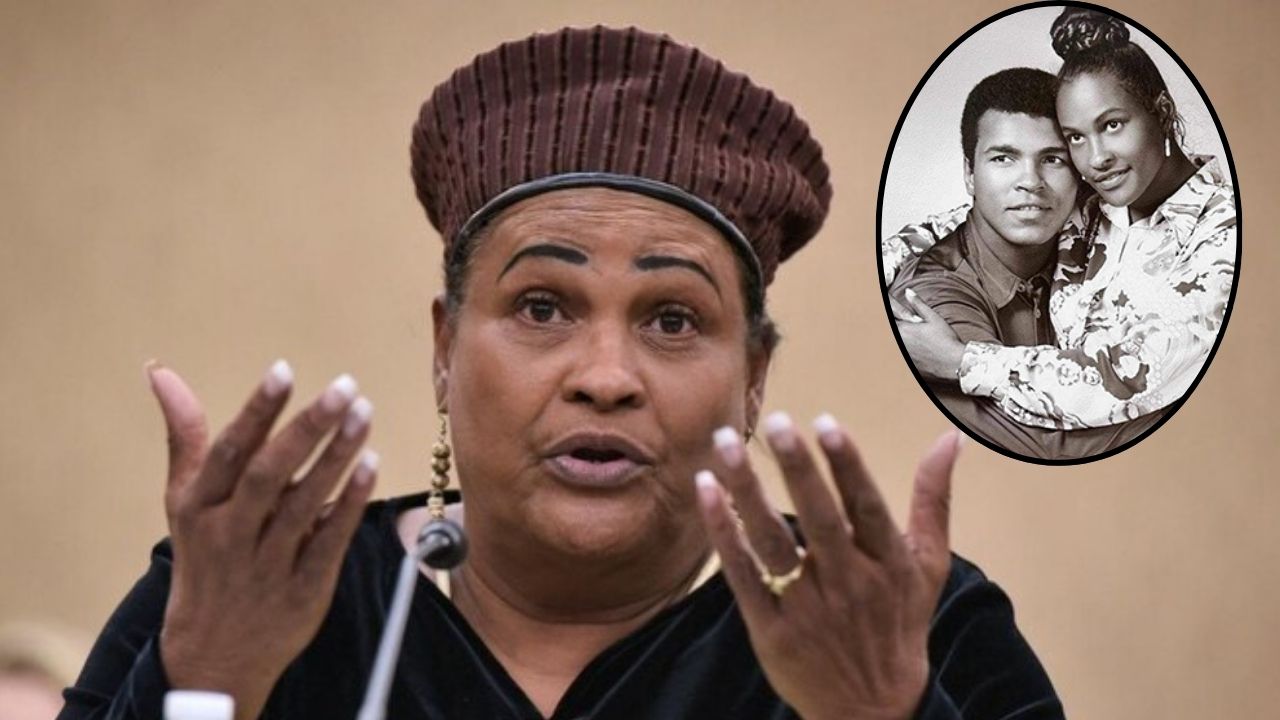
    A former wife of legendary US boxer Muhammad Ali arrived in the Afghan capital, a Taliban government official said Friday, to reportedly open a stadium in a country where women are barred from sports.

    The head of the Taliban government’s sports directorate, Ahmadullah Wasiq, told AFP that Khalilah Camacho-Ali, who was married to the boxer for a decade from 1967, had arrived in Kabul.

    State media cited the directorate as saying she was in the city “to build a sports stadium to be named ‘Pirozi’ (victory in Dari) and a sports association named after Muhammad Ali”.

    Born Belinda Boyd in 1950 in the United States, Camacho-Ali, like her world champion boxer ex-husband, converted to Islam after they married.

    Muhammad Ali himself visited Kabul in 2002, a year after the US forces overthrew the first Taliban government, visiting a girls’ school in his role as a United Nations peace ambassador.

    Since the Taliban government came to power in Afghanistan in 2021, they have imposed a strict interpretation of Islamic law, with women bearing the brunt of restrictions the United Nations have called “gender apartheid”, including blocking women from participating in sports.

    During the Taliban’s first rule from 1996 to 2001, public executions in sports stadiums were common.

    Public corporal punishment has continued since their return to power and at least two public executions have been held in a sports stadium.

    The authorities have recently set restrictions on combat sports as well, saying free fighting such as in Mixed Martial Arts was un-Islamic.

    Camacho-Ali is a martial artist, as well as an actress and author, according to her website.

    Ali was born Cassius Clay in the southeastern state of Kentucky and is known as both a sporting great and for his role in fighting for civil rights for African Americans. He died in 2016.

  • Ariana Grande concert attack survivors win UK harassment case

    Ariana Grande concert attack survivors win UK harassment case

    Two survivors of a deadly 2017 suicide attack on an Ariana Grande concert in northern England in 2017 won a harassment claim on Wednesday against a former television producer who claims the attack was a hoax.

    Martin Hibbert and his daughter Eve sued Richard Hall for harassment and data protection breaches over his assertions in several videos and a book that the attack at the Manchester Arena, which killed 22 people, was staged.

    The pair suffered life-changing injuries in the attack, carried out by an Islamist extremist in May 2017, which also left some 100 others injured.

    Martin Hibbert was paralysed from the waist down while his daughter Eve, who was aged 14 at the time, suffered a traumatic brain injury.

    Hall has claimed his actions — which have included an incident of filming Eve Hibbert outside her home — were in the public interest and that “millions of people have bought a lie” about the attack.

    Described as an independent journalist and broadcaster, the High Court in London noted he had claimed “elements within the state and involving ordinary citizens (including the claimants)” participated in the “deception”.

    He has maintained they performed as “crisis actors” and that “no one was injured or died”, the court said.

    In a 63-page judgment, judge Karen Steyn ruled Hall had harassed the Hibberts with his “false narrative” but opted not to decide the data protection claim at this stage.

    Steyn said Hall had “abused media freedom” to make his claims for “commercial gain… sufficient to enable him to continue his work”.

    “Over a period of years, he has repeatedly published false allegations, based on the flimsiest of analytical techniques, and dismissing the obvious, tragic reality to which so many ordinary people have attested,” the judge wrote.

    “All of this conduct has a natural tendency to cause serious distress, especially when those targeted are vulnerable.”

    She will invite lawyers from both sides to make “further submissions” before deciding on appropriate “relief”, as well as on the data protection claim.

    The suicide attack, as concert-goers were leaving the show at the Manchester Arena in northwest England, was carried out by 22-year-old Salman Abedi, who was from Manchester but of Libyan descent.

    Inspired by the Islamic State group, he used a homemade shrapnel bomb to target crowds of mostly young people who had been attending the concert by the US pop star, as well as parents who had come to pick up their children.

  • Erdogan’s rival Turkish cleric Fethullah Gulen dies in exile

    Erdogan’s rival Turkish cleric Fethullah Gulen dies in exile

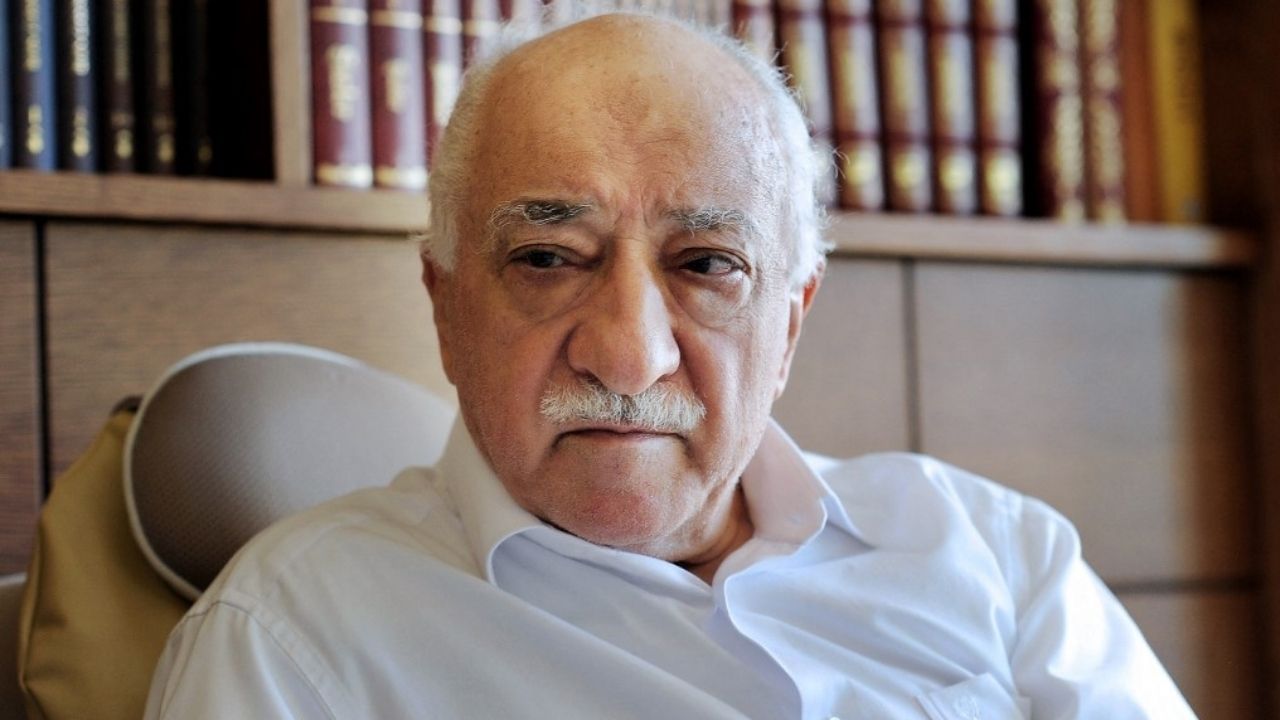
    US-based Muslim cleric Fethullah Gulen, who was accused by Ankara of organising a failed 2016 coup, has died in exile in the United States aged 83, his movement and the Turkish government said Monday.

    Turkish-born Gulen, who had lived in the United States since 1999, was once a close ally of Turkish President Recep Tayyip Erdogan before the two became bitter enemies.

    “Our intelligence sources confirm the death of the leader of the FETO organisation,” Foreign Minister Hakan Fidan told a press conference, using Turkey’s term for Gulen’s once-influential Hizmet movement.

    Turkey’s TRT public television said the preacher, who had lived in Pennsylvania for a quarter of a century and was stripped of his Turkish nationality in 2017, died in hospital overnight.

    In a message on X, Gulen’s website Herkul, which is banned in Turkey, said he died on “October 20”, pledging to share details about his funeral.

    Gulen moved to Pennsylvania in 1999, ostensibly for health reasons, and from there he ran Hizmet which, at the time, had a sprawling network of public schools on every continent.

    In 2013 he had a major falling out with Erdogan and three years later the Turkish strongman accused him of plotting to overthrow him, dubbing Hizmet “the Fethullah Terror Organisation” (FETO).

    Some 250 people died on July 15, 2016 when a rogue military faction tried to overthrow Turkey’s government using warplanes and tanks, with Erdogan blaming Gulen supporters within the military.

    “This organisation has become a threat rarely seen in the history of our nation,” Fidan said, accusing its followers of “being used as a weapon against their own country”.

    Despite Gulen’s death, Turkey would continue “the fight against this organisation, which poses a national security problem”, Justice Minister Yilmaz Tunc wrote on X.

    Once an ally who helped Erdogan when he became prime minister in the early 2000s, Gulen’s ties with him became strained in 2010.

    Three years later, Gulen became persona non grata when a corruption scandal engulfed the Turkish premier’s inner circle.

    Erdogan blamed Gulen, and later began accusing him of terror links although the preacher repeatedly insisted his movement was merely a network of charitable and business institutions.

    Things worsened after the coup, with the authorities prosecuting more than 700,000 people and handing a life sentence to some 3,000 Gulen followers for their alleged involvement in the putsch.

    Bayram Balci, a researcher at the Paris Institute of Political Studies (Sciences-Po) told AFP the death of the once-charismatic preacher would have little impact in Turkey.

    “Since the break with Erdogan in 2010 and especially after the attempted coup in 2016, Gulen’s image has been very bad. Few people hold him in high esteem,” he told AFP.

    There was no chance Ankara would allow Gulen’s body to be repatriated for burial, and he would likely be buried near his home in Pennsylvania, he said.

    Hizmet is “no longer the big movement that it once was” with its influence much reduced and its vast network of schools now only mainly operating in Germany, the United States, Nigeria and South Africa.

    Turkey still regularly rounds up Gulen followers and demands their extradition from countries where his network is active.

    Turkish security sources quoted by the private NTV broadcaster said very few people were expected to attend Gulen’s funeral and that his body would likely be buried in the US at a location which would be kept secret.

  • Fans gather to mourn Liam Payne’s death at UK and other vigils 

    Fans gather to mourn Liam Payne’s death at UK and other vigils 

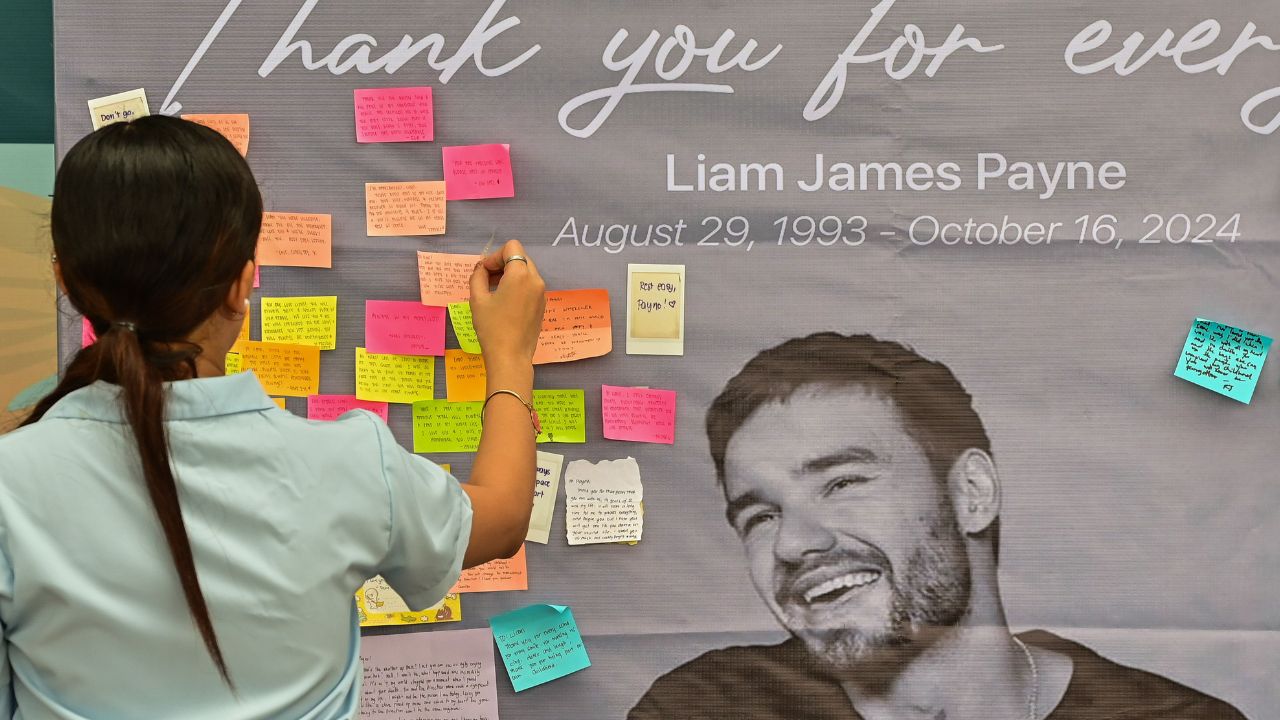
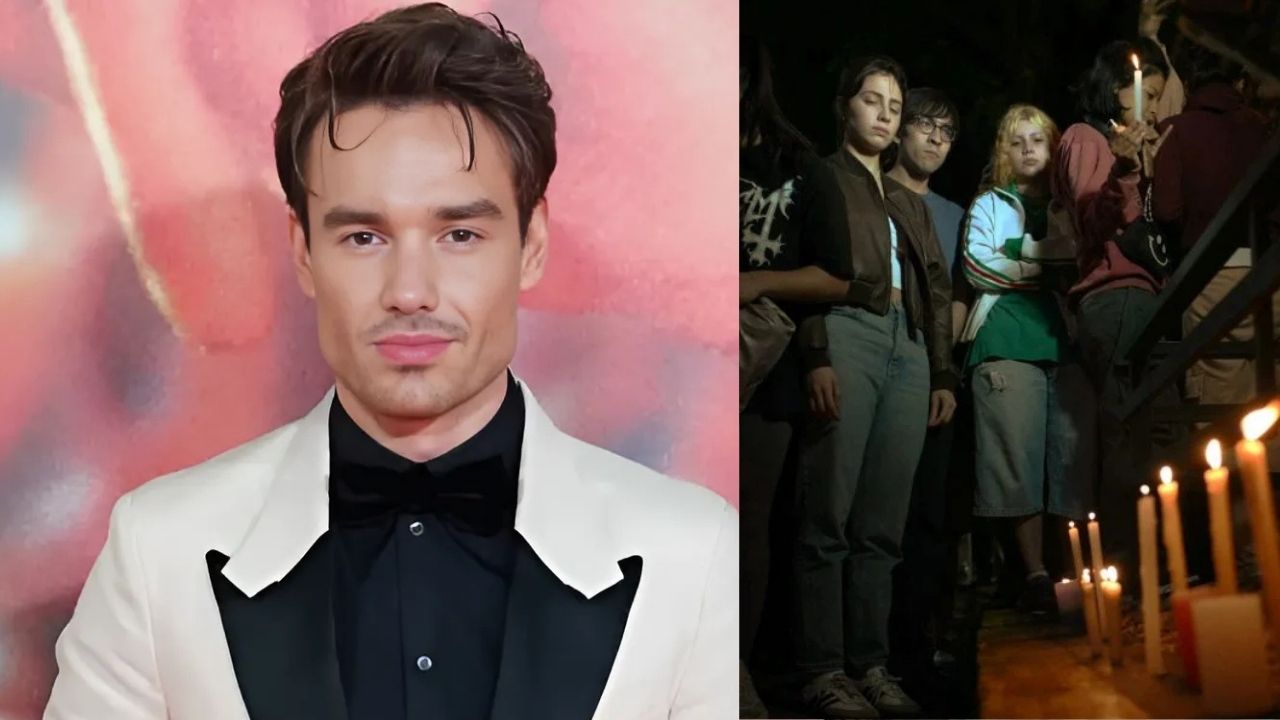
    Fans mourning Liam Payne’s death turned out across Britain and beyond at organised vigils Sunday, with at least 1,000 gathering in central London to pay tribute to the former One Direction star.

    It came four days after Payne died aged 31 following a fall from the balcony of his Buenos Aires hotel room, prompting an outpouring of grief and condolences from family, former bandmates, fans and others.

    Investigators have said he appeared to have been “going through an episode of substance abuse”.

    Those at the London memorial at the Peter Pan statue in Hyde Park were encouraged in social media posts to bring “flowers, letters, balloons, pictures” and did not disappoint.

    Gathering in the rain under umbrellas bearing those things and more, the crowd of mainly young people sang One Direction songs after also standing in silence for periods.

    “He was such a big part of our childhood — we just came to pay our respect,” student Katie Etchells, 20, wearing a One Direction t-shirt, told AFP.

    She was one of many who said that they at first thought word of his death was “fake news”, calling the realisation it was true “very upsetting”.

    “I think he’ll be happy to know that so many people does love him,” a tearful Luna Franco, 20, from Italy, told AFP.

    – ‘Unify’ – –

    Musician Shukhrat Turdikhodjaev, 21, said he had gone from “disbelief at first” to shock on hearing Payne had died.

    He added the turnout showed that the singer “was able to connect and unify so many different people”.

    Elsewhere, news reports and social media posts showed hundreds also gathered in the Scottish cities Edinburgh and Glasgow, as well as Paris, New York, Stockholm and many other places.

    Fans were also set to gather later Sunday in Birmingham in central England — near Wolverhampton where Payne was born and raised.

    He would shoot to fame around the world as a teenager in the hugely successful pop group One Direction, which formed in 2010 after its members appeared on “The X Factor”.

    Sunday’s meet-ups mirror gatherings seen across Latin American in recent days.

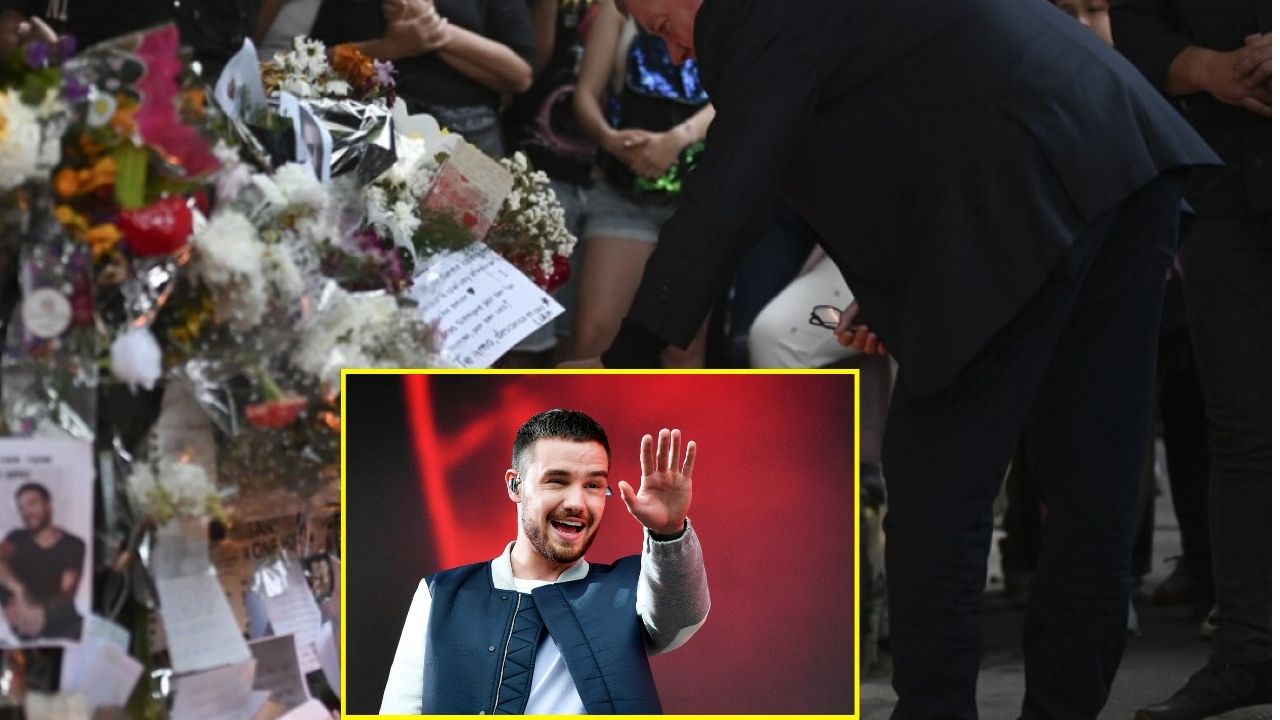
    In Buenos Aires, tearful fans have continued to mass in front of the Casa Sur Hotel, where Payne plunged to his death and an altar dedicated to him has been created full of flowers and messages.

    On Friday, his father Geoff Payne visited the scene, thanking fans gathered there in a shared moment of grief.

    Meanwhile Mexico City, the Ecuadorian capital Quito and various towns and cities in Colombia are among the other places to have seen impromptu ceremonies for Payne.

    – ‘Just really sad’ –

    Anguished reactions have continued to stream in, including from Girls Aloud star Cheryl Tweedy, Payne’s former partner and the mother of their seven-year-old boy, who called his death an “earth shattering event”.

    Payne’s One Direction bandmate Zayn Malik said Saturday on X that he was postponing the current US leg of his tour until January, citing “the heartbreaking loss experienced this week.”

    Payne died from “multiple traumas” and “internal and external haemorrhaging” after the fall from the hotel, an autopsy found.

    It suggested he had not tried to stop his fall and was in a state of “semi or total unconsciousness” before his death.

    The singer, who had spoken publicly about struggles with alcohol and coping with fame from an early age, was alone at the time and appeared to be “going through an episode of substance abuse,” prosecutors have said.

    Back in London, fan Chelsea Willy, 20, summed up the feelings of those mourning the loss.

    “It is just really sad,” the actress said. “I’ve been a fan of him since I was very little,” she added, noting she cried on learning the news.

  • Liam Payne: One Direction singer swept up by teenage stardom

    Liam Payne: One Direction singer swept up by teenage stardom

    Liam Payne, who died aged 31 after plunging from a hotel balcony in Buenos Aires, spent more than half his life in the public eye as a member of one of the world’s most successful boy bands.

    The singer from Wolverhampton in central England was first unsuccessful in his audition on the hugely popular television talent show “The X Factor”.

    But he hit gold on the programme in 2010, aged just 16, joining Niall Horan, Harry Styles, Louis Tomlinson and Zayn Malik — and One Direction was born.

    Over the next six years, the group enjoyed global fame and legions of screaming fans, selling more than 70 million copies of their five albums. They went on four world tours and won nearly 200 awards.

    Payne, described by former X Factor host Dermot O’Leary as “a joy… polite, grateful and… always humble”, was said to be the “driving force” behind some of One Direction’s most loved songs.

    He penned “Story of My Life”, “Night Changes” and “Midnight Memories” among others, and once referred to himself as the “first verse man” — singing the coveted first verse of most of the songs on the band’s first album “Up All Night”.

    After Malik left One Direction in 2015, the band went on an “indefinite hiatus” a year later, prompting Payne and the others to start solo careers.

    Payne met with early success with his debut solo single “Strip That Down”, released in 2017, reaching number three on the UK Singles Chart.

    Last year, he revealed he was working on a second solo album, having delayed a planned tour due to health problems, and released his last single “Teardrops” in March 2024.

    – Charity –

    Payne, who fell from a third-floor hotel balcony in the Argentinian capital on Wednesday, was in the city to watch his former bandmate Horan in concert.

    While the exact circumstances of the fall are unclear, police said they responded to a report of “an aggressive man who may be under the influence of drugs or alcohol”.

    He leaves behind a son from a previous relationship with the Girls Aloud singer Cheryl.

    News of Payne’s death left fans distraught. “I feel like it’s a part of adolescence lost,” said one, Lena Duek, 21, outside the hotel.

    She described One Direction as the soundtrack of her teenage years and had been hoping for them to reunite.

    British anti-poverty charity Trussell praised Payne for his “compassion and kindness” for supporting their foodbanks. Chief executive Emma Revie said he funded more than 360,000 meals during the pandemic.

    – Anxiety, frustrations –

    Payne’s death came as he faced heavy criticism on social media following an interview in which his ex-partner Maya Henry accused him of being abusive.

    In the interview this week, Henry said Payne would tell her he was “going to die” as a manipulation tactic. The Daily Mail reported Henry obtained a “cease-and-desist” order against Payne.

    In recent years, the singer opened up about his struggles with alcohol and dealing with fame at such a young age.

    “I’ve found in my life at the moment, because of the way things have happened, that everything’s kind of fast-forwarded,” he told Esquire Magazine in 2019.

    Speaking about anxiety and losing his sense of self, he added: “It’s a bit like being stuck out in deep water and you’re just going ‘well, it would be really nice to get back now’.”

    However, after taking a break, Payne said last year he was ready to return to music career in a video titled “I’m Back… “.

    In it, he said he was sober and apologised for taking out “frustrations” with his career on “everybody else”.

    “The rest of the boys really stuck by me when I needed them most, they kinda came to the rescue,” he added.

    “I feel like I’ve got more of a grip on life now, and everything that was getting away from me.”

  • Trio wins Economics Nobel for work on wealth inequality

    Trio wins Economics Nobel for work on wealth inequality

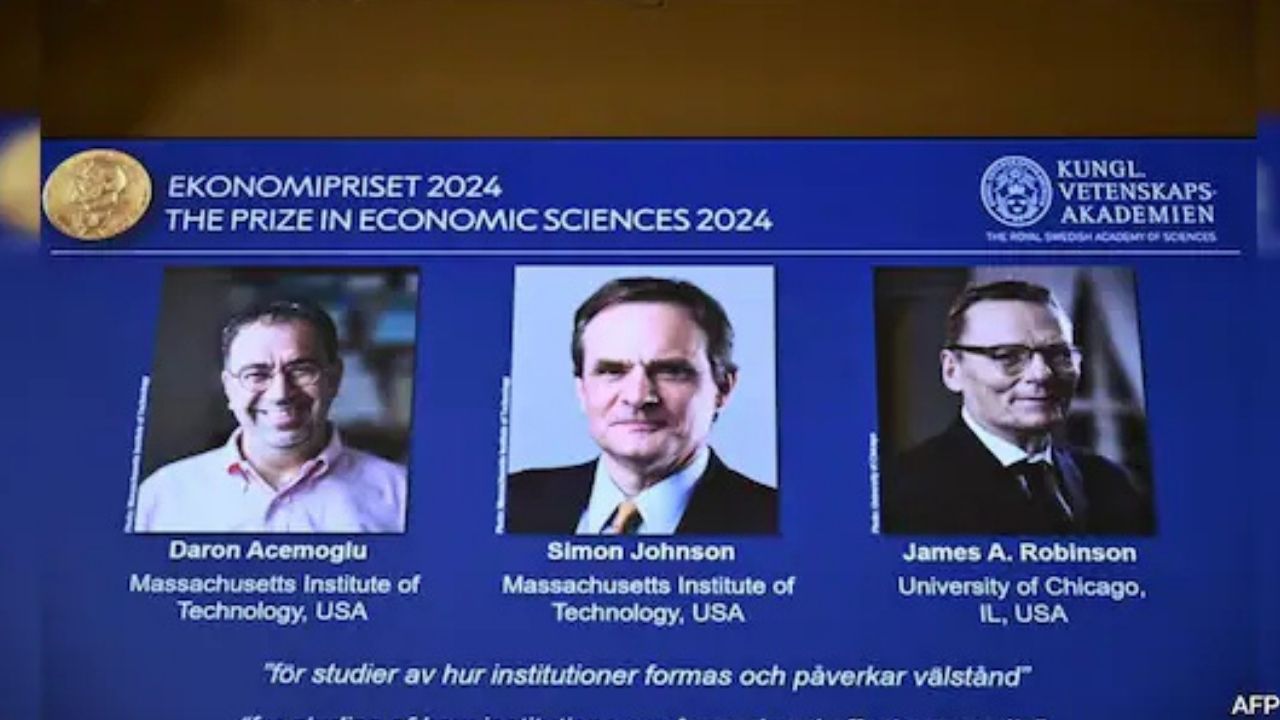
    The Nobel Prize in Economics was awarded on Monday to Turkish-American Daron Acemoglu and British-Americans Simon Johnson and James Robinson for research into wealth inequality between nations.

    By examining the various political and economic systems introduced by European colonisers, the three have been able to demonstrate a relationship between institutions and prosperity, the jury said.

    “Reducing the vast differences in income between countries is one of our time’s greatest challenges,” Jakob Svensson, chair of the Committee for the Prize in Economic Sciences, said in a statement.

    “The laureates have demonstrated the importance of societal institutions for achieving this,” Svensson added.

    Acemoglu, 57, is a professor at the Massachusetts Institute of Technology (MIT), as is Johnson, 61.

    Robinson, 64, is a professor at the University of Chicago.

    The jury highlighted the laureates’ work, illuminating how societal institutions play a role in explaining why some countries prosper while others do not.

    “I am delighted. It’s just a real shock and amazing news,” Acemoglu told reporters via telephone as the award was announced in Stockholm.

    The Economics Prize is the only Nobel not among the original five created in the will of Swedish scientist Alfred Nobel, who died in 1896.

    It was instead created through a donation from the Swedish central bank in 1968, leading detractors to dub it “a false Nobel”.

    However, like for the other Nobel science prizes, the Royal Swedish Academy of Sciences decides the winner and follows the same selection process.

    The economics prize wraps up this year’s Nobel season, which honoured achievements in artificial intelligence for the physics and chemistry prizes, while the Peace Prize went to Japanese group Nihon Hidankyo, committed to fighting nuclear weapons.

    South Korea’s Han Kan won the literature prize — the only woman laureate so far this year — while the medicine prize lauded discoveries in understanding gene regulation.

    The Nobel Prizes consist of a diploma, a gold medal and a one-million-dollar sum.

    They will be presented at ceremonies in Stockholm and Oslo on December 10, the anniversary of the 1896 death of scientist and prize creator Alfred Nobel.