Author: AFP

  • Devastated Lebanon village marks Eid among its dead

    Devastated Lebanon village marks Eid among its dead

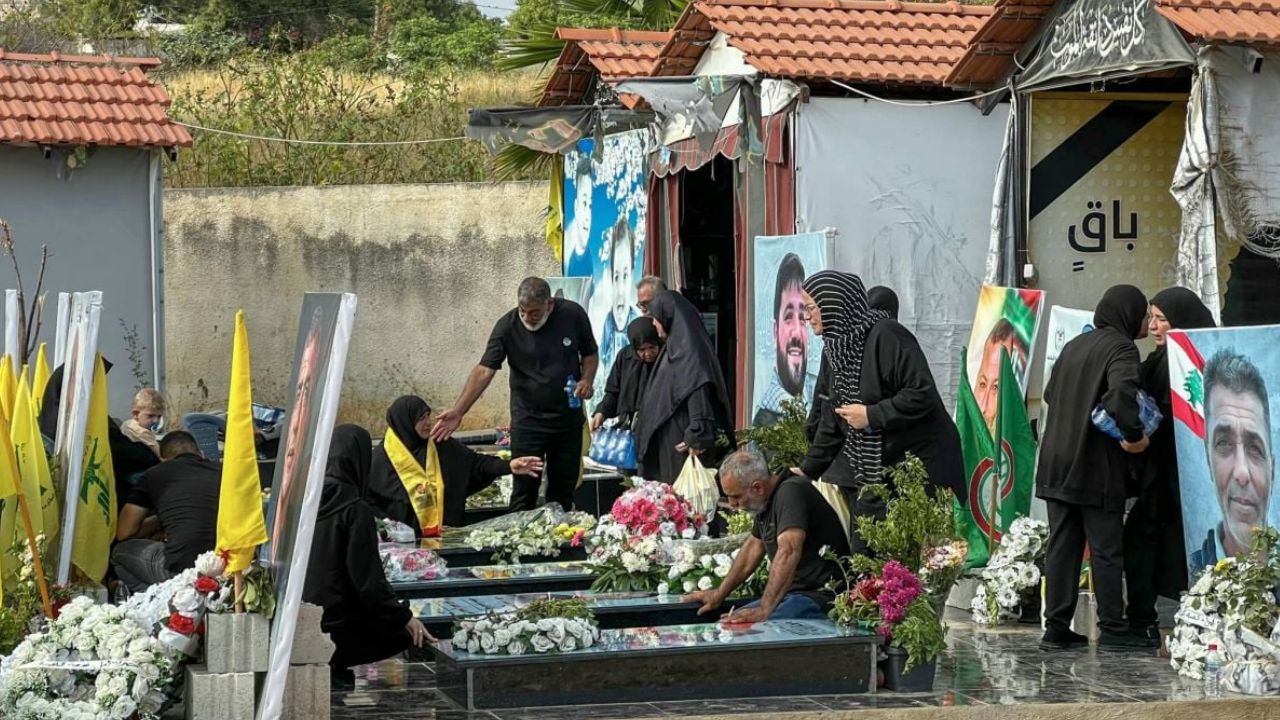
    In the war-devastated southern Lebanese village of Aitaroun on Monday, residents marked the Muslim holiday of Eid al-Fitr among their dead.

    Relatives crowded the village’s cemeteries to pray for the more than 100 residents, including fighters from Hezbollah, killed during the war between the militant group and Israel that ended with a fragile ceasefire in November.

    “We defied the entire world by being here in Aitaroun to celebrate Eid with our martyrs,” Siham Ftouni said near the grave of her son, a rescuer with an Islamic health organisation affiliated with Hezbollah.

    “Their blood permitted us to come back to our village,” she said.

    During the war, Lebanese state media reported that Israeli troops used explosives in Aitaroun and two nearby villages to blow up houses. The town square is heavily damaged.

    Few people have returned to live or to reopen businesses.

    The story is the same in other villages in southern Lebanon.

    In Aitaroun, more than 90 of the village’s dead — including some who died from natural causes — were buried only a month ago when Israeli troops pulled out.

    Under the ceasefire, Israel had 60 days to withdraw its troops from southern Lebanon, but it did not pull most of them back until February 18 after the initial deadline was extended.

    On Monday, beneath yellow Hezbollah flags, Ftouni and other women clad in black let their grief pour out.

    A young girl sat near the grave of a woman, holding her photo surrounded by flowers.

    Other pictures, of infants and young men in military uniform, lay on top of graves, and the sound of funeral orations triggered tears.

    Some visitors handed out sweets and other foods to mourners who came from further away.

    ‘Ashamed’

    “This year, Eid is different from the years before,” said Salim Sayyed, 60, a farmer originally from Aitaroun. “Aitaroun, which lost more than 120 martyrs including many women and children, is living a sad Eid.”

    He added: “The will to live will remain stronger than death.”

    The war saw the killing of Hezbollah’s leader Hassan Nasrallah and other commanders, and the group’s military infrastructure was devastated. Yet it continues to proclaim victory after more than a year of conflict that escalated to full-blown war and killed more than 4,000 people in Lebanon.

    Despite the ceasefire deal, Israeli troops remain inside Lebanon at five points it deems strategic.

    Both Hezbollah and Israel have accused each other of truce violations.

    Israel has regularly carried out often-deadly air raids in south and east Lebanon since the ceasefire, striking what it says are Hezbollah military targets that violated the agreement.

    On Friday Israel bombed southern Beirut for the first time since the truce after rockets were fired towards its territory.

    Imad Hijazi, 55, a taxi driver, said the security uncertainty was no deterrent to those wanting to spend Eid beside the graves of their loved ones.

    “The sadness was immense. Everyone was shaken by the loss of loved ones. I lost 23 members of my family in an Israeli strike,” Hijazi said.

    “I was ashamed to convey Eid greetings to my relatives or my friends.”
  • Trump says ‘real pain is yet to come’ for Houthis, Iran

    Trump says ‘real pain is yet to come’ for Houthis, Iran

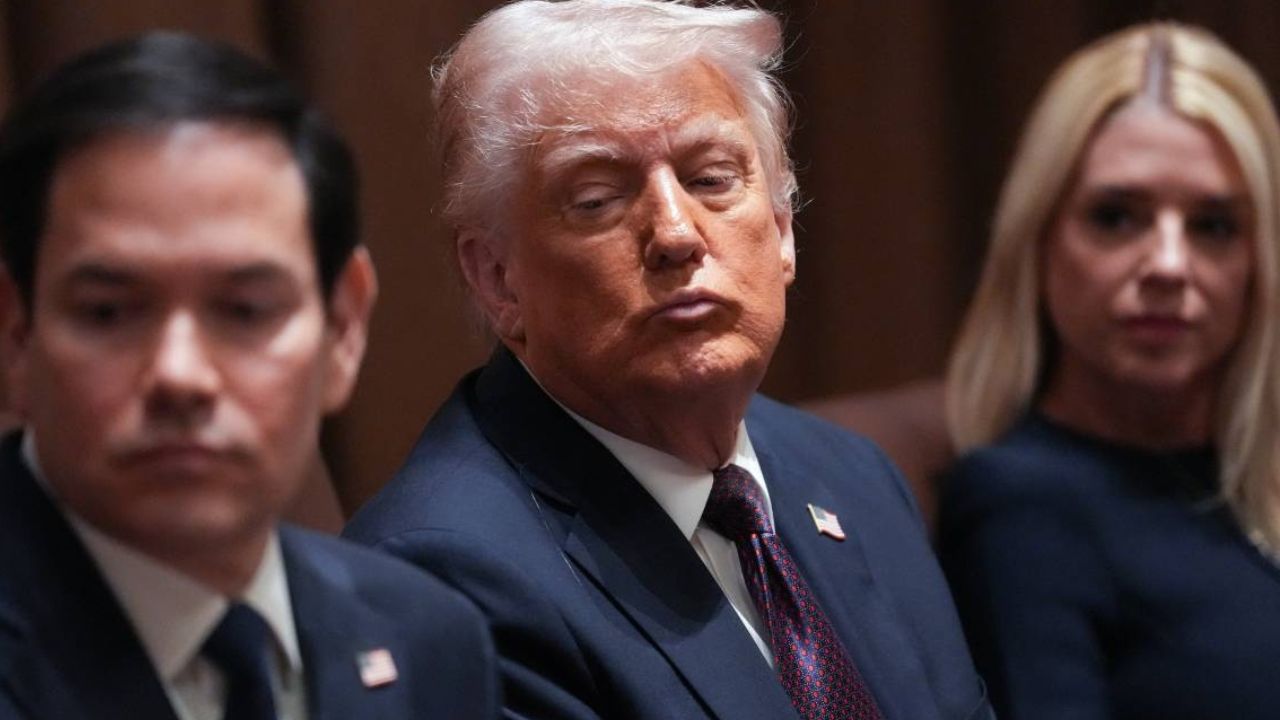
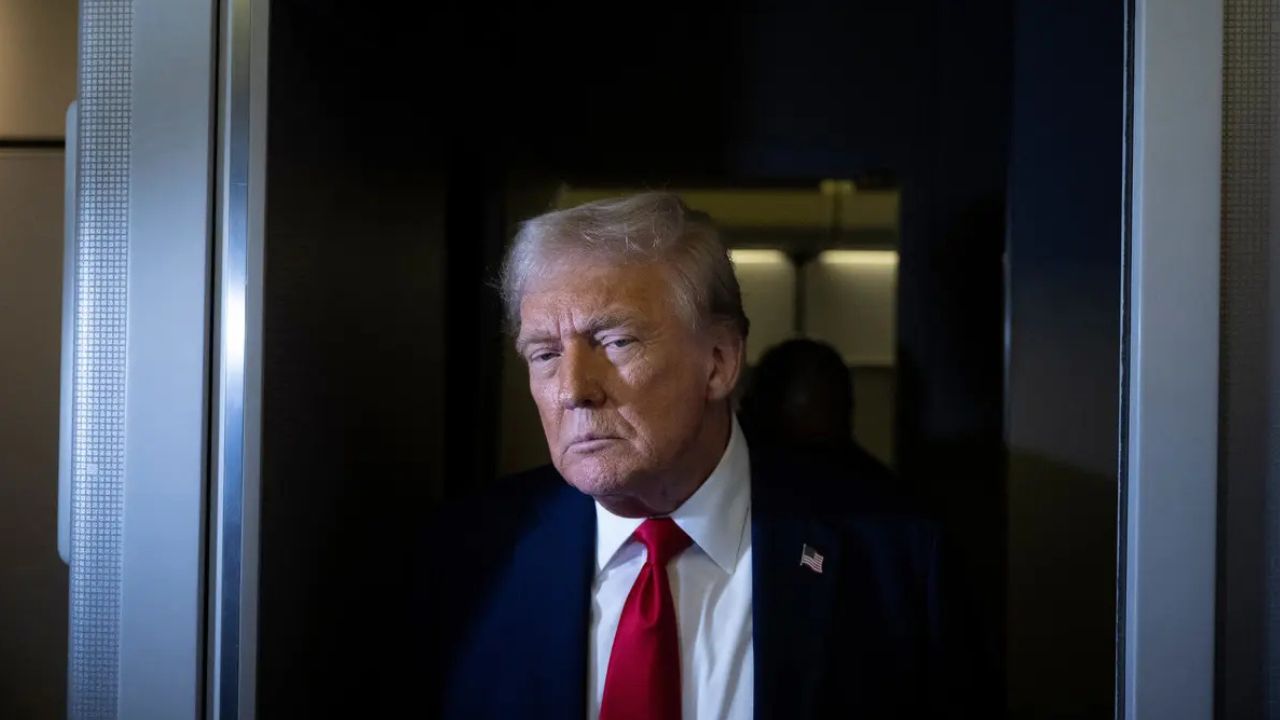
    US President Donald Trump vowed Monday that strikes on Yemen’s Huthis will continue until they are no longer a threat to shipping, warning the rebels and their Iranian backers of “real pain” to come.

    “The choice for the Houthis is clear: Stop shooting at US ships, and we will stop shooting at you. Otherwise, we have only just begun, and the real pain is yet to come, for both the Huthis and their sponsors in Iran,” Trump said on his Truth Social platform.

    Shortly after Trump’s threat, Yemeni rebel media said two US strikes Monday hit the island of Kamaran, off the Hodeida coast.

    Huthi-held parts of Yemen have faced near daily attacks since the US launched a military offensive on March 15 to stop them threatening vessels in key maritime routes. The first day alone, US officials said they killed senior Huthi leaders, while the rebels’ health ministry said 53 people were killed.

    Since then, rebels have announced the continued targeting of US military ships and Israel.

    In his post Monday, Trump added that the Huthis had been “decimated” by “relentless” strikes since March 15, saying that US forces “hit them every day and night — Harder and harder.”

    Trump’s threat comes as his administration battles a scandal over the accidental leaking of a secret text chat by senior security officials on the Yemen strikes.

    It also comes amid a sharpening of Trump’s rhetoric towards Tehran, with the president threatening that “there will be bombing” if Iran does not reach a deal on its nuclear program.

    The Huthis began targeting shipping after the start of the Gaza war, claiming solidarity with Palestinians.

    Huthi attacks have prevented ships from passing through the Suez Canal, a vital route that normally carries about 12 percent of world shipping traffic. Ongoing attacks are forcing many companies into a costly detour around the tip of southern Africa.

    “Our attacks will continue until they are no longer a threat to Freedom of Navigation,” Trump said.

    The rising rhetoric from the Trump administration comes as it copes with the phone text scandal.

    The Atlantic magazine revealed last week that its editor — a well-known US journalist — was accidentally included in a chat on the commercially available Signal app where top officials were discussing the Yemen air strikes.

    The officials, including Trump’s National Security Advisor Mike Waltz and Defense Secretary Pete Hegseth, discussed details of air strike timings and intelligence — unaware that the highly sensitive information was being simultaneously read by a member of the media.

    Trump has rejected calls to sack Waltz or Hegseth and branded the scandal a “witch hunt.”

    “This case has been closed here at the White House as far as we are concerned,” White House Press Secretary Karoline Leavitt told reporters on Monday.

  • Myanmar-Thailand quake toll passes 700 as rescuers dig for survivors

    Myanmar-Thailand quake toll passes 700 as rescuers dig for survivors

    The death toll from a huge earthquake that hit Myanmar and Thailand passed 700 on Saturday, as rescuers dug through the rubble of collapsed buildings in a desperate search for survivors.

    The shallow 7.7-magnitude quake struck northwest of the city of Sagaing in central Myanmar in the early afternoon, followed minutes later by a 6.7-magnitude aftershock.

    The quake destroyed buildings, downed bridges, and buckled roads across swathes of Myanmar, with severe damage reported in the second biggest city, Mandalay.

    At least 694 people were killed and nearly 1,700 injured in Myanmar’s Mandalay region — believed to be the worst affected — the ruling junta said in a statement. Around 10 more deaths have been confirmed in Bangkok.

    But with communications badly disrupted, the true scale of the disaster has yet to emerge from the isolated military-ruled state, and the toll is expected to rise significantly.

    It was the biggest quake to hit Myanmar in over a century, according to US geologists, and the tremors were powerful enough to severely damage buildings across Bangkok, hundreds of kilometres (miles) away from the epicentre.

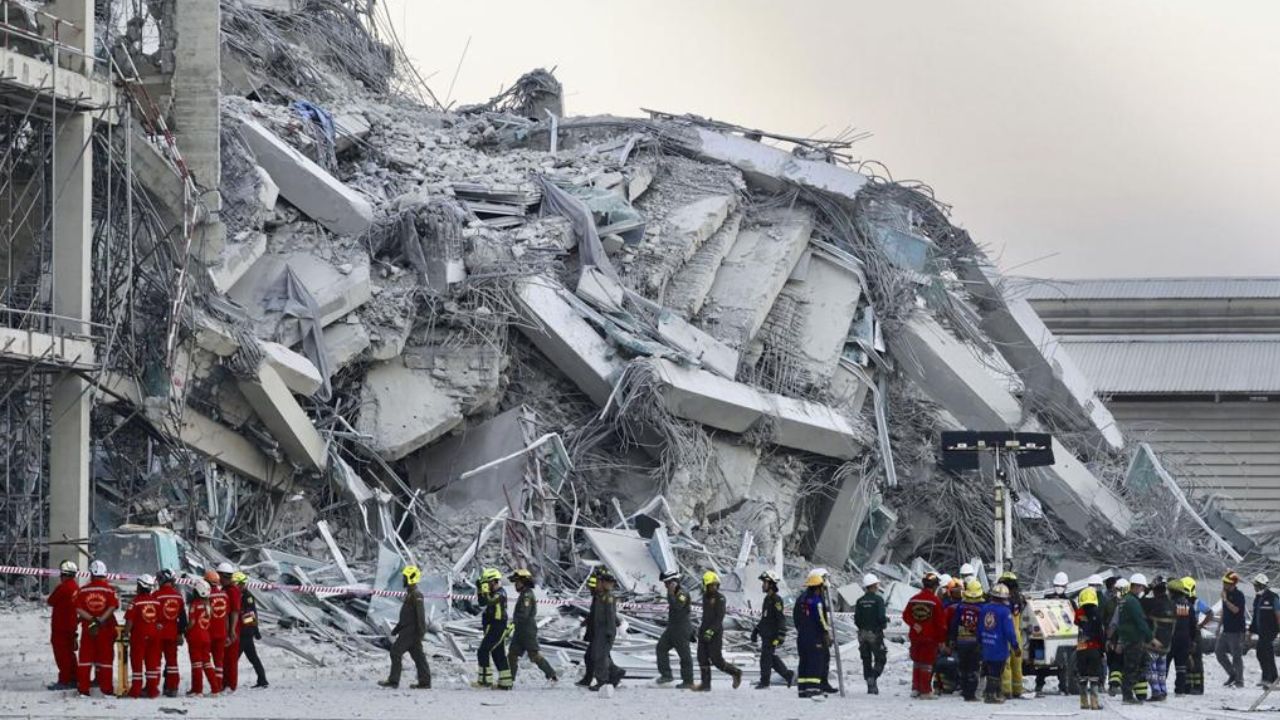
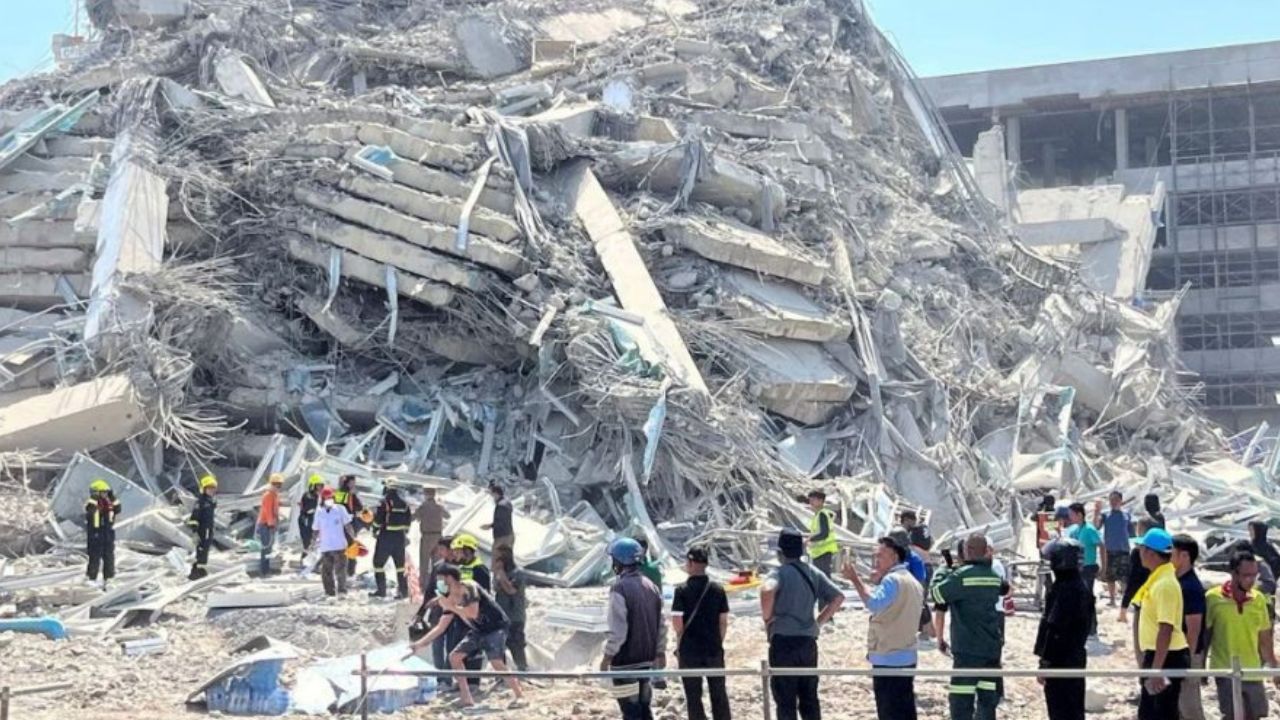
    Rescuers in the Thai capital laboured through the night searching for workers trapped when a 30-storey skyscraper under construction collapsed, reduced in seconds to a pile of rubble and twisted metal by the force of the shaking.

    Bangkok governor Chadchart Sittipunt told AFP that around 10 people had been confirmed killed across the city, most in the skyscraper collapse.

    But up to 100 workers were still unaccounted for at the building, close to the Chatuchak weekend market that is a magnet for tourists.

    “We are doing our best with the resources we have because every life matters,” Chadchart told reporters at the scene.

    “Our priority is acting as quickly as possible to save them all.”

    Bangkok city authorities said they will deploy more than 100 engineers to inspect buildings for safety after receiving over 2,000 reports of damage.

    Up to 400 people were forced to spend the night in the open air in city parks as their homes were not safe to return to, Chadchart said.

    Significant quakes are extremely rare in Bangkok, and Friday’s tremors sent shoppers and workers rushing into the street in alarm across the city.

    While there was no widespread destruction, the shaking brought some dramatic images of rooftop swimming pools sloshing their contents down the side of many of the city’s towering apartment blocks and hotels.

    Even hospitals were evacuated, with one woman delivering her baby outdoors after being moved from a hospital building. A surgeon also continued to operate on a patient after evacuating, completing the operation outside, a spokesman told AFP.

    Rare junta plea for help

    But the worst of the damage was in Myanmar, where four years of civil war sparked by a military coup have ravaged the healthcare and emergency response systems.

    Junta chief Min Aung Hlaing issued an exceptionally rare appeal for international aid, indicating the severity of the calamity. Previous military regimes have shunned foreign assistance even after major natural disasters.

    The country declared a state of emergency across the six worst-affected regions after the quake, and at one major hospital in the capital, Naypyidaw, medics were forced to treat the wounded in the open air.

    One official described it as a “mass casualty area”.

    “I haven’t seen (something) like this before. We are trying to handle the situation. I’m so exhausted now,” a doctor told AFP.

    Mandalay, a city of more than 1.7 million people, appeared to have been badly hit. AFP photos showed dozens of buildings reduced to rubble.

    A resident reached by phone told AFP that a hospital and a hotel had been destroyed, and said the city was badly lacking in rescue personnel.

    A huge queue of buses and lorries lined up at a checkpoint to enter the capital early on Saturday.

    Offers of foreign assistance began coming in, with President Donald Trump on Friday pledging US help.

    “It’s terrible,” Trump told reporters in the Oval Office about the quake when asked if he would respond to the appeal by Myanmar’s military rulers.

    “It’s a real bad one, and we will be helping. We’ve already spoken with the country.”

    India, France and the European Union offered to provide assistance, while the WHO said it was mobilising to prepare trauma injury supplies.

  • ‘Mass casualty’ quake rocks Myanmar, Thailand

    ‘Mass casualty’ quake rocks Myanmar, Thailand

    A powerful earthquake hit Myanmar and neighbouring Thailand on Friday, turning a major hospital in the Myanmar capital into a “mass casualty area” and trapping dozens of workers in an under-construction skyscraper in Bangkok.

    The 7.7-magnitude tremor hit northwest of the city of Sagaing on Friday afternoon at a shallow depth, the United States Geological Survey said. A 6.4-magnitude aftershock hit the same area minutes later.

    The quakes wrought widespread damage, particularly in Myanmar, where buildings fell onto their sides, roads cracked open, and the well-known Ava bridge collapsed near the epicentre.

    In the capital Naypyidaw, AFP journalists saw the entrance of the emergency department at the city’s main hospital pancaked onto a car.

    Wounded at the 1,000-bed facility were being treated outside, intravenous drips hanging from their gurneys. Some writhed in pain, others lay still as relatives sought to comfort them.

    A hospital official ushered journalists away, saying: “this is a mass casualty area.”

    Another official said hundreds of injured people had arrived at the facility.

    “I haven’t seen (something) like this before. We are trying to handle the situation. I’m so exhausted now,” a doctor told AFP.

    The route to the hospital was jammed with vehicles. An ambulance tried to make its way through, a paramedic shouting “cars, move aside so the ambulance can get through.”

    At the city’s National Museum, pieces fell from the ceiling as the building began shaking. Uniformed staff ran outside, some trembling and tearful, others grabbing cellphones to try to contact loved ones.

    Skyscraper collapse

    Across the border in Thailand, where strong quakes are rare, the powerful tremors sent residents across many cities flooding out into the streets in panic.

    In Bangkok, a 30-storey building under construction collapsed, trapping 43 workers, police and medics said.

    The massive building intended for government offices was reduced to a tangle of rubble and twisted metal in seconds, footage shared on social media showed.

    An AFP photographer at the site saw ambulances and rescue teams at the site, near the city’s sprawling Chatuchak market, a popular destination for tourists and locals alike.

    “When I arrived to inspect the site, I heard people calling for help, saying help me,” Worapat Sukthai, deputy police chief of Bang Sue district, told AFP.

    “We estimate that hundreds of people are injured but we are still determining the number of casualties,” he said.

    Across Bangkok and the northern tourist destination of Chiang Mai, where the power briefly went out, stunned locals rushed outside, unsure of how to respond to the unusual quake.

    Sai, 76 was working at a minimart in the northern city when the shop started the shake.

    “I quickly rushed out of the shop along with other customers,” he said.

    “This is the strongest tremor I’ve experienced in my life.”

    Buildings damaged

    The quake prompted Thai Prime Minister Paetongtarn Shinawatra to declare a state of emergency in Bangkok, where some metro and light rail services were suspended, further snarling the city’s already notorious traffic.

    Airports were operating as normal.

    Earlier, the prime minister said she had interrupted an official visit to the southern island of Phuket to hold an “urgent meeting” after the quake, according to a post on X.

    The quake was felt across the region, with China, Cambodia, Bangladesh and India all reporting tremors.

    A livestream broadcast by the state-linked Beijing News showed around a dozen emergency workers in orange jumpsuits and helmets standing behind a cordon on a street strewn with fallen masonry in the city of Ruili, on the Chinese border with Myanmar.

    A female shop worker interviewed on the livestream showed phone footage of people running out of stores with their hands over their heads as tremors swept through the street, only to rush back inside when what was described as a nearby burst pipe drenched them with water from above.

    A video posted on Douyin, the Chinese version of TikTok, and geolocated by AFP showed a torrent of water and debris cascading from the roof of a high-rise block in Ruili as people fled through a street market below.

    India’s Prime Minister Narendra Modi said his country was ready to offer “all possible assistance” to Myanmar and Thailand and had placed authorities on standby for requests.

    Earthquakes are relatively common in Myanmar, where six strong quakes of 7.0 magnitude or more struck between 1930 and 1956 near the Sagaing Fault, which runs north to south through the centre of the country, according to the USGS.

    A powerful 6.8-magnitude earthquake in the ancient capital Bagan in central Myanmar killed three people in 2016, also toppling spires and crumbling temple walls at the tourist destination.

  • More arrests as Turkey escalates crackdown over protests

    More arrests as Turkey escalates crackdown over protests

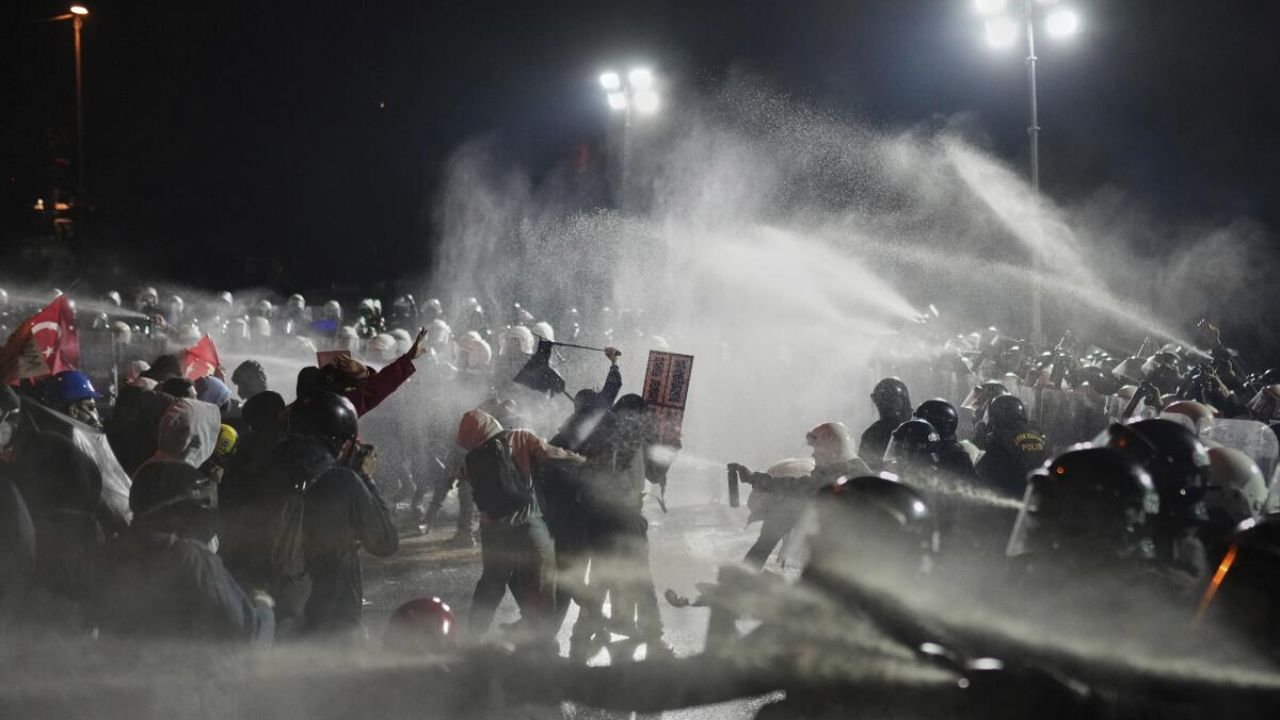
    Turkey intensified its crackdown over ongoing anti-government protests Friday, arresting the lawyer of the jailed Istanbul mayor and two more journalists in connection with the country’s biggest wave of unrest since 2013.

    Nine days after the arrest and subsequent jailing of Istanbul’s popular opposition mayor, Ekrem Imamoglu, thousands of demonstrators protested on the streets on Thursday night, despite a growing sense of fear.

    Overnight, police raided more homes, with Imamoglu saying his lawyer Mehmet Pehlivan had been “detained on fictitious grounds,” in a post on X published via the mayor’s legal team.

    “As if the coup against democracy was not enough, they cannot tolerate the victims defending themselves. The evil that a handful of incompetent people are inflicting on our country is growing,” he wrote.

    “Release my lawyer immediately!”

    It was not immediately clear on what grounds Pehlivan had been detained but opposition broadcaster Halk TV said it was linked to allegations of “laundering assets originating from a crime”.

    The Istanbul Bar Association meanwhile said 20 minors had been arrested between March 22-25 on charges of violating a ban on protests.

    Of that number, 13 had been released but seven were still in custody, it said in a statement posted on X, indicating it was “closely following” the matter.

    Overseas criticism

    Turkey’s repressive response to its worst bout of street unrest since 2013 has been sharply condemned by rights groups and drawn criticism from abroad.

    In Washington, US Secretary of State Marco Rubio raised concerns over Ankara’s handling of the protests, and French President Emmanuel Macron denounced its “systematic attacks” on opposition figures and freedom of assembly.

    Police also detained two Turkish women journalists in dawn raids on their homes, the Turkish Journalists’ Union (TGS) said on X.

    “Another dawn raid. Two of our colleagues who were following the #Sarachane protests were detained,” it said, referring to the name of the district where Istanbul City Hall is located.

    “Let journalists do their job! Stop these unlawful detentions!” the union said.

    ‘Arbitrary acts to silence journalists’

    The move came just hours after the authorities released the last of 11 journalists arrested in dawn raids on Monday for covering the protests, among them AFP photographer Yasin Akgul.

    “The decision to throw me in jail came even though my identity as a journalist was known, and evidence provided to prove it,” Akgul told AFP after he was freed on Thursday.

    “I hope no other journalists will face a situation like this. But unfortunately, I fear that arbitrary acts to silence journalists and stop them from doing their job will continue in Turkey.”

    The Turkish authorities had on Wednesday detained BBC journalist Mark Lowen who had been covering the protests, holding him for 17 hours before deporting him on grounds he posed “a threat to public order”, the broadcaster said.

    In a statement late Thursday, Turkey’s communications directorate said Lowen had been deported “due to a lack of accreditation”.

    In its first statement on the protests, Britain said it expected Ankara to ensure “the upholding of… the rule of law, including timely and transparent judicial processes”, a foreign ministry spokesperson said.

    Also Thursday, Turkey’s broadcasting watchdog RTUK slapped a 10-day broadcast ban on the opposition TV channel Sozcu, pointing to alleged violations linked to incitement to “hatred and hostility”.

    ‘I’m scared’

    During Thursday night’s protest, student demonstrators could be seen being rounded up by the police and taken away, an AFP correspondent said.

    “We’re here for our rights but I’m scared,” a 21-year-old protester called Raftel told AFP, his words echoing the unease felt by many others as thousands of young demonstrators continue to flood Istanbul’s streets.

    “There are some very serious illegal things going on here, young people have been beaten for days,” said Baturalp Akalin, 25, a rare protester with his face uncovered.

    “We young people are on the streets of Istanbul to defend our country’s democratic rights.”

    So far, more than 1,879 people have been detained since March 19, Interior Minister Ali Yerlikaya said on Thursday.

  • Copyright questions loom as ChatGPT’s Ghibli-style images go viral

    Copyright questions loom as ChatGPT’s Ghibli-style images go viral

    The release of the latest image generator on OpenAI’s ChatGPT has triggered a flood of online memes featuring images done in the style of Studio Ghibli, the Japanese studio behind classic animated films like “My Neighbor Totoro” and “Princess Mononoke.”

    The virality of these images, with OpenAI CEO Sam Altman even changing his profile picture on X to match the style, immediately raised questions about copyright infringement by the ChatGPT maker, which already faces lawsuits regarding the use of source material without permission.

    Since the release on Wednesday, AI-generated images depicting Studio Ghibli versions of Elon Musk with US President Donald Trump, “The Lord of the Rings,” and even a recreation of the September 11 attacks have gone viral across online platforms.

    On Thursday, the White House took part by posting on X a Ghibli-style image of a weeping alleged felon being handcuffed by a US immigration officer before her deportation.

    Originally intended to be available on the platform for free, Altman said the huge success of the new generator was unexpected and meant the tool would remain limited to paid users for now.

    It was already possible to generate images with ChatGPT, but the latest version is powered by GPT-4o, the company’s highest-performing model, and allows sophisticated results to be obtained through very succinct requests, which was not the case before.

    After the viral trend, a video from 2016 resurfaced in which Studio Ghibli’s legendary director Hayao Miyazaki is seen lashing out during an AI demonstration by staff.

    “I would never wish to incorporate this technology into my work at all. I strongly feel that this is an insult to life itself,” an English translation of his remarks said in the video.

    The trend “is especially insidious and malicious because of how outspokenly scathing Miyazaki has been toward the tech,” wrote artist and illustrator Jayd “Chira” Ait-Kaci on Bluesky.

    “It’s always about contempt for artists, every time,” Ait-Kaci added.

    OpenAI is facing a barrage of lawsuits over copyright infringements, including one major case with the New York Times and others from artists, musicians and publishers.

    Asked by AFP about the latest viral trend, and whether it threatened Studio Ghibli’s intellectual property, OpenAI said the company is still fine-tuning its model.

    “Our goal is to give users as much creative freedom as possible,” a company spokesperson told AFP.

    “We continue to prevent generations in the style of individual living artists, but we do permit broader studio styles, which people have used to generate and share some truly delightful and inspired original fan creations,” she added.

    “We’re always learning from real-world use and feedback, and we’ll keep refining our policies as we go.”

    The company is aggressively lobbying the White House and Congress to make the use of copyrighted content by AI companies part of the fair use doctrine.

    Fair use allowances already apply to search engines or in the case of satire and memes online, and allow companies to freely use copyrighted material without permission.

    Bloomberg reported on Wednesday that OpenAI is close to finalizing a $40 billion funding round led by Japan’s SoftBank Group that would be the biggest funding round ever for a startup.

    OpenAI has projected its annual revenue could exceed $12.7 billion in 2025, up from $3.7 billion generated in 2024.

  • Turkish student detained by US immigration agents

    Turkish student detained by US immigration agents

    US authorities have detained a Turkish university student, the latest action taken against a foreign learner associated with pro-Palestinian campus activism as President Donald Trump cracks down on the movement.

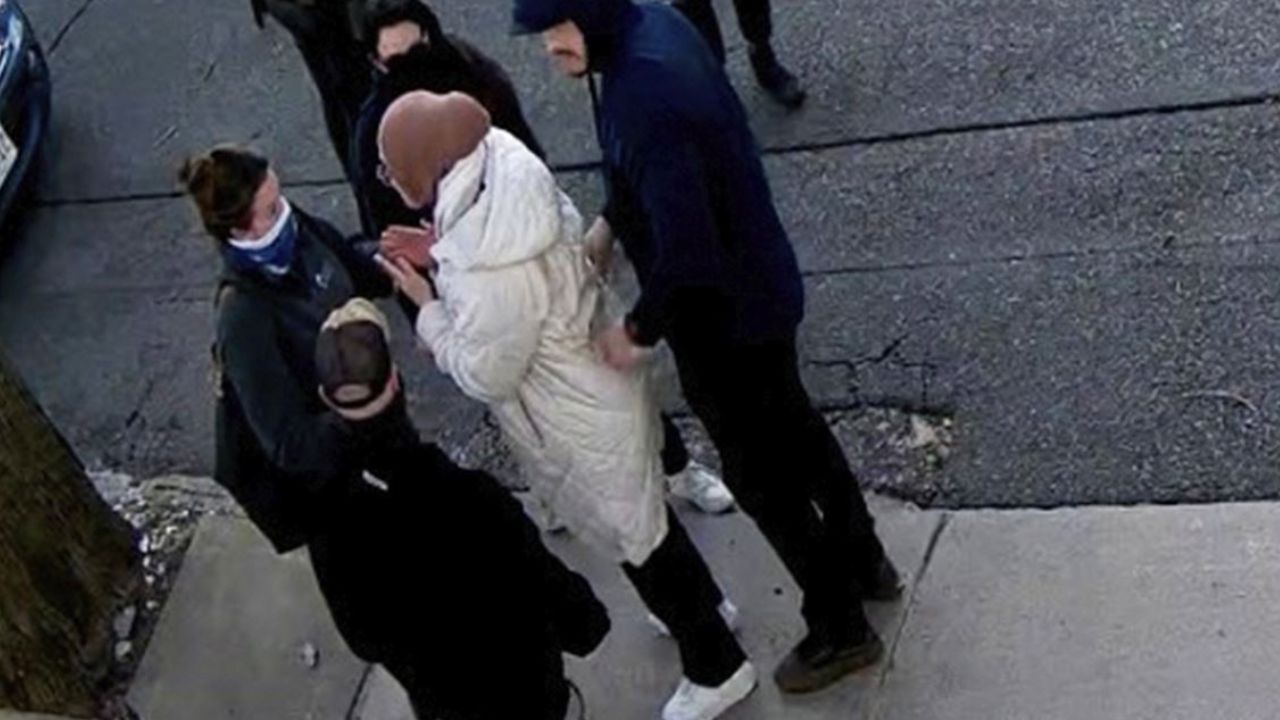
    Tufts University student Rumeysa Ozturk was detained by federal agents late Tuesday in the town of Somerville, Massachusetts, the school’s president said in a statement.

    Ozturk filed a motion demanding authorities show lawful grounds for her detention and a judge issued a decision barring officers from removing her from Massachusetts, according to legal filings made public Tuesday.

    Immigration and Customs Enforcement’s detainee locator tool showed that Ozturk was in custody Wednesday, although it did not state where.

    Ozturk co-authored an article in the university student newspaper The Tufts Daily in March 2024 criticizing the college’s handling of student anger around Israel’s war in Gaza.

    According to the newspaper, Ozturk is a doctoral candidate in the Eliot-Pearson Department of Child Study and Human Development.

    A protest was planned for 2130 GMT Wednesday in Somerville to oppose Ozturk’s detention, according to the Cambridge Day news site.

    Trump has targeted prestigious universities that became the epicenter of the US student protest movement sparked by Israel’s genocide of Palestinians in Gaza, stripping federal funds and directing immigration officers to deport foreign student demonstrators.

    Critics argue that the campaign amounts to retribution and will have a chilling effect on free speech, while its supporters insist it is necessary to restore order to campuses and protect Jewish students.

    At New York’s Columbia University, immigration officers detained one student, permanent resident Mahmoud Khalil whose lawyers are fighting his deportation, while a judge thwarted efforts to detain another, Yunseo Chung.

    Separately, a number of university professors sued the Trump administration in Massachusetts Tuesday, arguing its campaign targeting foreign academics was illegal.

    “The policy prevents or impedes Plaintiffs’ US citizen members from hearing from, and associating with, their non-citizen students and colleagues,” the lawsuit reads.

    In addition, the American Association of University Professors and the American Federation of Teachers asked a New York judge to declare Trump’s slashing of $400 million from Columbia’s budget unconstitutional and to restore the funding.

    Columbia announced Friday a package of concessions to the Trump administration around defining anti-Semitism, policing protests and oversight for specific academic departments.

    They stopped short however of some of the more strenuous demands of the Trump administration, which nonetheless welcomed the Ivy League college’s proposals.

  • Palestinian behind Oscar-winning documentary lynched by Israeli settlers, arrested

    Palestinian behind Oscar-winning documentary lynched by Israeli settlers, arrested

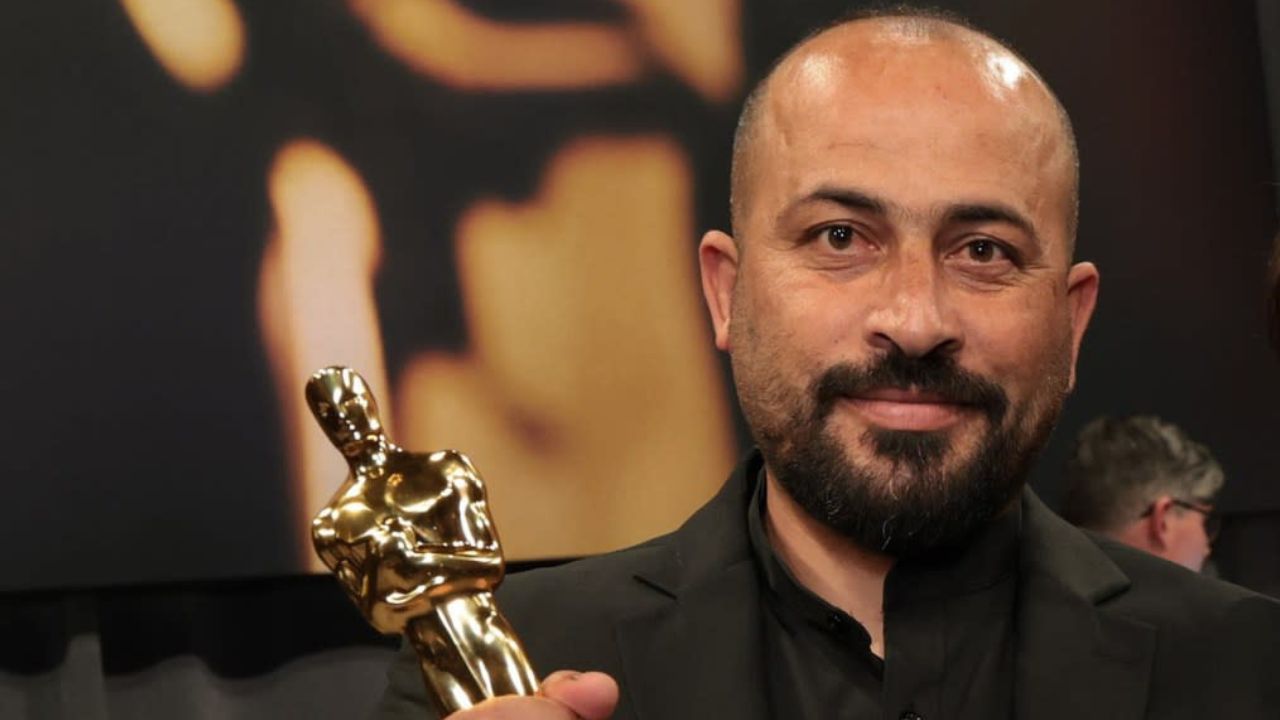
    The Palestinian co-director of the Oscar-winning documentary “No Other Land” was lynched by settlers and arrested by the Israeli army on Monday in the occupied West Bank, according to his co-director Yuval Abraham.


    In a post on X, Abraham said a “group of settlers” had set upon Ballal.


    “They beat him and he has injuries in his head and stomach, bleeding. Soldiers invaded the ambulance he called, and took him. No sign of him since,” Abraham wrote.

    The incident took place in the southern West Bank village of Susiya, according to the anti-occupation NGO Center for Jewish Nonviolence, whose members said they filmed the events first-hand.


    The army said it was verifying the information when questioned by AFP.


    Israel has occupied the West Bank since 1967.


    “No Other Land”, which was directed by Israeli-Palestinian activists, won best documentary at this year’s Academy Awards.


    Shot in nearby Masafer Yatta, the documentary follows a young Palestinian struggling with forced displacement as the Israeli army tears down his community’s homes to make space for a firing zone.


    The Israeli army declared Masafer Yatta a restricted military zone in the 1980s.


    The West Bank, excluding Israeli-annexed east Jerusalem, is home to around three million Palestinians as well as nearly half a million Israelis who live in settlements that are illegal under international law.

    No Other Land

    Earlier in March, in a groundbreaking moment at the 2025 Academy Awards, No Other Land, a documentary co-directed by Palestinian journalist Basel Adra and Israeli journalist Yuval Abraham, won Best Documentary Feature. This marks Palestine’s first-ever Oscar win, a historic triumph for the filmmakers and their cause.

    The film sheds light on the struggles of Palestinians in Masafer Yatta, a West Bank village facing demolition by Israeli forces. Adra, at the heart of the documentary, risks his safety to document the destruction of his homeland, while Abraham, a Jewish-Israeli journalist, joins him in amplifying the story. The powerful collaboration between Israeli and Palestinian filmmakers stood out among nominees Porcelain War, Sugarcane, Black Box Diaries, and Soundtrack to a Coup d’État.

    During an emotional acceptance speech, Adra reflected on the ongoing hardships faced by Palestinians. “About two months ago, I became a father, and my hope for my daughter is that she will not have to live the same life I’m living now, always fearing settler violence, home demolitions, and forced displacements,” he said. “We call on the world to take serious actions to stop the injustice and to stop the ethnic cleansing of Palestinian people.”

  • Trump admin sent journalist classified US plan for Yemen strikes

    Trump admin sent journalist classified US plan for Yemen strikes

    A US journalist was inadvertently included in a group chat in which Defense Secretary Pete Hegseth, Vice President JD Vance and other top officials discussed upcoming strikes against Yemen’s Huthi rebels, the White House confirmed Monday.

    President Donald Trump announced the strikes on March 15, but in a shocking security breach, The Atlantic magazine’s editor-in-chief Jeffrey Goldberg wrote that he had hours of advance notice via the group chat on Signal.


    “The message thread that was reported appears to be authentic, and we are reviewing how an inadvertent number was added to the chain,” National Security Council spokesman Brian Hughes said.


    The White House said Trump “continues to have the utmost confidence in his national security team,” after the US president earlier said he did not “know anything about” the issue.


    Hegseth, a former Fox News host with no experience running a huge organization like the Pentagon, took no responsibility for the security breach as he spoke to reporters late Monday.


    He instead attacked Goldberg and insisted that “nobody was texting war plans,” despite the White House confirming the breach.


    Goldberg wrote that Hegseth sent information on the strikes, including on “targets, weapons the US would be deploying, and attack sequencing,” to the group chat.


    “According to the lengthy Hegseth text, the first detonations in Yemen would be felt two hours hence, at 1:45 pm eastern time,” Goldberg wrote — a timeline that was borne out on the ground in Yemen.


    The leak could have been highly damaging if Goldberg had publicized details of the plan in advance, but he did not do so even after the fact.

    The journalist said he was added to the group chat two days earlier, and received messages from other top government officials designating representatives who would work on the issue.


    On March 14, a person identified as Vance expressed doubts about carrying out the strikes, saying he hated “bailing Europe out again,” as countries there were more affected by Huthi attacks on shipping than the United States.

    ‘Stunning and dangerous’

    Group chat contributors identified as National Security Advisor Mike Waltz and Hegseth both sent messages arguing only Washington had the capability to carry out the strikes, with the latter official saying he shared Vance’s “loathing of European free-loading. It’s PATHETIC.”


    And a person identified as “S M” — possibly Trump advisor Stephen Miller — argued that “if the US successfully restores freedom of navigation at great cost there needs to be some further economic gain extracted in return.”


    As he spoke to reporters Monday Hegseth dodged questions about the leak, in which highly sensitive material was not only shared with a reporter but also on a commercial app rather than in secure military channels reserved for such communications.


    The security breach provoked outrage among Democrats, with Senate Minority Leader Chuck Schumer describing it as “one of the most stunning breaches of military intelligence I have read about in a very, very long time” and calling for a full investigation.


    Senator Jack Reed also slammed the leak, saying: “The carelessness shown by President Trump’s cabinet is stunning and dangerous.”


    And Hillary Clinton — who was repeatedly attacked by Trump for using a private email server while she was secretary of state — posted the Atlantic article on X along with the message: “You have got to be kidding me.”

    Huthi attacks

    The Huthis, who have controlled much of Yemen for more than a decade, are part of the “axis of resistance” of pro-Iran groups staunchly opposed to Israel and the United States.

    They have launched scores of drone and missile attacks at ships passing Yemen in the Red Sea and Gulf of Aden during the Gaza war, saying they were carried out in solidarity with Palestinians.


    The Huthis’ campaign crippled the vital route, which normally carries about 12 percent of world shipping traffic, forcing many companies into a costly detour around the tip of southern Africa.


    The US began targeting the Huthis in response under the previous administration of president Joe Biden, and has launched repeated rounds of strikes on Huthi targets, some with British support.


    Trump has vowed to “use overwhelming lethal force until we have achieved our objective,” citing the Huthis’ threats against Red Sea shipping, and US strikes have continued over the past 10 days.

  • Under threat from Trump, Canada calls snap elections for April 28

    Under threat from Trump, Canada calls snap elections for April 28

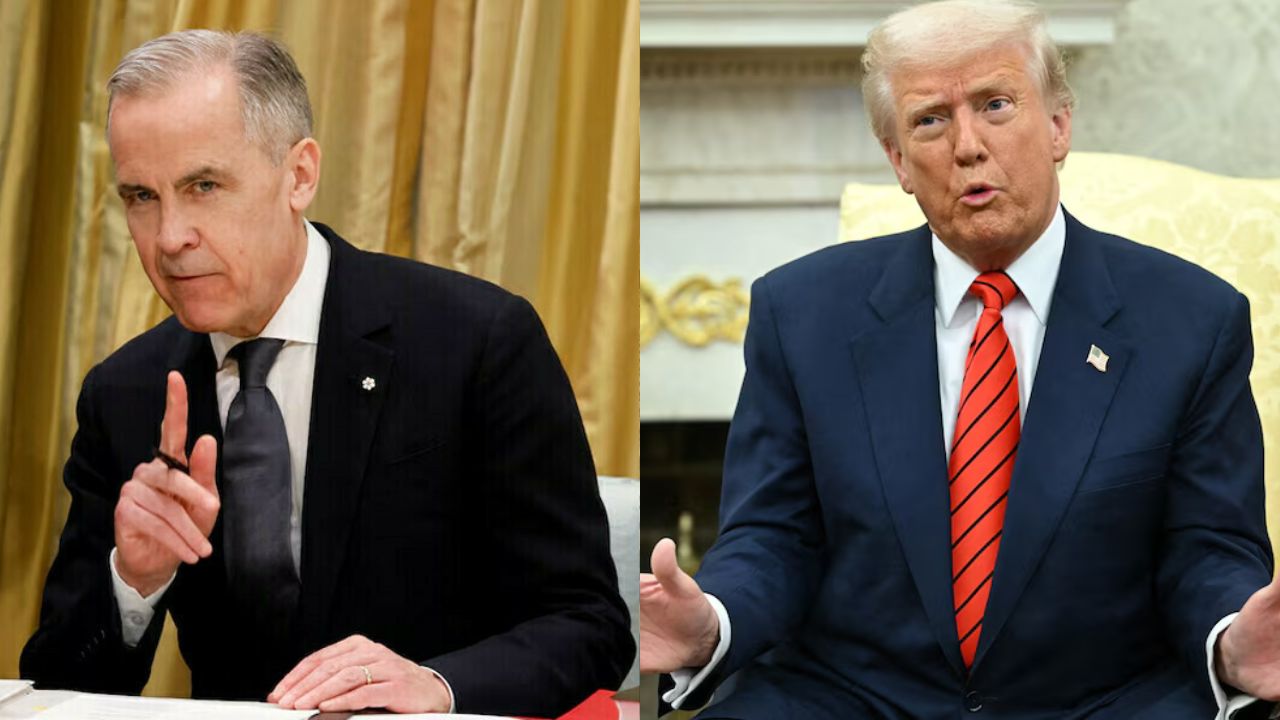
    Canadian Prime Minister Mark Carney on Sunday called early elections for April 28, pledging to defeat Donald Trump’s drive to annex the United States’ huge northern neighbor.

    Carney, a former central banker, was chosen by Canada’s centrist Liberal Party to replace Justin Trudeau as prime minister, but he has never faced the country’s broader electorate.

    That will now change as Carney brought parliamentary elections forward several months from October. He made it clear that the barrage of trade and sovereignty threats coming from the US president will be the focus of his campaign.

    “I’ve just requested that the governor general dissolve parliament and call an election for April 28. She has agreed,” Carney said in a speech to the nation, referring to King Charles III’s representative in Canada, a member of the British Commonwealth.

    In power for a decade, the Liberal government had slid into deep unpopularity, but Carney will be hoping to ride a wave of Canadian patriotism to a new majority.

    “I’m asking Canadians for a strong, positive mandate to deal with President Trump,” Carney said, adding that the Republican “wants to break us, so America can own us. We will not let that happen.”

    “We are facing the most significant crisis of our lifetimes because of President Trump’s unjustified trade actions and his threats to our sovereignty,” Carney said.

    “Our response must be to build a strong economy and a more secure Canada,” he added, pledging not to meet Trump until he recognizes Canadian sovereignty.

    Trump has riled his northern neighbor by repeatedly dismissing its borders as artificial, and urging it to join the United States as the 51st state.

    The ominous remarks have been accompanied by Trump’s trade war, with the imposition of tariffs on imports from Canada threatening to severely damage its economy.

    Poll favorites

    Domestic issues, such as the cost of living and immigration usually dominate Canadian elections but, this time around, one key topic tops the list in this country of 41 million people: who can best handle Trump.

    The president’s open hostility toward his northern neighbor — a NATO ally and historically one of his country’s closest partners — has upended the Canadian political landscape.

    Trudeau was deeply unpopular when he announced he was stepping down, with Pierre Poilievre’s Conservatives seen as election favorites just weeks ago.

    But since Trump’s threats, the polls have spectacularly narrowed in favor of Carney’s Liberals, who hold a minority in parliament, and analysts are now describing the race as too close to call.

    “Many consider this to be an existential election, unprecedented,” Felix Mathieu, a political scientist at the University of Winnipeg, told AFP.

    Poilievre, 45, is a career politician, first elected when he was only 25. A veteran tough-talking campaigner, he has sometimes been tagged as a libertarian and a populist.

    On Sunday, Poilievre — seen by some as too similar to Trump in style and substance — set the tone.

    “I want the opposite of what Donald Trump wants,” the Conservative leader said in Toronto, promising to base his campaign on bread-and-butter economic issues and the worries of “regular people.”

    Kicking off his campaign in Labrador and Newfoundland, Carney told supporters on Canada’s Atlantic coast that the country needed “big change” to turn its economy around and “fight Donald Trump’s tariffs.”

    ‘Don’t care’

    Carney, 60, has spent his career outside of electoral politics. He spent more than a decade at Goldman Sachs and went on to lead Canada’s central bank, and then the Bank of England.

    Smaller opposition parties could suffer if Canadians seek to give a large mandate to one of the big two, to strengthen their hand against Trump.

    The US leader professes not to care who wins the Canadian election, while pushing ahead with plans to further strengthen tariffs against Ottawa and other major trading partners on April 2.

    “I don’t care who wins up there,” Trump said this week.

    “But just a little while ago, before I got involved and totally changed the election, which I don’t care about … the Conservative was leading by 35 points.”