Author: News Desk

  • Supreme Court converts rape conviction into ‘consensual adultery’, reduces sentence of accused

    Supreme Court converts rape conviction into ‘consensual adultery’, reduces sentence of accused

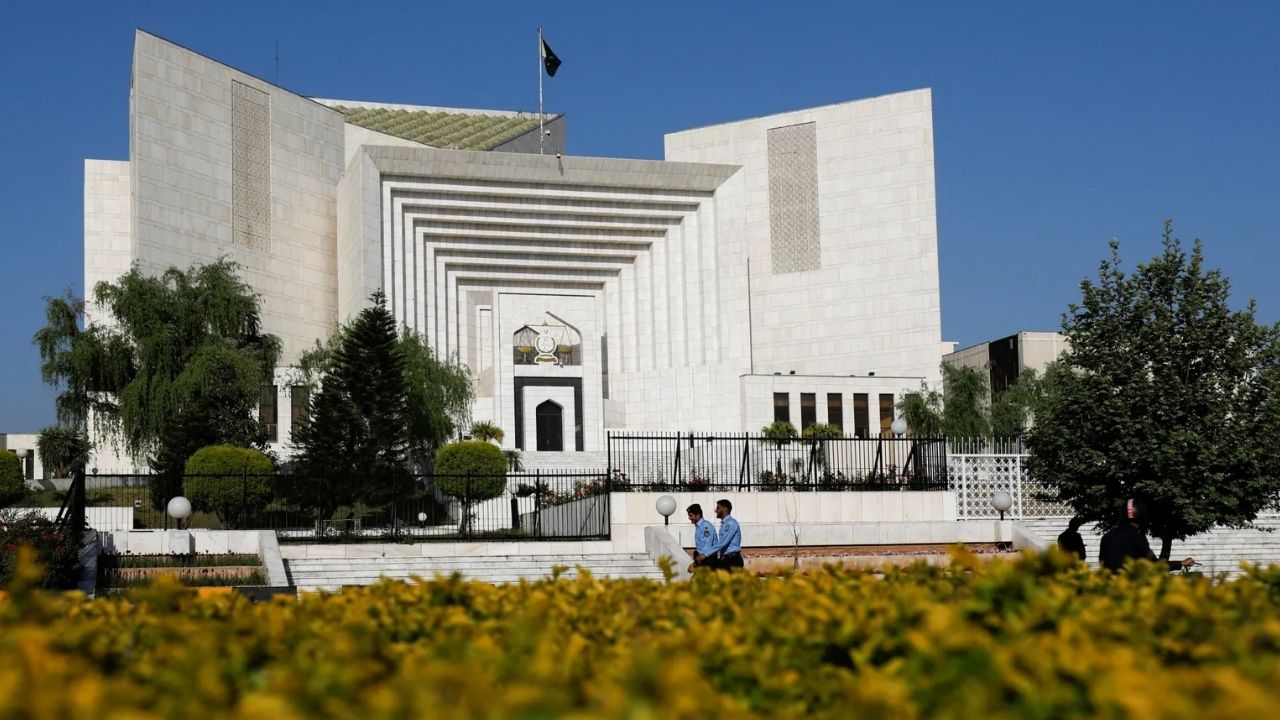
    The Supreme Court (SC) has converted a rape conviction into a case of consensual adultery, reducing the sentence of the accused from 20 years in jail to five years’ rigorous imprisonment.

    The imposed fine was also reduced from Rs500,000 to Rs10,000; however, in case of default, the accused will serve an additional two months in prison.

    In a six-page judgment, authored by Justice Malik Shahzad Khan of the apex court, it was said that the majority of the bench found the evidence did not prove rape, but established consensual sexual relations.

    While Justice Salahuddin Panhor dissented from the majority view, the court noted that in cases of consensual adultery, the complainant may also be liable to punishment.

    However, in this case, she was neither served a challan nor given the opportunity to defend herself during trial. The court ruled that no punishment could be imposed on her at the appellate stage without granting a hearing.

    Referring to the facts, the judgment highlighted that the FIR [First Information Report] was lodged nearly seven months after the alleged incident and the prosecution failed to explain how the accused knew the complainant would be present at the location at a specific time.

    The judgment further pointed out that the complainant did not resist during the incident, no marks of violence or injuries were found in the medical report and her clothes were neither produced as evidence nor shown to be torn.

    In his dissenting note, Justice Panhor maintained that the case was one of rape and the conviction should have been upheld. He observed that many rape cases go unreported due to social pressure, stigma and threats, and delay in lodging an FIR should not be used against victims.

    He added that a lack of resistance in the presence of a weapon and absence of injuries after months were not unusual in such cases.

  • Most proceeds from auction to be reinvested in PIA

    Most proceeds from auction to be reinvested in PIA

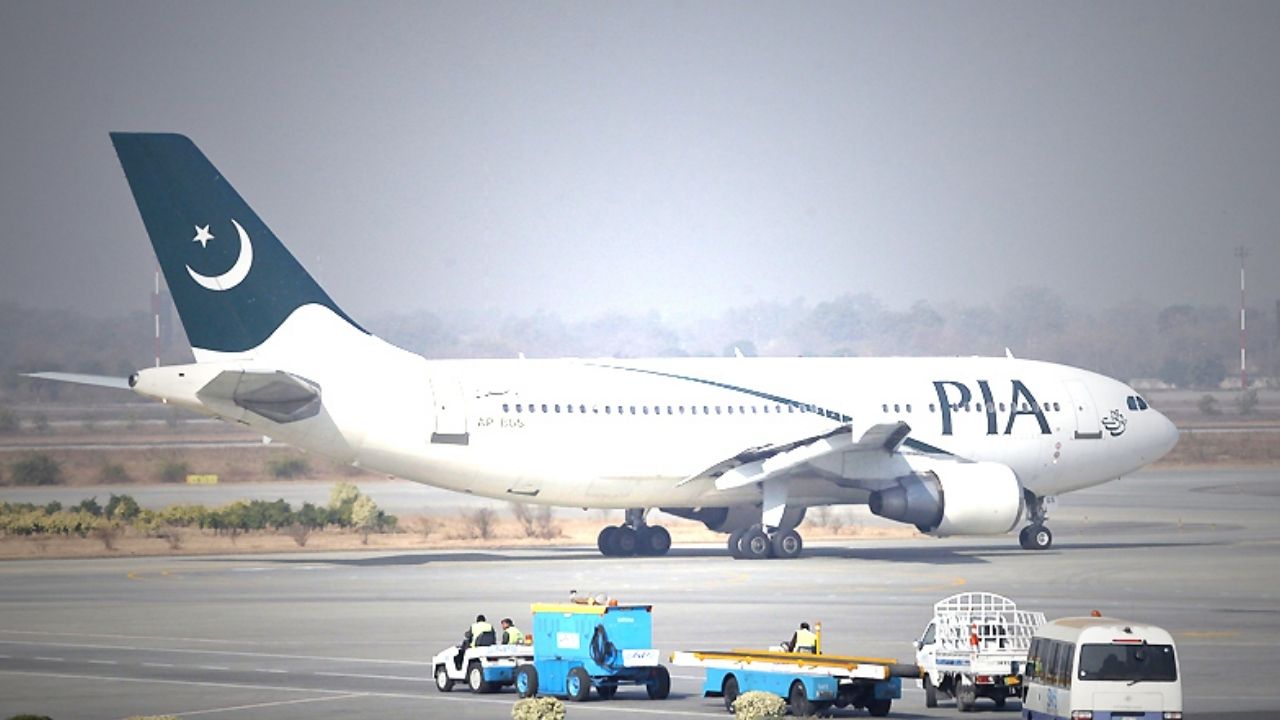
    The government is set to auction a 75% stake in Pakistan International Airlines (PIA) with a commitment to reinvest most of the proceeds back into the national carrier struggling with financial troubles, reports said Friday.

    According to reports, officials have briefed a Senate panel about the plan as Prime Minister’s (PM) Adviser on Privatisation Muhammad Ali said 92.5% of the bidding proceeds would be reinvested in PIA to support its turnaround.

    He added that the airline would still require an additional Rs80 billion in financing after privatisation to stabilise operations and fund growth.

    Ali told the Senate Standing Committee on Privatisation, chaired by Senator Afnan Ullah Khan, that PIA currently operates 18 aircraft and needs fresh investment to induct new planes. He said the reference price for the bidding has not yet been finalised.

    Only the airline’s core aviation business is being privatised. Assets such as the Roosevelt Hotel in New York will remain under government ownership and will be developed through a joint venture instead of privatisation.

    Privatisation Commission Secretary Usman Bajwa informed the committee that the government could sell up to 100% of PIA shares depending on investor interest and final approvals.

    He said major obstacles that undermined a previous privatisation attempt have been removed including Rs33 billion in liabilities that investors were earlier required to assume. Tax-related issues including those linked to sales tax have also been resolved.

    Bajwa noted that the reopening of routes to Britain and Europe has strengthened PIA’s commercial outlook. Negotiations with investors over final commercial terms have entered the last stage and are expected to conclude soon.

    Following privatisation the airline will immediately need about Rs80 billion in financing to sustain operations.

  • Pakistan explores strategy to avoid IMF after 2027

    Pakistan explores strategy to avoid IMF after 2027

    The federal government has begun internal discussions on developing a credible strategy to permanently exit the International Monetary Fund (IMF) framework once the ongoing $7 billion bailout package expires in September 2027, amid growing concern that weak economic buffers could push Pakistan back into yet another rescue package.


    Government sources told a private media outlet that a high-level meeting has recently been held to assess whether Pakistan can sustain its economy without the IMF’s backing after the package ends. The discussion focused on the country’s capacity to manage external financing needs while transitioning from economic stabilisation to growth.


    According to a Planning Commission report, Pakistan may be at risk of falling into another IMF program if deep-rooted reforms, including building adequate foreign exchange reserves and establishing complete industrial value chains to increase exports, are not immediately implemented.

    When contacted, Ahsan Iqbal, Minister of Planning, stated that the commission had outlined specific requirements for the current bailout the country’s last.

    “Our recommendation was that if we are to make the current IMF programme the last one, then we need to commit ourselves to $63 billion in exports by 2029; otherwise, we will face an external sector gap,” he said.

    According to officials, the assessment assumes that if Pakistan shifts from stabilisation to growth mode, the current account deficit may momentarily increase to less than 2% of GDP, or more than $10 billion a year. 

    This would require additional external financing of $4 billion in 2027-28, $5.5 billion in 2028-29, and another $3 billion in 2029-30.

    Despite these challenges, the Planning Commission thinks Pakistan can manage an external financing requirement of more than $12 billion between 2028 and 2030 and survive without IMF assistance if immediate structural changes are implemented.


    According to the internal assessment, Pakistan could secure $3 billion in new foreign direct investment, increase exports by $4 billion, attract an additional $4 billion in remittances, and reduce imports through agriculture-based substitutes in order to meet its additional gross financing needs during the 2028–31 period.

    According to sources, the commission believes that if Pakistan develops robust fiscal and external buffers, it can still avoid a 27th IMF program. However, because of the country’s low reserves and severe financial strains, whole-of-government ownership of reforms is crucial.

    The commission has also advised the government to explore converting $14 billion in short-term bilateral loans into long-term financing to reduce external repayment stress. The Ministry of Finance spokesperson did not respond to questions on whether it agreed with the commission’s assessment or the feasibility of restructuring short-term loans.

    Following recent public remarks by the State Bank of Pakistan (SBP) and the Special Investment Facilitation Council (SIFC), both of which acknowledged the flaws of existing development models, discussions regarding Pakistan’s long-term economic direction have become more heated. 

    The failure of government measures to significantly improve Pakistan’s macroeconomic prospects, leaving the nation dependent on the IMF and other creditors, has also been questioned.

    A three-tier reform roadmap has been suggested by the Planning Commission. Fiscal management, energy sector reforms, governance, human resource development, and export alignment are the main topics of the first phase, which will last from the next year until 2027.

    With a focus on industrialization, export expansion, technological adoption, and agricultural modernization, the second phase, which runs from 2029 to 2032, asks for faster investment-led growth.

    In order to transform Pakistan into a techno-economy, the commission proposes moving toward high-quality growth drivers in the third phase.

    Sources said Prime Minister Shehbaz Sharif has directed the Planning Commission to develop a results-based strategy to convert long-term plans into measurable outcomes, with the explicit goal of ending Pakistan’s reliance on the IMF.

    The assessment presents a bleak image of Pakistan’s economic fundamentals. Public and private investment is declining, productive sectors remain underfunded, and there is poor alignment between investment decisions and strategic priorities.

    Economic growth has averaged 3.9 percent since 2000, compared to six percent in regional economies, reflecting falling total factor productivity. Unemployment has risen sharply, increasing from 4.7 million in 2020-21 to an estimated six million by 2024-25. Pakistan now ranks 168 out of 193 countries on the Human Development Index.

    Despite increasing resource transfers through the 7th NFC Award and devolution under the 18th Constitutional Amendment, regional disparities have grown.

    The commission cautioned that, in contrast to the existing level of about 14 percent of GDP, sustainable growth requires investment surpassing 20 percent of GDP. Pakistan’s exports have grown only 4.1 times this century, while Vietnam’s expanded 26 times over the past 24 years.

    Pakistan also has some of the highest tax rates across income brackets, with a top rate of 45 percent for high earners compared to 30 percent in India and Bangladesh, which need to be rationalised to encourage business activity.
  • Fact Check: Did Australia ban visas for Pakistanis after Bondi Beach attack?

    Fact Check: Did Australia ban visas for Pakistanis after Bondi Beach attack?

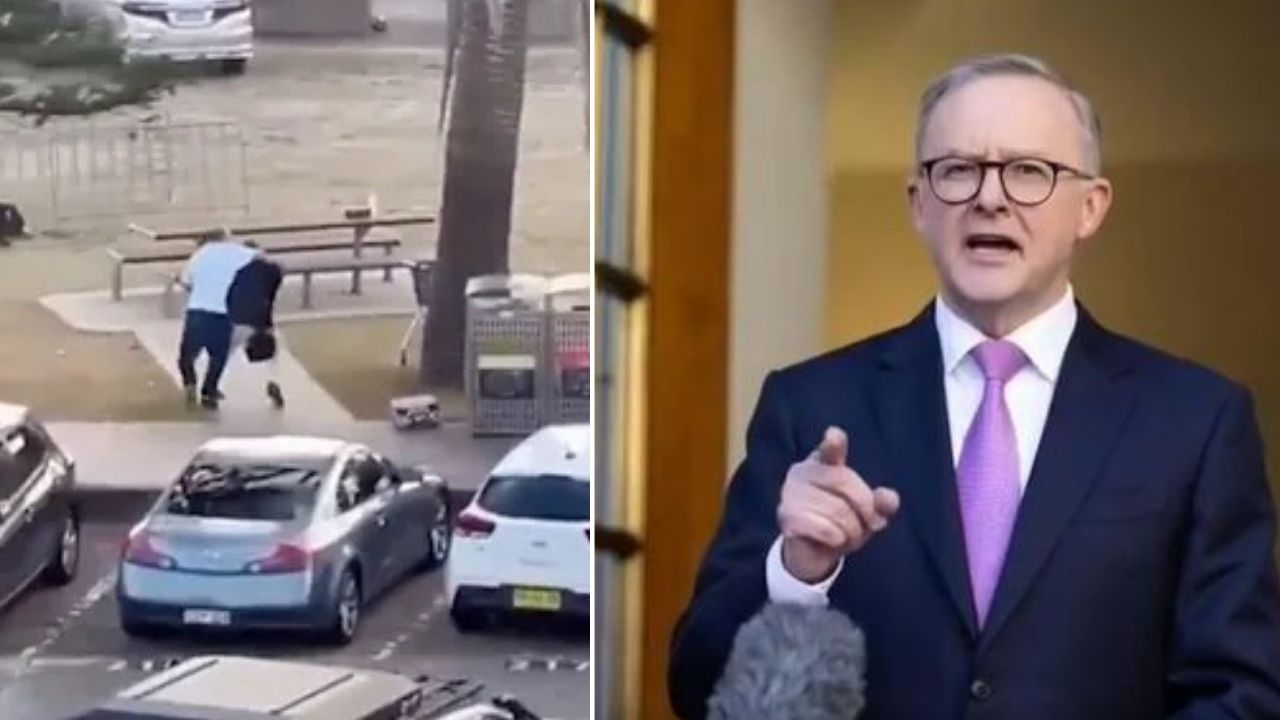
    A video circulating on social media claims that Australian Prime Minister Anthony Albanese announced a blanket ban on visas for Pakistanis following the deadly Bondi Beach shooting. The claim is false.

    The six-second video appears to show Albanese saying, “Pakistani-origin terrorist Naveed Akram has been arrested in today’s terrorist attack. Australia is suspending all visa services for Pakistanis effective immediately.”

    Social media users shared the video widely after Albanese promised a sweeping crackdown to eliminate antisemitism following the December 14 shooting at Sydney’s Bondi Beach, where gunmen killed 15 people at a beachside Jewish festival.

    Authorities have identified the suspects as father and son, 50-year-old Sajid Akram and 24-year-old Naveed Akram. Police killed Sajid in a shootout, while Naveed survived and remains in custody.

    At a press conference on December 15, Home Affairs Minister Tony Burke confirmed the son is an Australian citizen, while the father had entered the country on a student visa in 1998 and later secured a partner visa.

    The prime minister announced several measures, including giving the home affairs minister new powers to cancel or reject visas for those who spread hate and division. However, he never announced a visa ban for Pakistanis.

    A spokesperson for Australia’s Department of Home Affairs confirmed on December 19, “There have not been any changes on visa services or applications for those applying for a visa from Pakistan.”

    According to media reports, Indian authorities have identified Sajid as an Indian citizen. Police in India’s southern state of Telangana said Sajid originally hailed from Hyderabad and migrated to Australia seeking employment in November 1998, approximately 27 years ago.

    Analysis of the circulating video reveals clear signs of AI manipulation. Albanese’s lip movements do not match his speech, which sounds stilted and bears no resemblance to his actual speaking voice.

    A reverse image search using keyframes from the video found the images match reports from The Age and The Guardian from August 4, 2022, showing Albanese at a press conference about his Labor Party’s climate bill passing the lower house.

  • Bangladesh protest leader’s killing sparks unrest ahead of elections

    Bangladesh protest leader’s killing sparks unrest ahead of elections

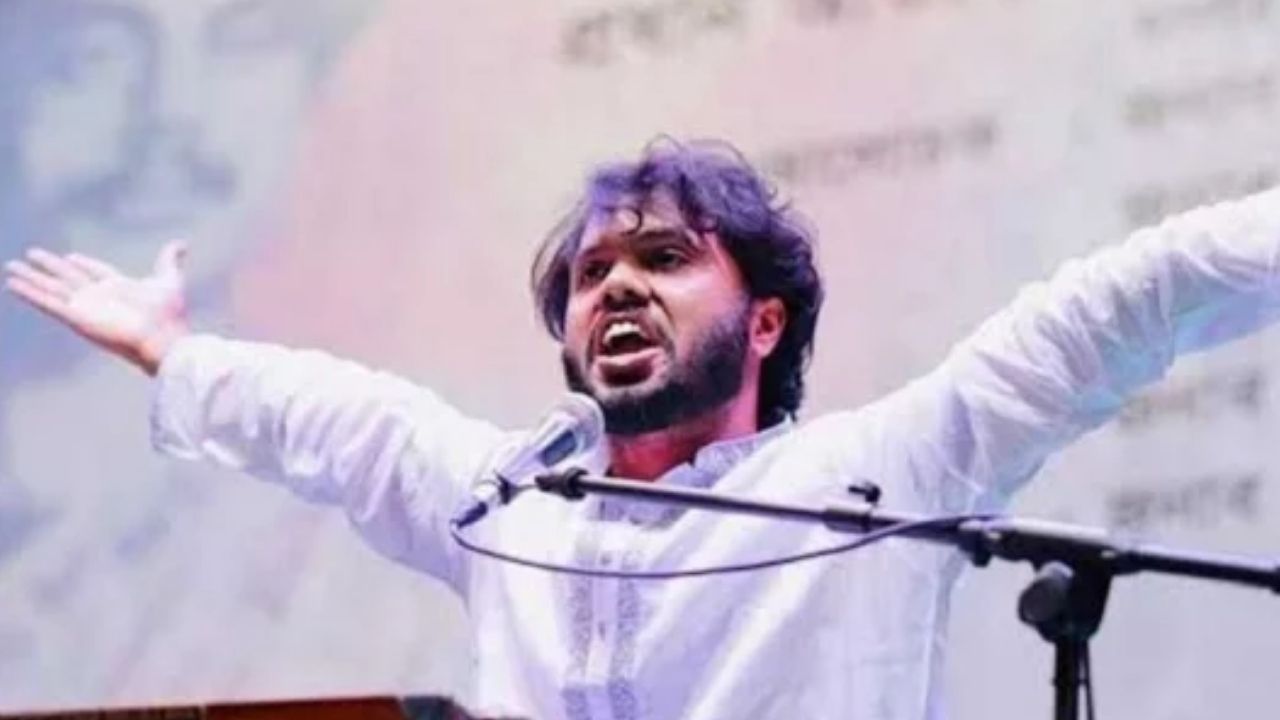
    Sharif Osman Bin Hadi, a prominent leader of Bangladesh’s 2024 student-led uprising, who was flown to Singapore after being critically wounded in an assassination attempt, has died, Singaporean authorities have confirmed.

    “Despite the best efforts of the doctors… Hadi succumbed to his injuries,” Singapore’s Ministry of Foreign Affairs said in a statement, confirming his death after days of intensive medical treatment.

    Hadi, 32, was shot in the head on December 12 while traveling in a battery-powered autorickshaw in Bangladesh’s capital, Dhaka, according to local media.

    The student leader was taken to Dhaka Medical College Hospital after the shooter opened fire from a motorcycle and fled the scene.

    Local physicians told the newspaper that Hadi’s brain stem had been damaged. As his condition deteriorated, he was evacuated to Singapore on December 15 and admitted to the neurosurgical intensive care unit at Singapore General Hospital (SGH) for advanced treatment.

    Hadi was a senior leader of the student protest group Inqilab Mancha – platform for revolution – who had emerged as a key figure during the 2024 uprising. 

    Additionally, he was being regarded as a possible independent candidate for the Dhaka-8 constituency in the February national elections.

    Known for his vocal criticism of India, Hadi’s political profile increased dramatically in recent months as Bangladesh experienced political turmoil after Sheikh Hasina’s removal. The former premier remains in self-imposed exile in India.

    Announcing his death on Facebook late Thursday, Inqilab Mancha described him as a martyr. “In the struggle against Indian hegemony, Allah has accepted the great revolutionary Osman Hadi as a martyr,” the group said.

    Police have launched a large-scale hunt for those involved in the shooting, releasing photographs of two key suspects and announcing a reward of five million taka (approximately $42,000) for information leading to their arrest. 

    According to a Bangladeshi newspaper, at least 20 people linked to the incident have been arrested so far, though investigations into the murder remain ongoing.

    The killing triggered immediate political condemnation and expressions of grief across the country. Bangladesh’s interim government head Muhammad Yunus said Hadi’s death “is an irreparable loss for the nation”.

    “The country’s march towards democracy cannot be halted through fear, terror, or bloodshed,” Yunus said in a televised address on Thursday.

    The government declared a half-day of national mourning on Saturday and organised special prayers at mosques following Friday prayers. Condolence messages were also released by political parties.

    “We are deeply saddened by the death of Sharif Osman Hadi, spokesperson of Inqilab Manch and independent candidate for Dhaka-8 constituency,” Bangladesh National Party (BNP) acting chairman Tareq Rahman said in a Facebook post.

    In a separate press statement, the National Citizen Party (NCP) said it was “deeply saddened” by Hadi’s death, and extended condolences to his family.

    Within hours of learning of Hadi’s passing, protests erupted in Dhaka and other cities throughout Bangladesh. Hundreds of protesters went to the streets to express their outrage over what they claimed was a politically motivated murder.

  • Mawra Hocane bids emotional farewell to megahit Jama Taqseem

    Mawra Hocane bids emotional farewell to megahit Jama Taqseem

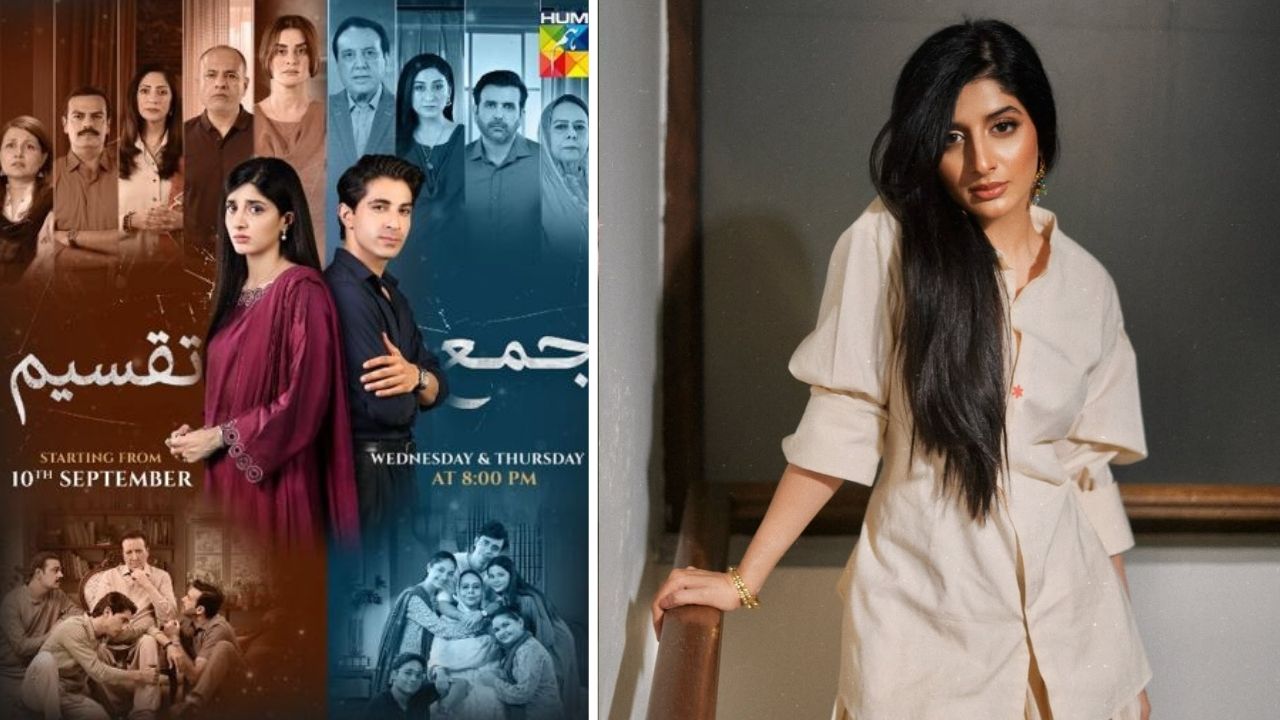
    Actress Mawra Hocane has said goodbye to her superhit drama serial Jama Taqseem, expressing gratitude to fans and her team for making the project a success.

    The actress shared a series of stunning pictures on social media with the caption: “Dressed up to say Bye-Bye ???????? JAMA TAQSEEM ????,” marking the end of what she described as a “special run.”

    Styled by @khojiiii [Tabesh Khoja] in @phool_by_yawar [PHOOL by yawar], with makeup by @nirmalwadher_official [Nirmal Wadher] and hair by @nabila_salon [NABILA], Mawra looked radiant in the farewell snaps. 

    She used the post to thank her supporters, writing, “Just want to say THANKYOUUUUU to all of you for endless & continuous love…. Such a special run… our hearts are soooo full Alhumdulillah ????????????.”

    The actress also thanked her entire team for their hard work and dedication, promising followers more exciting content ahead. “On behalf of my whole team… see you all again with something bigger, better & more entertaining… Thank you so so much,” she added.

    Fans flooded the comments section with emotional tributes. 

    “Laila will be surely missed ❤️,” one user wrote, while another commented, “So proud of you, girl.” Others praised the drama’s quality, with one viewer noting, “Thank you for this masterpiece!! Indeed a special run! ❤️” Another fan declared it the “Best script everrrrrr .”

    Mawra played the lead role of Laila in Jama Taqseem, a drama that explored complex family dynamics and societal pressures. 

    The drama aired its final episode on Thursday night.

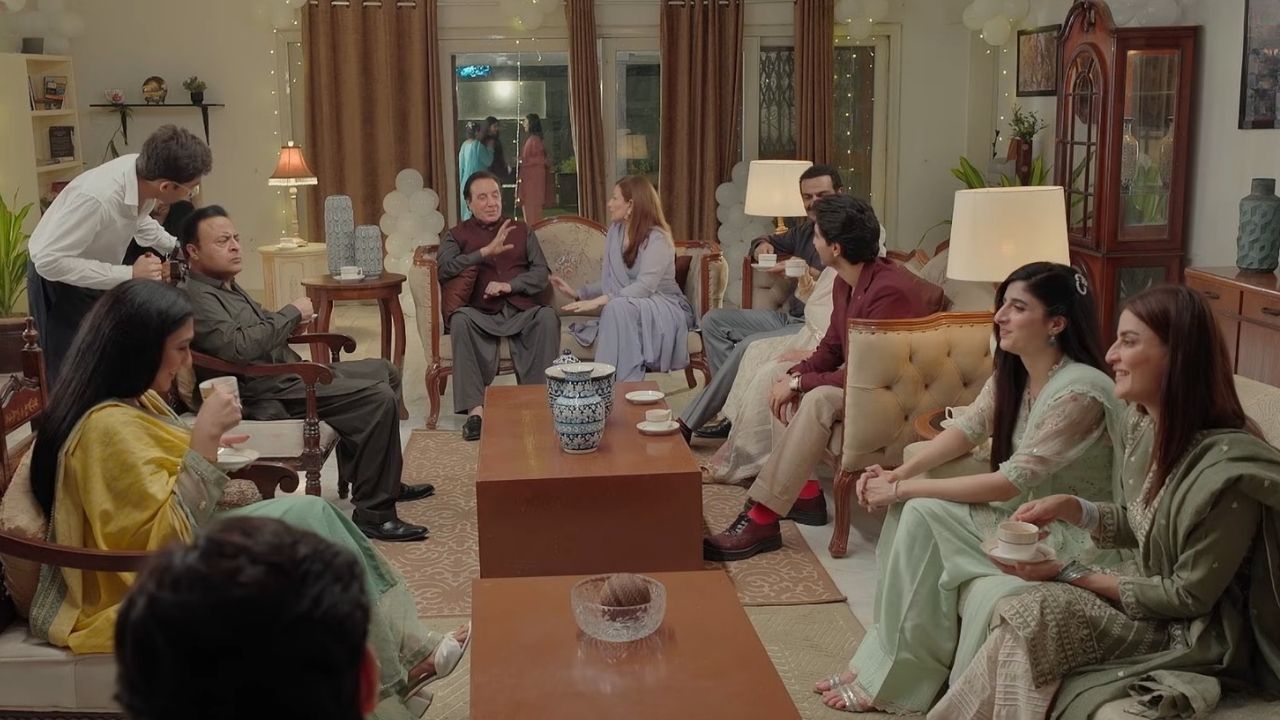
  • Cars in the driveway, peace in the family: Jama Taqseem’s perfect ending

    Cars in the driveway, peace in the family: Jama Taqseem’s perfect ending

    In one of the best finales of any drama this year, Jama Taqseem’s finale will make you smile and full of warmth with the real happily ever after.

    The family gets together for Abba Jee (Javed Shaikh) and Amma’s wedding anniversary and the one part that we were all wary off is settled with the best stinger: Sidra rises like the confident girl we all knew she would.

    Even though Faisal, her cousin, wants to marry her, she rejects him, telling him and Zeeshan that she wants to make something of herself and needs no one’s pity to be who she is meant to be.

    She rightfully says that she wants to become something for her parents and she and her sister would show that to everyone when they do. And we can’t help but smile and literally clap for her and girls everywhere – this is the episode we were all waiting for.

    And the finale doesn’t end there. It allows the bitter Abba Jee to realise that every woman – including his wife – deserves her own house. And only when massively pushed does he agree to live with his son Majeed, whose wife needs her elders with her, making this all about a choice, a choice on who to live with and who not to.

    And to his credit, Abba Jee fills our hearts even further, by saying that his other son cannot live with him and can only visit – a silent nod to Zeeshan that Zeeshan’s crime might have been forgiven by the elders but it was and will not be forgotten. All is well but all will not be forgotten that easily. 

    Qais (Talha Chahour) also apologises to Laila (Mawra Hocane) for not realising what a toll pregnancy can take on a woman and her, and Laila also apologises for being insecure.

    The moments in the finale are what truly can move you to tears because you have felt them too. The cars in a driveway, highlighted to show a full house, the family whatsapp group where everyone is connected, watching your kids laugh and play with each other and remembering the bad times that in memory, become the good times like stealing milk.

    It is a beautiful ode to family and when it ends, you will want to call your family, or write in your family whatsapp group because it teaches you that there is nothing except family, understanding, and respect. And that is what life is all about. Letting others live and living with them in love and harmony.

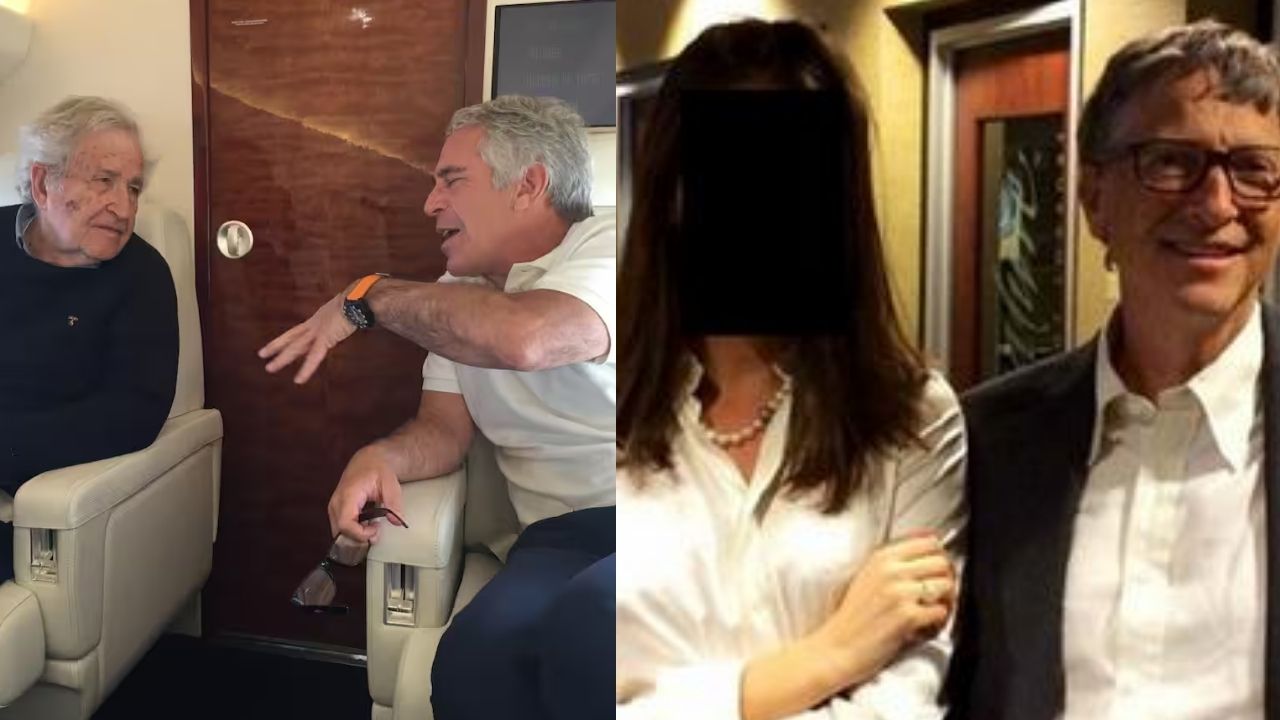
  • Bill Gates, Noam Chomsky seen in latest Epstein estate photos

    Bill Gates, Noam Chomsky seen in latest Epstein estate photos

    Congressional Democrats on Thursday released dozens of new images from the estate of the late convicted sex offender Jeffrey Epstein, a day before the U.S. Justice Department is legally required to release unclassified files from its investigation of the disgraced financier.

    The most recent collection features 68 images that reveal unsettling details: detailed close-ups of phrases from Lolita written in black ink on various parts of a woman’s body, including her chest, foot, neck, and back; redacted identification cards belonging to women from Russia, Morocco, Italy, the Czech Republic, South Africa, Ukraine, and Lithuania; and a late-night conversation via text about sending girls to someone referred to as “j” for $1,000 each.

    These images are among approximately 95,000 that Epstein’s estate submitted to the House Oversight Committee. Recently, Democrats unveiled 19 photographs, including a few featuring current President Donald Trump, who dismissed the images as “no big deal.” 


    The new release also shows Bill Gates, professor and political activist Noam Chomsky, and former Trump aide Steve Bannon. Representatives for Gates, Chomsky, and Bannon did not immediately respond to requests for comment.

    Committee Democrats said the photos “were selected to provide the public with transparency into a representative sample of the photos” and “to provide insights into Epstein’s network and his extremely disturbing activities.”

    They noted that thousands more images, “both graphic and mundane,” are still being examined.

    “Oversight Democrats will continue to release photographs and documents from the Epstein estate to provide transparency for the American people,” said California Representative Robert Garcia, top Democrat on the Oversight Committee. 

    “As we approach the deadline for the Epstein Files Transparency Act, these new images raise more questions about what exactly the Department of Justice has in its possession. We must end this White House cover-up, and the (United States Department of Justice) DOJ must release the Epstein files now.”

    White House spokeswoman Abigail Jackson responded, saying the latest release changes nothing. “President Trump has been consistently calling for transparency related to the Epstein files and his administration has delivered,” she said in a statement.

  • Ducky Bhai reveals how much he earned from his comeback vlogs

    Ducky Bhai reveals how much he earned from his comeback vlogs

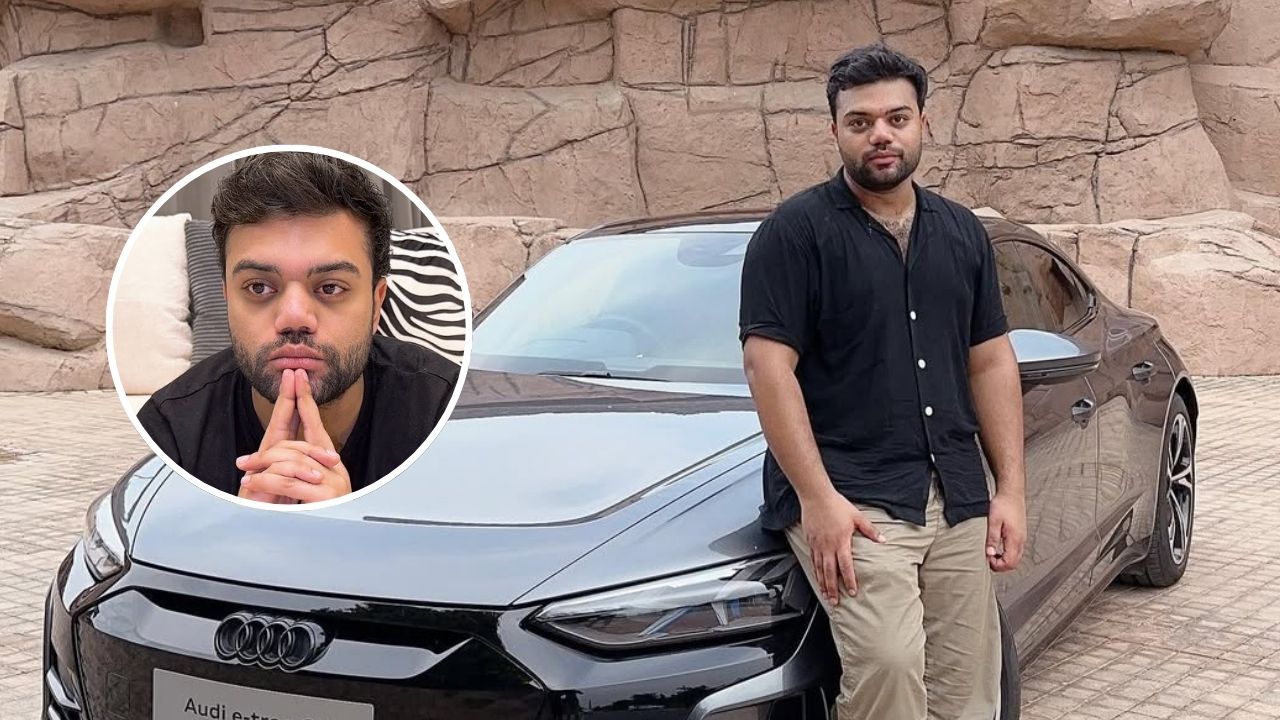
    Pakistani YouTuber Saad ur Rehman, better known as Ducky Bhai, has revealed that authorities have stripped him of full access to his YouTube channel, leaving him unable to earn from his content.

    “I don’t have access to my YouTube channel. I have only editor access. There are no details regarding my revenue because I don’t have access to my own channel,” he explained in a vlog posted Thursday.

    The content creator now has limited editing privileges similar to what channel editors typically receive. “I can’t see information regarding earnings. I don’t have my YouTube channel anymore. They have blocked my AdSense,” he added.

    Ducky Bhai emphasized the financial impact of these restrictions. “Those who say I made a lot of money from videos should know that I earned zero money.”

    He also opened up about troubles at his restaurant, which his associate Areeb (Iqra Kanwal’s husband) currently manages, handling all expenses.

    Ducky Bhai’s legal troubles began in August when authorities arrested him at Lahore’s Allama Iqbal International Airport. The National Cyber Crime Investigation Agency accused him of promoting illegal online gambling and betting applications on his social media platforms, alleging that his endorsements persuaded users to invest in apps lacking regulatory approval and caused financial losses to the public. 

    An FIR named several apps and included video links from his channel that authorities said promoted these platforms.

    After his arrest, Rehman was placed under physical remand and later judicial remand as investigators pursued the case under various sections of the Prevention of Electronic Crimes Act, 2016, and the Pakistan Penal Code. Courts initially rejected his bail pleas, and his legal team filed petitions and appeals that led to the Lahore High Court reviewing his case.

    In late November, the Lahore High Court granted Ducky Bhai bail against surety bonds of Rs1 million. Authorities released him on November 26 after he spent more than three months in custody.

    During and after his detention, Rehman publicly alleged he suffered physical and verbal abuse while in NCCIA custody, describing his experience as deeply stressful and difficult.

  • Security Council report rubbishes Kabul’s denial, supports Pakistan’s claims of support for TTP

    Security Council report rubbishes Kabul’s denial, supports Pakistan’s claims of support for TTP

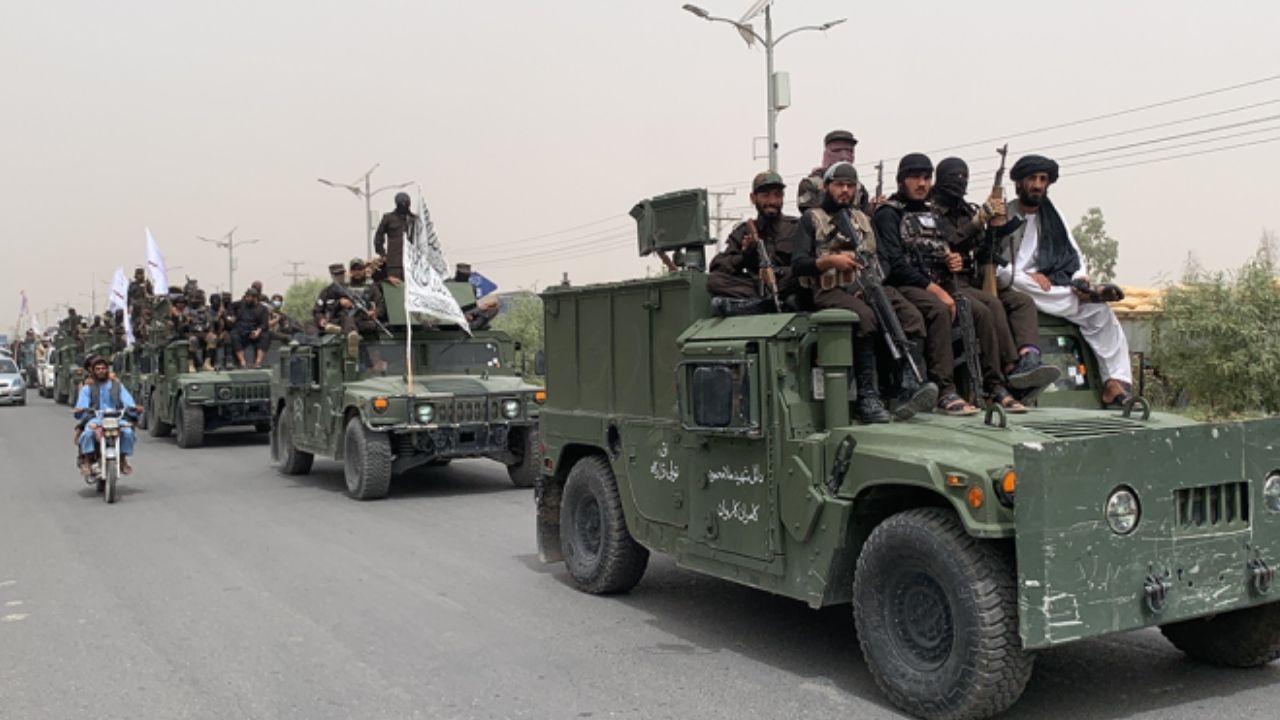
    A United Nations Security Council (UNSC) monitoring report has rejected the Taliban’s claim that Afghan territory is not being used by militant groups for cross-border attacks, calling the assertion “not credible” and warning that neighbouring countries increasingly see Afghanistan as a source of regional insecurity.

    The assessment appears in the 16th report from the Analytical Support and Sanctions Monitoring Team, presented to the UNSC, over four years after the Taliban assumed control in August 2021. 

    The report states that despite repeated denials by the de facto Afghan authorities, multiple terrorist organisations continue to operate from Afghan soil.

    “The de facto authorities continue to deny that any terrorist groups have a footprint in or operate from its territory. That claim is not credible,” the report said, directly contradicting Taliban statements made under the 2020 Doha Agreement, in which they pledged not to allow Afghan soil to be used to threaten other states.

    According to the UN assessment, member states consistently report the presence of Islamic State-Khorasan Province (ISIL-K), Tehreek-i-Taliban Pakistan (TTP), Al Qaeda, the Eastern Turkistan Islamic Movement (ETIM/TIP), Jamaat Ansarullah and Ittihadul Mujahideen Pakistan among other militant groups inside Afghanistan.

    Some of these groups, the report warned, continue to use Afghan territory to plan and prepare attacks beyond its borders.

    Although the Taliban have aggressively targeted ISIL-K, described as their main rival, the UN noted a clear difference in how they handle other groups. ISIL-K’s territorial control has been degraded, but the group remains resilient, continuing to carry out attacks inside Afghanistan and abroad.

    By comparison, Al Qaeda is assessed to maintain close ties with the Taliban, operating quietly across several provinces in what the UN called a “permissive environment” that allows training and reorganisation.

    The report highlighted that the TTP represents the most pressing and immediate risk to regional stability. It characterised the group as operating from Afghan safe havens, receiving backing from segments within the Taliban.

    “Taliban authorities continue to deny and deflect responsibility for failing to restrain TTP,” the report said, adding that sympathy and allegiance toward the group exist within Taliban ranks.

    While some senior Taliban figures reportedly see TTP as a liability that strains relations with Pakistan, others remain openly supportive. Given the historical ties between the two groups, the report concluded that the Taliban are unlikely to act decisively against TTP, even under sustained pressure from Islamabad, and may lack the capacity to do so even if they wished.

    According to the UN, TTP has executed “numerous high-profile attacks in Pakistan from Afghan soil”, marking it as the most destabilising element in Pak-Afghanistan relations. 

    The frequency of these attacks has gradually risen throughout 2025, with estimates indicating over 600 incidents this year.

    Many of these attacks have been described as complex and coordinated, featuring vehicle-borne improvised explosive devices and teams of suicide bombers conducting operations on foot. 

    Alarmingly, the report noted that the majority of suicide attackers involved in Pakistan were reported to be Afghan nationals.

    The UN estimates that approximately 6,000 TTP fighters are currently located in Afghanistan, predominantly in Khost, Kunar, Nangarhar, Paktika and Paktia, while the group’s leader, Noor Wali Mehsud, is allegedly residing in Kabul.

    One unnamed member state asserted that Mehsud’s family receives a monthly stipend of three million Afghanis (approximately $43,000) from the Taliban.

    The ongoing dispute over TTP’s presence has significantly compromised relations between Kabul and Islamabad, leading to cross-border military confrontations, casualties and recurrent interruptions in trade. The report estimated that the closure of border crossings with Pakistan is costing the Afghan economy around $1 million each day.

    Despite the wider militant footprint, the report acknowledged counterterrorism gains by Pakistan, including the arrest of ISIL-K spokesperson Sultan Aziz Azam on May 16. It also cited the mid-2025 arrest of Ozgur Altun, also known as Abu Yasir al-Turki, by Turkish and Pakistani authorities as a key factor behind the suspension of ISIL-K’s media outlet Voice of Khorasan.