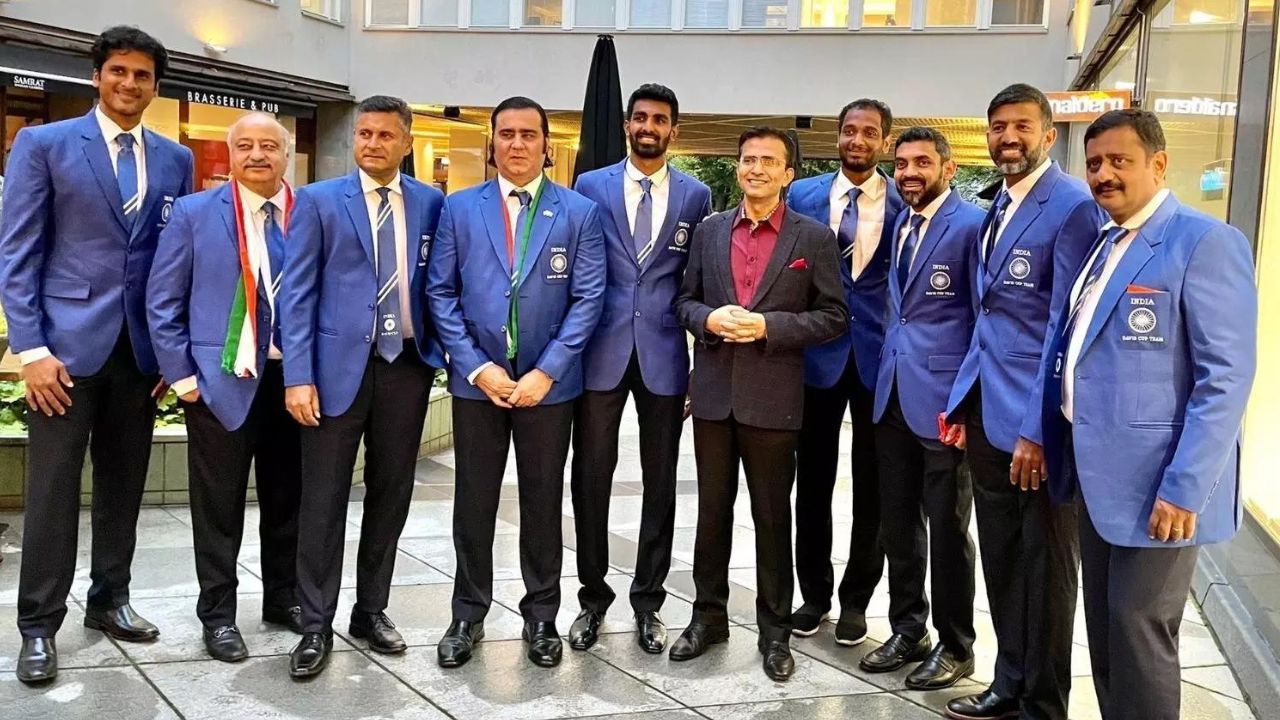
An Indian tennis team has reached Pakistan to play Davis Cup Group 1 tie of the Davis Cup competition after 60 years.
An Indian tennis team last visited Pakistan in 1964. Pakistan Tennis Federation (PTF) Secretary Colonel (retd) Gul Rehman and other officials of the federation welcomed the Indian team on their arrival.
The team arriving in Pakistan includes five players, two physios, one coach, one manager, and one coordinator. The two-day India-Pakistan Davis Cup will begin on February 3 at the Pakistan Sports Complex in Islamabad.
It should be noted that the All-Indian Tennis Association (AITA) tried to use all options to deprive Pakistan of hosting rights, first approaching the Davis Cup Committee and then the Chair of the Independent Tribunal to move the tie to a neutral venue. However, his efforts went in vain and he was left with only two options: either to travel to Pakistan to play the tie or forfeit the tie and face the wrath of the International Tennis Federation (ITF) and pay fines.
Fearing fines and possible repatriation, the Indian team eventually decided to travel to Pakistan and arrived in the federal capital.
In January, a discerning shift towards disinflation is anticipated, as headline inflation is poised to soften to 27.2 per cent year-over-year (YoY), attributed to a favourable base effect.
This decline from the previous month’s 29.7 per cent is primarily influenced by a higher base in the preceding year, while monthly pressures on consumer prices are expected to persist.
Despite the overall yearly decrease, monthly inflation is projected to rise by 0.93 per cent month-over-month (MoM), contrasting with the 12-month average of 2.2 per cent MoM.
Consequently, the average yearly inflation for the first seven months of fiscal year 2024 is estimated at 28.57 per cent YoY, up from 25.40 per cent YoY in the same period last fiscal year.
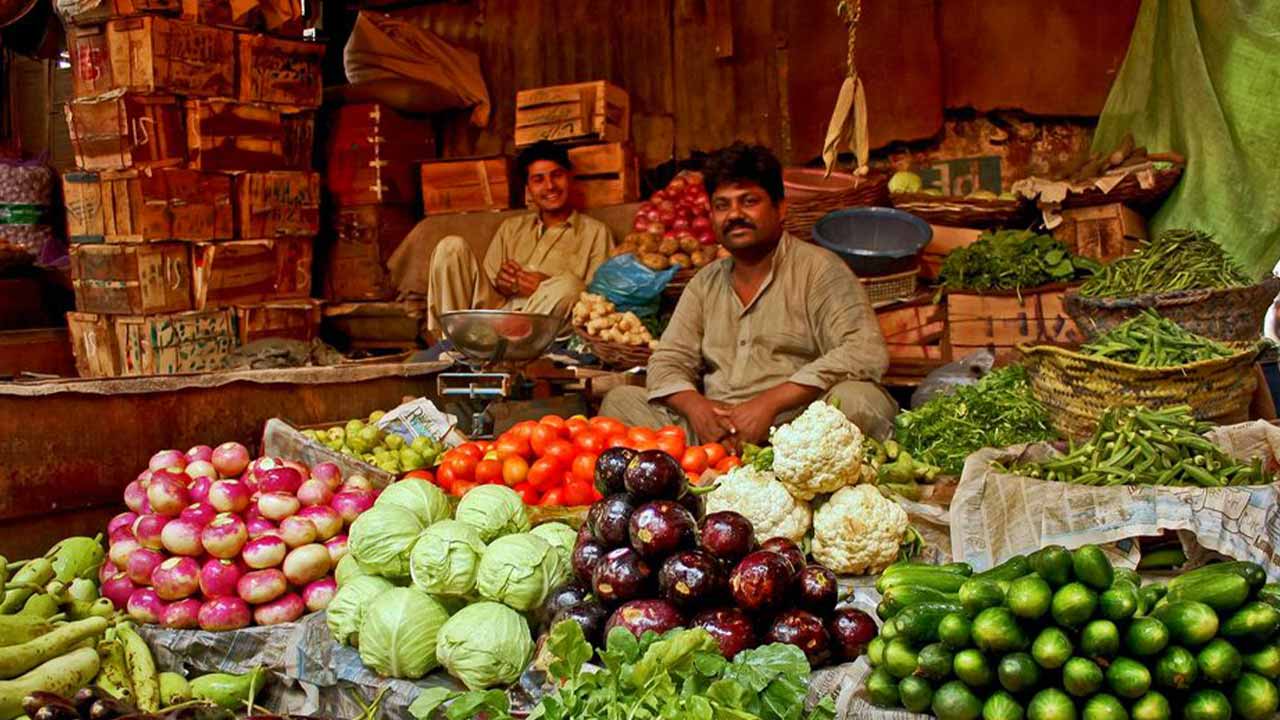
The surge in monthly inflation is predominantly fueled by a rise in the food and housing index. Food inflation is expected to increase by 1.76 per cent MoM, driven by inflated prices of essential commodities such as onions, chicken, tomatoes, eggs, and pulses.
Meanwhile, the housing index is projected to experience a 1.54 per cent MoM increase, primarily due to quarterly rent adjustments. In contrast, the transport index is anticipated to decrease by 2.69 per cent MoM, attributed to relief in fuel prices.
Looking ahead, a 0.5 per cent MoM inflation rate in February could result in an annual headline inflation of around 22 per cent, with a gradual decline below 16 per cent by June 2024.
Even a 1 per cent MoM inflation rate, significantly lower than the 12-month average, is expected to maintain real interest rates from turning positive until March 2024, as illustrated in the accompanying chart depicting various monthly inflation scenarios.
Starting in January, the disinflationary trend is expected to accelerate due to the favourable base effect, the lagged impact of monetary tightening, and other administrative measures.
However, potential risks include unforeseen climate events, volatility in global commodity prices—especially oil—and external account pressures.
Rising global oil prices amid geopolitical tensions pose a threat to the inflation outlook, and an additional gas price adjustment, as suggested by the International Monetary Fund (IMF), may further intensify pressure on consumer prices.
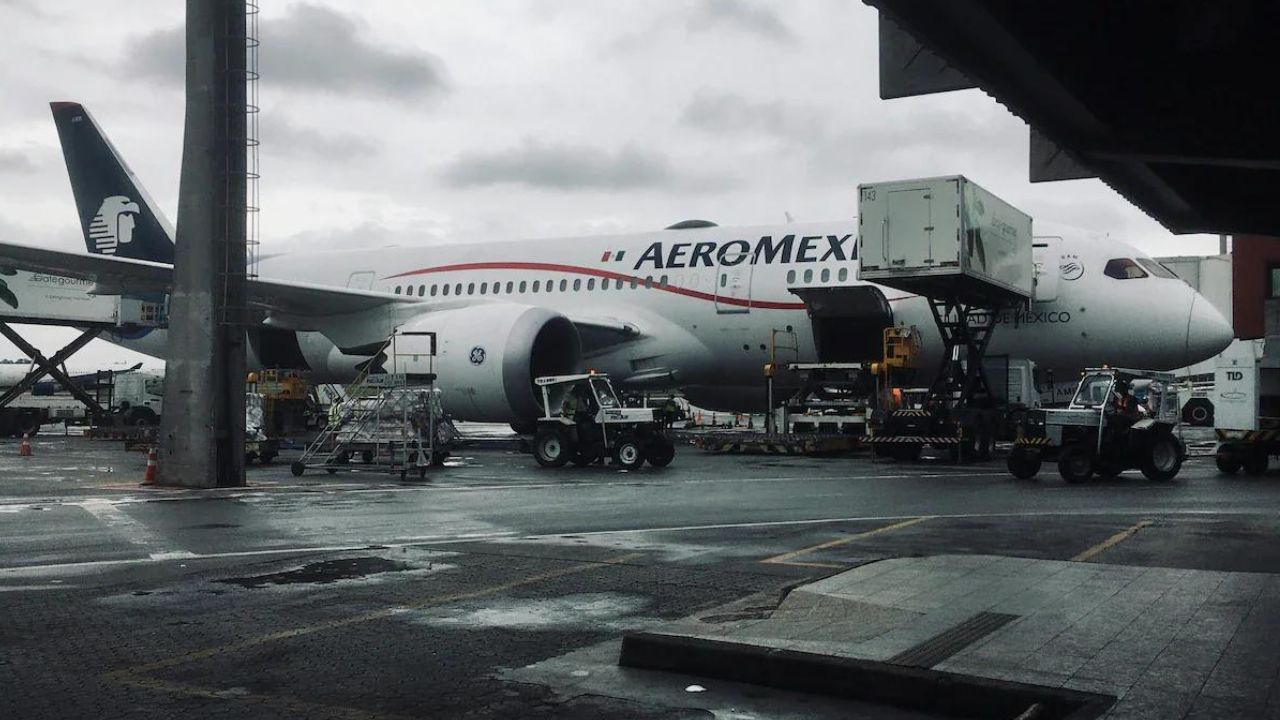
A Guatemala-bound flight from Mexico City faced an unusual twist when a passenger, frustrated by a lengthy delay and hot weather, opened the emergency door and walked onto the wing.
The Aeromexico flight, scheduled to depart at 8:30 am, was grounded on the tarmac for three hours due to a maintenance issue. With no air conditioning or water available, tempers flared high among passengers.
In a dramatic turn of events, one unidentified passenger took matters in his own hands, opening the emergency door and stepping onto the wing to register his protest. While the Mexico International Airport authorities confirmed no harm was caused, the man was detained by police.
The airport said in a statement, “Yesterday a passenger on a flight to Guatemala opened an emergency door on a plane while it was stationary at a remote position, stood on a wing, and then re-entered the cabin, without affecting the aircraft or anyone else.” The statement added that in line with international security regulations, this person turned himself over to the authorities.
Los pasajeros del vuelo 672 de Aeromexico fueron retenidos durante 4 horas, sin acceso a agua y con poca ventilacion, un pasajero abrió una puerta de emergencia y se paro sobre el ala del avion,La Guardia Nacional lo arrestro. pic.twitter.com/dJAO2wN7ds
However, dozens of passengers signed a written statement protesting the airport’s decision to turn the man over to the authorities. At least 77 passengers onboard the aircraft signed the statement demanding the passenger’s immediate release. They said the man’s outburst was ”to protect everyone, with the support of everyone.”
“He saved our lives,” the note declared, emphasizing the dangerous conditions caused by the delay and lack of air. The passengers expressed their support for the man’s actions, arguing they were taken for everyone’s protection.
A report on the incident said that a change of plane had become necessary after the passenger’s dramatic move. It was not clear whether the man was still in custody, or what charges he may face.
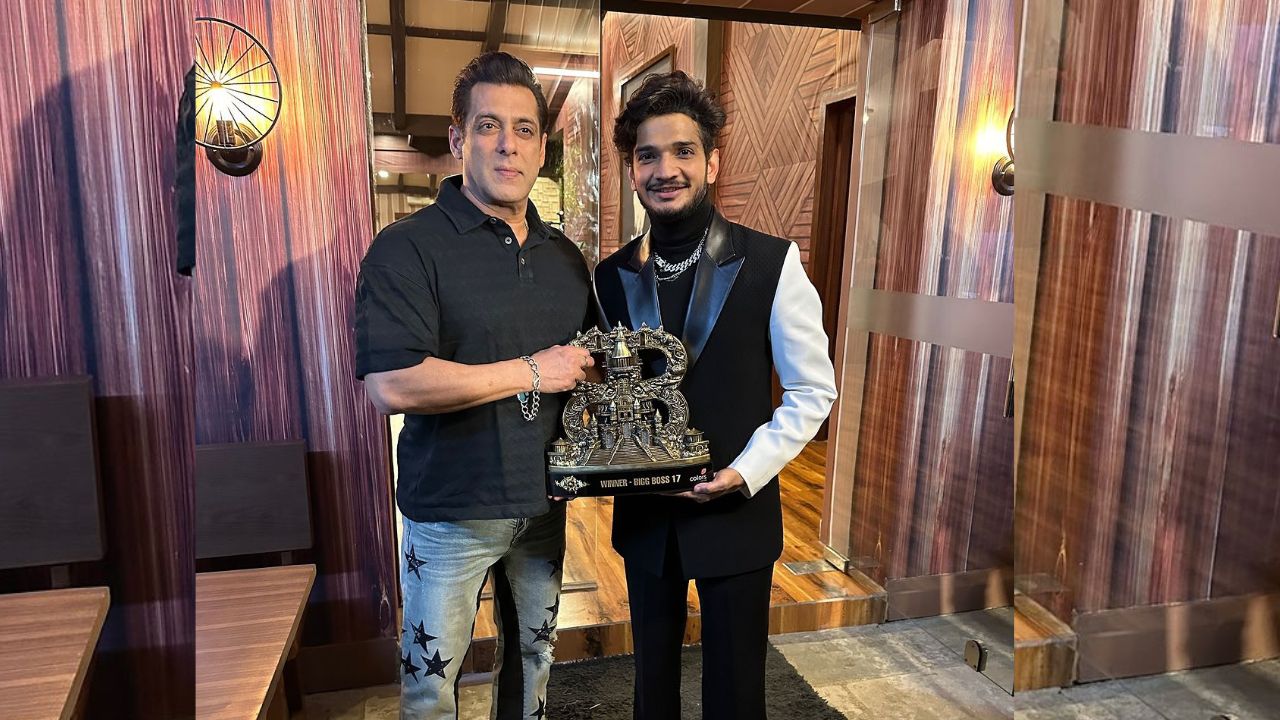
Indian stand-up comedian Munawar Faruqui won Big Boss 17 by defeating Abhishek Kumar in the grand finale. He has gone home with a trophy, prize money of INR 50 lacs, and a luxury car.
Dongri resident, stand-up comedian and rapper Munawar Faruqui gained popularity as the winner of Kangana’s controversial reality show ‘Lock Up’. The comedian stay in the news every day with an endless series of controversies following him.
Munara Chopra walked out of the Bigg Boss 17 house before them. Earlier, Ankita Lokhande was evicted from the house, shocking Salman Khan, who said that he was expecting that he would be the winner of the show.
Munawar may rule millions of hearts today but there was a time when his family was facing financial problems. Before he moved to Mumbai in 2007, his family faced a financial crisis and at that time the comedian had to support his family by selling samosas. Given the circumstances of the family, Manwar Faruqui used to work in a pottery shop in Mumbai. For this work, he was paid only 60 rupees per day.
Munawar has also worked as a graphic designer. In the year 2017, he started working in comedy, and now he is the most loved stand-up comedian in India and is very popular in Pakistan too.
Social media is heavily flooded with election-related content as the country is heading towards poll in less than two weeks. All the major political parties and even independent candidates have released songs and campaigns on social media to impress the audience with catchy tunes.
For us, the Haqooq-e-Khalq Party takes the trophy. Ammar Ali Jan’s “Loudspeaker” is riveting and hits all the right chords. “Haqooq-e-Khalq hai awaz muzdooron aur kisanaon ki” ticks the boxes of aims and ambitions needed to be a part of a manifesto.
https://youtu.be/N8NLGnu5MJ8?si=n_cmM12RVx7jhnDZ
Ammar’s social media team is also venturing into using popular songs as they put famous Punjabi song like “Teer te taj” as a background score to appeal the voters of all backgrounds.
So proud of all the people who are participating in our grassroots campaign in PP160 and NA127. We will keep the red flag flying high! pic.twitter.com/NUkWiLjJDB
Haha. Not sure why social media team chose this song but they tell me I don’t understand tik tok. So I guess/hope they know what they are doing. https://t.co/hPGsNDCY1N
Following Ammar Jan’s effort is the PTI, the party without a symbol. Their campaign is screaming creativity as they have got their songs made separately for the symbols allotted to them be it a fork (kaanta) or a radio.
یار حد ہوگئی۔۔۔ ایسے بھی بھلا کوئی کیمپین کا سوچ سکتا تھا ؟ ریڈیو کیلئے ایسے بھی ووٹ مانگے جا سکتے تھے ؟ pic.twitter.com/1Rsx7PhvHp
Saif ur Rehman is a contesting election from NA 235. He incorporated a Bollywood song ‘Kaanta laga’ for his campaign. It is hilarious and attention-grabbing at the same time.
Usman Dar’s mother Rehana Dar is contesting on PTI’s ticket under the symbol of baby cot for which they have twisted Arif Lohar’s party song, “Aa tenon mouj karawan” seamlessly as “Maan tujhe Salam”.
Folk singer Malko’s ‘Nak da Koka’ went viral for his one verse about “Qaidi 804”. This prompted him to sing part two, titled ‘Murshid’, dedicating it to Imran Khan. This went on to create a spree of songs, all dedicated to PTI, acquiring millions of views.
The popularity of this song influenced PML-N to make a rip-off for their party’s election campaign.
https://youtu.be/sJGK1aPfmYs?si=kpnrImL1ANlPXIhk
‘Umeed se Yakeen Tak’ is slowly growing on the people.
https://youtu.be/WDftWHB_Lso?si=Rm2Mh2JB2r7lSm2Y
Another rip-off of Malko’s ‘Chas Bari Aye Ae’ is groovy all thanks to the original song.
https://youtu.be/xiqx-wjnBaE?si=8N2-IjE_UnnkhMc-
N-League deserves the credit of having an integrated campaign as a YouTube channel is dedicated to songs but most are just rip-offs.
Pakistan People’s Party has recently released a newer version of their widely popular ‘Utho Utho’.
‘Chuno Nayi Soch Ko’ has all there needs to be to appeal to gen-z audience and all the elements of a catchy election campaign.
PPP is not using this song in jalsas anymore but we found a hidden gem with the name of ‘Jiyalay Teer Chala’ on YouTube. It is not just uber-cool but has all the potential for mass appeal.
In a nutshell, the campaigns are in full swing and all the parties are trying their best to have more reach but our observation says that the one that explores more mediums and does not hesitate in experimenting manages to gather more ears and eyeballs.
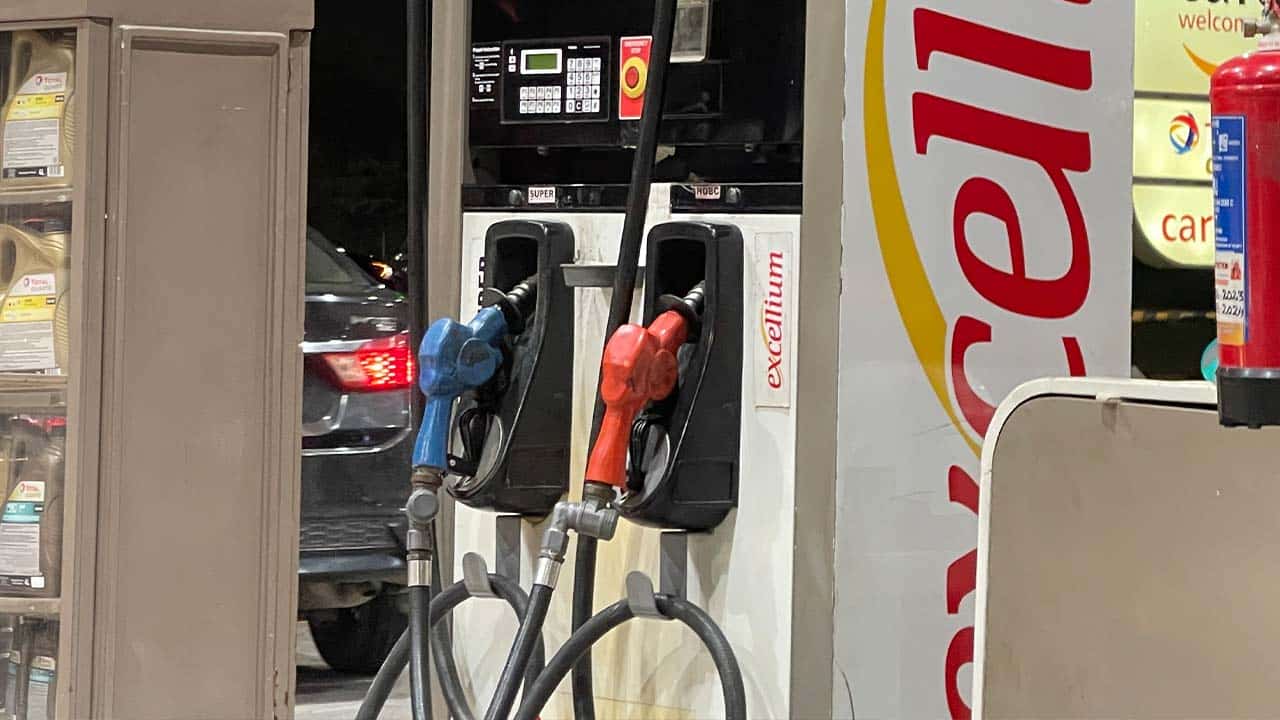
In response to the recent surge in global oil prices, the government is anticipated to raise petrol and diesel prices by Rs11 and Rs6 per litre, respectively, for the first half of February.
The significant 11 per cent and 25 per cent increases in the premium on petrol and diesel contribute to the upward adjustment.
Recent pricing estimates until January 26 reveal a 5 per cent rise in finished petroleum prices to $87.7 per barrel and a 1 per cent gain in finished diesel prices to $97.4 per barrel.
Despite a slight appreciation of the local currency, which stands at a weighted average rate of around PKR 279.87 per USD since the last pricing decision, it remains insufficient to counterbalance the substantial international price hikes.
It’s crucial to note that there are three more sessions before the next pricing update, and final prices will be contingent on global market movements and exchange rate fluctuations.
The government is set to unveil the revised prices at midnight on January 31, 2024, and these adjustments will be effective for the first half of February.
Notably, in the previous fortnight, the government reduced petrol prices by Rs8 per litre to Rs259.34 while keeping diesel prices steady at Rs276.21 per litre.
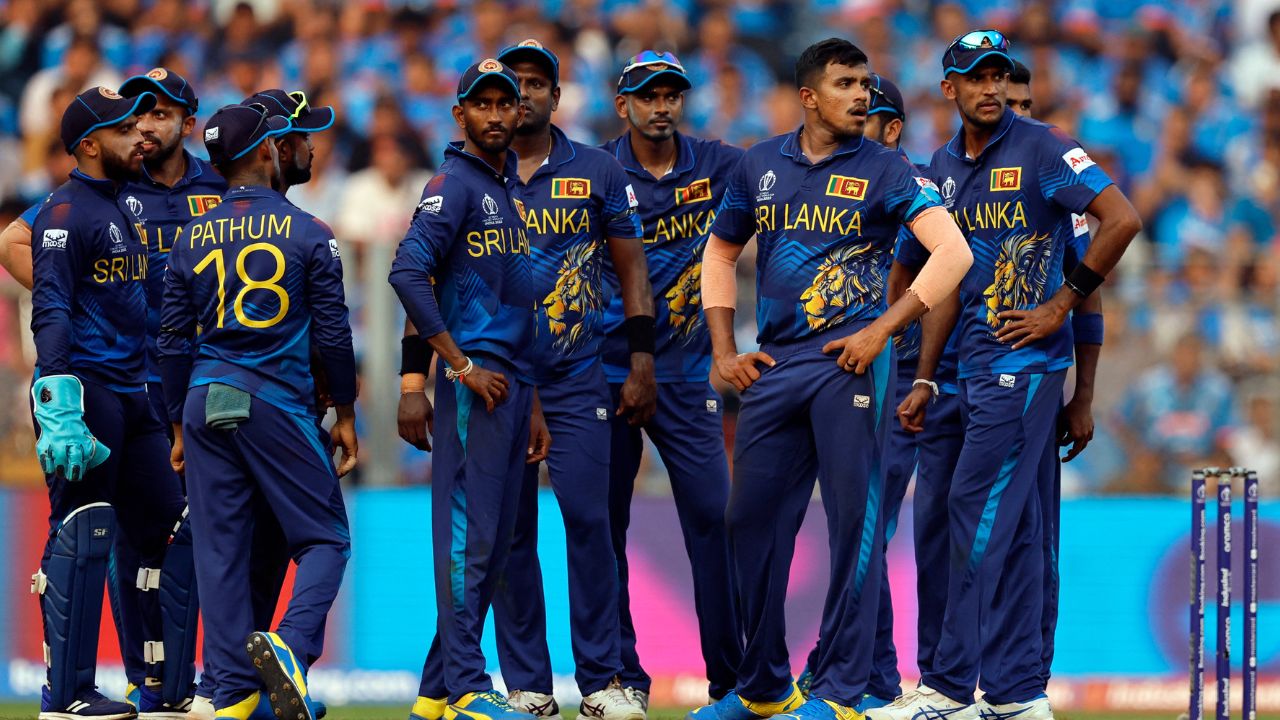
The International Cricket Council (ICC) immediately lifted the suspension of Sri Lankan cricket. The ICC had suspended Sri Lanka cricket as a member in November last year due to government interference.
It should be noted that due to the poor performance of the Sri Lankan cricket team in the ICC One Day World Cup, Sri Lankan Sports Minister Roshan Ranasinghe dismissed the Cricket Board.
Sri Lanka Cricket has assured the ICC of no government interference.
Later, 1996 World Cup-winning team captain Arjuna Rana Tunga was handed over and was also appointed as the interim chairman.
However, the former president of the Cricket Board, Shami Silva, approached the court against the decision of the Sports Ministry, after which the Appellate Court stopped the implementation of the interim committee after dismissing the Sri Lankan Cricket Board.
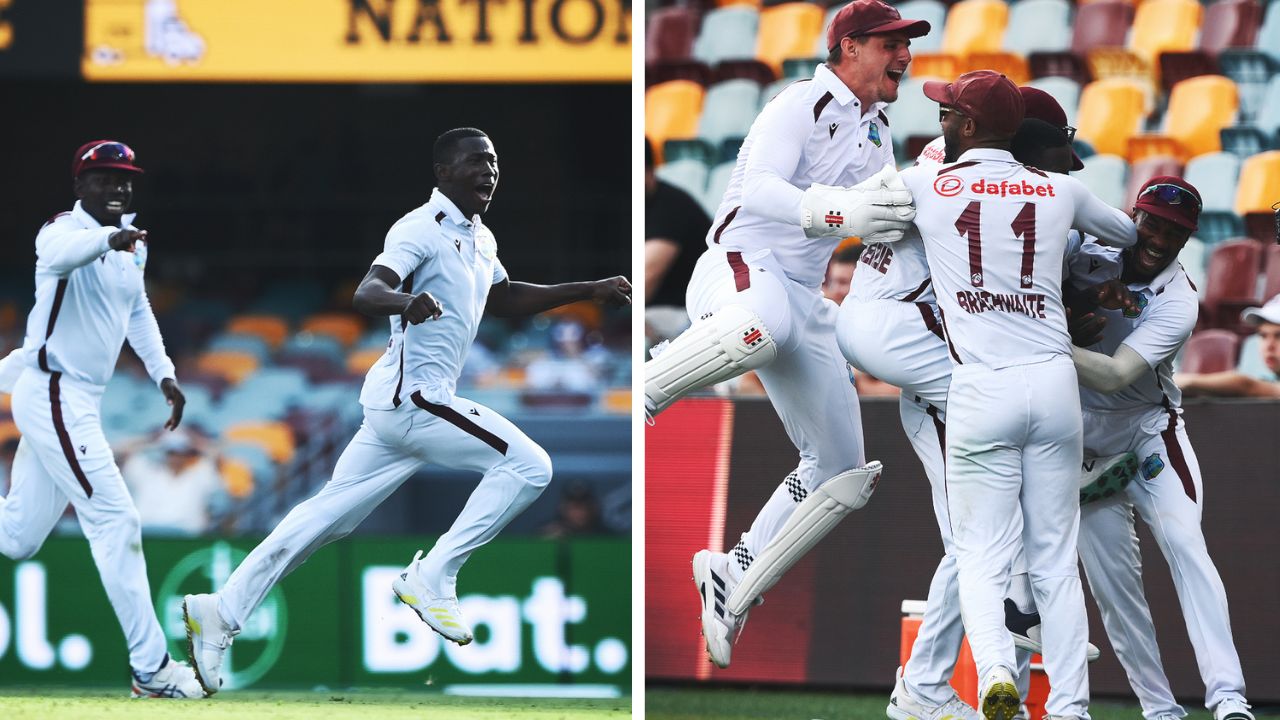
West Indies defeated Australia after 27 years in a Test match on their soil and achieved a historic victory. West Indies have beaten Australia on their soil since 1997.
West Indies beat the Kangaroos by 8 runs on the fourth day of the Test at the Gabba Stadium in Brisbane. In response to West Indies’ 311, Australia declared their first innings 289 for 9.
Australia had a target of 216 runs to win this match in the second innings, while West Indian bowlers outclassed the entire team by scoring 207 runs.
West Indies’s Shamar Joseph dismissed 7 players on behalf of West Indies.
It should be noted that the two-match Test series was tied 1-1, now the three-match ODI series will begin on February 2 in Melbourne.
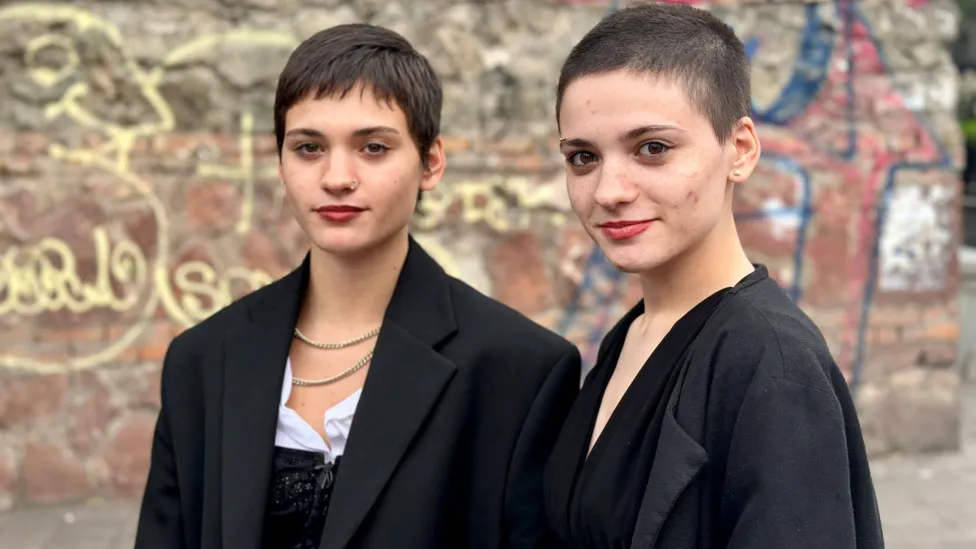
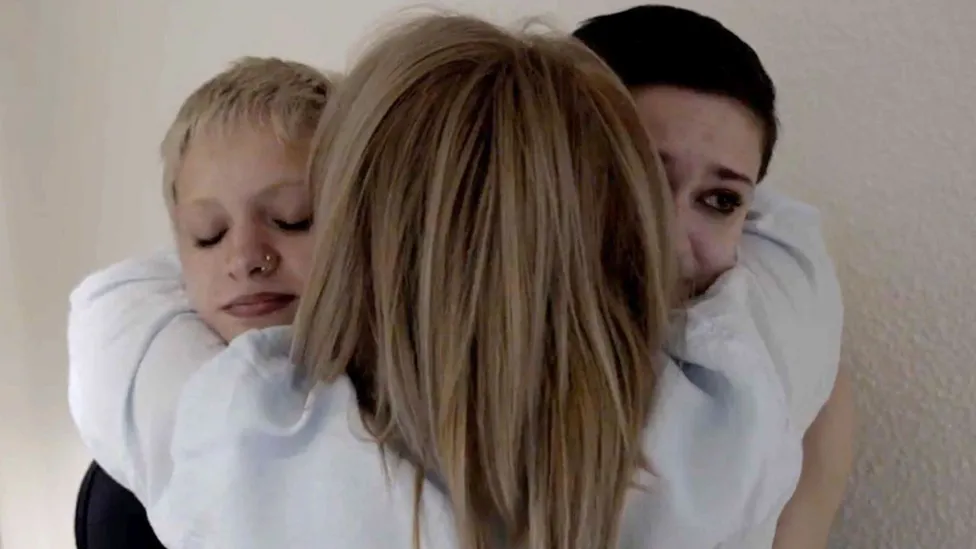
A pair of twin girls, taken from their mother right after birth and sold to different families, have been reunited dramatically thanks to TikTok.
Years after they were stolen at birth, Amy and Ano from Georgia have met again after watching a TikTok video, BBC reported.
As the two delved into their past, they realised they were among thousands of babies in Georgia stolen from hospitals and sold, some as recently as 2005.
The twins discovered each other when they were 12 years of age. This was when Amy was watching her favorite TV show Georgia’s Got Talent where Ano was performing as a young artist. She even got calls from acquaintances asking if she was the one performing with another name but the family brushed it off, thinking everyone has a doppelganger.
Amy (L) aged 12 and Ano (R) also aged 12 during her performance on Georgia’s Got Talent
Seven years later Ano was sent a TikTok video by a friend of Amy’s in a fresh haircut and eye-brows piercing. She thought the resemblance “cool” and the two got connected on Facebook.
Amy instantly knew Ano was the girl she had seen all those years ago on Georgia’s Got Talent.
“I have been looking for you for so long!” she messaged. “Me too,” replied Ano.
Over time, they discovered several commonalities between them but not all of it made sense. The biggest of all was that they had the same genetic disease, a bone disorder called dysplasia. Both were born in the same hospital but according to their birth certificates, they were born a few weeks apart.
It felt like they were unraveling a mystery together. “Every time I learned something new about Ano, things got stranger,” Amy relates.
They decided to meet and when they did it was like “looking in a mirror”.
Ano (L) and Amy (R) met for the first time at Rustaveli metro station – they have often chosen similar hairstyles
They confronted their families and found out they were adopted in 2002.
Unable to have children, Amy’s mother says a friend told her there was an unwanted baby at the local hospital. She would need to pay the doctors but she could take her home and raise her as her own.
Neither of the adoptive families knew the girls were twins and despite paying a lot of money to adopt their daughters, they say they hadn’t realised it was illegal. Georgia was going through a period of turmoil and as hospital staff were involved, they thought it was legitimate.
The two went online and posted their story in a Facebook group called Vedzeb, which means “I’m searching” in Georgian.
A girl from Germany replied to them stating her mother had given birth to twin girls in Kirtskhi Maternity Hospital in 2002 and that despite being told they had died, she now had some doubts.
DNA tests revealed that the girl from the Facebook group was their sister, and was living with their birth mother, Aza, in Germany. Sceptical, they met their birth mother in Leipzig, Germany. She explained to them how she went into a coma after giving birth and upon waking she was told that her children had died.
Ano (L), Aza (C) and Amy (R) meet for the first time in Leipzig, Germany where Aza now live
The group was made by journalist Tamuna Museridze in 2021 after she discovered she was adopted. She has helped to reunite hundreds of families, but has not yet tracked down her own.
Tamuna discovered a black market in adoption that stretched across Georgia and went on from the early 1950s to 2005. “The scale is unimaginable, up to 100,000 babies were stolen. It was systemic,” she says.
In 2022, the Georgian government launched an investigation into historic child trafficking, telling BBC that it has spoken to more than 40 people but the cases were “very old and historic data has been lost”. Journalist Tamuna Museridze says she has shared information but the government hasn’t said when it will release its report.
In a significant market shift, the per tola price of 24 karat gold witnessed a decline of Rs300, settling at Rs213,900 on Saturday, as opposed to its previous rate of Rs214,200 on the last trading day.
The decrease in gold prices extended to 10 grams of 24 karat gold, experiencing a Rs257 drop to Rs183,385 from Rs183,642.
Similarly, the prices for 10 grams of 22 karat gold also dipped, reaching Rs168,103 from Rs168,338, as reported by the All Sindh Sarafa Jewellers Association.
Contrastingly, both per tola and ten grams of silver remained unchanged at Rs2,600 and Rs2,229.08, respectively.
The international market also observed a decline in gold prices, with a $2 drop to $2,038 from $2,040, according to the Association’s report.
Meanwhile, the US dollar experienced a fall, following data indicating a modest increase in December’s inflation, with a downward trend.
This development is expected to keep the Federal Reserve on course to reduce interest rates by the middle of the year.
Despite this, the dollar is poised to mark gains for the fourth consecutive week, with the dollar index down 0.3 per cent at 103.25.
Data revealed that the Personal Consumption Expenditures (PCE) price index rose by 0.2 per cent last month, following a previously unaltered 0.1 per cent drop in November.
Over the 12 months through December, the PCE price index recorded a 2.6 per cent increase, aligning with November’s unrevised gain and meeting consensus expectations.
For the third consecutive month, the annual inflation rate remained below 3 per cent, a key indicator monitored by the Fed for its 2 per cent inflation target.
This stable inflation rate suggests a cautious approach towards future monetary policy decisions.