Author: News Desk

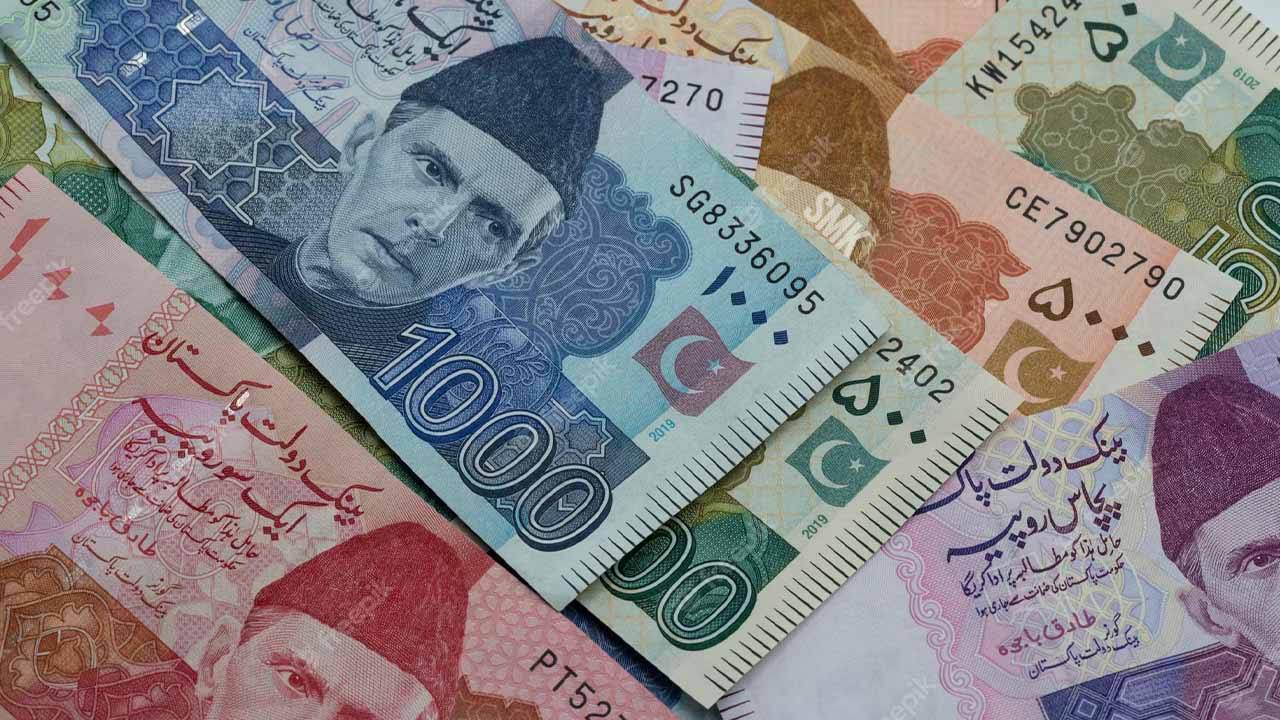
  • American couple’s dog eats cash worth more than 11 lac and they retrieve it through vomit and poop

    American couple’s dog eats cash worth more than 11 lac and they retrieve it through vomit and poop

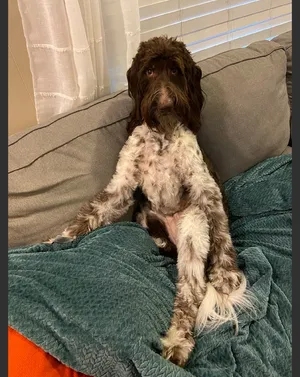
    A Pittsburgh couple’s dog Cecil ate through 4,000 dollars in cash, leading his owners to embark on a difficult recovery mission.

    The couple, Clayton and Carrie Law were in shock when their dog ate the huge sum they had just withdrawn from the bank. Clayton had set the money on the kitchen table and within 30 minutes their usually restrained dog just decided to hop onto it. The dog ingested about half the money and ripped up the other half, Clayton said.
    After searching online, the couple found that damaged currency can be mailed or dropped off at the U.S. Bureau of Engraving and Printing’s office along with a letter stating the estimated amount and the reason for damage.


    However, this is expected to take six months to three years. Instead of waiting, Carrie said the couple called their bank to see if they could deposit damaged currency. They learned this happens often, and the bank advised them to wait until Cecil expelled the cash – one way or another.
    That same night, the dog vomited almost 100 dollars, the couple told USA Today in an interview.


    During the next three days, Cecil excreted a couple of 50 and 100-dollar bills. The couple had a system in place: Clayton would pick up the feces and stand at their sink, sorting what came out. Meanwhile, Carrie would try to match the serial numbers on the scraps of bills and tape them together.
    The Laws were able to recover around $3,500 of the original $4,000 Cecil ripped up and ate. They still have the recovered money in their home and they are planning to see if the bank will accept it.


    When Carrie posted a video of what happened on Instagram, she initially thought only a few friends would see it and engage with it.
    Since it was posted on Dec. 14, the video has received nearly 11.6 million views on Instagram.

  • The reason why your bank’s SMS alerts no longer include account balance

    The reason why your bank’s SMS alerts no longer include account balance

    In a bid to fortify the safety and security of digital banking experiences, banks in Pakistan have recently implemented a crucial update, removing customers’ account balance information from SMS alerts.

    This proactive move aims to safeguard users’ privacy and protect their sensitive financial details.

    Previously, users would receive SMS alerts from their banks, displaying their account balance whenever they made transactions or received funds from other accounts. However, this service has now been discontinued, prompting mixed reactions from the public.

    While some Pakistanis express reservations about this security update, it is essential to understand that the decision was made to enhance user privacy. To access their account balance conveniently, customers can now log into their respective bank’s mobile application.

    The update aligns with the recommendations of the State Bank of Pakistan (SBP), as outlined in the central bank’s BPRD Circular No. 04 of 2023. This security enhancement has been uniformly implemented across the entire banking industry in Pakistan.

    The move comes in response to the rising trend of fraud and mobile banking scams, necessitating measures to protect account privacy, especially in public spaces.

    With SMS notifications often visible on lock screens, the removal of account balances adds an extra layer of security, ensuring sensitive financial information remains confidential.

    The State Bank of Pakistan (SBP) has consistently advised banks and microfinance banks (MFBs) to implement appropriate controls and remedial measures to enhance the security of digital banking products and services. As the digital landscape continues to evolve rapidly, these measures become crucial in mitigating the risk of fraudulent activities.

    The adoption of digitization has significantly transformed the financial landscape, allowing banks and MFBs to cater to the growing needs of customers.

    However, the State Bank of Pakistan emphasises the importance of supplementing digitization with necessary controls to effectively counter the risk of fraudulent activities and maintain the integrity of digital banking products and services.

  • Cost of living rises in Pakistan: Weekly inflation jumps by 0.81%

    Cost of living rises in Pakistan: Weekly inflation jumps by 0.81%

    In a recent report by the Pakistan Bureau of Statistics (PBS), the Weekly Sensitive Price Indicator (SPI) for the Combined Group witnessed a marginal increase of 0.81 per cent Week on Week (WoW), concluding on January 04, 2024.

    The SPI also exhibited a substantial 42.86 per cent Year on Year (YoY) surge when compared to the corresponding period from the previous year.

    The Combined Index, reflecting the overall price movement, stood at 313.66 as of January 04, 2024, compared to 311.14 on December 28, 2023. In contrast, a year ago on January 05, 2023, the index was reported at 219.56.

    Out of the 51 items considered, the average prices of 19 items experienced an increase, 09 items observed a decrease, and 23 items remained stable throughout the week.

    During this period, notable price hikes were observed in tomatoes (16.04 per cent), chicken (13.98 per cent), eggs (3.20 per cent), onions (3.04 per cent), and bananas (2.13 per cent).

    Moreover, significant decreases were noted in the prices of potatoes (8.68 per cent), tea Lipton (1.29 per cent), garlic (0.68 per cent), and cooking oil 5 litre & vegetable ghee 2.5 kg (0.54 per cent) each.

    Analysing the weekly SPI percentage change across income groups revealed a universal increase ranging from 0.79 per cent to 0.84 per cent. The Lowest Income Group experienced a rise of 0.81 per cent, while the highest income group recorded a slightly lower increase of 0.8 per cent.

    On a yearly basis, the SPI change across different income segments exhibited a general increase ranging from 35.33 per cent to 46.38 per cent. The Lowest Income Group saw a yearly rise of 35.33 per cent, while the highest income group recorded an increase of 41.35 per cent.

    Noteworthy price points in the market included Sona urea, with an average price of Rs4,618 per 50 kg bag, marking a 0.02 per cent increase from the previous week and a substantial 72.45 per cent surge compared to the previous year.

    In contrast, the average Cement price recorded at Rs1,226 per 50 kg bag showed a 0.47 per cent decrease from the previous week but stood 17.43 per cent higher than prices observed last year.

    These fluctuations in the SPI underscore the dynamic nature of the market, reflecting both short-term variations and longer-term economic trends.

    As consumers and businesses navigate these changes, analysts are closely monitoring the SPI for insights into broader economic patterns.

  • PKR ends week in green, settles at Rs281.4 vs USD

    PKR ends week in green, settles at Rs281.4 vs USD

    The Pakistani rupee demonstrated resilience, marking its third consecutive session of gains against the US dollar with a 0.1 per cent appreciation in the inter-bank market on Friday. 

    According to the State Bank of Pakistan (SBP), the rupee concluded at Rs281.4, reflecting an increase of Re0.27.

    In a noteworthy development, the SBP’s foreign exchange reserves experienced a significant boost of $1.3 billion over a two-week period, attributed to official inflows from international financial institutions facilitated by the government of Pakistan. 

    The upward trajectory in the SBP’s foreign exchange reserves was evident in the final weeks of December. Inflows totaling $852 million were reported for the week ending December 22, 2023, followed by an additional $464 million by December 29, 2023. 

    Cumulatively, an impressive $1.316 billion contributed to the SBP’s reserves during this fortnight.

  • Covid testing of foreign arrivals starts again in Pakistan

    Covid testing of foreign arrivals starts again in Pakistan

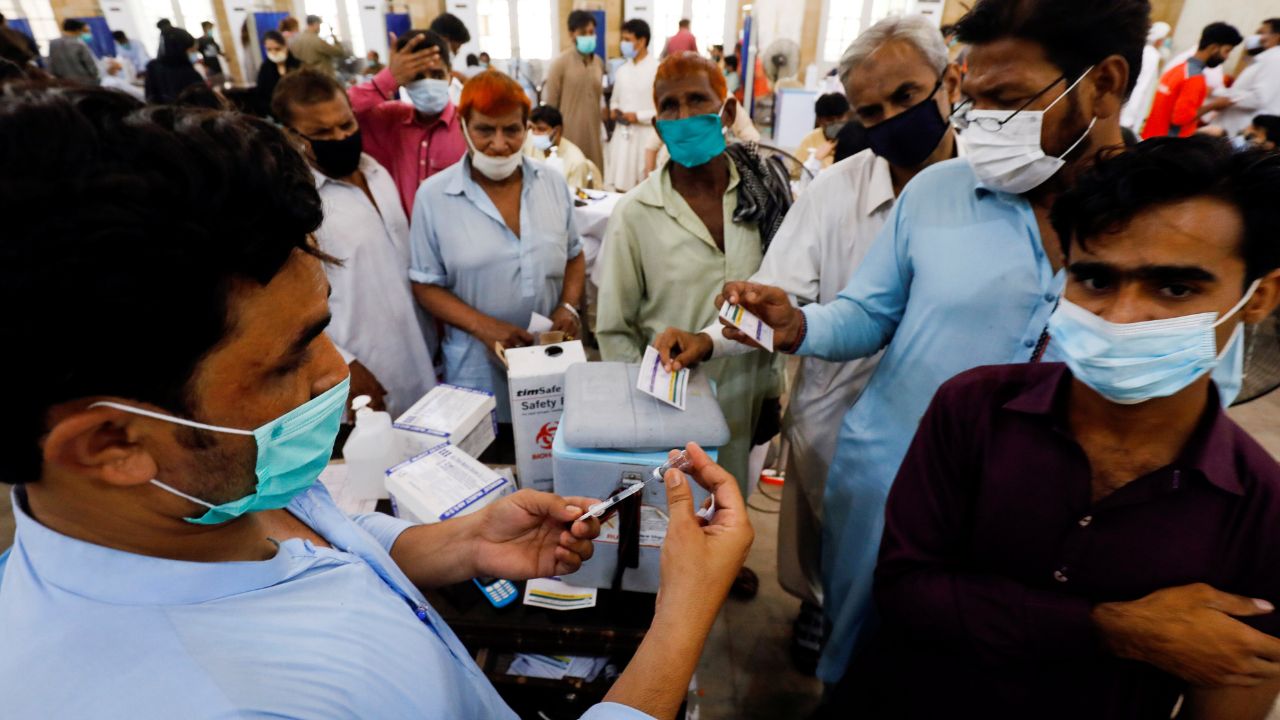
    The National Institute of Health (NIH) has provided COVID-19 testing kits to the Border Health Services Department in Islamabad, reports Geo.

    According to the officials of the Federal Ministry of Health, 40,000 rapid diagnostic kits have been given to the Border Health Services Department.
    The authorities told Geo that COVID testing of those coming from abroad has started at many airports including Islamabad. Two percent of the passengers coming from abroad will be subjected to mandatory Covid testing.


    Officials said that genome sequencing of a few detected Covid cases is also being carried out.


    Testing kits have not yet arrived at Multan and Faisalabad International Airports.


    Meanwhile, a new sub-variant of the Omicron strain of coronavirus named JN.1 has health experts on alert, as it has been classified as a “variant of interest” by the World Health Organisation (WHO) due to its fast-growing spread. A staggering fifty percent increase in COVID-19 infections has been observed worldwide.

  • ICC has changed the law of stumping review

    ICC has changed the law of stumping review

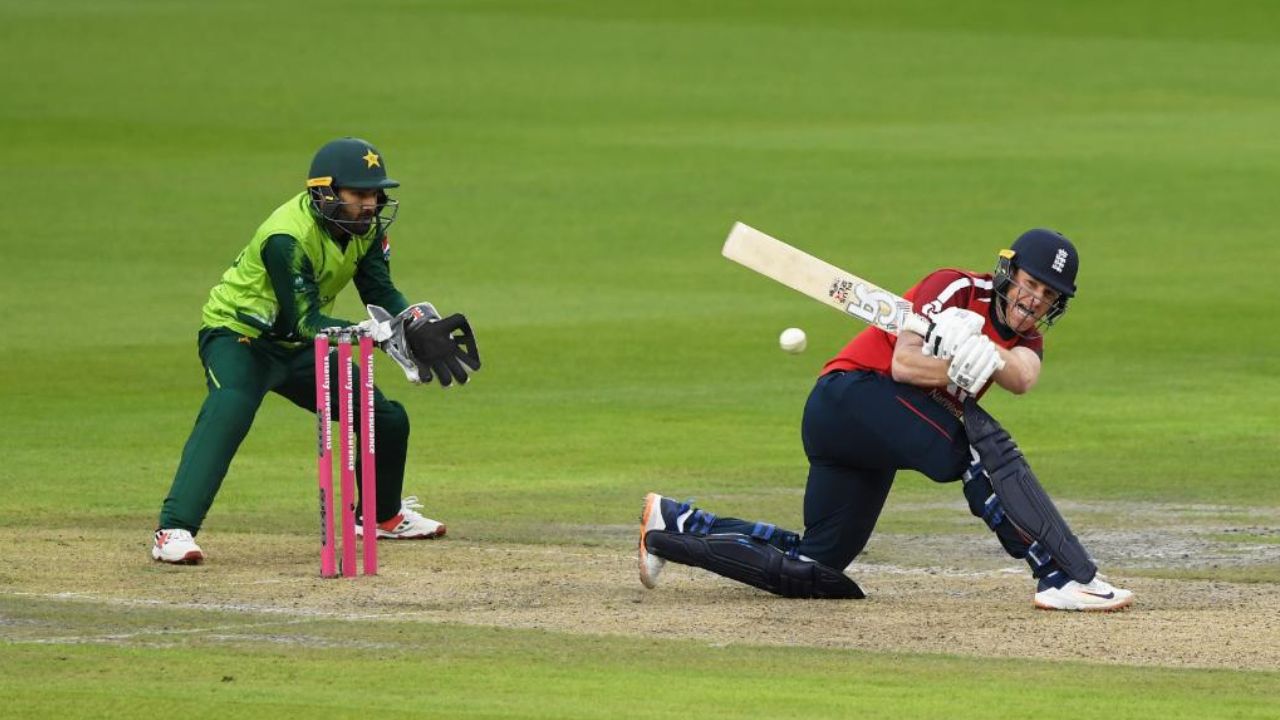
    The International Cricket Council (ICC) has changed the law of stumping review, according to which ‘the field umpire can only check the batter’s crease position’.

    Old Rule:

    According to the media report, if the off-field umpire had approached the third umpire to clear his doubts about the appeal of stumping by the fielding side in cricket, other types of outs including catches behind the wickets would have been checked and there would have been a chance to get a wicket, but this law has been changed since December 1.

    If the on-field umpire had checked the stumping, the bowling side would have got a free review. Now a straight and clear law has been introduced in this regard, in which it will be seen only from the side angles whether the batter was outside the crease at the time of stumping or not.

    New Rule:

    If the field umpire seeks the opinion of the third umpire, then he will make a decision only regarding stumping, even if there is any other type of dismissal, the decision will not be given in favor of the bowling side, for this a review will have to be taken.

    Another law change made it clear that if a player suffering from a concussion is currently suspended from bowling, his replacement will not be allowed to bowl. Only 4 minutes will be given to decide whether to assist or take off the field, the TV umpire will now be able to check all types of no balls, not just front foot.

  • Animal, featuring Ranbir Kapoor, to hit Pakistani Netflix soon

    Animal, featuring Ranbir Kapoor, to hit Pakistani Netflix soon

    Pakistani fans of Ranbir Kapoor can rejoice as the Bollywood superstar’s latest movie, Animal, is coming soon to Netflix. According to Hindustan Times, the Sandeep Reddy Vanga directed venture will be available on the streaming service from January 26.


    According to India Today, the longer version of the action-packed film is set to come out on the streaming platform in 2024. Notably, Netflix’s official Instagram page has posted pictures of the popular Bollywood actor from the film’s premiere.

    Director Karan Johar has declared Animal as the best film of the year, stressing that despite his own 2023 romance Rocky Aur Rani, he strongly believes Animal is unparalleled. According to Hindustan Times, Karan stated, “I cannot disagree with you more because Animal is the best film of the year.”
    He compared it to the time when he praised Kabir Singh and faced judgment. Karan said, “I thought, ‘I’m going to say something and I’m going to get bad looks from certain people, but I don’t care anymore.”
    Karan Johar explained why he is so passionate about Animal, emphasizing its bold and conviction-driven storytelling that defies traditional norms in popular cinema. He praised a unique sequence in the film where a song is played while the hero is getting beaten up, highlighting the cleverness in the storytelling. Johar added, “Animal’s popularity and acceptance, in my opinion, are revolutionary. It is a conviction that I would like to possess.”

  • Senate approves resolution asking for delay in elections

    Senate approves resolution asking for delay in elections

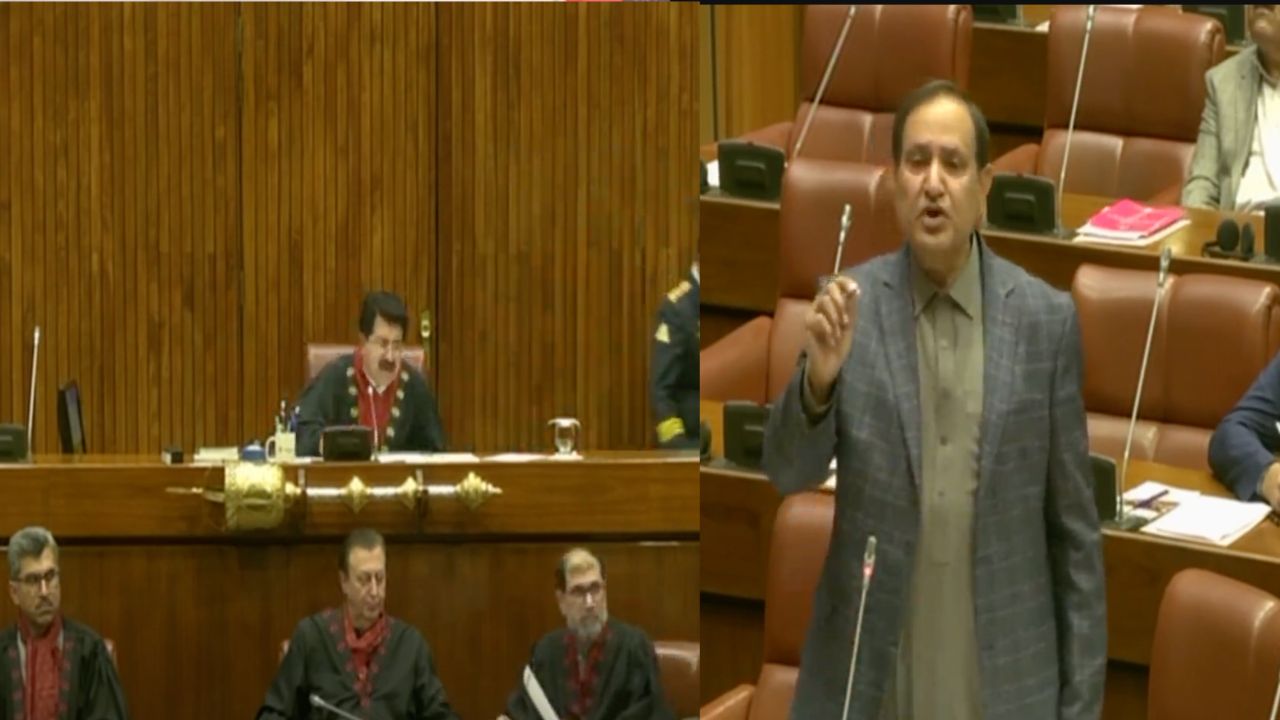
    The Pakistani Senate has approved a resolution to postpone the general elections scheduled for February 8 in the country.

    Senator Dilawar Khan tabled the resolution in the sparsely attended Upper House which garnered required support despite opposition from Information Minister Murtaza Solangi and Senator Afnan Ullah Khan of the Muslim League (N).

    13 out of 14 senators present in the House voted in favor of the resolution.

    As Senator Dilawar read the resolution out loud, he said that the Constitution upheld the right to vote for every citizen of Pakistan, and the Election Commission of Pakistan (ECP) was bound to conduct free and fair polls contingent upon inclusivity and ensuring the participation of all regional people.

    “The vote turnout in colder areas remains notably high during the moderate weather conditions. January and February are recognised as the coldest months in the majority of the areas in Balochistan and Khyber Pakhtunkhwa,” he said.

    Senator Dilawar Khan cited severe cold weather prevalent in many regions, making participation in those areas challenging.

    He also highlighted recent security incidents, including attacks on Mohsin Dawar and members of Jamiat Ulama-e-Islam Fazl (JUI-F), as well as security forces in Balochistan and Khyber Pakhtunkhwa.

    Aimal Wali of the ANP also expressed reservations over the elections.

    During the debate, Senator Dilawar Khan emphasized the existence of threats against individuals during election rallies, underscoring the need to address these security challenges before proceeding with the elections.

    He proposed delaying the February 8 election schedule and called for the Election Commission to act, expressing trust in the Senate Election Commission.

    Senator Afnan Ullah Khan of the Muslim League (N) opposed the resolution, seeking to validate Senator Dilawar Khan’s concerns.

    He acknowledged security challenges but argued that conditions were not as dire as in 2008 and 2013 when elections proceeded under more adverse circumstances.

    Afnan Ullah questioned the rationale behind using security as a pretext for postponing the elections, expressing skepticism about the proposed delay, questioning whether Great Britain and the United States postponed elections during major conflicts.

    He asserted that using weather conditions as a reason for election delay was unfounded, pointing out that elections had been held twice in adverse circumstances before.

    Information Minister Murtaza Solangi also voiced his opposition to the resolution. However, despite these objections, the Senate moved forward, approving the resolution to postpone the general elections slated for February 8.

    The controversy surrounding the decision continues, with differing opinions on the validity of the reasons presented for delaying the electoral process.

  • Punjab: 261 Startups ‘graduate’ under National Expansion Plan

    Punjab: 261 Startups ‘graduate’ under National Expansion Plan

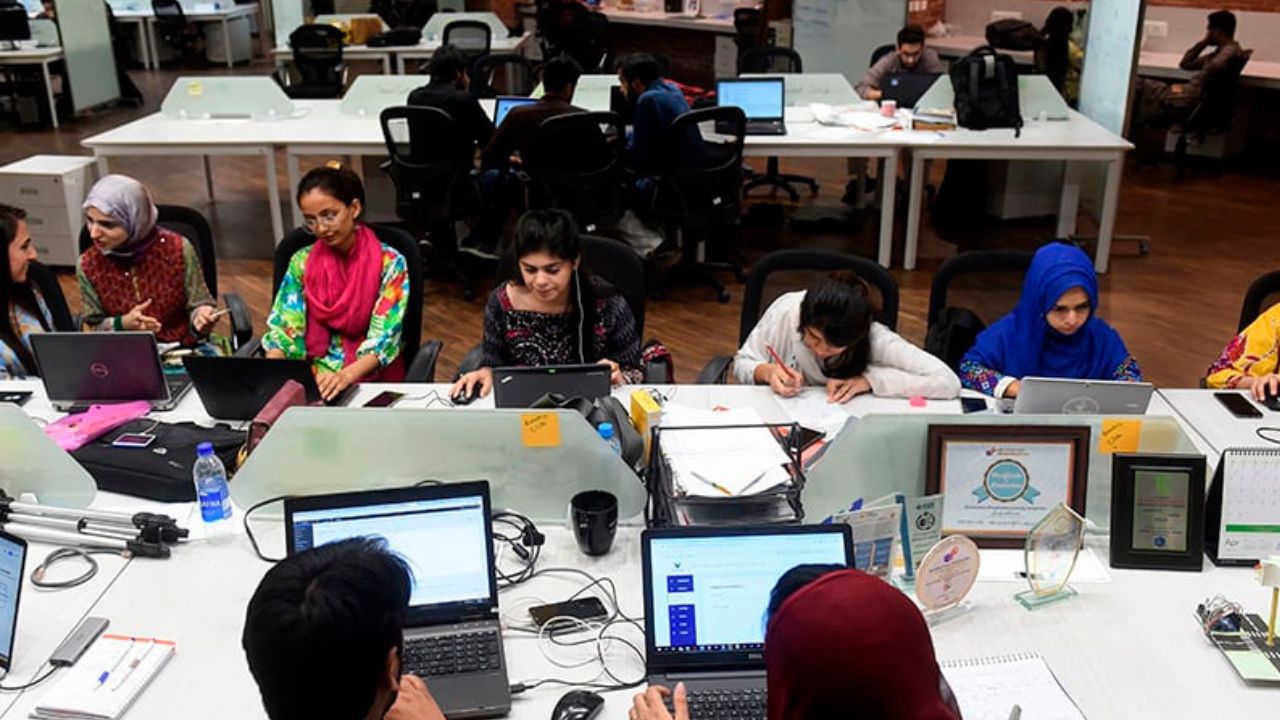
    A total of 261 startups graduated under the National Expansion Plan (NEP) of the National Incubation Centres (NICs) Programme, a collaborative effort of the Punjab Information Technology Board (PITB) and Ministry of Information Technology and Telecommunication (MoITT), from January 2023 to December 2023, reports the Express Tribune.

    The meeting was presided over by PITB Chairman Faisal Yousaf who informed the participants that 87 of the successful startups from Punjab, 64 from Sindh, 39 from Khyber-Pakhtunkhwa, 31 from Balochistan and 20 each from Azad Jammu and Kashmir, and Gilgit-Baltistan.

    The PITB chairman said the objective of the plan was to democratise entrepreneurship, boost business activity across the country, grow the IT industry and promote economic growth. “The incubation programme is tailored to the needs of early-stage startups and runs on a zero-equity model,” he added.


    In partnership with public sector universities, 13 tech incubation centres have been set up across the country, where startups are provided free of charge workspace, mentorship, networking opportunities and stipend.

  • PPP is all set to conquer Punjab and Sindh

    PPP is all set to conquer Punjab and Sindh

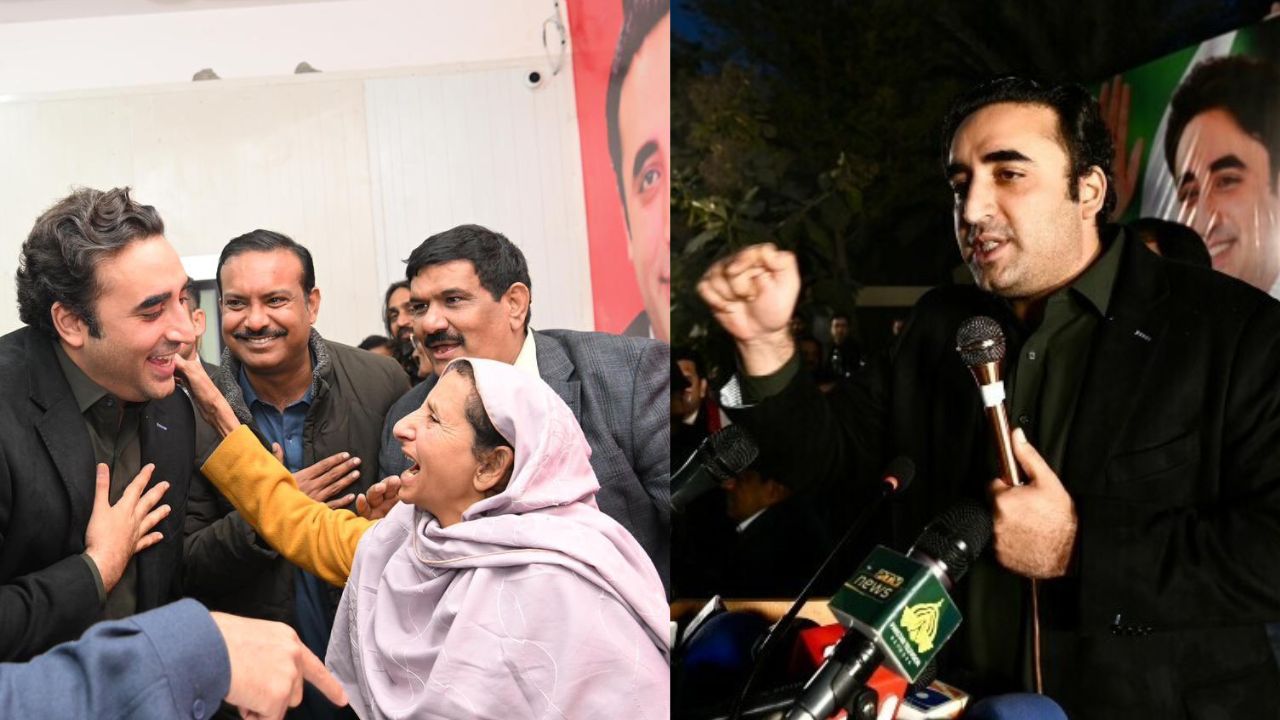
    Pakistan Peoples Party (PPP) Chairman Bilawal Bhutto Zardari formally initiated his election campaign from NA-127 Lahore on Thursday.

    The party aims to leverage the perceived political vacuum created by the establishment in Pakistan.

    With the main rival, Pakistan Muslim League-Nawaz (PML-N), still deliberating on ticket allocations for Punjab and Khyber Pakhtunkhwa (K-P), PPP leaders have been actively canvassing for votes in their respective constituencies.

    According to the party’s central Punjab chief, a majority of aspiring candidates have already received confirmation regarding ticket allocations, making the official announcement a mere formality.

    PPP has unveiled its 10-point agenda as part of its manifesto, with the official manifesto set to be revealed in the coming days, as announced by the party’s information secretary.

    In contrast, PML-N, despite forming a manifesto committee over a month ago, has not made any public announcements regarding its plans.

    The recent introduction of an online portal by PML-N to gather public input on its manifesto suggests that the process is not in its advanced stages.

    Bilawal, who will contest elections from three constituencies, including NA-127 Lahore and the party stronghold Larkana, visited his election office at Green Town in Lahore to formally launch the campaign.

    During his election campaign trail, he would address rallies in Faisalabad (Jan 11), Layah (Jan 12), Bahawalpur (Jan 13), Balochistan’s Naseerabad (Jan 14), Sindh’s Larkana (Jan 15), Qambar Shahdadkot (Jan 16) Badin and Sanghar (Jan 17), Nowshero Feroz and Dadu (Jan 18), Rahim Yar Khan (Jan 19) Kot Daud (Jan 20), Lahore (Jan 21), Chiniot (Jan 23), Sarghoda (Jan 24), Lala Musa (Jan 25) Multan (Jan 26), Peshawar (Jan 27) , Rawalpindi (Jan 28), Kurram (Jan 29), DI Khan (Jan 30), Malakand (Jan 31), Khuzdar (Feb 1), Kashmor and Shikarpur (Feb 2) Mirpurkhas (Feb 3), Hyderabad (Jan 4) and his second last rally as per schedule would be in Karachi (Jan 5).

    The decision to contest from Lahore is seen as a strategic move, countering PML-N President Shehbaz Sharif’s decision to contest from Karachi NA-242.

    The PPP aims to secure NA-127 Lahore, building on the momentum gained from the December 2021 by-election results, where the party’s candidate secured significant votes. The move is also seen as an effort to mitigate the risk of a complete loss for the party in Punjab.

    The party sees the absence of PTI from the political arena as a golden opportunity to capitalize on anti-PML-N votes. The PML-N is expected to issue the NA-127 ticket to its Deputy General Secretary Ata Tarar.

    Meanwhile, Mayor Murtaza Wahab asserted that the people of Karachi demonstrated their support for the Pakistan Peoples Party (PPP) in the local government elections held on January 15, 2023, citing the party’s perceived capability to address the city’s issues.

    The mayor expressed these sentiments during the ‘Meeting the Editors’ program organized by the Council of Newspaper Editors (CPNE) on Thursday.

    “We worked for the resolution of the issues of the people of Karachi with sincerity. The development work will continue. People think that the next government will be of the PPP as they see Bilawal Bhutto Zardari as a viable leader,” the mayor said.

    Wahab attributed the success of the Jamaat-e-Islami in the local government elections to the boycott by the Muttahida Qaumi Movement (MQM).