Author: News Desk

  • ‘Meri masoom biwi ka pecha chor do’; Yasir Nawaz’s funny response to Fiza Ali

    ‘Meri masoom biwi ka pecha chor do’; Yasir Nawaz’s funny response to Fiza Ali

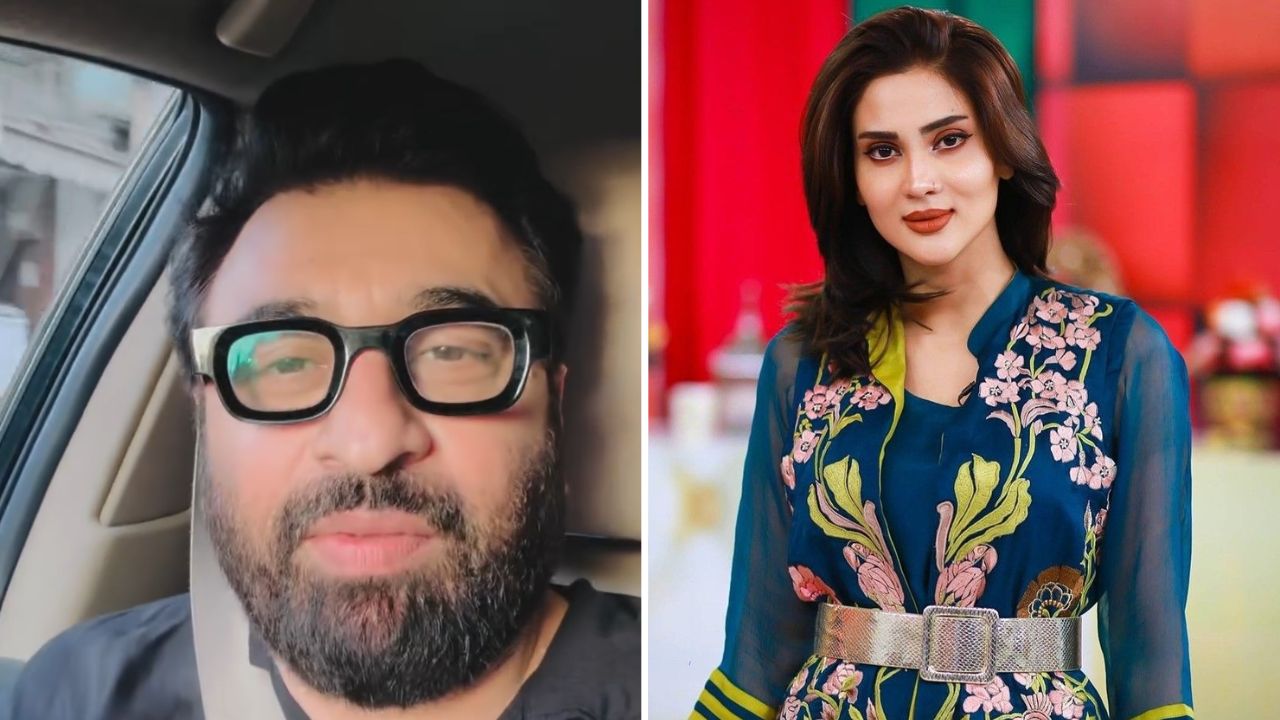
    Actor and director Yasir Nawaz has come to his wife Nida Yasir’s defense following the controversy surrounding her comments about food delivery riders, asking fellow host Fiza Ali to stop criticising her.

    In an Instagram story, Yasir took to humour to defuse the situation, writing: “Hello Fiza, how are you? For God’s sake, leave my innocent wife alone. You keep getting famous continuously. How much will you trouble the poor thing [Hello Fiza, kya haal hai? Allah! meri masoom biwi ka peecha chhor do. Yar tum to musalsal mashhoor hoti chali ja rahi ho. Kitna bachay ki jaan logi?]”

    “May Allah forgive me, humans are not forgiving. My sister, forgive her, end this. You’ve become as famous as you wanted to, now close this chapter and move on. Catch someone else and make noise about them [Allah mian maaf kar deta hai, insaan maaf nahi kar raha. Meri behn, maaf kar do isay, khatam kar do. Jitna mashhoor hona tha ho chuki ho, bas khatam, ab chapter close karo. Aagay chalo, kisi aur ko pakro, uski band bajao]” he added.

    The dispute began earlier this week when Nida Yasir discussed food delivery riders on her morning show Good Morning Pakistan. She accused riders of deliberately lying about not having change to pocket extra money as tips.

    “Food delivery riders never seem to have change. If you tip them out of your own will, that’s completely fine but when they falsely claim they don’t have change, I always ask my driver to go and get it,” Nida said on the show.

    She added, “When they’re made to wait and end up reaching their next deliveries late, then they understand. It has become a habit with many of them.”

    Actress Nadia Khan and other guests reacted with nods and jokes as they shared similar experiences.

    After this, television host Fiza Ali openly criticized Nida’s comments, saying that while tipping may not be mandatory, insulting someone is completely wrong.

    “They ride through heavy rain, storms, and harsh weather just so our food reaches us,” Fiza said, speaking about the daily struggles of delivery riders.

    She questioned whether people ever think about the families waiting for the riders at home. “Some mother must be waiting for her son. A child must be hoping his father comes home early. Many riders have only one bike, their only means of livelihood,” she said.

    Fiza stressed that while tipping is not compulsory, insulting someone is never acceptable. “Riders are not machines. They are humans with feelings and responsibilities. If you show kindness today, Allah will help you in your difficult moments tomorrow,” she said.

    She also pointed out that people easily spend 500 rupees on food but hesitate to offer even 20 rupees to riders. “Delivery may be late, but humanity should never be late,” she added.

    Following widespread backlash, Nida Yasir apologized for her “choice of words” during a new episode of her morning show.

    “A few days ago, during my programme, I shared my personal experience with you, an experience that was not pleasant. But my mistake was my choice of words, the way I chose to retell that experience,” she said.

    She argued that she should have said “some people” instead of speaking broadly, insisting she never meant to target all riders. “There are so many riders; in fact, the majority of the riders are working very hard to make ends meet. I am not sitting here to hurt anybody,” she said.

    “However many rider friends of mine were hurt, I want to apologise to them. I salute hardworking riders. I didn’t mean to make light of their struggles,” she concluded.

    The controversy sparked mixed reactions on social media.
  • IMF sets 11 new conditions for Pakistan’s $7 billion bailout

    IMF sets 11 new conditions for Pakistan’s $7 billion bailout

    The International Monetary Fund (IMF) has established 11 additional structural benchmarks for Pakistan as part of its $7 billion bailout program. These conditions are designed to tackle corruption risks, reform the sugar industry, evaluate remittance expenses, enhance governance, and boost the performance of the Federal Board of Revenue (FBR).

    On Thursday, the IMF published the staff-level report for the second review of the program. With these new additions, Pakistan now confronts a total of 64 conditions since the start of the bailout agreement a year and a half ago.

    As per the new conditions, Pakistan is tasked with making asset declarations of high-ranking federal civil servants available on a government website by December 2026. These declarations aim to pinpoint discrepancies between income and assets. 

    The initiative will eventually be expanded to senior provincial civil servants, granting banks full access to these records. By October 2026, the government is expected to present an action plan to address corruption vulnerabilities in ten identified departments, guided by institutional risk assessments. The National Accountability Bureau will oversee the development and coordination of these strategies.

    Provincial anti-corruption agencies will receive support in financial intelligence and capacity-building for financial investigations. The IMF’s actions follow the Governance and Corruption Diagnostic Assessment, which pointed out deficiencies in legal and governance frameworks.

    The conditions for the bailout also pertain to the sugar sector. Pakistan is required to formulate and implement a national policy for sugar market liberalization by June 2026, addressing aspects such as licensing, price controls, import-export permissions, zoning, and clear deadlines. This initiative aims to minimize elite influence in the sector.

    Concerning taxation, the IMF has directed Pakistan to finalize a roadmap by December 2025 that outlines priority reform areas, staffing needs, timelines, milestones, revenue impact projections, and key performance indicators (KPIs). Based on this roadmap, the government must enact at least three priority reforms, including legislation, staffing adjustments, and initial KPI reporting.

    Additionally, by December 2026, a medium-term tax reform strategy spanning three to five years must be published. This strategy will outline a sequenced approach to tax policy, administration, and legal reforms, governance structures, and a resource plan for execution.

    The IMF has also stipulated conditions regarding remittances and financial markets. By May 2026, Pakistan will conduct a thorough assessment of remittance costs and obstacles to cross-border payments. By September 2026, the government will analyze issues affecting the local currency bond market and deliver a strategic action plan.

    Energy and state-owned enterprises are also part of the requirements. Preconditions for private-sector involvement in HESCO and SEPCO are to be finalized by December 2026, and public service obligation agreements for the seven largest entities must be signed before the FY27 budget is presented to Parliament.

    Additional measures include proposing amendments to the Companies Act of 2017 to enhance compliance, modernize corporate governance, and align regulations with international standards. The government will also issue a concept note on suggested amendments to the SEZ Act, detailing objectives, anticipated outcomes, and KPIs.

    The IMF report indicates that Pakistan has fulfilled several prior benchmarks, including fiscal measures in the FY26 budget, the agricultural income tax, and amendments to the Civil Servants Act. Some benchmarks, including action plans rooted in the Governance and Corruption Diagnostic, are recommended to be postponed to December 2025.

  • Pakistan signals shift toward digital finance, crypto regulation

    Pakistan signals shift toward digital finance, crypto regulation

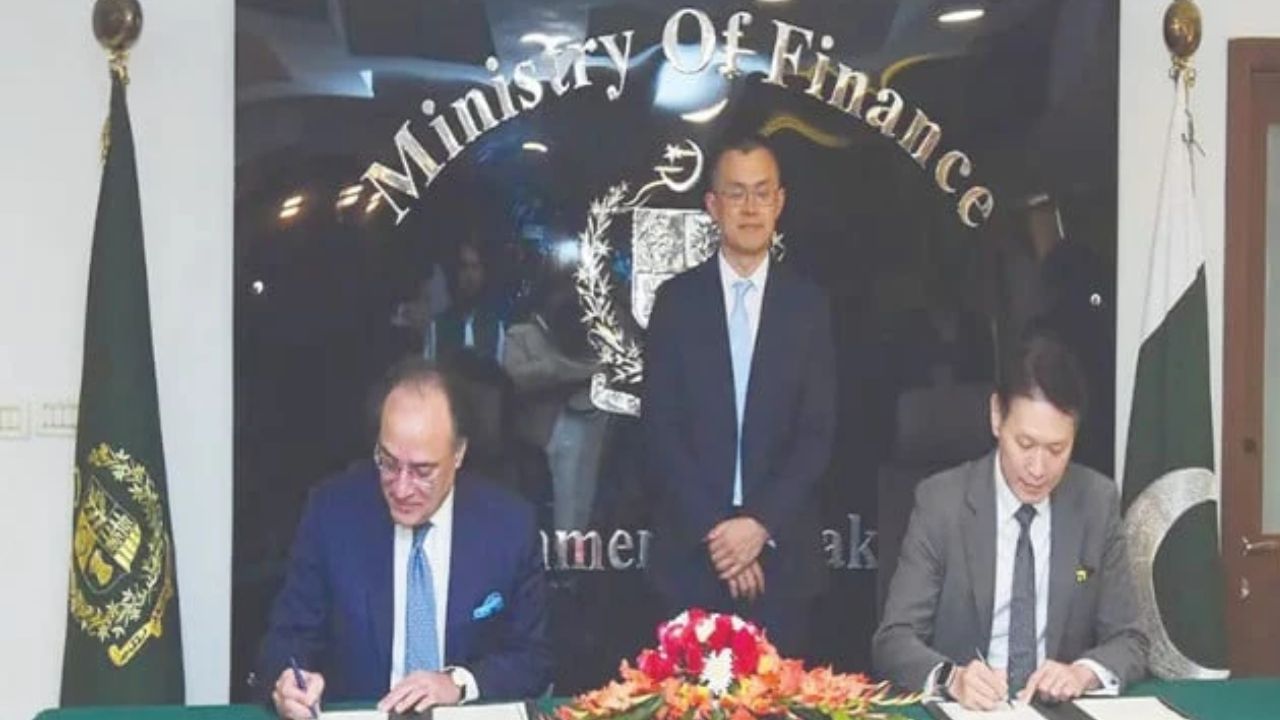
    Pakistan has signed a Memorandum of Understanding with global crypto exchange Binance to examine the tokenisation of government-owned assets worth up to $2 billion, the finance ministry has confirmed. 

    The proposed initiative will explore the use of blockchain technology to digitise real-world assets, including sovereign bonds, treasury bills and commodity reserves such as oil, gas, metals and other raw materials owned by the state.

    Subject to regulatory approvals, the ministry stated that the action is intended to increase liquidity, improve transparency, and increase access to global markets.


    The process of creating a digital representation of an asset on a blockchain is known as tokenization.

     In the midst of broader global regulatory tightening, several countries, notably the United Arab Emirates, Japan, and parts of the European Union, are moving to formalize licensing frameworks for cryptocurrency exchanges.

    Finance Minister Muhammad Aurangzeb said the MoU reflected Pakistan’s reform direction and described it as “a long-term partnership.” Binance founder Changpeng Zhao termed the agreement “a great signal for the global blockchain industry and for Pakistan,” adding that it marked the beginning of efforts toward full deployment of the tokenisation initiative.


    In a related development, Binance and digital asset platform HTX have received initial regulatory authorization from Pakistan to start the process of creating local subsidiaries. 

    The Pakistan Virtual Assets Regulatory Authority (PVARA) said the early approvals allow both platforms to register on the Anti-Money Laundering system, set up local units and prepare applications for full exchange licenses.

    According to PVARA chair Bilal bin Saqib, the approvals signaled the beginning of Pakistan’s phased licensing framework and that whatever exchanges move further in the process will depend on compliance standards.

    Saqib stated earlier this week at Binance Blockchain Week Dubai 2025 that Pakistan is the third-largest cryptocurrency market globally in terms of retail activity.


    According to the finance ministry, Pakistan is also preparing to introduce a Virtual Assets Act in 2025 and launch a central bank digital currency pilot. 

    The country’s crypto council and US-based World Liberty Financial signed a letter of intent in April to investigate the usage of tokenization, stablecoins, and more extensive digital asset infrastructure.

  • RT India deletes fake news post about Shehbaz Sharif’s meeting with Putin

    RT India deletes fake news post about Shehbaz Sharif’s meeting with Putin

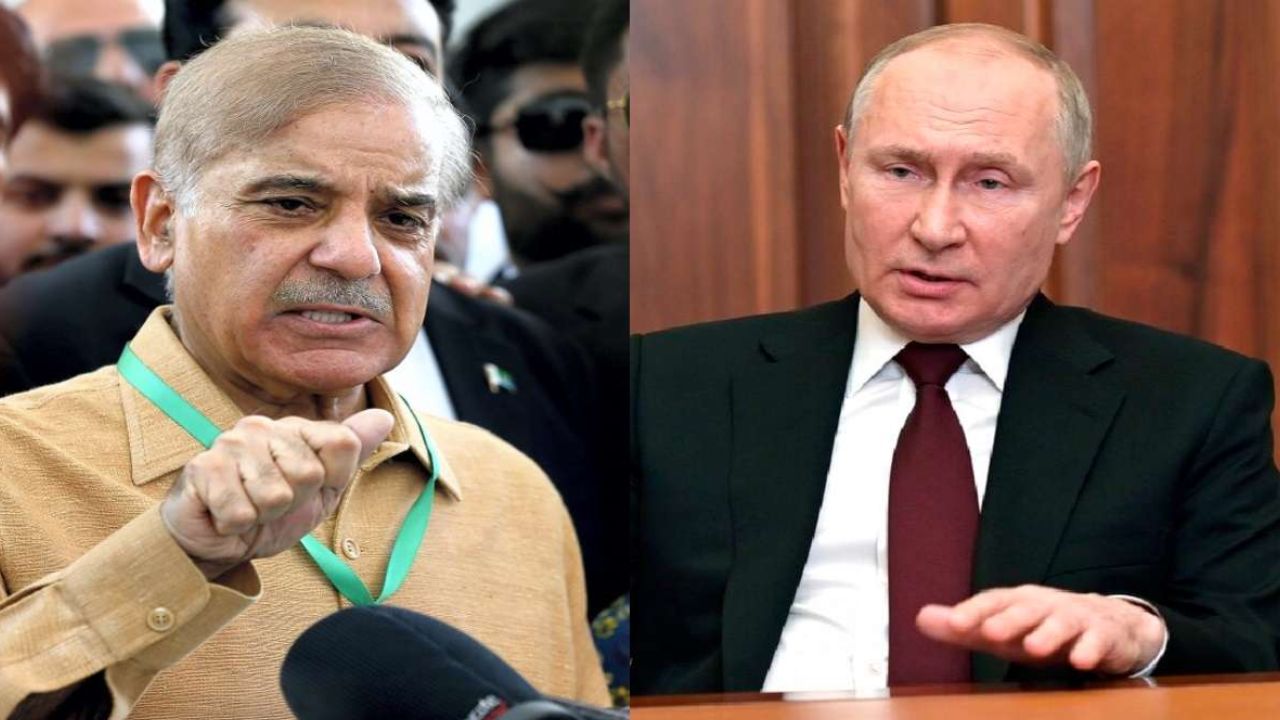
    RT India deleted and later issued a clarification about an X post regarding Prime Minister Shehbaz Sharif’s meeting with Russian President Vladimir Putin during an international forum in Turkmenistan, after the claims we’re exposed as false. 

    The controversy began when RT India posted a video claiming to show Prime Minister Sharif waiting for almost forty minutes to see President Putin before joining the Russian leader and Turkish President Recep Tayyip Erdogan in a meeting. The post claimed Sharif remained in the meeting for approximately 10 minutes before leaving.

    The tweet was later deleted, with RT India issuing a clarification on X (Formerly twitter) stating:

    “We deleted an earlier post about Pakistani Prime Minister Sharif waiting to meet Vladimir Putin at the Peace and Trust Forum in Turkmenistan. The post may have been a misrepresentation of the events.”

    The incident occurred on the International Forum dedicated to the International Year of Peace and Trust in Ashgabat, which brought together several global leaders, including Putin, Erdogan, and Sharif.

    Reports state that after their delegations exiled the room, Presidents Putin and Erdogan were holding talks in a restricted format. 

    Russian state news agency RIA Novosti reported that Prime Minister Sharif later joined the meeting, having initially expected a separate discussion with President Putin in another room.

    Pakistani media reported that Sharif interacted with both leaders and discussed issues of bilateral and regional importance. During the visit, the prime minister also met Iranian President Masoud Pezeshkian.

    Following the forum, Prime Minister Sharif posted on X about his meeting with President Erdogan, describing him as a “time-tested and trusted friend of Pakistan.” He said the two leaders reaffirmed cooperation in trade, energy, defense, connectivity, and investment, and exchanged views on regional and global developments, including Gaza and Afghanistan.

    The RT India post triggered reactions from several Pakistani political figures and commentators on X. Many accounts that are sympathetic to PTI used the now-deleted false news to score political points. 

    Former accountability adviser Mirza Shahzad Akbar wrote: 

    “From an orderly PM to an international gate crasher….”

    PTI leader Dr Shehbaz Gill posted: “What a shameful and mannerless man, unfortunately representing our great Pakistan. The Pakistani nation deserves better leadership. Shahbaz Sharif has always been socially backward. Being the middle brother among siblings, often ignored by parents, may lead him to such silly acts.”

    RT India’s clarification acknowledged that its initial post may not have accurately reflected the sequence of events.

  • David Willey reveals why players prefer PSL over IPL

    David Willey reveals why players prefer PSL over IPL

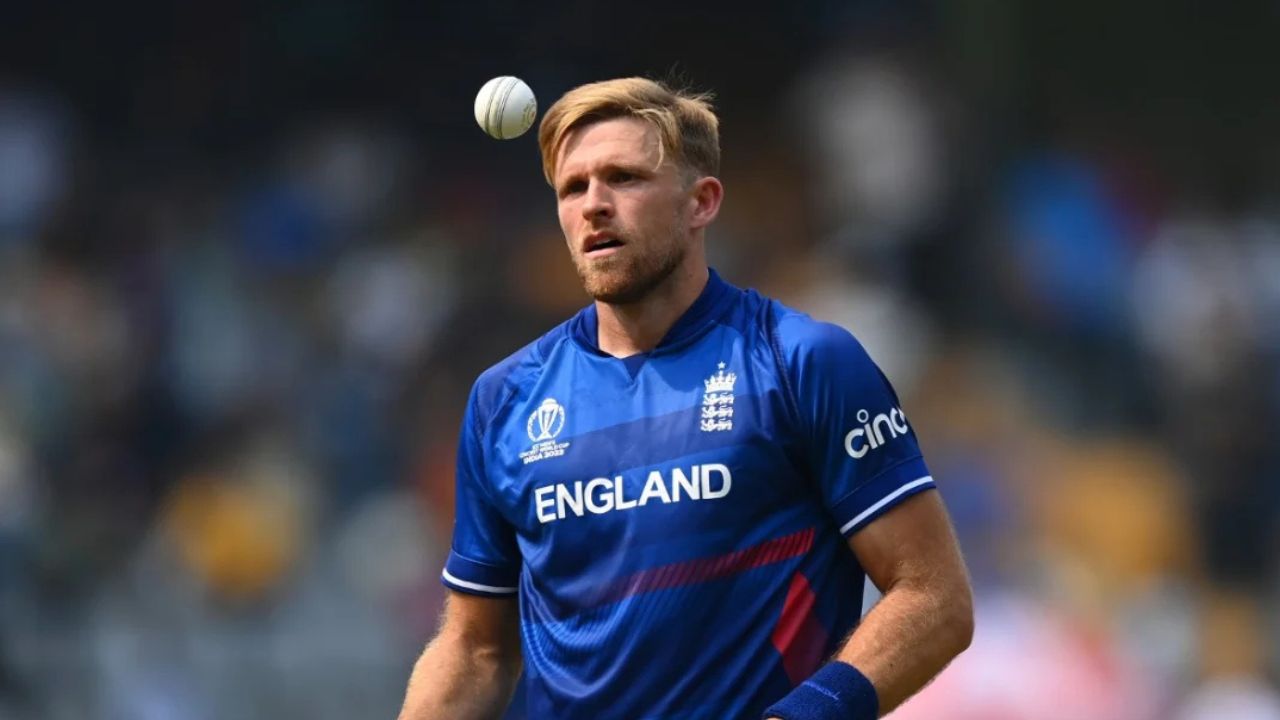
    England cricketer David Willey has praised the Pakistan Super League (PSL) over the Indian Premier League (IPL), giving the Pakistani tournament a significant endorsement.

    In an interview with Indian media, Willey highlighted that PSL offers foreign players better assurance of playing time and security of playing compared to the IPL.

    “You don’t know what the auction will look like in the IPL. However, players get more security and assurance of playing time in the PSL,” Willey said.

    He explained that different players have different priorities when choosing between leagues. “Every player has their own situation. Some feel they will get more playing opportunities in the PSL rather than sitting on the bench in the dugout for 10 or 11 weeks,” Willey added.

    Several prominent cricketers have already announced their decision to skip the IPL in favor of the PSL.

    South African captain Faf du Plessis and England all-rounder Moeen Ali have both confirmed they will leave the IPL to play in Pakistan’s premier T20 league.

    Australia’s Glenn Maxwell has also announced he will not play in the IPL this year. Reports now suggest Maxwell is considering joining the PSL, which would add another major name to the tournament’s roster.

  • Lazawal Ishq unavailable on YouTube in Pakistan after complaints

    Lazawal Ishq unavailable on YouTube in Pakistan after complaints

    Full episodes of the reality show Lazawal Ishq can no longer be accessed on YouTube in Pakistan. The programme’s team said in a statement that the show might not be viewable in the country “due to political reasons.”

    The team posted on Instagram that viewers in Pakistan could still watch the show using virtual private networks (VPNs). “Due to political reasons, our show may not be accessible in Pakistan,” it said.


    Hosted by actress Ayesha Omar, the show has been described by its creators as the first Urdu reality series centered on love. It features eight participants from Pakistan who live together in a villa in Istanbul.


    The show’s format resembles international dating programmes such as Love Island, where participants form connections and explore compatibility over the course of the season. Lazawal Ishq is adapted from the Turkish reality show Aşk Adasi.

    Before its removal in Pakistan, 50 episodes were released on YouTube. While clips remain available on the channel, full episodes cannot be accessed locally. The show continues to be available in other countries. YouTube did not respond to AFP requests for comment on why the content was restricted.


    The trailer begins with Omar entering the villa and introducing the contestants, who are expected to form relationships throughout the show’s planned 100 episodes. After its release, Omar faced criticism online, with some users claiming the show “promotes obscene and unethical content.”

    Omar responded on Instagram, writing: “This is not a Pakistani show it is a Turkish production, but naturally, people in Pakistan can watch it.”

    Despite the backlash, the show gained attention on social media, with its first trailer receiving over two million views. Conversations online highlighted differences in perspectives between younger viewers and more conservative audiences in Pakistan regarding dating and representation.

    A petition was filed with the Pakistan Electronic Media Regulatory Authority (Pemra), requesting a ban. The petition argued that the show went against “Pakistan’s religious and social values by showing unmarried men and women living together.”

    Pemra confirmed it had received “numerous complaints” but stated it does not have authority over digital platforms. The regulator suggested approaching the Pakistan Telecommunication Authority, which oversees online content. The PTA did not respond to requests for comment.

    This is not the first instance of content being restricted on YouTube in Pakistan. Last year, the drama Barzakh was removed following complaints that it promoted LGBTQ relationships.

  • Pakistan loses third consecutive match in Pro Hockey League

    Pakistan loses third consecutive match in Pro Hockey League

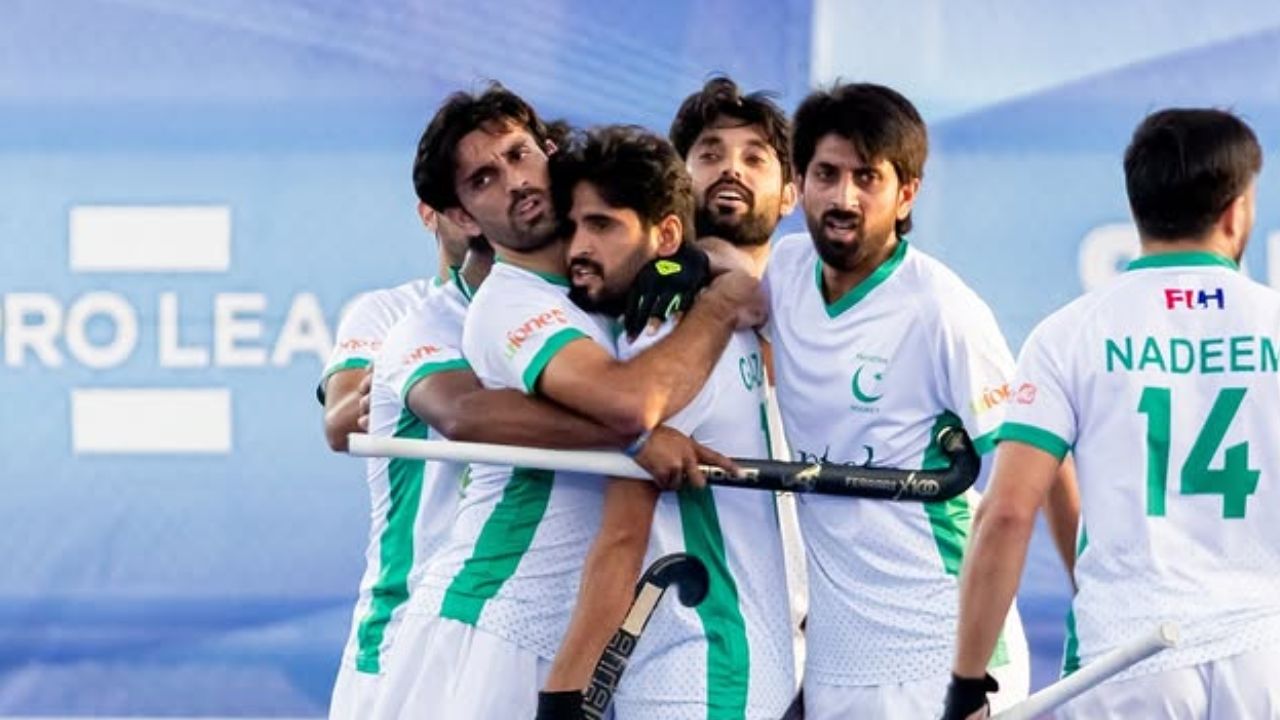
    Pakistan suffered another defeat in the Pro Hockey League, losing 7-3 to the Netherlands in their third match of the tournament in Santiago, Argentina.

    The Netherlands dominated the match, scoring seven goals against Pakistan’s three. Muhammad Sufyan Khan scored two goals for Pakistan while Rana Waheed Ashraf added one, but their efforts could not prevent the heavy defeat.

    Pakistan will play its fourth match on December 15 against host nation Argentina.

    Pakistan has now lost all three of its matches in the first phase of the Pro Hockey League. The team previously lost to host Argentina 3-2 in their second match, while their opening fixture saw the Netherlands defeat them 5-2.

    The consistent losses have put Pakistan under pressure as they prepare to face Argentina next. The team will need to regroup and improve their performance to avoid a fourth consecutive defeat in the tournament.

  • Lahore resident faces Rs2.3 million in traffic fines on 500 motorcycles

    Lahore resident faces Rs2.3 million in traffic fines on 500 motorcycles

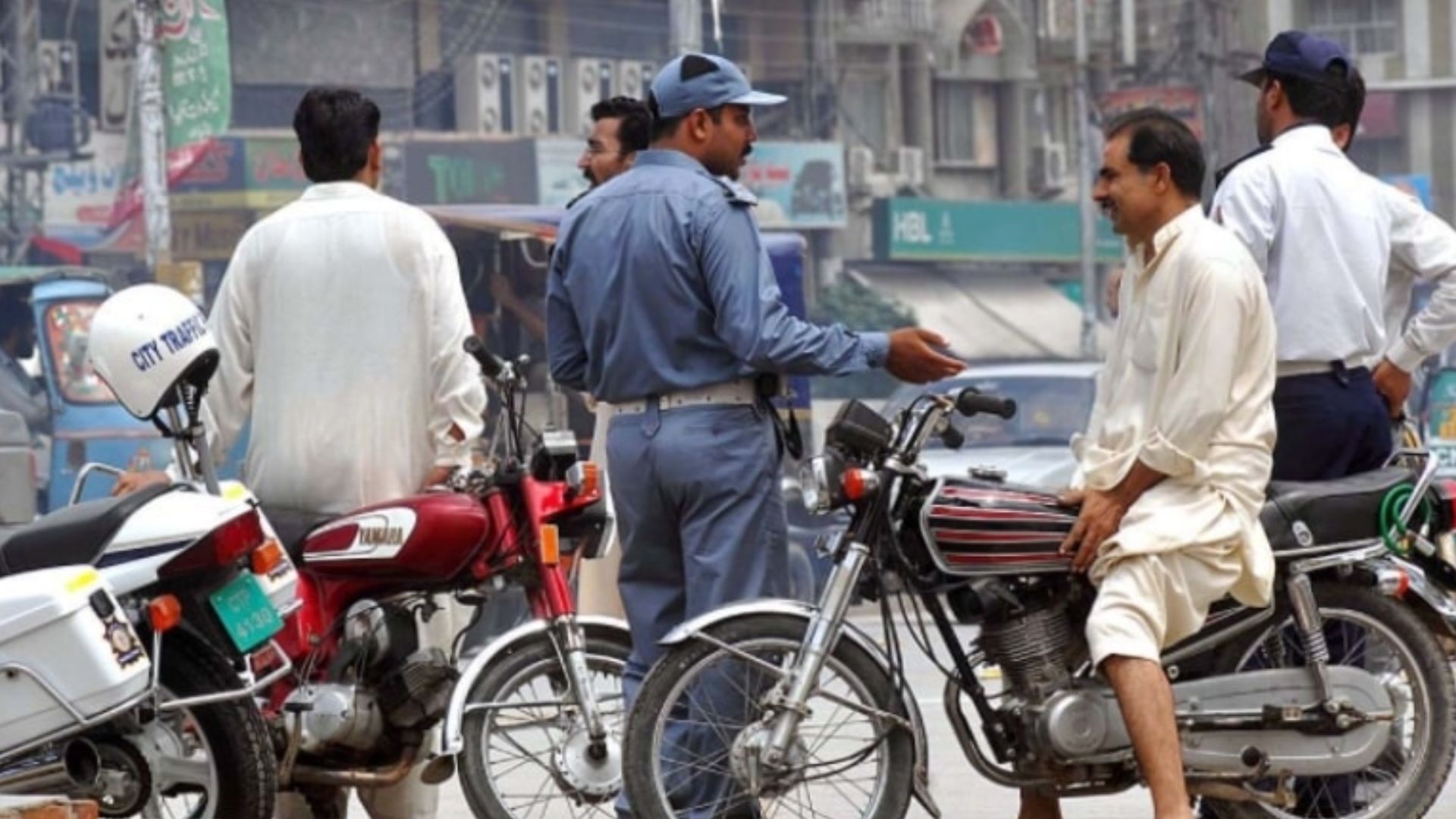
    A Lahore resident has found himself at the center of a traffic violation scandal after authorities discovered 500 motorcycles registered under his name, accumulating over Rs2.3 million in fines.

    Sadiq Khan, a resident of Garhi Shahu in Lahore, came under scrutiny when a traffic warden stopped a motorcycle registered in his name at Campus Pull. The initial stop revealed an outstanding e-challan of Rs12,000 against the vehicle.

    However, further investigation uncovered a far more extensive problem. Records showed that authorities have registered a total of 500 motorcycles under Sadiq Khan’s name. The Safe City Authority has issued 2,071 traffic challans against these vehicles so far.

    The accumulated fines against Sadiq Khan now total Rs23,88,700.


    This incident follows a similar controversy that emerged earlier in November when a motorist received five separate fines worth Rs50,000 in a single day. 

    The Karachi citizen, Hakimullah, reported that all five challans were generated on October 30. Three of the challans were recorded at 12:03 pm in Mauripur while the fourth and fifth were issued ten minutes later at 12:13 pm in Hasan Square.

    Hakimullah stated that authorities imposed all fines for failing to wear a seatbelt. He expressed shock after discovering that paying them would cost him Rs50,000. 

    Punjab has recently implemented a new traffic enforcement framework introducing sharply higher fines, electronic ticketing, and a penalty-points system for driving licenses under the Punjab Motor Vehicle Ordinance 2025. 

    Under the new regulations, fines for common violations range from Rs2,000 to Rs20,000, a significant increase from the previous Rs100-500 range. Motorcyclists caught speeding now face Rs2,000 penalties, while car drivers could be fined up to Rs5,000.

    The revised system includes signal violation fines of Rs2,000 to Rs15,000, wrong-way driving penalties of Rs2,000 to Rs15,000, and rash driving fines between Rs3,000 and Rs15,000. 

    The ordinance also introduces a points-based mechanism where each violation results in a deduction of two to four points, with licenses suspended once a driver accumulates 20 points within a year.

    Red-signal violations carry penalties of Rs2,000 for motorcycles, Rs3,000 for three-wheelers and Rs5,000 for cars. Overloading violations have also been reclassified, with fines ranging from Rs3,000 for rickshaws to Rs15,000 for trailers.

  • Chaudhry Aslam’s widow to make film to reclaim his story

    Chaudhry Aslam’s widow to make film to reclaim his story

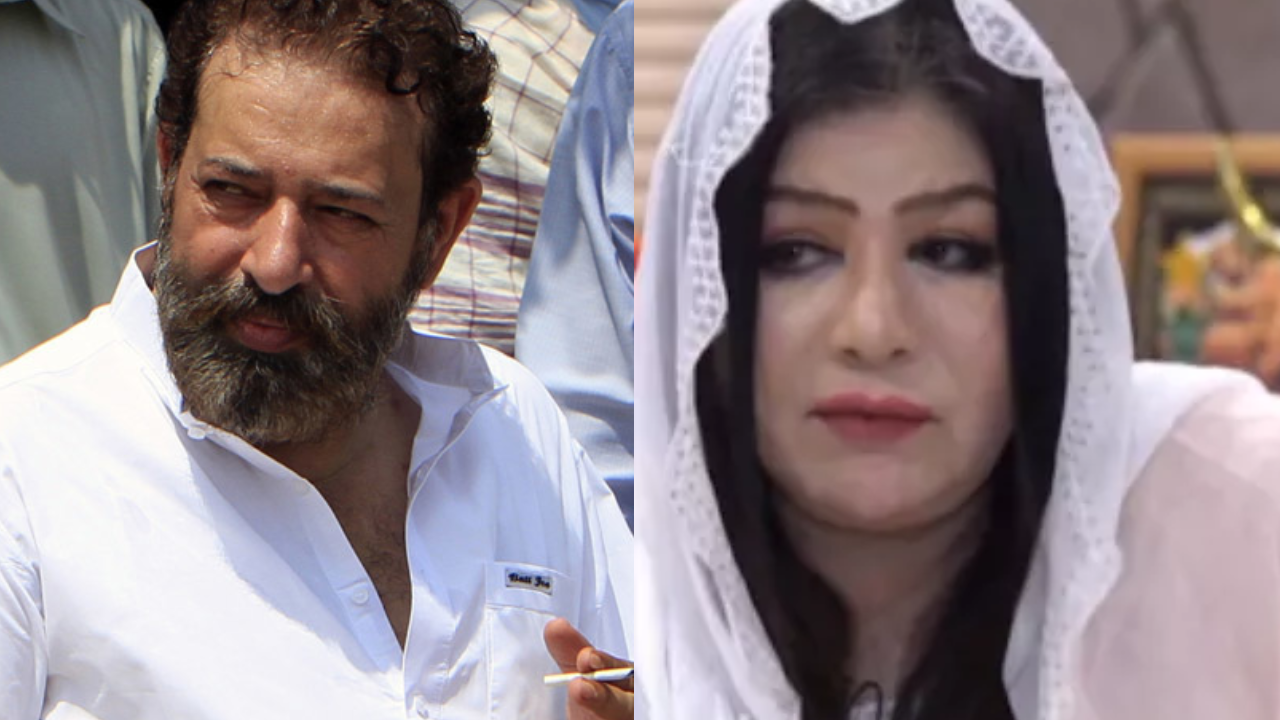
    The widow of slain Karachi police officer Chaudhry Aslam has said she will produce a film based on her husband’s life and work.

    Noreen Aslam told a private news channel in an interview that a controversial Indian film has misrepresented her husband’s role. “In India the film ‘Dhurandhar’ has been made against our forces their intentions have never been clear for Pakistan,” she observed. 

    She said that the portrayal reduced Chaudhry Aslam’s work to operations in Lyari, while ignoring his involvement in counterterrorism campaigns. According to her, “If they wanted to make a film, they should have made it on the TTP; instead, they made a film only on Lyari.”

    Noreen Aslam stressed that her husband’s career cannot be defined through a single operation. “Chaudhry Aslam played major roles; we will make a film or bring it to life in the form of a drama because India limited his character only to Lyari.”

    She said the project aims to show the full extent of his work. “His character was not limited to Lyari  he fought against the TTP and confronted some of the most dangerous networks,” she pointed out, adding that the film will present what she called her husband’s real legacy and the timeline of his service.

    The comments came after the release of the Indian film Dhurandhar on December 5, which has prompted debate across Pakistani and Indian audiences. Viewers have said the film reduces Karachi to repeated scenes of explosions and violence.

    Chaudhry Aslam Khan Swati served in the Sindh Police from the 1980s until his assassination in 2014. He worked on operations targeting organised crime groups, militant networks, and gangs across Karachi. 

    On January 9, 2014, he was killed in a car bomb attack on the Lyari Expressway along with two police personnel, including his guard and driver.

  • Pakistan issues final warning to social media platforms, cites Brazil-style action

    Pakistan issues final warning to social media platforms, cites Brazil-style action

    Pakistan issued a final warning on Thursday to major social media platforms, urging them to align with local regulations and take decisive action against militant content or face consequences similar to those experienced in Brazil, where X was briefly suspended last year.

    During a briefing with foreign media in Islamabad, Minister of State for Interior Talal Chaudhry and Minister of State for Law and Justice Aqeel Malik stated that the government had officially expressed its concerns to platforms such as X, Meta, Facebook, WhatsApp, YouTube, TikTok, and Telegram.


    The ministers conveyed that Pakistan expects these companies to enhance moderation efforts, strengthen collaboration with law enforcement, and implement tools designed to detect extremist activity before it spreads.

    Chaudhry declared, “This is our last warning. These companies must comply with Pakistani laws, establish offices in Pakistan, and use AI and algorithmic tools to identify terror-linked accounts,” Chaudhry said.

    He mentioned that authorities had discovered several accounts connected to regional militant organizations across different platforms.

     “These accounts are linked to organizations already proscribed by the United States and the United Nations,” he emphasized, highlighting what officials described as cross-border online activity contributing to radicalization and security challenges.

    The warning references Brazil’s approach, noting that in June of the previous year, the South American country’s Supreme Court temporarily blocked X after the platform declined to remove accounts accused of disseminating misinformation related to the 2022 presidential elections. 

    The ban was lifted in October after X paid a fine of $5.1 million and appointed a local representative as mandated by Brazilian law.

    Chaudhry remarked that Pakistan had consistently raised the matter, including a comprehensive briefing to platforms on July 24, yet the responses remained “insufficient.” 

    He described X as the least cooperative, whereas TikTok and Telegram exhibited relatively better compliance.

    Officials indicated that the government has also requested platforms to supply IP addresses of accounts associated with militancy and to prevent the creation of duplicate accounts through advanced filtering systems.

    Malik stated that the issue had been discussed not only with the companies but also with the governments of the countries where these platforms are headquartered. 

    “Pakistan is a frontline state against terrorism and continues to pay the price for global terrorism. The world must cooperate with Pakistan in this war,” he said, warning that failure to comply might force the government to take action against non-cooperative platforms.