Author: News Desk

  • How to get fit and be happy this summer while sitting at home

    How to get fit and be happy this summer while sitting at home

    With summer now in full swing, individuals globally may be pondering on ideas to get fit and healthy without leaving their room. This article aims to share some innovative, fun, and easy fitness tips you can incorporate at home this summer.
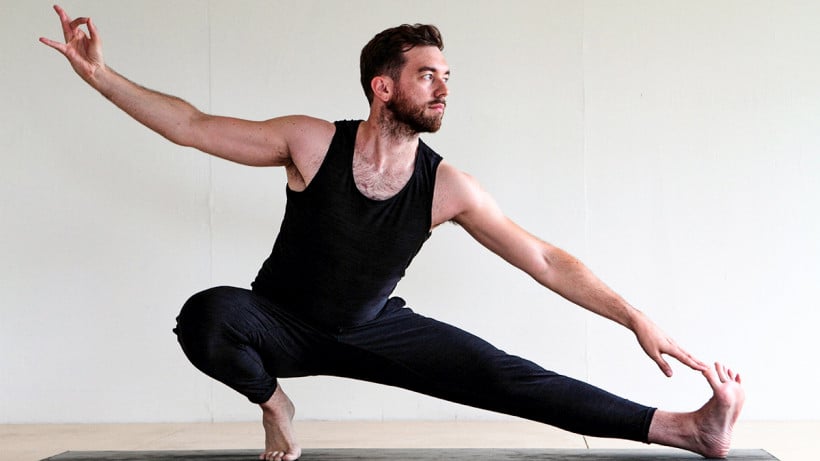
    First off, despite the scorching heat outdoors, summer is an excellent time to find your inner yogi. Yoga is not only a great means to enhance physical flexibility and strength but also helps in relieving stress and bolstering overall well-being. Online yoga classes and apps offer comprehensive sessions varying in lengths and difficulties, allowing you to choose according to your flexibility and skill level.

    When it comes to cardio-based exercises, home dance workouts can provide a delightful reprieve from traditional regimens. Diverse home-dance workout formats available online, from Zumba to hip-hop routines, can contribute significantly to calorie-burning. While offering fitness benefits, these sessions also add an exciting element to your daily routine, making workouts something to look forward to.

    Alongside exercising, it’s crucial to focus on healthy nutrition. Experimenting with summer salads and smoothies is a creative way to fulfill your nutritional needs. Including a variety of colorful fresh fruits and veggies in your meals ensures you receive ample vitamins and minerals, essential for maintaining a robust immune system, particularly important during these pandemic times.

    Moreover, proper hydration in summer can’t be overstated. Try adding fruits like watermelon or cucumber to your drinking water for a refreshing twist on staying hydrated. Also, you can experiment with homemade iced herbal teas, which are equally hydrating and provide numerous health benefits.
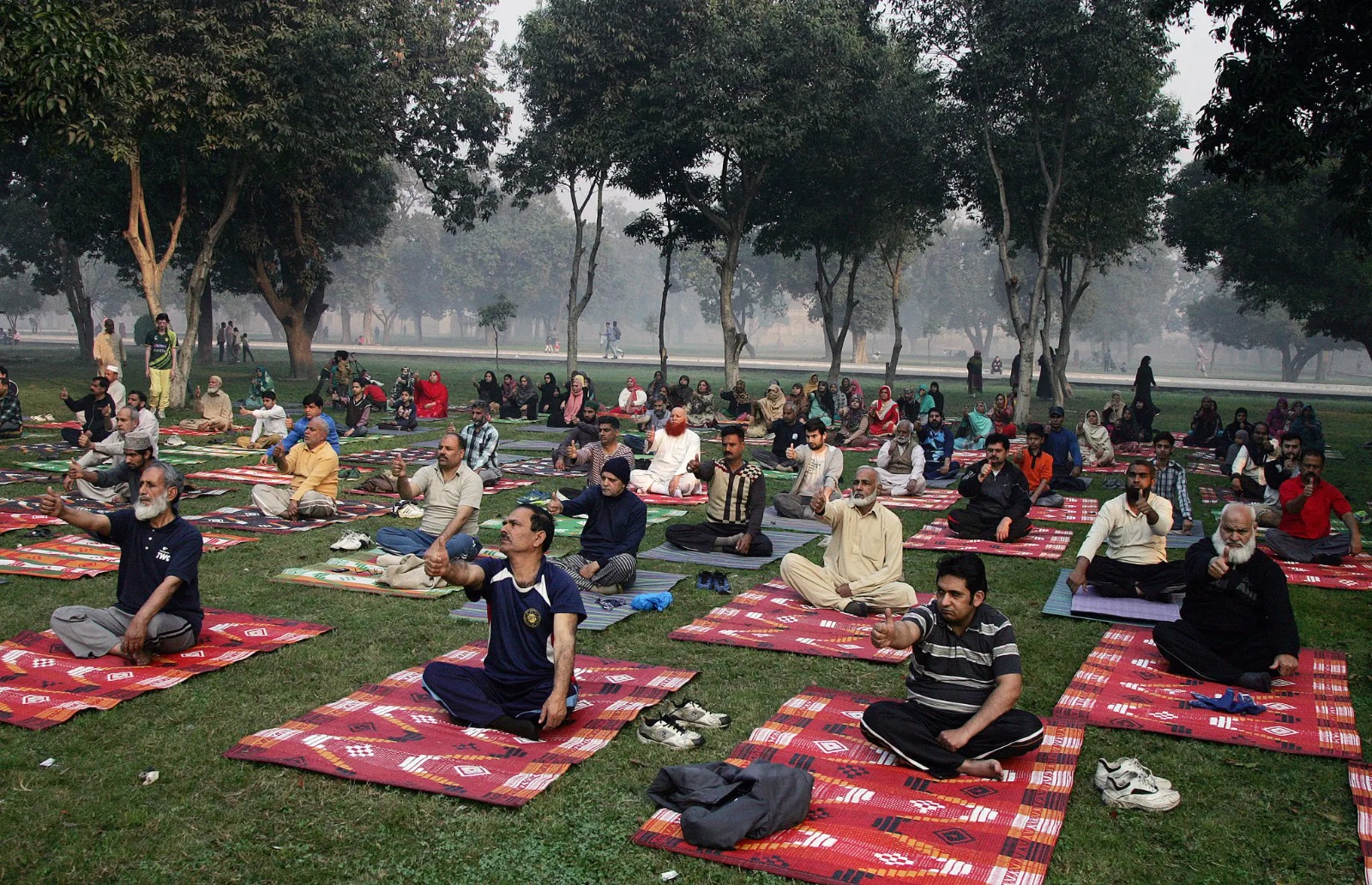
    Finally, mental health is as vital as physical fitness. Adopt mindfulness exercises or meditation to help manage stress effectively, improve focus and induce better sleep.

    Getting fit this summer while staying home doesn’t have to be tedious. Armed with these tips, you’re ready to transform your summer fitness journey into an enjoyable and rewarding experience.
  • Sindh announces bus service for Hindu pilgrimage 

    Sindh announces bus service for Hindu pilgrimage 

    Sindh Minority Affairs Department, under the direction of Pakistan People’s Party (PPP) chairman Bilawal Bhutto Zardari, has announced a bus service to facilitate Pakistani Hindus who cannot afford the travel expenses of the pilgrimage to Shri Hinglaj Mata.

    This was announced by Sindh Minister for Minority Affairs Giyan Chand Esrani at Swami Narayan Mandir while inaugurating the construction work of the development scheme for Guru Nanak Durbar in Karachi.

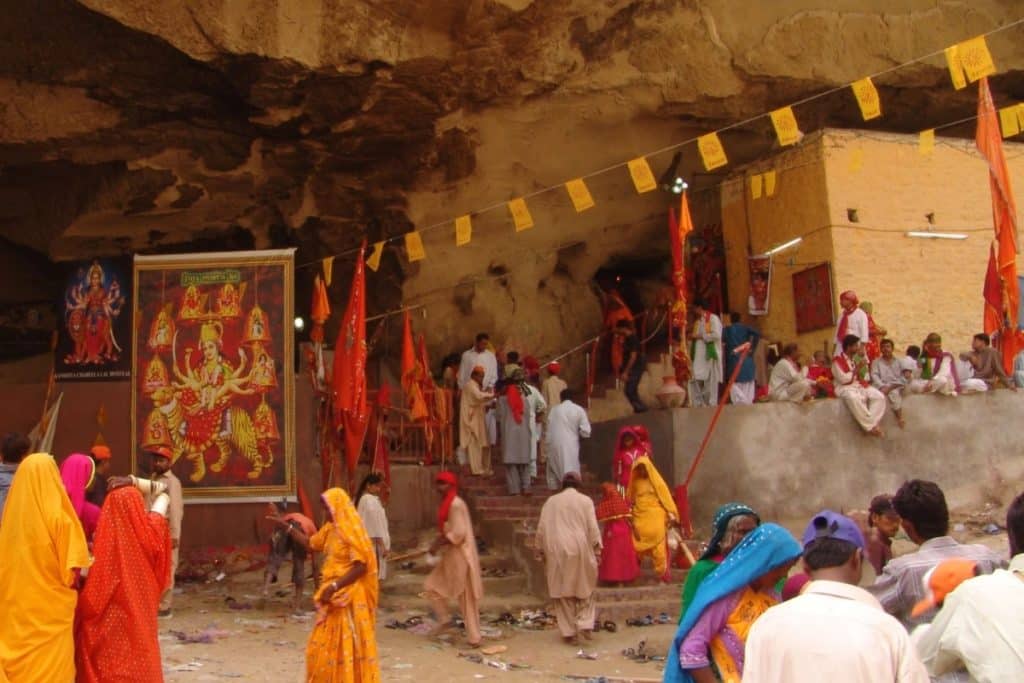
    Hinglaj Yatra is the pilgrimage to the cave temple of Hindu Devi – Shri Hinglaj Mata – on the Makran coast in the Lasbela district of Balochistan. More than 250,000 people take part in the Hinglaj Yathra every year. 

    Sindh Minority Affairs Department stated that the bus service will begin on July 15. Gyan Chand Esrani said that lunch will be provided to the pilgrims during the journey, while those pilgrims who want to stay there for a couple of days during the pilgrimage will be provided with resting facilities by the department.

    He said that the application for the pilgrimage would be sent to the Director of Minority Affairs through District Panchayat. He also announced the construction of a hostel for poor girl students at Swami Narayan Mandir.

    Hinglaj Mata is one of the three Shakti Peethas in Pakistan, the other two being Shivaharkaray and Sharada Peeth. Over the last three decades, the place has gained popularity and become a unifying point for Pakistan’s Hindu community.

    The temple Shri Hinglaj Mata is in a small natural cave, in a narrow gorge in the hilly area of Lyari Tehsil in Balochistan. It lies within the domain of the Hingol National Park, lying on the west bank of the Hingol River.

  • Hidden Jupiter and Uranus-sized planets may exist at solar system’s edge, scientists suggest

    Hidden Jupiter and Uranus-sized planets may exist at solar system’s edge, scientists suggest

    Researchers have indicated that the outer regions of the Solar System may harbor a greater number of interstellar objects than previously hypothesized.

    As reported by The Independent, scientists are speculating that large Jupiter and Uranus-sized planets could be concealed within our solar system, potentially located at its outer fringes.

    These planets are believed to be trapped within the Oort Cloud, a theoretical shell that astronomers propose marks the gravitational border of the Sun and its associated satellites.

    To investigate the ejection and capture of large planets within solar systems, scientists employed sophisticated computer simulations. Such simulations demonstrate that when a planet is flung out of its host star’s gravitational orbit, it requires a significant amount of kinetic energy. Conversely, for another system to capture such a planet, a comparable amount of energy is necessary.

    Based on their observations, scientists assert that Oort Cloud planets situated at the solar system’s edge are more likely to have originated from interstellar space rather than being born of the Sun itself.

    The researchers estimate that approximately “one in every 200-3000 stars could host an Oort Cloud planet.”

  • Iranian students harassed, given disciplinary hearings for refusing to wear hijab at university

    Iranian students harassed, given disciplinary hearings for refusing to wear hijab at university

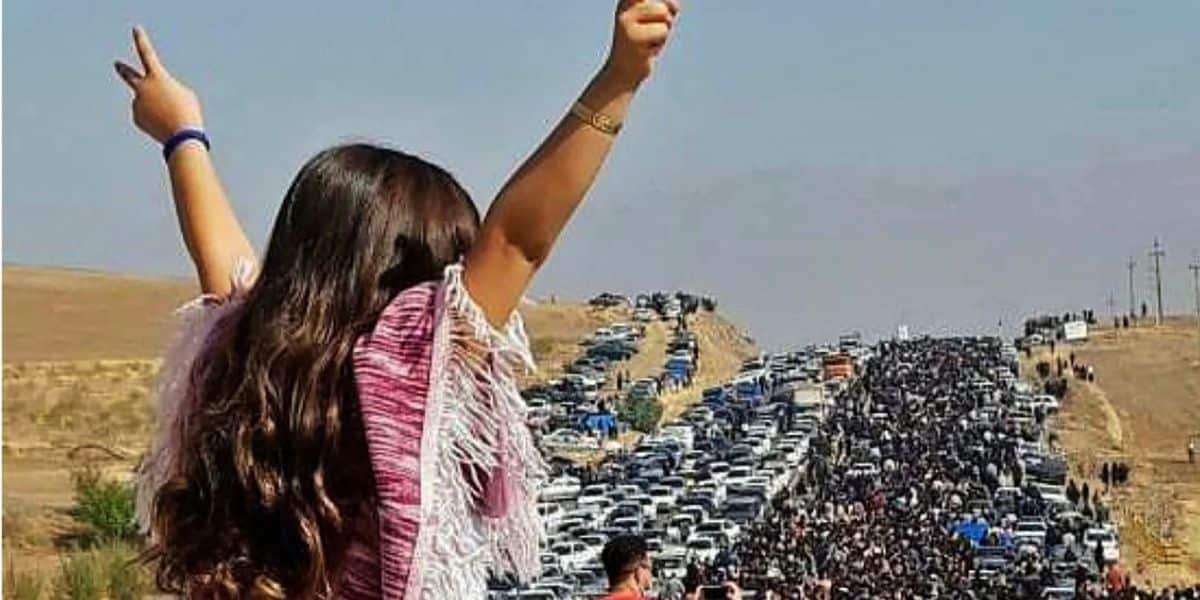
    As women across Iran continue to protest against strict hijab laws, universities have taken stringent measures by suspending and initiating violent crackdowns against female students to suppress the uprisings, The Guardian has reported.

    More women have posted video recordings of themselves dancing or walking without the hijab, while several students spoke to the publication to reveal that at least 60 students have been banned from their university, called at disciplinary committee hearings and harassed on campus for not wearing the hijab.

    According to the Student Council of Iranian Universities, at least 40 female students have been conditionally suspended from their campuses for failing to follow the hijab rule. While The Human Rights Activists (THRA) in Iran reported that at least 64 students have been suspended and three expelled.

    Nine suspended activists told the publication that arrests of young women are on the rise, and they were warned of serious consequences if they did not adhere to the mandatory policy of wearing their hijab.

    “We’re being mass banned from the campus for refusing to wear a hijab, and in the past few days there has been a violent crackdown on us for peacefully sitting in protest,” said a student who was studying in a university in Tehran. She further revealed that security officials had violently thrown women out of classrooms.

    Another anonymous student from Mashhad spoke about her suspension for protesting on the 40th day of Mahsa Amini’s death:

    “I have been slapped with repeated temporary suspensions for protesting on the 40th day of Mahsa Amini’s death. Considering that I will be suspended again next semester, I will fall behind a whole year. I dream of studying abroad, but unfortunately, given the current situation, my future is dark.”

    Another student’s account revealed that sharing social media posts related to Mahsa Amini’s death could have severe consequences leading to being suspended and failing their courses, as violent crackdowns continue to rise in Iran.

    “Three days after I shared a post about death sentences, the university security team confiscated my phone after raiding our residence hall,” spoke a student from Tehran. “They also collected protest posters or anything related to the ongoing revolution and warned us of worse consequences.

    “I doubt the officers barging into our dormitories are from the university’s security team. I’ve never seen them before. The next day, I was temporarily suspended along with three of my friends.”

    Another student in Tehran revealed: “The university administration is acting like an extended arm of the Islamic Republic. I was preparing my applications for a master’s in the EU, but I fear I’ll neither receive a recommendation letter, nor will I receive the relevant grades necessary for my application. I’ve been warned by my university’s administration that I’ll get zero grades if I don’t apologise and retract my social media posts in support of the revolution.”

    Professors who support the protests have also been violently attacked or expelled from campuses.

    The protests in Iran began in September 2022 after the brutal death of 22 year old Mahsa Amini, who was severely beaten by Guidance Patrol officers for refusing to wear a hjijab. She later passed away in a hospital from her injuries. Since then, nation wide protests began through out Iran as the slogan ‘Zen, Zendagi, Azaadi’ was adapted as a protest against human rights violations committed by the Iranian government.

  • Govt to implement Rs7 per unit power tariff hike, expecting over Rs3.2 trillion in revenue

    Govt to implement Rs7 per unit power tariff hike, expecting over Rs3.2 trillion in revenue

    The government is planning to raise the power base tariff by approximately Rs7 per unit. This move is expected to generate over Rs3.2 trillion in additional revenue from power consumers. The International Monetary Fund (IMF) Executive Board is set to discuss a stand-by arrangement, which is the final step in solidifying the IMF Staff Level Agreement. The government will then need to fulfill the program’s requirements.

    The increase in power tariff is a crucial condition set by the IMF for providing financial assistance to Pakistan. The Fund has been urging the government to raise the tariff and eliminate power subsidies to reduce the country’s fiscal deficit. The proposed increase, along with an 18 per cent GST on bills, could lead to a significant financial burden on power consumers.

    Nepra, the regulatory authority, has conducted hearings with distribution companies (Discos) on this matter. While the privatised company, K-Electric, will be insulated from the increase in base tariff, the price of electricity it draws from the national grid will become costlier.

    The increase in base tariff, estimated at nearly Rs7 per unit, is awaiting submission to the federal government for notification. If finalised, it would raise the base tariff to Rs31.80 per unit from the current Rs24.80. The increase is aimed at reducing the power sector’s circular debt accumulation, which currently stands at approximately Rs2.64 trillion due to inefficiencies in power generation, transmission, and distribution.

    The rise in power tariffs will impact consumers across residential, commercial, and industrial sectors, leading to inflation. Businesses will pass on the increased costs to consumers, while households will need to allocate more funds for power, straining their budgets. However, the government asserts that this step is necessary to revive the power sector and the economy. It has also promised targeted subsidies to alleviate the burden on the poor and vulnerable.

    In a positive development, the government has made a payment of Rs142 billion to Independent Power Producers (IPPs), reducing their outstanding dues and improving their cash flows. However, the power sector still faces a circular debt of Rs2.64 trillion. Additionally, the IMF has called for a 45-50 per cent increase in gas tariffs, affecting consumers of Sui Northern Gas Pipelines Limited (SNGPL) and Sui Southern Gas Company Limited (SSGCL).

    The government is likely to continue its policy of having high-end consumers subsidise low-end consumers. The circular debt in the energy sector amounts to over Rs4.30 trillion, including debts from the oil and gas sector.

    Finance ministry and Nepra officials have experienced confusion regarding the finalisation of the increase in base tariff, as the IMF board meeting approaches. The regulator is awaiting projections from the finance ministry to determine the final base tariff. The government aims to achieve a value of Rs240 for the US dollar, despite setting it at Rs290 billion in the federal budget.

    Overall, the government’s objective is to address the financial challenges in the power sector while providing support to those affected by the tariff increase. The proposed measures are crucial to stabilise the power sector and stimulate the economy.

  • Nawaz moves to address Maulana’s concerns over Dubai meeting

    Nawaz moves to address Maulana’s concerns over Dubai meeting

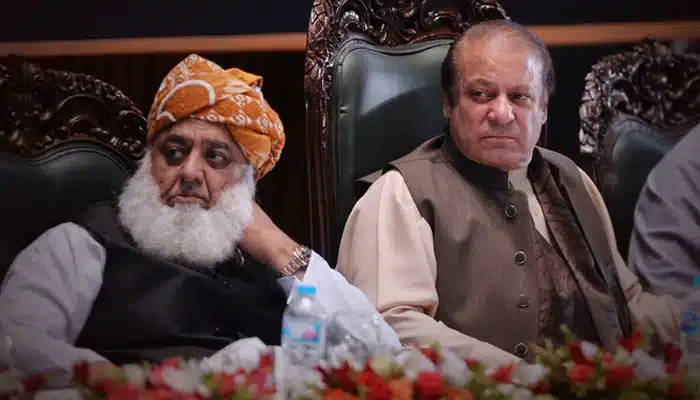
    Former Prime Minister and Pakistan Muslim League– Nawaz (PML-N) supremo Nawaz Sharif has invited head of Jamiat Ulema-e-Islam- Fazl (JUI-F) Maulana Fazlur Rehman to Dubai to dispel his reservations about the recent meeting of coalition partners in Dubai, The News has reported.

    The JUI-F chief has claimed that he was not taken into confidence on Dubai gatherings headed by Nawaz Sharif.

    Sharif is currently in Saudi Arabia and will leave for Dubai instead of London. According to the sources of Geo news, Pakistan Peoples Party (PPP) Co-chairman Asif Ali Zardari has convinced him to hold elections on time.
    On the other hand, Nawaz Sharif tasked Prime Minister Shehbaz Sharif to woo Maulana about the recent meeting between coalition partners in Dubai.

  • ‘Recharge Pakistan’ climate resilience project approved for funding

    ‘Recharge Pakistan’ climate resilience project approved for funding

    Pakistan’s Federal Minister for Climate Change, Sherry Rehman, tweeted her joy on Tuesday at the ‘Recharge Pakistan’ project receiving approval for funding. A joint collaboration by Global Climate Fund (GCF), WWF and the Government of Pakistan, the project aims to build climate resilience through multiple Ecosystem-Based Adaptation (EBA) interventions.

    The project is said to be implemented over the next seven years and will be receiving resources of $66 million from GCF, and $11.8 million from co-financing organisations. 

    The EBA interventions are comprised of three components: firstly, to store flood water in wetlands, floodplains, and depressions (also known as green infrastructure) at several priority sites. 

    Secondly, the project is designed to build community resilience amongst those Pakistani communities particularly vulnerable to climate change. 

    Lastly, and perhaps most importantly, the project aims to enable a paradigm shift towards ecosystem-based adaptation in Pakistan in order to scale up more projects with this approach.

    As Senator Rehman also said, the project is aimed to enable the Government of Pakistan, “including all lead provinces and stakeholders”, to implement and replicate nature-based solutions for climate change.

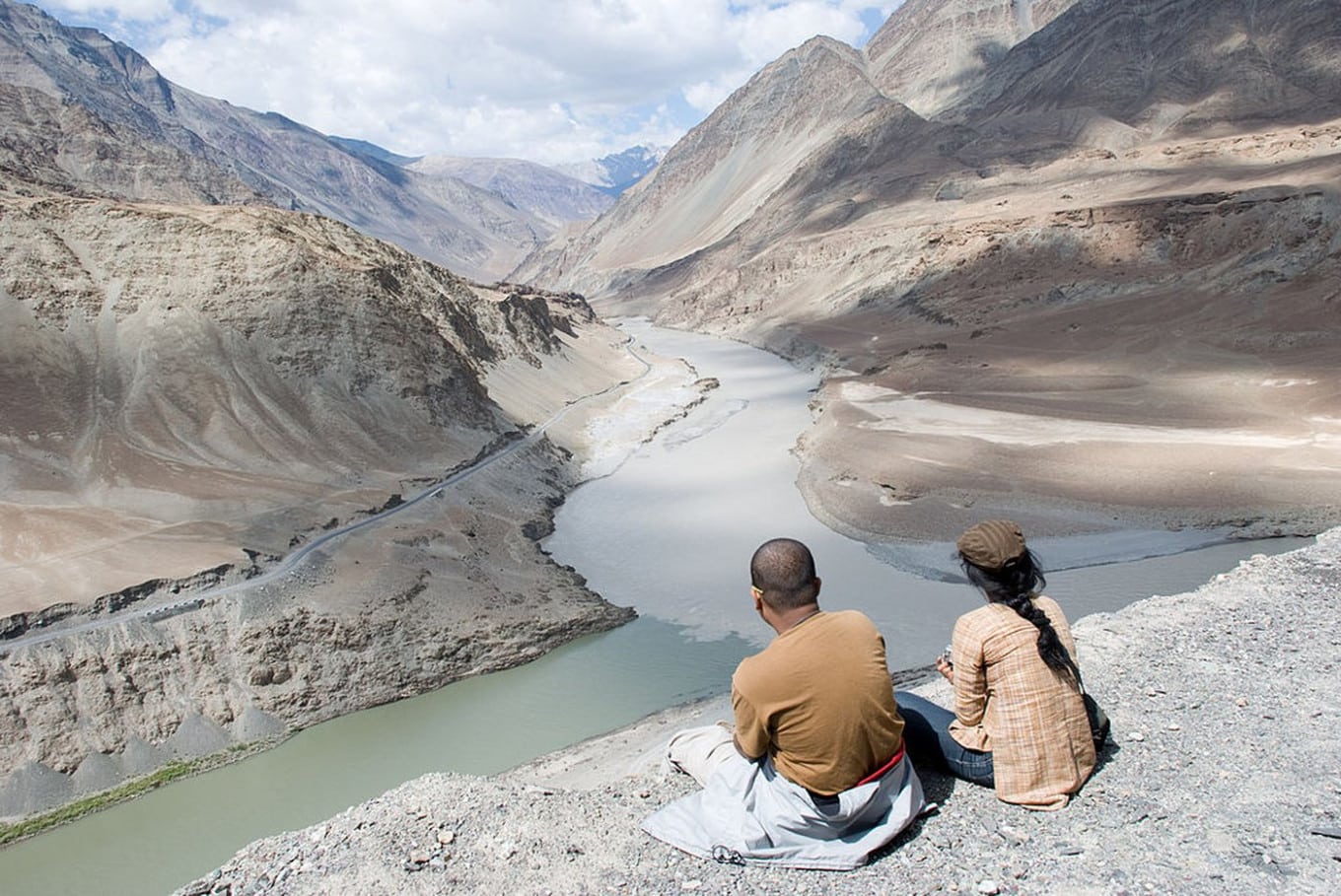
    The tentative goal is that by 2030, there would be a reduction of flood risk, with enhanced water recharge at six sites in the Indus Basin, building resilience amongst 10 million people and vulnerable ecosystems. 

    In order to ensure that the aforementioned EBA interventions are sustained and continue to function effectively, WWF states that the project will ensure that climate-adapted, community-based natural resource management is implemented locally. 

    Thus, Recharge Pakistan will hopefully contribute towards improving water and food security at a national level, and climate-adapted livelihoods locally, increasing resilience through the protection and restoration of ecosystems and building the climate resilience of vulnerable communities in the Indus Basin.

    As one of the countries most threatened by climate change, the approved funding for Recharge Pakistan is definitely a win. More nature-based solutions for climate change could help our country escape imminent disaster while preserving and rebuilding what’s left of our environment.

  • Nimra Bucha set to star in BBC’s Agatha Christie adaptation ‘Murder is easy’

    Nimra Bucha set to star in BBC’s Agatha Christie adaptation ‘Murder is easy’

    Theater veteran Nimra Bucha has been on a roll since working in coveted projects like ‘Ms Marvel’, ‘Churails’ and ‘Polite Society’. Now, Variety reports that the Pakistani actress is set to work in the BBC drama adaption of the popular Agatha Christie novel ‘Murder Is Easy’.

    The cast comprises of ‘Lord of the Rings’ lead Morfydd Clark and Downtown Abbey’s Penelope Wilton.

    Filming for the adaptation is currently taking place in Scotland, with ‘Industry’ actor David Johnson set to play the lead as Fitzwilliam. Set in 1945 England, Fitzwilliam encounters an old woman, Ms Pinkerton, on the train, who tells him of a murderer on the loose in the quiet village of Wychwood under Ashe. While locals dismiss the murders, Miss Pinkerton remains unsure and seeks help from Scotland Yard, but is found mysteriously dead on her way. After this, Fitzwilliam takes matter in his own hands and investigates who the murderer is.

    The two-part series is written by Siân Ejiwunmi-Le Berre while Meenu Gaur of Zinda Bhaag and World on Fire, will be directing.

  • Pakistan’s foreign exchange reserves boosted by $2 billion deposit from Saudi Arabia

    Pakistan’s foreign exchange reserves boosted by $2 billion deposit from Saudi Arabia

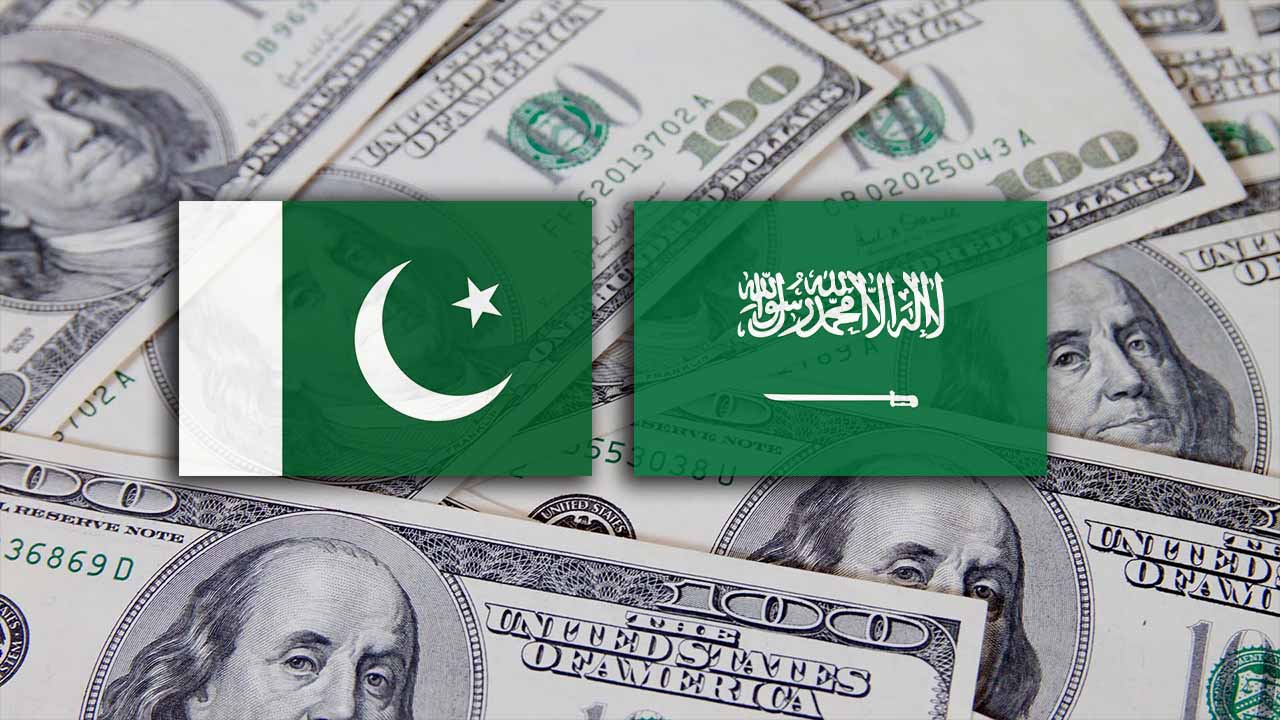
    Pakistan’s central bank has received a significant financial boost of $2 billion from Saudi Arabia, as announced by Federal Minister Ishaq Dar. This infusion of funds will greatly bolster the country’s low foreign exchange reserves.

    During a media briefing on Tuesday, Dar expressed gratitude, stating, “Our brother nation, Saudi Arabia, has deposited $2 billion into the account of the State Bank of Pakistan (SBP).” He further emphasised that this contribution will directly enhance Pakistan’s foreign exchange reserves.

    At the close of last week, the SBP’s forex reserves grew by $393 million to reach $4.463 billion, primarily due to official government inflows. Over the past two weeks, the SBP’s reserves have surged by $937 million. However, it is important to note that these reserves still only cover approximately a month’s worth of imports.

    Dar stated, “These $2 billion will be reflected in the SBP’s reserves by the week ending 14th July.” The finance minister also commended the Saudi government, specifically King Salman and Crown Prince Mohammad bin Salman, for their instrumental role in this gesture of support. Dar extended heartfelt appreciation to the leadership of the Kingdom of Saudi Arabia for depositing $2 billion with the SBP and expressed optimism about future positive economic developments. He declared that Pakistan’s economic situation has nearly stabilised and is poised for growth.

    This development follows the recent announcement by the International Monetary Fund (IMF) that its staff and Pakistani authorities have reached an agreement on policies backed by a $3 billion, nine-month Stand-By Arrangement (SBA). The staff-level agreement is pending approval by the IMF Executive Board, with a decision expected on 12th July.

    Read more: Pakistan commits to 4% annual profit on $2 billion deposit from Saudi Arabia

    Nathan Porter, IMF Mission Chief to Pakistan, stated, “The new SBA builds upon the authorities’ efforts under Pakistan’s 2019 EFF-supported program, which expires at the end of June.” The new IMF arrangement, viewed as highly favorable for the government and economy amidst the ongoing crisis, extends Pakistan’s commitment to the lender well into the second half of fiscal year 2023-24. Moreover, it represents an upgrade from earlier expectations of receiving $1.1 billion following the ninth review.

    Experts have consistently emphasised the critical nature of resuming the IMF bailout package for Pakistan, a cash-strapped South Asian economy grappling with a balance of payments crisis. In addition to mitigating risks of potential default, the funding from the international lender is expected to pave the way for additional inflows from Pakistan’s multilateral and bilateral partners.

  • Local manufacturing plants in Pakistan assemble 4.88 million mobile phones in first five months of 2023

    Local manufacturing plants in Pakistan assemble 4.88 million mobile phones in first five months of 2023

    According to official data, local manufacturing plants in Pakistan have successfully manufactured and assembled 4.88 million mobile handsets during the first five months (January-May) of 2023. This figure stands in stark contrast to the mere 0.41 million handsets that were commercially imported during the same period.

    For the month of May 2023, local manufacturing plants contributed 1.44 million mobile handsets, while commercial imports lagged behind at 0.11 million.

    However, it is worth noting that the local manufacturing industry experienced a decline in production during the calendar year 2022, manufacturing 21.94 million mobile handsets compared to the 24.66 million produced in 2021. This decline can be attributed to import issues caused by restrictions on the opening of letters of credit (LCs).

    Providing additional insight, the Pakistan Telecommunication Authority (PTA) disclosed that out of the 21.94 million mobile handsets assembled in 2022, only 1.53 million were commercially imported.

    Of the 4.88 million locally manufactured and assembled mobile handsets, 4 million were 2G phones, while 0.88 million were smartphones.

    Furthermore, the PTA data reveals that smartphones accounted for 56 per cent of the mobile devices used in Pakistan, while 44 per cent were 2G phones.

    Moving on to imports, Pakistan imported mobile phones valued at $516.488 million during the first 11 months (July-May) of the current fiscal year 2022-23, indicating a significant negative growth rate of 73.46 per cent compared to the $1.946 billion imported during the same period last year.

    In May 2023, the country experienced a remarkable 308 per cent month-on-month increase in mobile phone imports, reaching $43.201 million. This figure surpasses the $10.587 million worth of imports recorded in April 2023, as reported by the Pakistan Bureau of Statistics (PBS).

    When compared to May 2022, however, mobile phone imports in May 2023 exhibited a negative growth rate of 68.52 per cent, with the value dropping to $137.212 million.

    Taking a broader view of the telecom industry, overall imports into Pakistan amounted to $860.441 million during the July-May 2023 period. This marks a substantial negative growth rate of 66.87 per cent compared to the $2.597 billion recorded during the same period in the previous fiscal year.