Author: News Desk

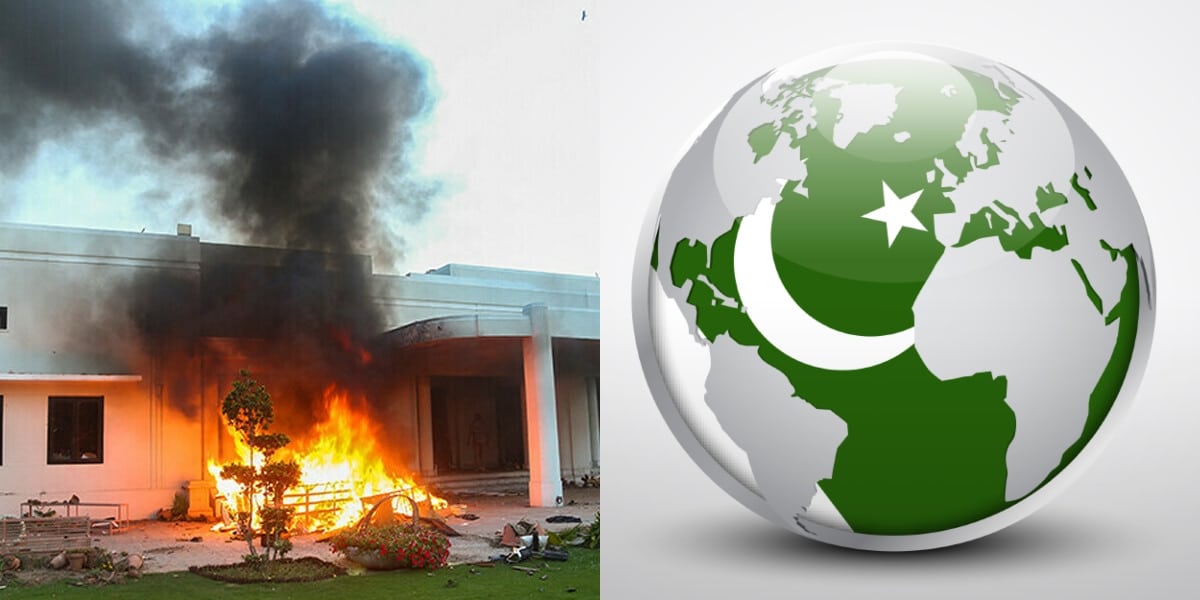
  • May 9 riots: Pakistan to ask relevant foreign governments to hand over culprits

    May 9 riots: Pakistan to ask relevant foreign governments to hand over culprits

    Foreign nationals involved in “instigation, glorification and support (physical, moral and financial)” of the incidents of May 9 will be investigated, the government has decided on Thursday, Geo news has reported.

    As per Geo’s sources, the government has collected relevant data of more than 500 Pakistanis. “Their call records, social media activity, travel history, financial transactions, immigration status and other relevant data has been analysed.”

    Reportedly, the expats are mostly from the UK, Europe and the US.

    The people involved will be investigated upon arriving in Pakistan. “Moreover, the government shall initiate criminal proceedings against all those involved, and the relevant foreign governments will be contacted for handing over the culprits.”

    Their legal status in host countries, mode of entry and pending dual nationality applications shall also be made part of the proceedings.

  • Ishaq Dar to present Rs14.7 trillion budget for FY2023-24 today

    Ishaq Dar to present Rs14.7 trillion budget for FY2023-24 today

    Finance Minister Ishaq Dar is set to reveal the federal budget for the fiscal year 2023-24 today, with a proposed outlay of Rs14.7 trillion. The budget carries a higher consolidated budget deficit, exceeding 6 per cent of the GDP, and includes allocations for various targeted schemes aimed at attracting voters in the upcoming general elections.

    The government has established targets for tax collection by the Federal Board of Revenue (FBR) at Rs9.2 trillion, along with a non-tax revenue target of Rs2.7 trillion. To achieve the non-tax revenue target, the government plans to amend the finance bill, raising the petroleum development levy (PDL) from Rs50 per litre to Rs55-60 per litre. This adjustment aims to collect Rs870 billion in the next budget, as opposed to the revised estimate of Rs550 billion for the outgoing fiscal year.

    The credibility of the budgetary figures remains a concern as they are subject to change throughout the financial year. If a new government assumes power after the general elections, it will likely need to introduce a mini-budget to align economic realities with the International Monetary Fund (IMF) and secure a fresh bailout package.

    The government’s ability to satisfy the IMF on the revival of the stalled programme is yet to be seen. The continuing stalemate may endanger the diminishing foreign exchange reserves, with the State Bank of Pakistan’s reserves falling below $3.9 billion.

    Without establishing a comprehensive budgetary framework with the IMF, signing the staff-level agreement will be impossible. Fulfilling three conditions becomes crucial: securing external financing of $6 billion, presenting the next budget in accordance with IMF guidelines, and ensuring a market-based exchange rate.

    The IMF programme is scheduled to conclude on June 30, making any further extension unlikely, as stated by the finance minister during the launch of the Economic Survey for 2022-23. The need for a realistic budget for the next financial year is evident due to the lack of credibility surrounding the budgetary figures, which frequently undergo changes.

    The tenure of the Pakistan Democratic Movement (PDM)-led government is set to expire on August 12. However, the government has approved an allocation of Rs90 billion for the implementation of the SDGs Achievement Programme (SAP) in the next budget, compared to the revised allocation of Rs116 billion for the current financial year.

    Ensuring external debt servicing, which requires $25 billion, is the primary priority of the government in the next budget. How the government plans to generate such a substantial amount, considering it obtained just under $8.1 billion in the first ten months of the current fiscal year out of the total budgeted figure of $22.8 billion for external loans and grants, remains to be seen.

    The fiscal constraints present significant challenges, as the total net revenue receipts of the federal government are insufficient to meet debt servicing requirements. After transferring resources to provinces and accounting for non-tax revenue, the total net receipts of the federal government are expected to amount to Rs6.5 trillion.

    Meanwhile, total debt servicing will consume Rs7.5 trillion, resulting in a deficit of Rs1,000 billion for the federal government. Therefore, other expenditure categories, such as defense, salaries, pensions, civil government operations, subsidies, and grants to public sector enterprises, will have to be funded through borrowing.

    During the survey launch, the finance minister pledged the government’s commitment to increase salaries, pensions, and minimum wages for workers in the FY24 budget. To finance the substantial budget deficit in the next financial year, Pakistan will need to acquire domestic and foreign loans amounting to Rs7,000 to Rs7,500 billion.

    The challenges ahead do not have easy solutions, and addressing them will require profound structural reforms to navigate the economy out of its crisis mode.
  • How can cases of civilians be tried under the Official Secrets Act: Peshawar High Court raises questions

    How can cases of civilians be tried under the Official Secrets Act: Peshawar High Court raises questions

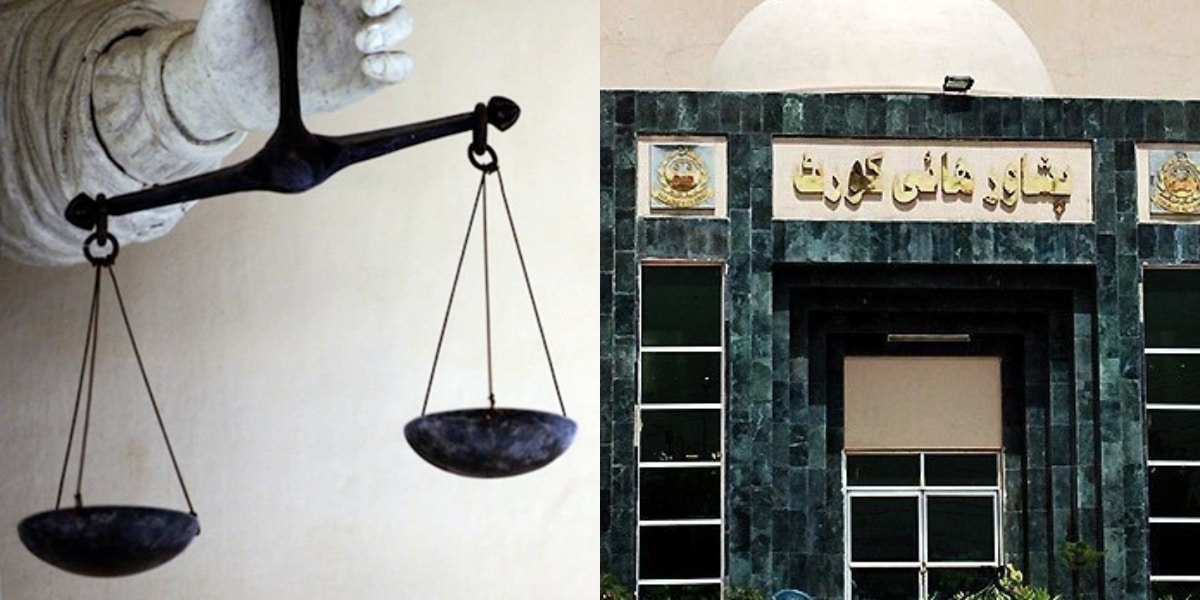
    A division bench of Peshawar High Court (PHC) on Thursday heard petitions filed against trials in military courts of those accused of attacking military installations.


    The bench consisted of Justice Ishtiaq Ibrahim and Justice Sahibzada Asadullah.


    “How can cases of civilians be tried under the Official Secrets Act,” Justice Ibrahim questioned during the hearing, adsing that the cases require interpretation of the constitution.

    The hearing has been adjourned till June 13.

    On Wednesday, Chief of Army Staff (COAS) General Asim Munir presided over the 81st Formation Commanders Conference at GHQ, which was attended by Corps Commanders, Principal Staff Officers and all Formation Commanders of Pakistan Army.

    The forum condemned the events of May 9, saying that “attackers of military installations would certainly be brought to justice speedily under the Pakistan Army Act and Official Secret Act which are the derivatives of the Constitution of Pakistan.”

  • Finance Minister rejects idea of coalition govt entering fresh IMF programme

    Finance Minister rejects idea of coalition govt entering fresh IMF programme

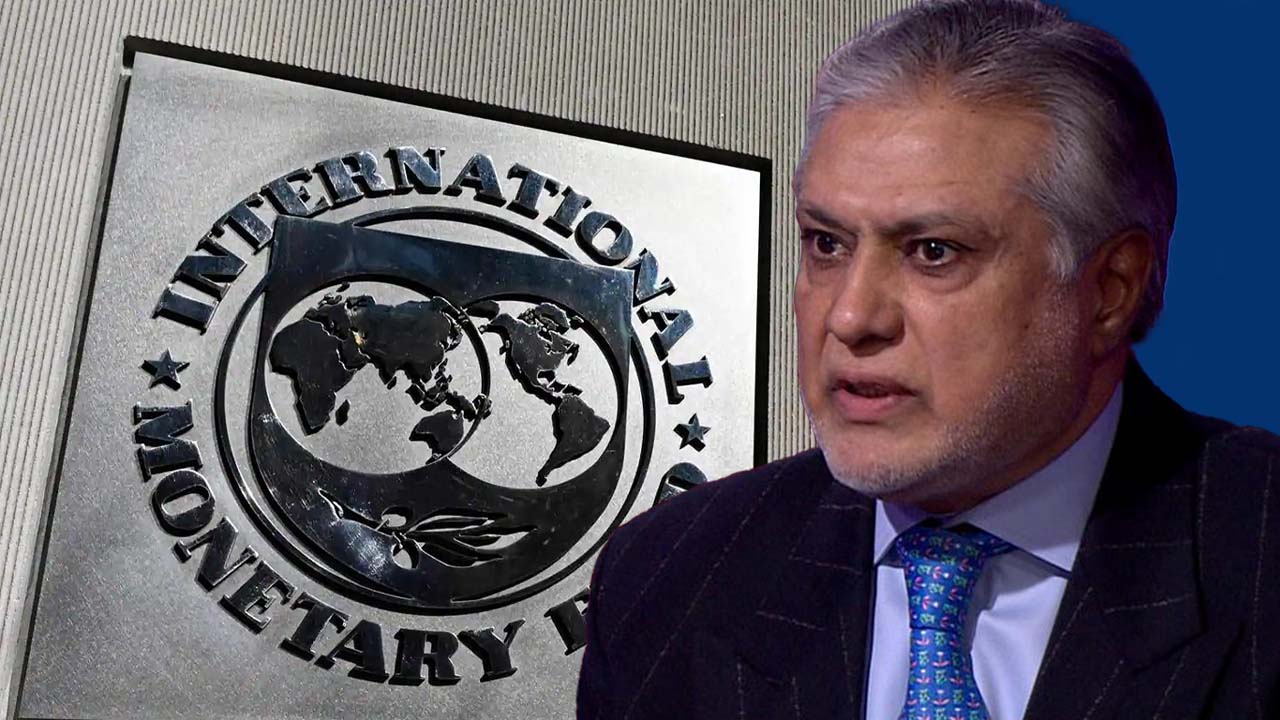
    Pakistan’s Finance Minister, Ishaq Dar, has voiced his opposition to the idea of entering into a new International Monetary Fund (IMF) bailout programme without the consent of the incoming government.

    Speaking at a press conference, Dar emphasised the need for democratic fairness and stated that any future IMF agreement should be the prerogative of the government elected after the ongoing programme concludes on June 30.

    The minister also highlighted Pakistan’s efforts in meeting IMF requirements and expressed hope for the successful completion of the ninth review before the programme’s conclusion.

    Government’s efforts and budget transparency

    During the press conference, Minister Dar reassured journalists that the coalition government had provided the IMF with budgetary information and expressed confidence that the budget numbers shared were without objection.

    He revealed that Prime Minister Shehbaz Sharif had agreed to share the numbers, and there were no issues concerning the figures presented. This transparency is a crucial step in unlocking the ninth review and securing the remaining funds from the IMF’s Extended Fund Facility.

    IMF’s conditions and economic challenges

    Under the current IMF programme, Pakistan has been required to implement several challenging measures, including the removal of energy subsidies, allowing the rupee to float against the US dollar, raising taxes and duties, and restricting imports.

    These measures aim to address Pakistan’s balance-of-payments crisis and reduce its external debt burden. However, the country’s economic challenges, combined with political uncertainty and a decline in foreign investment, have made the task more difficult.

    Esther Perez Ruiz, the IMF’s resident representative for Pakistan, stated that there is only enough time for one final board review before the scheduled end of the $6.5 billion Extended Fund Facility.

    Ruiz emphasised the need for Pakistan to restore the proper functioning of the foreign exchange market, present a budget for FY24 aligned with programme objectives, and secure credible financing commitments to close the $6 billion funding gap. These actions will pave the way for the final review and release of remaining funds.

    The call for ‘democratic’ decision-making

    Finance Minister Ishaq Dar emphasised the importance of democratic principles in determining Pakistan’s involvement in any future IMF programmes. He stressed that the decision to enter into a new programme should rest with the government elected after the ongoing programme concludes, rather than being imposed on a new administration.

    Dar’s stance reflects the need to ensure that any commitments made align with the vision and policies of the elected government, fostering a fair and democratic approach.

    Pakistan’s Finance Minister Ishaq Dar has voiced his opposition to the undemocratic imposition of a new IMF bailout programme. He said that any future agreement should be the prerogative of the incoming government, allowing them to shape policies and commitments in alignment with their mandate.

    As Pakistan works towards meeting the IMF’s requirements and unlocking the remaining funds, it is crucial to balance economic stability with democratic decision-making to ensure sustainable growth and development.

  • Pakistan’s foreign exchange reserves dip to $3.91 billion amid IMF agreement delay

    Pakistan’s foreign exchange reserves dip to $3.91 billion amid IMF agreement delay

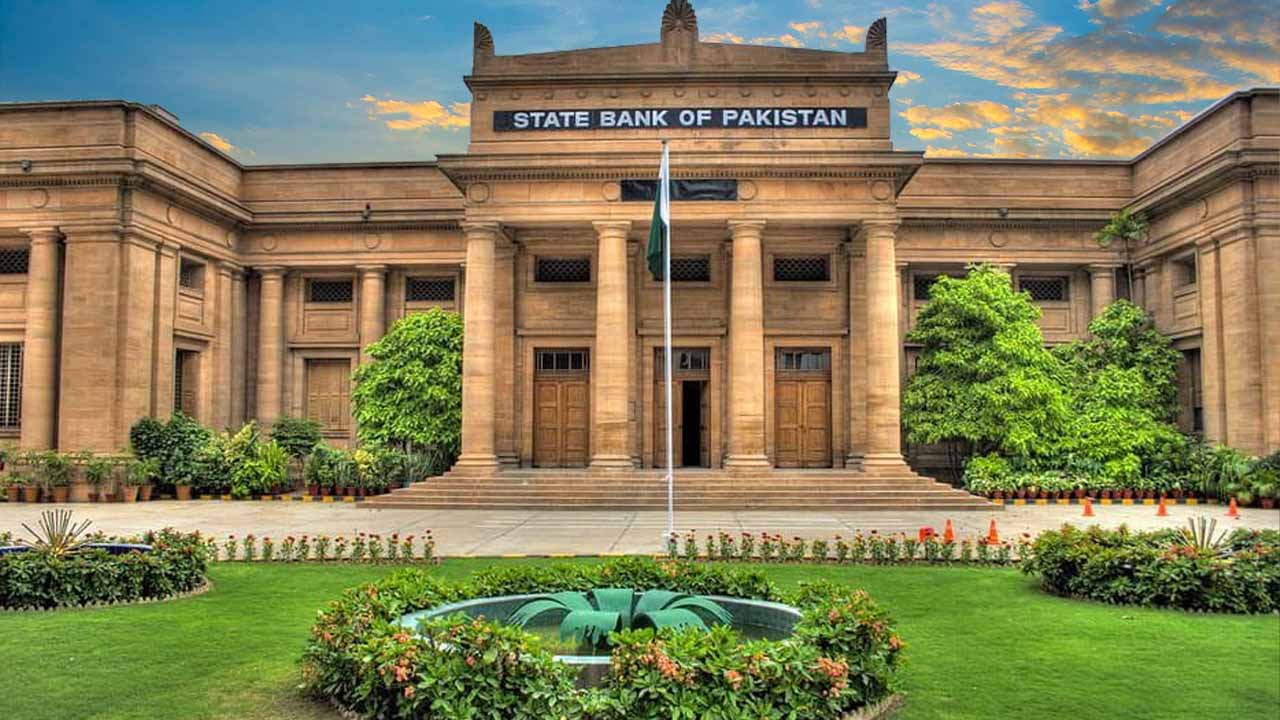
    In a challenging turn of events for Pakistan’s economy, the foreign exchange reserves held by the State Bank of Pakistan (SBP) have plummeted to $3.91 billion.

    The decline in reserves is primarily attributed to external debt payments, coinciding with the expiration of the country’s International Monetary Fund (IMF) program, which has been stalled for several months.

    The SBP announced on Thursday that the reserves decreased by $179 million during the week ending on June 2, leaving the country with barely enough coverage for controlled imports for just one month.

    Commercial banks, on the other hand, are holding net foreign reserves worth $5.42 billion, $1.51 billion more than the central bank. Consequently, Pakistan’s total foreign reserves stand at $9.3 billion as of June 2.

    This marks the sixth consecutive weekly drop in foreign exchange reserves for Pakistan, signaling a lack of progress in securing external financing. Political instability has played a significant role in the deteriorating economy, and the country has yet to secure much-needed funding to avert the risk of default.

    Pakistan’s $350 billion economy is currently in turmoil due to financial woes and the delay in reaching an agreement with the IMF. The pending agreement would release crucial funds that are essential for stabilizing the economy.

    The government has been engaged in discussions with the IMF since the end of January to resume a $1.1 billion loan tranche, which has been on hold since November 2022. This loan is part of a larger $6.5 billion Extended Fund Facility (EFF) agreed upon in 2019.

    Earlier today, Finance Minister Ishaq Dar revealed that the coalition government has shared its budget numbers with the IMF, aiming to unlock the ninth review.

    He expressed confidence that there are “no issues in the numbers.” Pakistan’s government faces significant pressure from the IMF to implement stringent fiscal measures and unlock the final tranche of a vital bailout package.

    To meet the IMF’s requirements, Pakistan must eliminate subsidies in sectors such as energy, allow the rupee to float against the US dollar, increase taxes and duties, and impose import restrictions. These measures are seen as crucial steps toward stabilising the economy and securing external funding.

    The future of Pakistan’s economy hinges on successful negotiations with the IMF and the implementation of effective economic reforms.

    The government must address political instability and work towards regaining the confidence of international lenders to alleviate the financial strains on the country.

  • Istehkam-i-Pakistan Party: Jahangir Khan Tareen launches new party with former PTI leaders

    Istehkam-i-Pakistan Party: Jahangir Khan Tareen launches new party with former PTI leaders

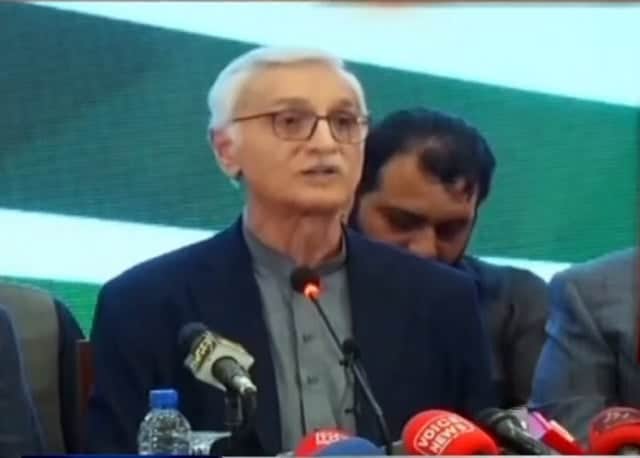
    Jahangir Khan Tareen, the disgruntled former leader of the Pakistan Tehreek-e-Insaf (PTI) and former confidante of PTI Chairman Imran Khan, credited with helping form the 2018 government, has formally established the “Istehkam-e-Pakistan” political party on Thursday in Lahore.


    Former PTI leaders Imran Ismail, Aleem Khan and Ali Zaidi were also present at the press conference to announce the launch.
    The party comprises of more than 100 former National Assembly members and leaders of PTI.

    “During my long journey in politics, I got the opportunity to meet and work with several people. I learned a lot from this experience,” said Tareen while addressing a press conference.

    He said he joined the PTI because he was confident the party would “implement all the reforms that Pakistan needed and still needs”.

    Tareen further said that the events of May 9 have changed the politics of Pakistan.

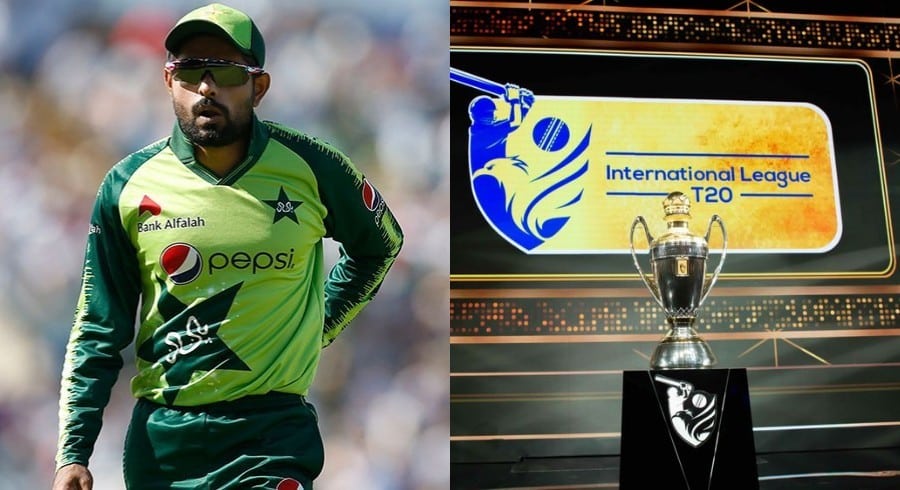
  • PCB wants Emirates Cricket Board to reschedule ILT20

    PCB wants Emirates Cricket Board to reschedule ILT20

    The Pakistan Cricket Board (PCB) has requested the Emirates Cricket Board (ECB) to make changes to the schedule of the next edition of International League T20 (ILT20).

    The second edition of ILT20 is currently scheduled to take place from January 13 to February 12 in 2024. Considering the clash of dates between ILT20 and Pakistan Super League (PSL), PCB requested ECB to give 10 days concession to accommodate Pakistan cricket team players.


    In the previous edition of the ILT20, which took place from January 13 to February 12 earlier this year, Pakistan players were not allowed to participate despite attractive offers from the UAE-based league.

    As reported by Cricket Pakistan last month, ILT20 organizers offered top players, including Shaheen Afridi, Babar Azam, and Mohammad Rizwan, substantial contracts, along with the opportunity to captain a team and sign a three-year contract.

    However, the PCB did not grant permission to its players to participate in the league. Former -PCB Chairman, Ramiz Raja had even requested compensation from the Emirates in return for releasing the players.


    In contrast, current PCB chief, Najam Sethi, has taken a more flexible approach towards the ILT20, emphasizing the importance of maintaining good relations with the UAE and suggesting that negotiations can be pursued based on the principle of ‘give and take.’ Hence, as reported by Cricket

    Pakistan, national team players are likely to take part in the next edition of ILT20.

    Last month, Cricket Pakistan also reported that there is a possibility of rearranging the home series against West Indies in 2024. PCB conveyed to the franchises during the recent PSL governing council meeting in Lahore that the mentioned series with West Indies might require rescheduling in order to accommodate PSL 9. The West Indies team is currently slated to come to Pakistan in February and March to play two Test matches and three T20I matches.

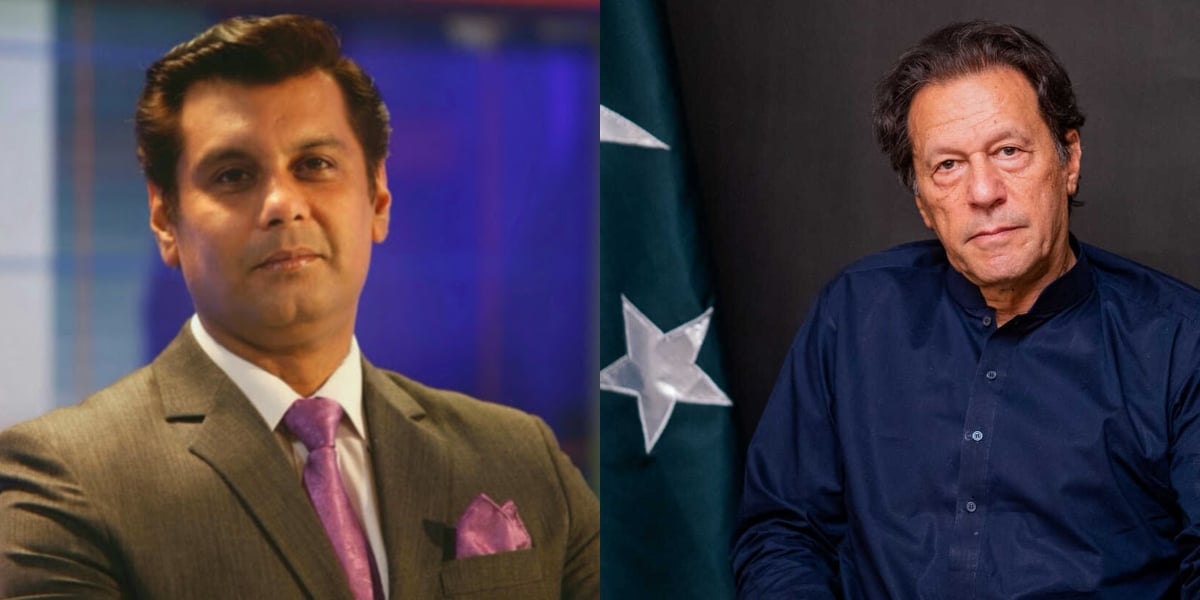
  • Arshad Sharif’s mother wants Imran Khan to be included in murder investigation

    Arshad Sharif’s mother wants Imran Khan to be included in murder investigation

    Slain journalist Arshad Sharif’s murder case took a surprising twist on Thursday when the anchor’s mother filed a petition in the Supreme Court (SC) seeking to include Pakistan Tehreek-e-Insaf (PTI) Chairman Imran Khan in the investigation into her son’s murder.

    Other than the former Prime Minister, Arshad Sharif’s mother has requested that Faisal Vawda, Murad Saeed, Salman Iqbal and Imran Riaz Khan be made part of the investigation into Sharif’s killing.

    A five-member bench headed by the Chief Justice will hear the case. The Attorney General, Ministry of External Affairs, and special JIT have received notifications from the Supreme Court.

    Arshad Sharif was shot dead by Kenyan police on Oct 23, 2022, in what was described as a case of mistaken identity.

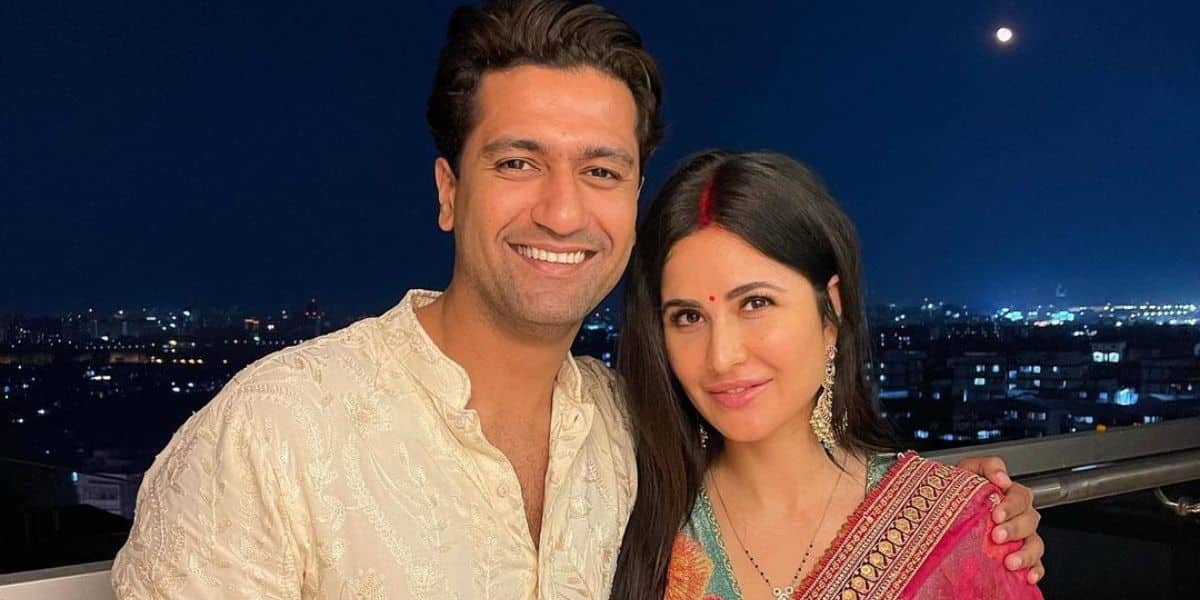
  • ‘Paratha weds pancakes’ is how Vicky Kaushal describes his marriage to Katrina Kaif

    ‘Paratha weds pancakes’ is how Vicky Kaushal describes his marriage to Katrina Kaif

    Truly a man written by a woman.

    Vicky Kaushal is a treasure – a good looking and extremely talented man who knows that with a wife like Katrina Kaif, the proper thing to do is worship the ground she walks on.

    Recently speaking to News Tak for the promotion of his upcoming film ‘Zara Hatke Zara Bachke’, the actor opened up about what his marriage to the Bollywood diva is like, describing it as “paratha weds pancakes”:

    “She loves pancakes, I love parathas,” he revealed, adding that Kaif loves parathas too. “She loves mom ke haath ke paranthe.”

    When Kaushal was asked about whether he would encourage people to have an arranged or love marriage, the ‘Raazi’ revealed that the most important thing is that the couple learn to accept differences and develop an understanding with each other.

    “Love is important, marriage could be love or arranged. Understanding and compassion are important. It is important to understand that they are a different person, you are a different person and you have to come to an understanding as a couple. She doesn’t have to agree with me fully, and I don’t have to agree with her always. If that understanding exists, it doesn’t matter if the marriage is arranged or love. It should give happiness to the family, and to them most importantly.”

    Humare tissues kidhar hain? Yaar ye bohat ziada hai.

    Kaushal also said in the interview that despite having a committed acting career, Kaif is equally involved in household chores and how budget is planned:

    “The most fun experience is when she (Katrina) holds a meeting in the house every week or every other week. She gets the entire staff together and discusses the budget of the house. She takes account of how the money is being spent, the expenses, and it’s a great thing. But when that discussion happens, I enjoy it. I’m an audience and I sit with popcorn.”

  • ‘Used to wish that my name was normal and English like Hannah’: Dua Lipa

    ‘Used to wish that my name was normal and English like Hannah’: Dua Lipa

    Dua Lipa is one of the biggest stars in the music industry today with her iconic looks as well as bops like ‘Levitating’ and the Barbie soundtrack ‘Dance the night’. The BBC reports that the Albanian-English pop star has revealed she wasn’t always so sure she would end up working in the entertainment industry because of her heritage, as well as her name.

    “From a young age, I had the dream to be a pop star but it never seemed like something that was actually possible,” the ‘New Rules’ singer shared. “I’ve been a new girl all my life.”

    “There was always the idea of being from two places at once,” the ‘Barbie’ actress continued. “I understood the duality of my heritage from an early age. People would always ask where my name is from. I was really proud of it, but when I was younger I wished my name was, say, Hannah — something ‘normal’ and English.”

    But these insecurities didn’t hold the superstar back, making her more determined to pursue a career in music, and influencing her decision to move back to London at the age of 15 to give her GCSE’s while her family moved to Kosovo, and shared a flat with the daughter of family friends:

    “I was quite determined,” recalled Dua. “I didn’t feel I had the same opportunities in music as I had in London. I was driven. My dad says I’m very hard to say no to!”

    She revealed how at the age of 17, after finishing her studies she set her mind on making it in the music industry:

    “I was really persistent. I just started writing a lot, worked with a producer. I was 17. I was offered a publishing deal but [producer] Felix told me to go to a lawyer, who said, ‘Don’t sign that deal!’ They then helped me get into the studio.”

    Dua Lipa is set to star in the upcoming Greta Gerwig film ‘Barbie’ which has Margot Robbie and Ryan Gosling in main roles.