The Sindh government is all set to launch a “Pink Taxi Service” featuring electric cars for facilitating female citizens of the province.
The development was announced by Minister for Information Sharjeel Inam Memon.
The minister said that initially, 200 electricity-powered taxis will start operating in Karachi, of which fifty will be women-only taxis driven by female drivers. He said that the hiring of female drivers and setting up of charging and parking depots is yet to be done.
He said that the project will also provide job opportunities to unemployed youth, while eco-friendly taxis will save oil worth billions of rupees.
Prior to this, the government also launched a pink bus service for women which is being frequented by a large number of female commuters.
Summers are already here and the recent devaluation of the national currency has made it nearly impossible for travelers to pursue journeys.
If you have a Pakistani passport, it’s not an easy task to get a visa of the country you love. But we have some suggestions to make your summer vacation memorable and budget-friendly.
Currently, there are a total of four countries that allow Pakistan visa on arrival. These countries are as follows:
Maldives
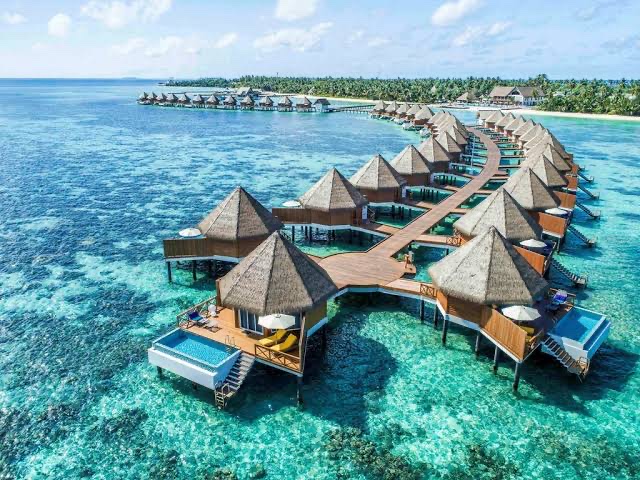
The Maldives is an island nation in the Indian Ocean, located southwest of Sri Lanka and India. It is known for its beautiful beaches, crystal-clear waters, and stunning coral reefs. The Maldives is a popular tourist destination, offering a variety of activities for visitors to enjoy, including swimming, sunbathing, diving, snorkeling, fishing, and sailing.
most famous tourist spot in maldives
Things to do in Maldives
Swimming and sunbathing:The Maldives has some of the most beautiful beaches in the world, making it the perfect place to relax and soak up the sun.
Diving and snorkeling:The Maldives is home to stunning coral reefs, making it a popular destination for divers and snorkelers.
Fishing:The Maldives is a great place to go fishing, with a variety of fish species to catch.
Sailing:The Maldives is a great place to go sailing, with calm waters and beautiful scenery.
Spa treatments:The Maldives is a great place to relax and pamper yourself, with many resorts offering a variety of spa treatments.
You do not need to apply for a visa before you travel to the Maldives on holiday. All tourists, of all nationalities, can receive a 30 day visa free of charge on arrival in the Maldives.
SamoaSamoa tourist visa is not required for citizens of Pakistan for a stay of up to 60 days. Samoa is a beautiful island nation located in the South Pacific Ocean. It is made up of two main islands, Upolu and Savai’i, and several smaller islands. Samoa is known for its stunning natural beauty, including pristine beaches, lush rainforests, and stunning waterfalls.
samoan traditional dance
As a tourist, there are many things to see and do in Samoa. Here are some of the top activities and attractions:
Beaches: Samoa is home to some of the most beautiful beaches in the world. From Lalomanu Beach to Aganoa Beach, there are plenty of stunning spots to soak up the sun and enjoy the crystal-clear waters.
Waterfalls: Samoa is also known for its incredible waterfalls. Some of the most popular include Togitogiga Falls and Fuipisia Falls.
Cultural Activities: Samoa is a rich and vibrant culture. Visitors can experience traditional dance performances, attend a Fiafia Night, or visit a village to learn more about Samoan customs and traditions.
Tuvalu
Tuvalu has made visa-free access or visa-on-arrival access for almost every country globally, including Pakistan. These visas are valid for 30 days and will cost travellers approximately 100 AUD. Enjoy the Beaches: Tuvalu is home to some of the most beautiful and pristine beaches in the world. Visitors can soak up the sun, swim in the crystal-clear waters and enjoy the stunning views.
Snorkeling and Diving: Tuvalu’s coral reefs are home to a diverse array of marine life, making it a great destination for snorkeling and diving. Visitors can explore the reefs and see colorful fish, sea turtles, and even sharks.
Visit Funafuti Atoll: This is the capital of Tuvalu and offers visitors a chance to see the local way of life. Visitors can explore the town and visit the local shops, enjoy the markets, and learn about the history and culture of Tuvalu.
Attend a Cultural Event: Tuvalu has a rich cultural heritage, and visitors can experience traditional dance performances, attend a Falekaupule Meeting, or participate in a local celebration or festival.
It is important to note that visa policies for each country can change quickly and without notice, so it is recommended that travelers check with their local embassy before departing. Additionally, visa on arrival may not be available for all types of travel such as business or education purposes, so travelers should also verify the purpose of their travel is eligible for visa on arrival.
In conclusion, while the list of countries offering Pakistan visa on arrival is relatively small, it does provide some relief for those who may have difficulty obtaining a traditional visa. As always, travelers should research their destination before embarking on any trip to ensure all necessary documents are secured to ensure a smooth and enjoyable travel experience.
An anti-terrorism court in Lahore has handed over 16 suspects involved in the attack on Corps Commander House in Lahore on May 9 to a commanding officer under the Army Act on Thursday.
The accused include Amar Zohaib, Ali Iftikhar, Ali Raza, Muhammad Arsalan, Muhammad Umair, Muhammad Raheem, Zia-ur-Rehman, Waqas Ali, Raees Ahmad, Faisal Irshad, Muhammad Bilal Hussain, Faheem Haider, Arzam Junaid, Mian Muhammad Akram Usman, Muhammad Hashir Khan, and Hassan Shakir.
Of these 16, Mian Akram Usman is a former Member of the Provincial Assembly from Punjab.
Earlier, the officer had sought the custody of the vandals presently confined in Camp Jail, Lahore.
On May 9, Pakistan Tehreek-e-Insaf (PTI) Chairman Imran Khan’s loyalists came out on streets after Khan’s arrest and allegedly attacked military installations.
Neuroscientists at the University of Texas in Austin have made a significant breakthrough by using artificial intelligence (AI) powered ChatGPT to translate brain activity into words. This discovery has the potential to greatly benefit patients suffering from conditions such as “locked-in” syndrome and stroke, which leave them unable to communicate effectively.
The researchers leveraged OpenAI’s advanced chatbot technology, which has demonstrated its applications in various sectors, including healthcare. The integration of AI into our daily lives is steadily advancing, and this development showcases its potential in the field of neuroscience.
Alexander Huth, an assistant professor of neuroscience and computer science at the University of Texas, emphasized that the term “mind reading” is inaccurate and misleading, as it implies capabilities that are beyond our current reach.
To conduct their study, Professor Huth spent 20 hours inside an fMRI (functional magnetic resonance imaging) machine while listening to audio clips. The machine captured detailed snapshots of his brain activity, which were then analyzed by the AI system. Through this analysis, the technology was able to predict the words Professor Huth was hearing solely by monitoring his brain activity.
The researchers utilized OpenAI’s chatGPT-1 model, which has been trained on a vast database of books and websites. They found that the AI system accurately predicted participants’ auditory and visual experiences based on their mental activity.
While still in its early stages, this technology holds promise, particularly in assisting individuals who have lost the ability to communicate. Professor Huth explained that the true potential application lies in aiding patients with conditions such as “locked-in” syndrome and stroke, whose brains are functional but lack the ability to speak.
Importantly, this breakthrough demonstrates the achievement of high accuracy levels without the need for invasive brain surgery. The researchers believe this marks the first step toward helping individuals regain their ability to communicate without resorting to neurosurgery.
However, the technology’s results have also raised concerns regarding its potential use in controversial contexts. The researchers highlight the importance of obtaining consent from subjects and conducting brain scans within an fMRI machine. Additionally, the AI technology requires extensive training on an individual’s brain for accurate predictions to be made.
Jerry Tang, the lead author of the research paper, emphasizes the need for safeguarding the privacy of brain data. He asserts that everyone’s brain data should be kept private, as our thoughts represent one of the last frontiers of personal privacy. Tang acknowledges the potential misuse of brain decoding technology and emphasizes the importance of legislators taking mental privacy seriously.
Professor Huth clarifies that the technology can discern the general ideas and narratives individuals have in mind, effectively capturing internal storytelling. However, Tang warns against complacency, highlighting that technology is continually evolving, which could impact the accuracy of decoding methods and the extent to which an individual’s cooperation is required.
In summary, the use of AI to translate brain activity into words has emerged as a groundbreaking discovery by neuroscientists. Although promising, further development and considerations regarding privacy and ethical use are necessary before widespread implementation can occur.
Pakistan Tehreek-e-Insaf (PTI) Chairman Imran Khan and his wife Bushra Bibi along with 80 other members of the party have been put on a no-fly list on Thursday. Murad Saeed, Maleeka Bukhari, Fawad Chaudhry and Hammad Azhar have also been added to the no-fly list.
The names of PTI leaders were added to the list on the advice of the relevant institutions.
The Ministry of Interior had been asked by the police department, National Accountability Bureau, and anti-corruption department to add these names to the list.
According to Dawn, Lahore police on Wednesday requested that the Federal Investigation Agency (FIA) place a one-month travel ban on 700 PTI leaders.
Shahzadi Rai announced on her Twitter account on Wednesday that she has become the first transgender person to serve on the Karachi Metropolitan Corporation (KMC), the first such appointment in history. In a tweet she said:
“I’m excited to share that I have submitted my papers KMC for transgender/Khawajasara reserved seats. It is the first time in Pakistan’s history that such an opportunity has been available, and I am grateful to the @PPP_Org@BBhuttoZardari@SyedNasirHShah@BakhtawarBZ@SaeedGhani1.”
Speaking to The Current, Rai talked about her goals to help empower the transgender community and ensure that protecting human rights for all remains a priority for the organisation:
Our priority is that any policy or project initiated should be inclusive for transgender people. We want to work for all the people in Karachi and make life better for them, whether it is men, women or khawaja sira people. We want to implement human rights because I am a feminist and a human right’s activist for the last 12 years, so when we enter politics we shouldn’t forget about our basic principles.”
Since her announcement, civil society bodies and transgender activists on Twitter have offered congratulations on the historic feat, welcoming it as a necessary step towards including the transgender community into all kinds of policy making.
AM KHI congratulates the khawaja sira community on becoming part of local govt for the 1st time in history, esp @ShahzadiRai who has been selected to serve on the KMC! This is a win for all Pakistani feminists & we hope to soon see khawaja siras in national & prov. assemblies.💙 https://t.co/GIrEZMP6si
— Aurat March – عورت مارچ (@AuratMarchKHI) May 24, 2023
I'm super proud of my Guru @ShahzadiRai for all the political work she does and continues to do it no matter what, she is the beacon of hope & pride for the KhawajaSira community. We're also grateful to @MediaCellPPP for their support to our KS community. 🙏 https://t.co/OPF0kWODH6
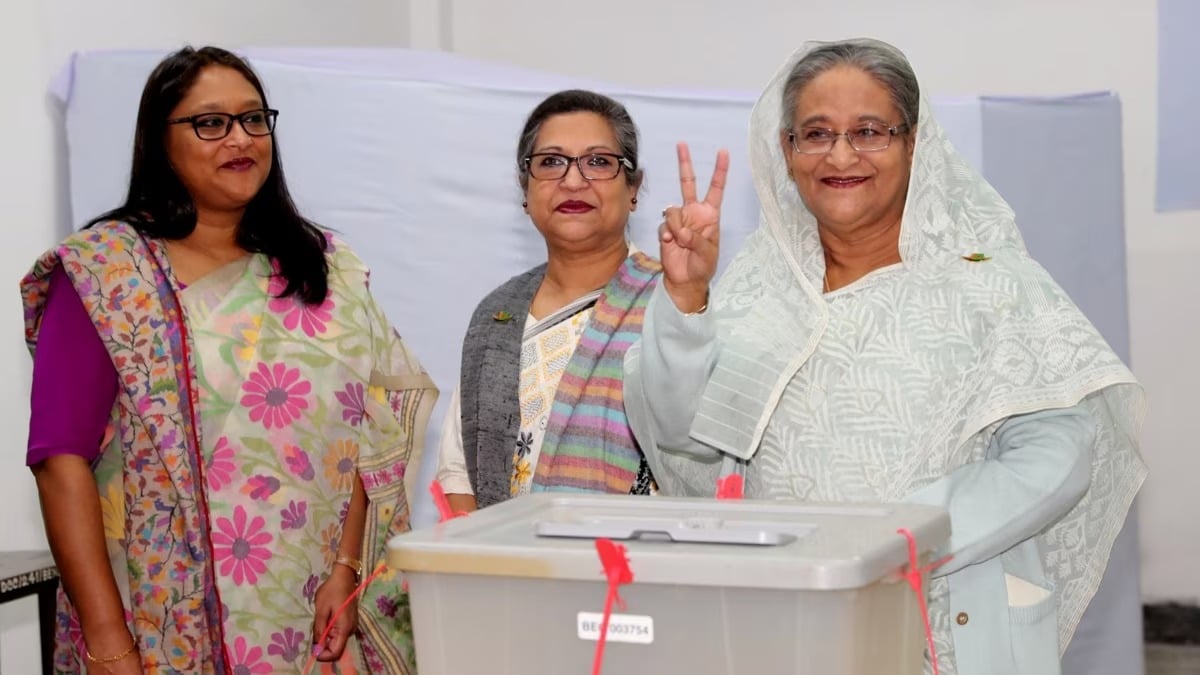
Bangladeshi authorities have assured the United States (US) that they will take steps to tackle and prevent unlawful practices or interference in its election after the US threatened curbs on citizens of the South Asian nation who undermine polls.
“The government apparatus will take necessary measures to prevent and address any unlawful practices or interference … to compromise the smooth and participatory conduct of the elections,” the Bangladesh foreign ministry said in response.
“The electoral process will remain under strict vigilance, including by international observers as accredited by the Election Commission,” it added in a statement.
A day earlier, US Secretary of State Antony Blinken said the United States is adopting a new policy to restrict visas for Bangladeshis who undermine the democratic election process at home.
Today, I announced a new visa policy to promote free and fair elections. Under this policy, we can impose visa restrictions on individuals and their immediate family members if they are responsible for, or complicit in, undermining the democratic election process in Bangladesh.
— Secretary Antony Blinken (@SecBlinken) May 24, 2023
Hasina Wajid, who has a tight control over the South Asian nation since coming to power in 2009, has been accused of human rights violations, obliteration of press freedom, suppression of dissent and the jailing of critics, including many supporters of the main opposition Bangladesh Nationalist Party (BNP).
The BNP has been calling for Hasina to step down and for the next election, due in January 2024, to be held under a neutral caretaker government, a demand her government has rejected.
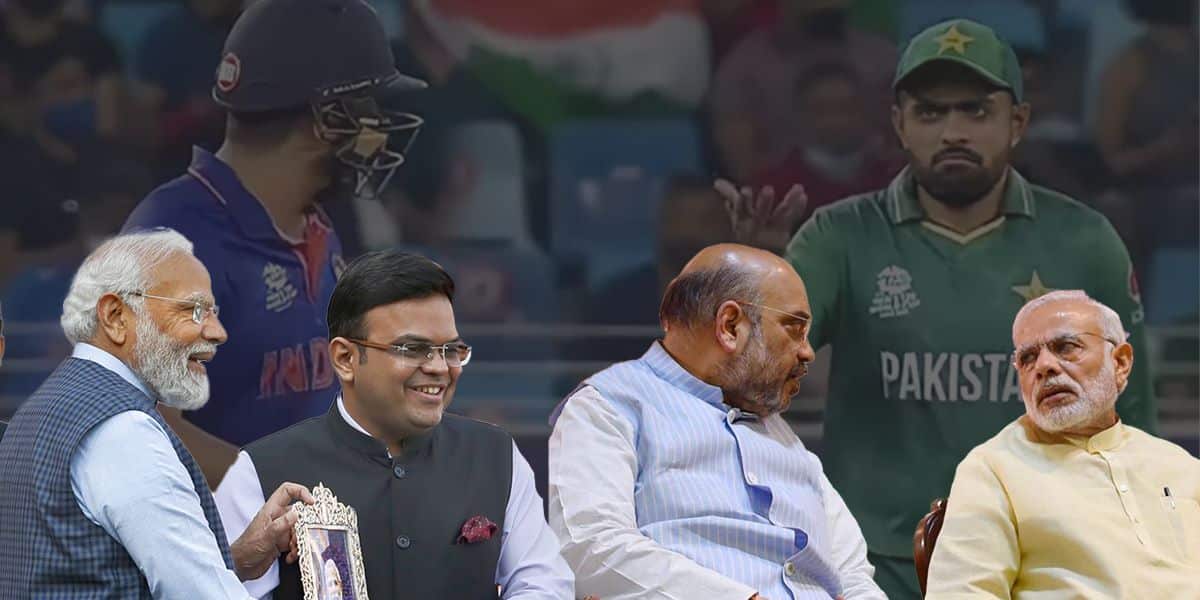
During the past few days, news media had been inundated with reports that Asian Cricket Council (ACC) and Board of Control for Cricket in India (BCCI) has agreed to a hybrid model for Asia Cup 2023 and are ready to play at the neutral venue.
After reports emerged that the BCCI has agreed to the hybrid model suggested by PCB, Indian board officials refuted the reports.
“The respective presidents of…Bangladesh, Afghanistan and Sri Lanka cricket boards will grace IPL 2023 final…We will have hold discussions with them for outlining the future course of action in relation to Asia Cup 2023,” BCCI Secretary Jay Shah has said.
According to Indian media reports, BCCI wants to shift the whole tournament to a neutral venue but the dispute is unresolved as Pakistan is not backing off from hosting duties.
At this time, BCCI likely wants to shift the tournament to Sri Lanka as their board has already given a green signal by assuring ACC of suitable weather conditions.
Sources had earlier said that the Indian board has agreed to play the Asia Cup under Pakistan’s hybrid model.
According to the sources, Indian Cricket Board Secretary Jay Shah has accepted PCB’s proposal, under which four matches of the Asia Cup will be held in Pakistan and the rest at neutral venues.
A tragic accident took place at the Government Degree College in Khairpur, Sindh, when a student, Mehtab Ali, passed away during Grade XI intermediate board examinations due to load shedding in extreme heat.
According to The Nation, Ali fainted during his exam and was rushed to the hospital where he passed away despite attempts to revive him.
While students are giving their final examinations, the ongoing power outrage has exposed them to the heatwave, putting many at risk of suffering from heat strokes or nose bleeds. The Sindh Minister for Board and Education, Ismail Rahoo, has encouraged authorities to ensure that examination halls have uninterrupted power supply so that such fatal incidents can be avoided.
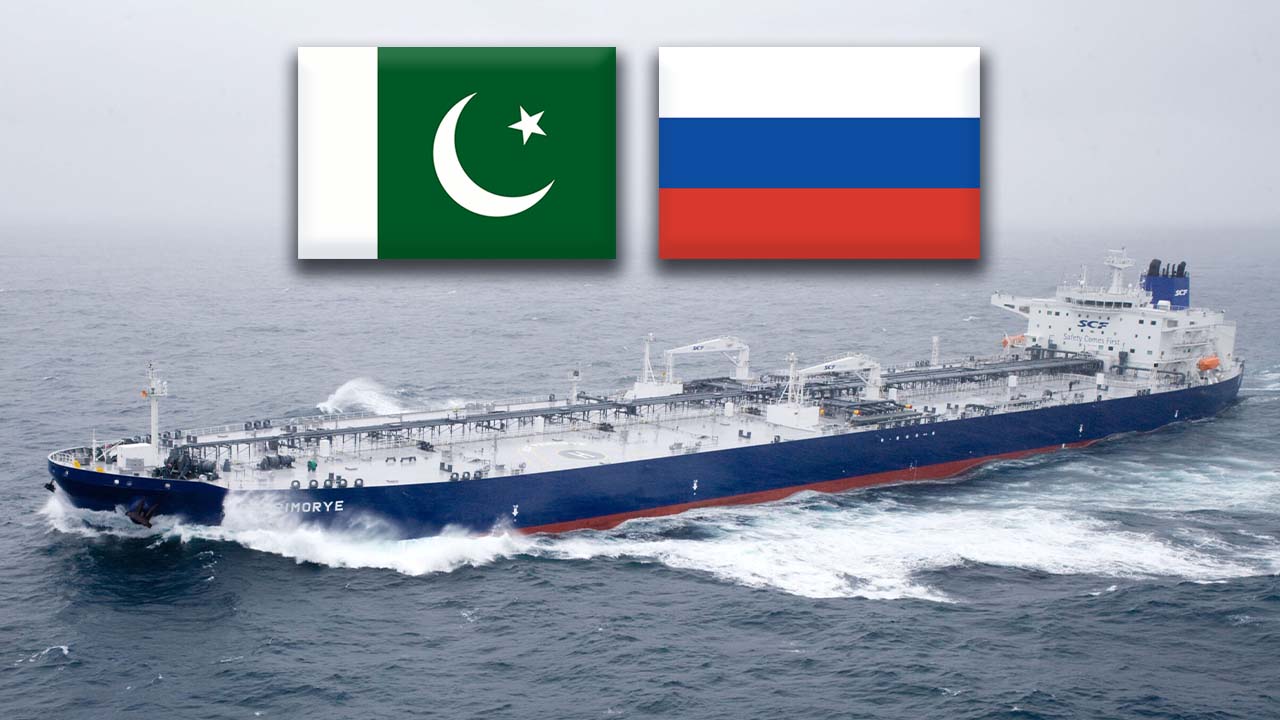
The government’s energy security plan will soon see the arrival of vessels carrying 100,000 tons of discounted Russian oil at Pakistan ports in early June.
Musadik Malik, the State Minister for Energy, made this announcement during a private meeting with members of the media, where he discussed the new refinery policy. The policy aims to encourage investments in new refineries for shallow, deep conversion, and ultra-deep conversion projects, with incentives lasting up to 20 years.
Minister Malik revealed that the Russian cargo, consisting of 100,000 tons of Urals oil, would arrive at the Oman port on May 26-27. From there, the oil will be transported to Pakistan in smaller vessels, a journey expected to take between seven to ten days. Although the transportation cost will increase slightly, the minister assured that the impact would be minimal.
While he did not disclose the discounted price or the payment method for the Russian oil, Minister Malik hinted that the payment was made through the banking channel. The heavy Urals oil will then undergo refining at Parco, where it will be mixed with light Arabian oil to lower the overall price.
Highlighting the significance of the new refinery policy, Minister Malik emphasised that energy sector growth is crucial for economic development. He explained that a one per cent increase in the country’s GDP requires a corresponding growth rate of 1.5 to two per cent in the energy sector. Similarly, achieving a five per cent GDP growth necessitates a seven to ten per cent growth in the energy sector. Such growth is only possible with investments in refineries, as well as oil and gas exploration and production.
Under the new refinery policy, refineries with a capacity of 300,000 tons or more will receive incentives for 20 years, while those below 300,000 tons will receive incentives for 10 years. However, it will be mandatory for these refineries to achieve financial closure within five years.
Additionally, import duty on equipment used in the larger refineries will be set at 7.5 per cent for both petrol and diesel for the duration of 20 years. The same incentives will apply for 10 years to refineries below the 300,000-ton capacity. These refineries will also benefit from special economic zone (SEZ) laws.
Minister Malik projected that by 2030, the country’s petrol and diesel consumption would increase from 20 million to 33 million. Currently, local refineries produce around 10 to 11 million, with the rest being imported. He noted that the global premium on diesel is approximately $18 due to high demand.
The new refinery policy has garnered interest from multiple foreign countries and private companies, with a positive response received during a road show conducted in the United States to promote greenfield investment.
The minister reiterated the government’s commitment to implementing a comprehensive plan for the country’s energy security before the end of its constitutional tenure. Negotiations for the Turkmenistan-Afghanistan-Pakistan-India (TAPI) pipeline project have resumed, while the Iran-Pakistan (IP) project has been delayed due to US sanctions. The LPG Air Mix policy and the brownfield policy are expected to be approved soon.