Author: News Desk

  • Meghan, Harry’s interview with Oprah stirs up a meme fest

    Meghan, Harry’s interview with Oprah stirs up a meme fest

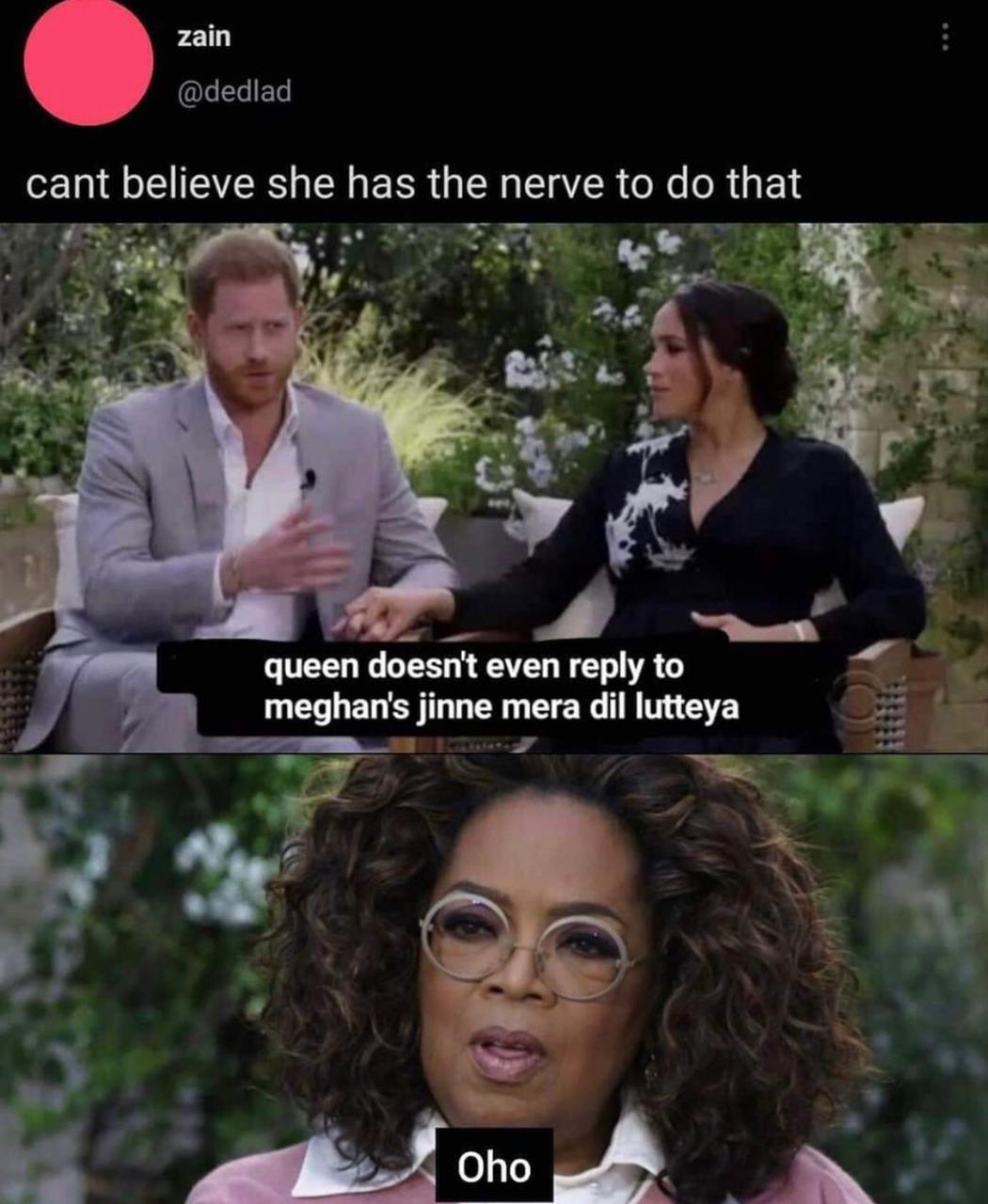
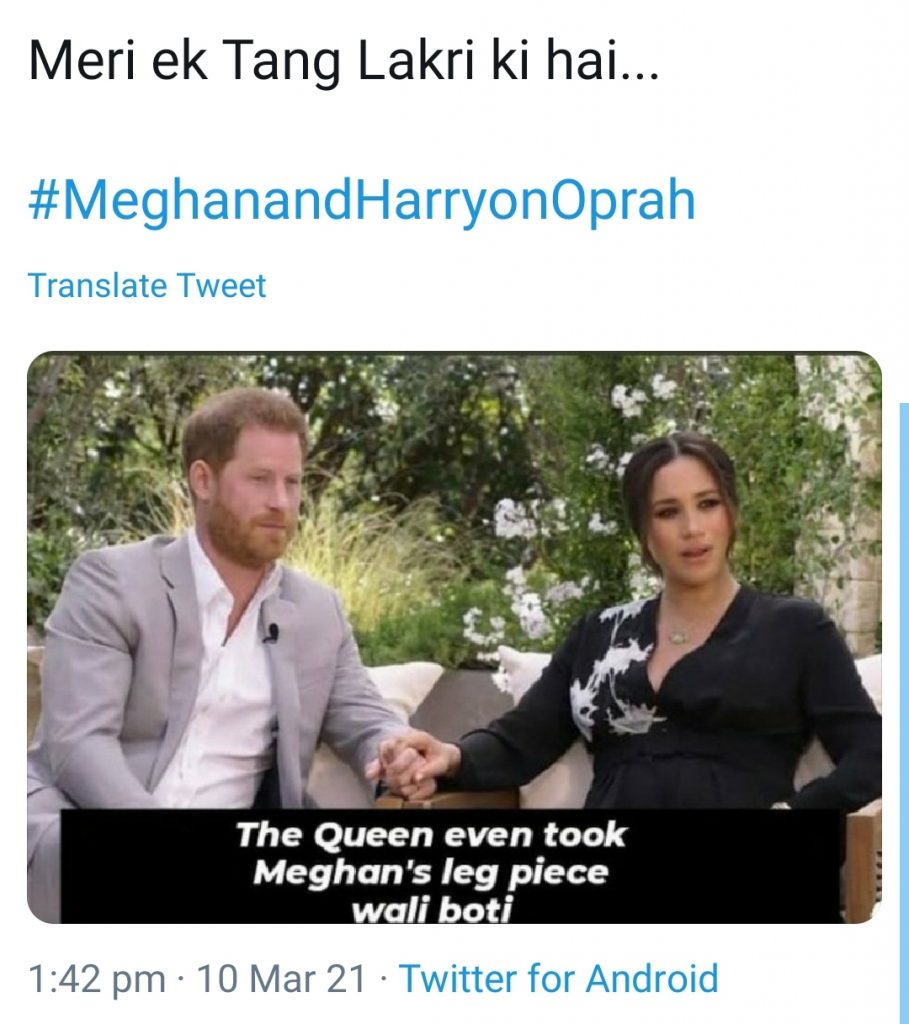
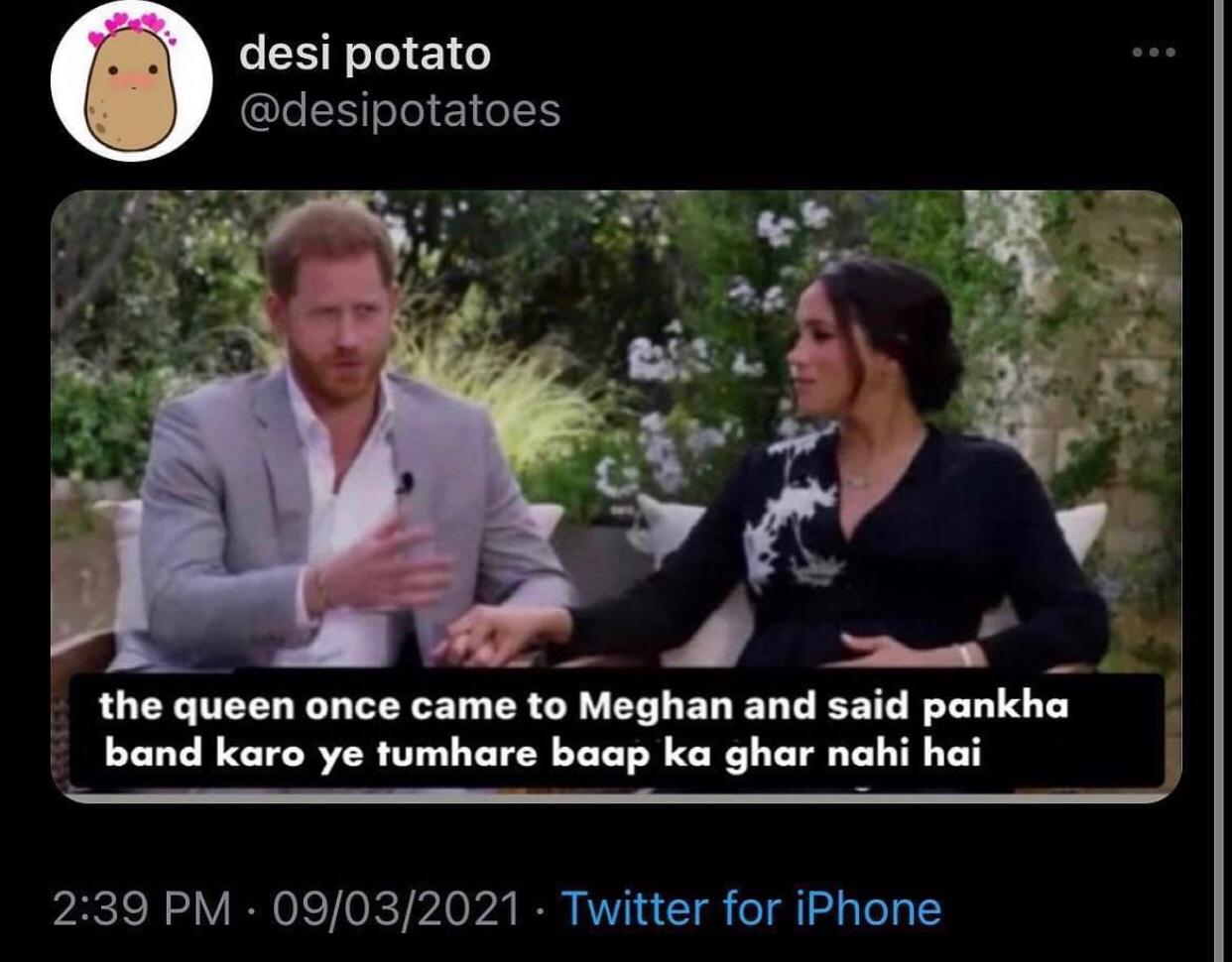
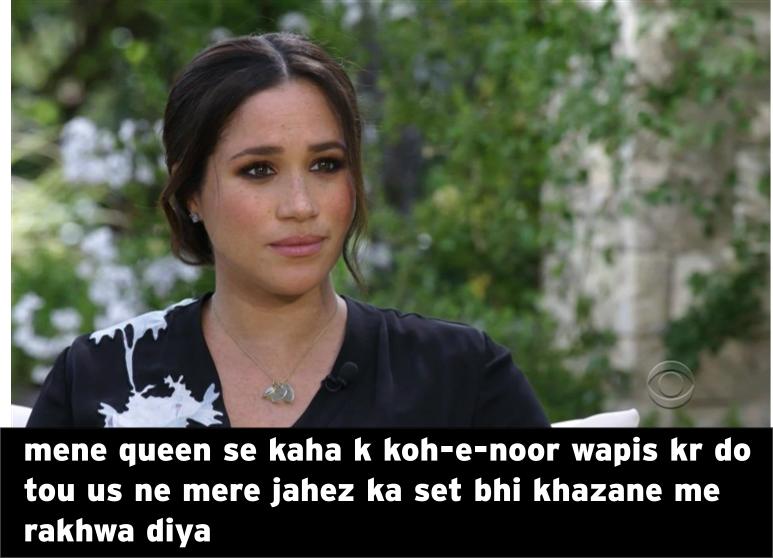
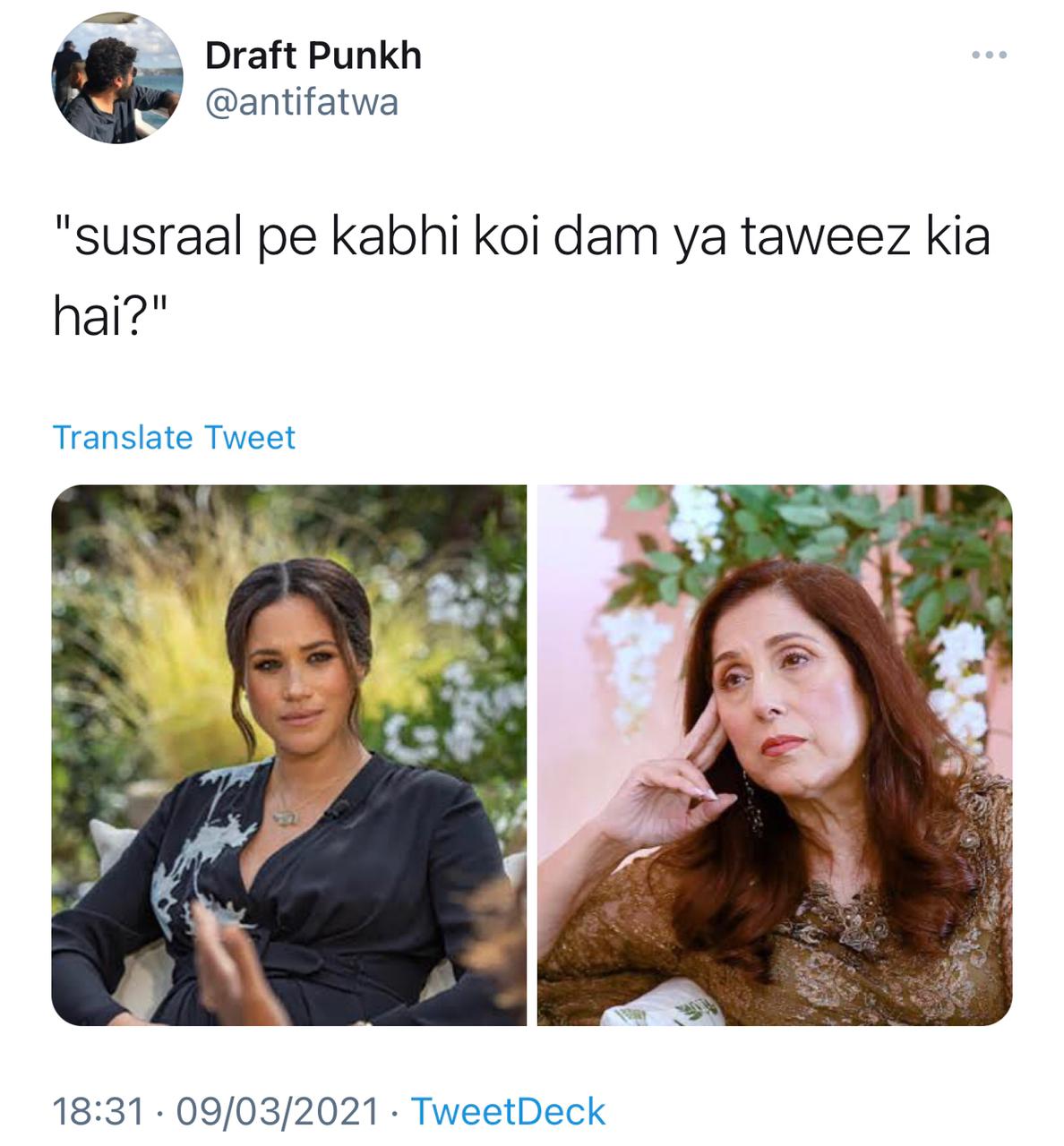
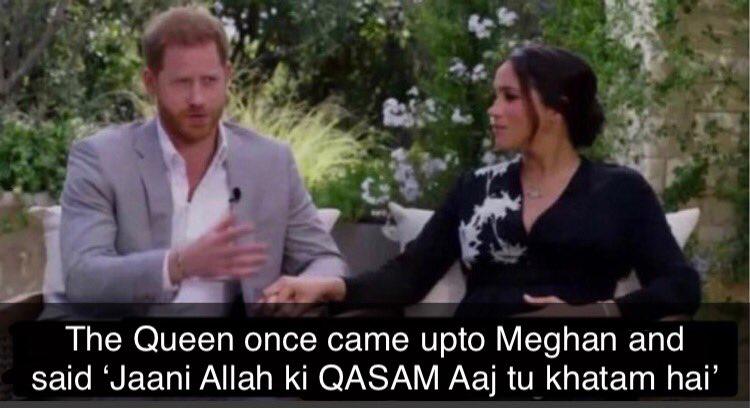
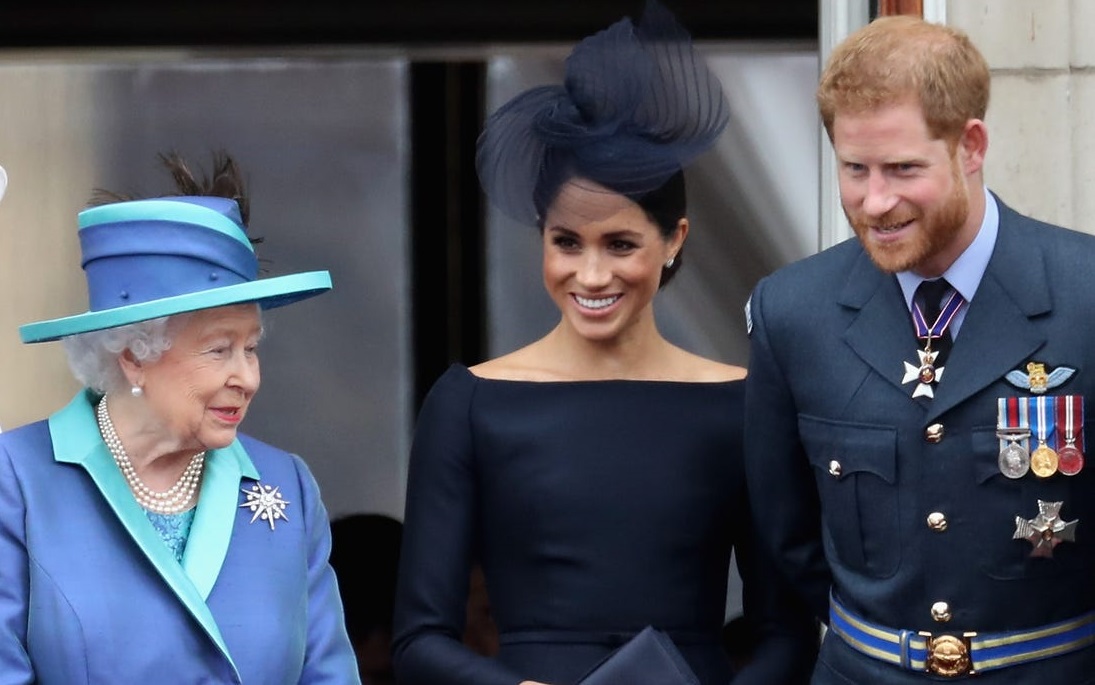
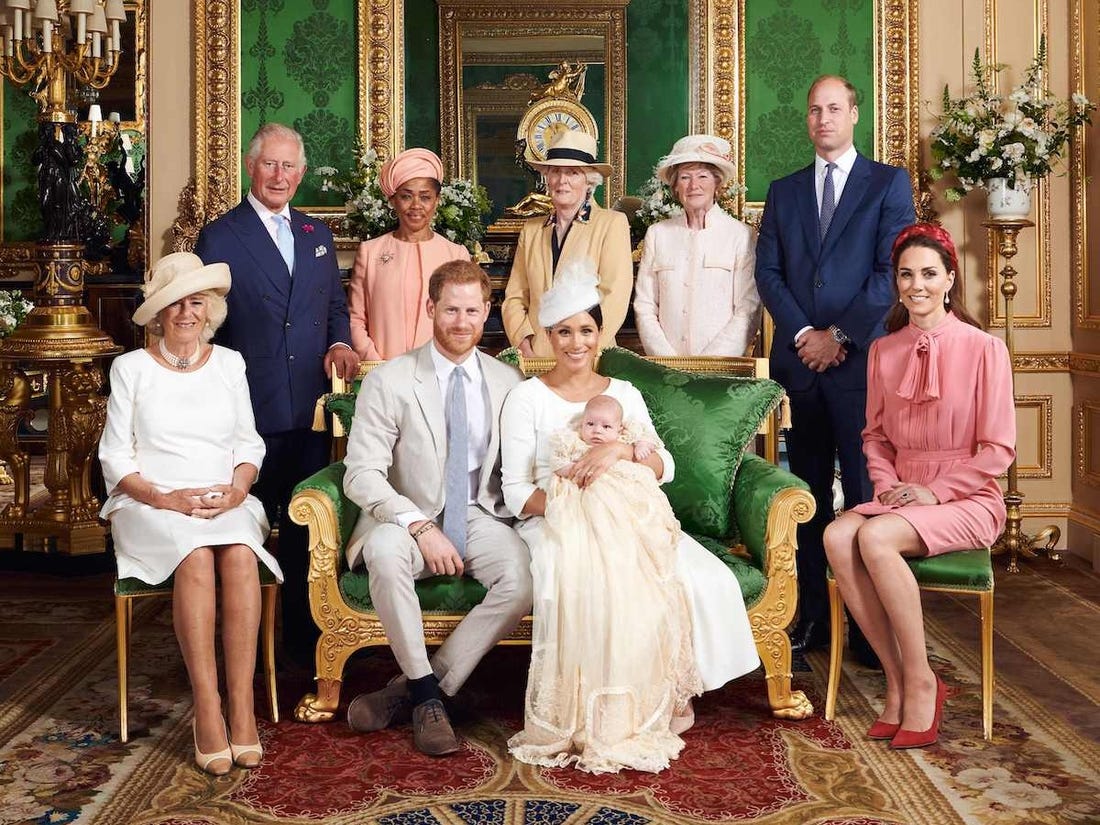
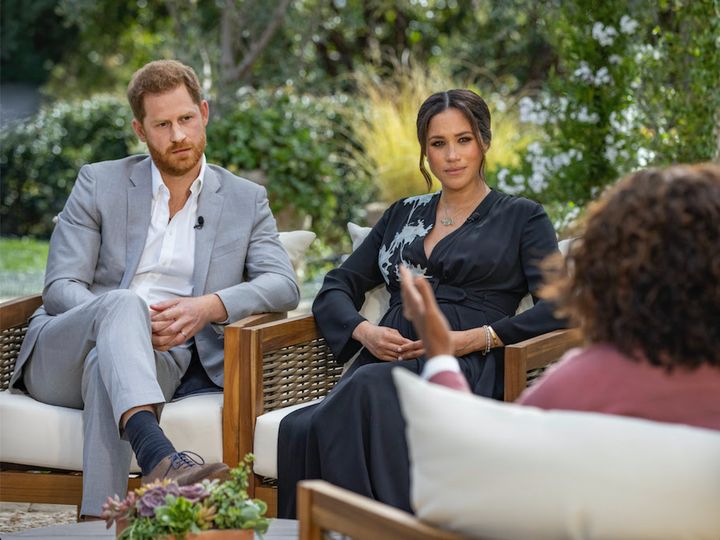
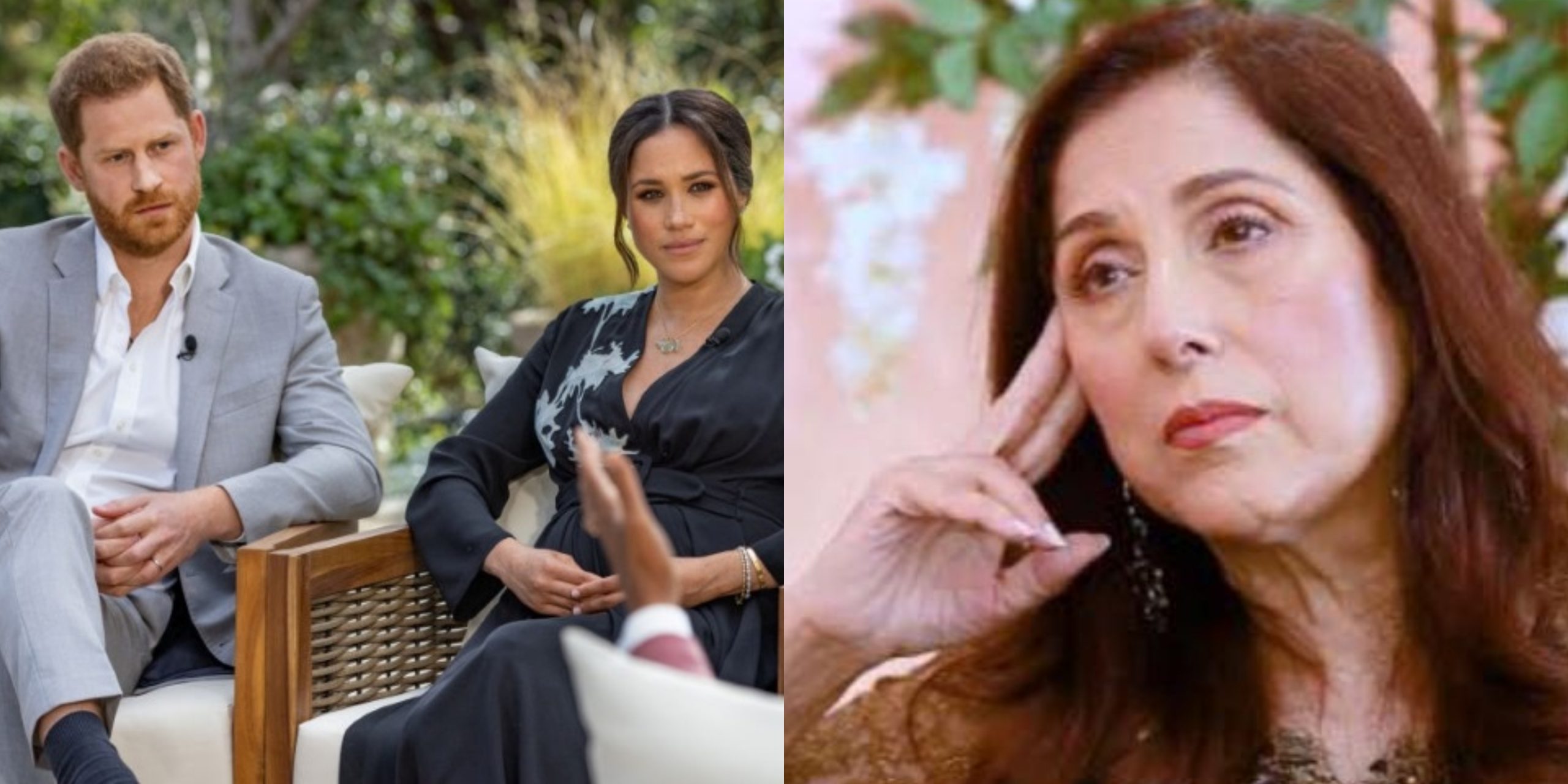
    Meghan Markle and Prince Harry’s explosive, tell-all interview with Oprah Winfrey has stirred up a meme fest on social media.

    In the interview, the couple made several shocking revelations including harrowing discussions in the royal family about the colour of their son’s [Archie] skin, losing royal protection and the pressures that led the Duchess of Sussex to contemplate suicide.

    While the Queen, in a statement, has said that “Harry, Meghan and Archie will always be much-loved family members,” and that the Palace will be addressing their grievances privately, social media has been flooded with memes. If you haven’t seen any, check them out below:

    https://twitter.com/LabourAreToast/status/1369197026794168321?s=20
    https://twitter.com/davidmackau/status/1368759713836437507?s=20
    https://twitter.com/PinkvillaRooms/status/1369196694986891267?s=20
    https://twitter.com/PatchMcScratchy/status/1369069204998127616?s=20

  • Surge in COVID cases: Educational institutions to close down in at least 7 cities

    Special Assistant to the Prime Minister on Health Dr Faisal Sultan and Federal Minister for Education Shafqat Mahmood, in a press conference, have announced that educational institutes in Punjab will remain closed from March 15 to 28. The decision was taken after a meeting of the National Command and Operation Center (NCOC) to review the situation of coronavirus in the country.

    The government officials said that educational institutes in Punjab will remain closed from March 15 to March 28 to contain the spread of Covid-19, adding that spring break will begin in seven districts of Punjab, including Faisalabad, Gujranwala, Lahore, Gujrat, Multan, Rawalpindi and Sialkot. Mahmood said the same decision will also apply to educational institutions in Islamabad, Muzaffarabad and Peshawar.

    However, the decision of the closure of the schools will not be applicable to schools that are already conducting examinations.

    Educational institutions in Sindh and Balochistan would continue with 50 percent attendance every day.

    Earlier today, Minister for Planning, Development and Special Initiatives Asad Umar presided over the NCOC meeting. To contain the spread of the virus the in the country, the following decisions have been taken:

    • Strict compliance of Mask Wearing will continue across the board.
    • SLDs / Micro SLDs will continue to be imposed based on the disease prevalence / hotspots.
    • 50% work from home policy will be implemented on the discretion of federating units. However, it will be enforced in ICT with immediate effect.
    • Time limit of 10:00 PM on all commercial activities will be re-enforced with immediate effect, less essential services.
    • Amusement Parks across the country will be closed at 6:00 PM..
    • Earlier decision of allowing indoor weddings, indoor dining and opening of cinemas and shrines with effect from March 15, 2021 has been withdrawn. However, outdoor dining / take away will continue to remain open as per previous practice.
    • Outdoor gatherings will continue to remain limited to a maximum of 300 individuals with strict enforcement of COVID -19 SOPs.
    • Review of all enforced  non-pharmaceutical interventions (NPIs) will be carried out on April 12, 2021.

    The above-mentioned decisions regarding non-pharmaceutical interventions (NPIs) are the baseline decisions. Federating units are at liberty to impose stricter NPIs in selected cities/districts keeping in view the local disease trend/ spread.

  • Bun Kebab: ‘Pakistan’s most beloved street food’

    Every morning before sunrise in Karachi, Pakistan, while the city is largely asleep, Abdul Ameen ducks through a tunnel and crosses dilapidated railway tracks to the more affluent side of town. Here, parked strategically between a mosque and a marketplace, his pushcart awaits him.

    An incandescent bulb illuminates him as he stacks shami kebab (ground beef-and-lentil patties) brought from home in columns behind glass panes. Next, he forms cascading towers of onion rings, lettuce and thickly sliced tomatoes. Working with almost flamboyant grace, it’s evident his routine has been perfected over the past 30 years.

    By the time the first call to prayer, Fajr, is made (traditionally, when there’s enough daylight to distinguish between white and black thread), he’s already dipping into his 16kg canola oil dabba (a rectangular tin bucket) and warming up his giant cast-iron griddle. Over the next few hours, a donkey cart owner, sleepy office workers, domestic helpers and an armed entourage of personal guards all stop by Ameen Burgers to purchase their greasy bounty wrapped in brown paper.

    But despite the name of his stall, Ameen is not selling burgers.

    Bun-kebabs, widely considered the most beloved Pakistani street food, are thin shami kebab or potato patties in fluffy, milky buns with tangy chutney and crisp vegetables. Optional fried eggs add an extra protein hit. The combination of explosive South Asian flavours, chutney-drenched buns and vegetarian options create a starkly different culinary experience from that of a burger. Ubiquitously available at kiosks and small shops or peddled on pushcarts throughout the country, they are generally sold for between 50 and 120 Pakistani rupees (£0.23-£0.55), depending on the neighbourhood. Some consider them Pakistan’s affordable (and zestier) answer to burgers

    Potato bun-kebabs have long been staples at school canteens, and travellers in Pakistan will see women perched on wooden benches feasting on them in crowded shopping plazas. They’re accessible enough to grab for a quick bite, but not so heavy – on the pocket or the stomach – to require serious investment.

    For many Pakistanis, bun-kebabs are intertwined with nostalgic family memories, often representing a first experience of eating out or getting a takeaway. Osamah Nasir, who founded the Karachi Food Guide in 2013, remembers first eating bun-kebabs during load-shedding (power outages) at his maternal grandmother’s house when he was a child, where nearly a dozen of his cousins spent lazy Sunday afternoons. “In less than 100 Pakistani rupees (£0.46), we’d all be fed,” he said.

    Pinpointing a definitive moment in history when bun-kebabs originated is difficult. Some consider them Pakistan’s affordable (and zestier) answer to burgers, especially because of the unique phenomenon of bun-kebab stalls positioned right outside fast-food franchises. Others, like Haji-Adnan, the third-generation owner of an unnamed bun-kebab stall in Burns Road (a food street in Karachi) think they came about in the 1950s. Haji-Adnan believes his grandfather, Haji Abdul Razzak, introduced them as a mess-free, to-go option for bustling workers in the city centre in 1953 before fast food joints started proliferating across Pakistan’s cities.

    Fahad Bhatti, the founder of A-Lister Mister, Pakistan’s first men’s interest e-magazine, traces their origin to the then-newly partitioned subcontinent’s shared heritage. “They started out as vada pav [spiced potato patties in bread buns accompanied by chutney]… They’ve since been evolving… with non-vegetarian options added for our meat-eating nation,” Bhatti said.

    Today, vendors experiment with their own spins on the iconic bun-kebab – including sliced beetroot and more expensive fillings like hunter beef (a Pakistani version of dried, salted meat similar to corned beef). Some even offer deconstructed versions. But while spiced potato patties or shami kebabs remain favourites of the roadside staple, the patty is not the sole star of the dish.

    Mr Burger, Pakistan’s first burger joint, was created in 1980 when McDonald’s and Burger King deemed the nation not ready for burgers. Adamant to maintain a difference from the local bun-kebab, the creators of the newly introduced burgers viewed condiments and vegetables as frills, instead focusing on perfecting the beef patty and using a “secret sauce” instead of chutney. For bun-kebab vendors such as Ameen, though, these “frills” are necessities – forming the essence of the taste at a fraction of the cost. Instead of juicy cuts of meat, the delectable flavour often comes from simple spice-infused combinations such as coriander, cumin and green chilli, mixed into the patty or ground in the tamarind chutney.

    It is, proudly, a poor man’s burger.

    Bun-kebabs act as universal levellers, even in the polarised opposite sides of town. “Clifton Bridge in Karachi has long served as an infamous symbol of socio-cultural divide,” explained Nasir, referencing a common Urdu saying: “Pull ke us paar, pull ke is paar” (That side of the bridge; this side of the bridge). “The ‘affluent’ side has most high-end eateries. But bun-kebabs? They’re everywhere,” he said.

    They’re one of the last vestiges of local street food without upscale, gentrified versions (unlike “artisanal” chaiNutella-slathered parathasand overpriced chickpea chaat – all dressier, more expensive counterparts to Pakistani street food).

    But in 2019, McDonald’s replicated the beloved “anday-waala burger” (a bun-kebab with egg). Describing it as an “eggcelent fusion of Desi taste”, McDonald’s did attempt to pay tribute to the indigenous roots of the dish, wrapping it in newspaper packaging designed to look like that of bun-kebabs. It was almost as if the trend had come full circle, with the very chain that deemed a nation not ready for burgers changing its menu to cater to local tastes.

    But the “Bun Kabab Meal”, retailing at 250 Pakistani rupees (£1.15) (which is at least three times the price of a roadside anday-waala burger), left some Pakistanis outraged. Others offered two-star ratings, mainly put off by the missing dhaaba (roadside cafe or food stall) experience.

    Curious to find out why locals see the anday-waala burger as being unreplicable, I spoke to Qalander Ali, the second-generation owner of Super Nursery Burgers, an established bun-kebab shop in Karachi. Operational since 1977, it sells a whopping 300 to 400 bun-kebabs daily, with locals and travellers flocking here for the perfectly spiced and tangy chutney.

    According to Ali, the food resists mass-production because labour-intensive steps (such as shaping the sticky patty by hand, dipping it in whipped egg whites immediately before frying, intentionally “smooshing” the egg yolk for fried eggs, greasing the bun on all sides and even slicing the buns as they don’t always come pre-halved) make preparing bun-kebabs ahead of time tricky.

    And even if McDonald’s did manage to distil the taste, the roadside experience is unique and resists standardisation. “When I saw the McDonald’s version of my local favourite, I wasn’t just upset. I was triggered,” said Nasir. “Part of the enduring charm of the bun-kebab is being able to experience it – to smell it – to see the artisan add his little flairs and endlessly customise it,” he explained.

    To many, it felt almost dehumanising to see this idiosyncratic form of self-expression reduced to a mass-produced assembly line. It also felt like an infringement on cultural territory. “I get my McFlurries and Happy Meals from you. Don’t do bun-kebabs,” Nasir said.

    The commodification of the beloved staple may have evoked such strong responses because in Pakistan, the terms “burger” and “bun-kebab” aren’t used just for food. They’re identities.

    “Burger” is a colloquial term for the urban elite that was conceived and popularised by Pakistan’s “King of Comedy”, Umer Sharif. As consumers of imported food, “burgers” are believed to have values aligned more with the West than their own country, and are viewed as part of a demographic that speaks English well, has foreign exposure and is privileged with access to resources. At times, “burger” is used pejoratively, akin to “spoiled”, or “Mama’s boy”.

    But with burgers’ illustrious rise to fame, a homegrown bun-kebab’s identity emerged almost in antithesis. The bun-kebab is what the burger is not: rooted in, not removed from, reality; and owned rather than mocked. As one Pakistani wrote in an article in The Express Tribune, “Dear burgers, I am a bun kebab, and proud of it.”

    However, with time, it seems that the distinction, especially at a linguistic level, is becoming increasingly blurred. As another Pakistani put it, placing a nation’s identity between two slices of bread is a baffling predicament, especially when the terms start being used interchangeably for the food itself. Colloquial slang surrounding the street food fuels the debate. For example, the practice of referring to bun-kebabs – the food – with the tacked on “waala” (Urdu for the one/the one with) implies both familiarity and mystery. “There’s this underlying assumption that you don’t exactly know what goes into the bun-kebab. And that’s the beauty of it,” said Rashid.

    A chicken or beef burger is simply “chicken” or “beef”, whereas “anday-waala”, “daal-waala” or “aloo-waala” bun-kebab (the one with eggs, lentils or potatoes respectively) are the customary orders people place, often with a knowing smile. When Pakistanis ask for “the bun-kebab with…”, they’re asking for more than a snack. They’re asking for an experience – Pakistani-waala.

    In their oily paper packaging, bun-kebabs might get squished. They defy mass-production and don’t offer slick fodder for pretty food-porn.

    But bun-kebabs are unpretentious. They’re home.

    This story is written by Aysha Imtiaz and was originally published in BBC- Travel.
  • Senate chairman vote: ‘Govt will do whatever is necessary to win this time’

    Senate chairman vote: ‘Govt will do whatever is necessary to win this time’

    Minister for Information and Broadcasting Senator Shibli Faraz has said that the ruling Pakistan Tehreek-e-Insaf (PTI) will do whatever is necessary to ensure the victory of Sadiq Sanjrani in the Senate chairman election.


    Speaking in Geo News programme ‘Aaj Shahzeb Khanzada Kay Sath’ as the country heads towards another critical vote following the government’s defeat at the hands of opposition alliance for Yousuf Raza Gilani’s election, the minister said the government would do whatever is required to win the Senate chairman slot.


    While responding to media reports about the government’s offer to JUI-F, Faraz said no formal offer has been made to Maulana Abdul Ghafoor Haideri for the post of Senate deputy chairman, and neither it is possible.


    “The JUI-F is just raising the matter to gain importance,” he said.


    “Abdul Ghafoor Haideri came to meet us and we informally discussed these things while having food in the library,” he said, adding that the government also goes to Opposition senators for seeking votes in the Senate elections.

    To a question whether the Senate chairman would be elected by seeking votes, using power or using money, Faraz said the opposition always violates rules and uses money.
    “We are ready this time. It can’t happen that we play Sharif Sharif [morally] and do everything according to law. We would do everything necessary for winning,” Shibli said.


    WATCH VIDEO:


    He added that it was not possible that the government remains unmoved, while the opposition uses every tactic for its benefit, which was witnessed in the Senate elections.
    Faraz said the government would not play “nicely” and would make every effort for the success of its candidate.


    “It’s not happening that the opposition is allowed to even touch the ball in a football game with hand, while the government just plays with the foot. Love begets love and vice versa,” he said.


    The minister, however, made it clear that he was not talking about using money in the Senate election.

  • After pigeons, India arrests Pakistani balloon

    Indian police in occupied Kashmir have taken into custody a Pakistan International Airlines (PIA) plane-shaped balloon. According to Indian news agency ANI, the balloon landed in Sotra Chak village of Hiranagar on March 9.

    While the detention of balloon with the logo of Pakistan’s national carrier seems silly, the incident was not the first of its kind. Indian security personnel have taken several pigeons and balloons into custody for their alleged links with Pakistan. A Pakistani villager had last year appealed to India to release his pigeon which was being held for spying after it crossed the border between the nuclear rivals.

    Meanwhile, on Twitter:

  • Is Punjab Chief Minister Buzdar going home?

    Is Punjab Chief Minister Buzdar going home?

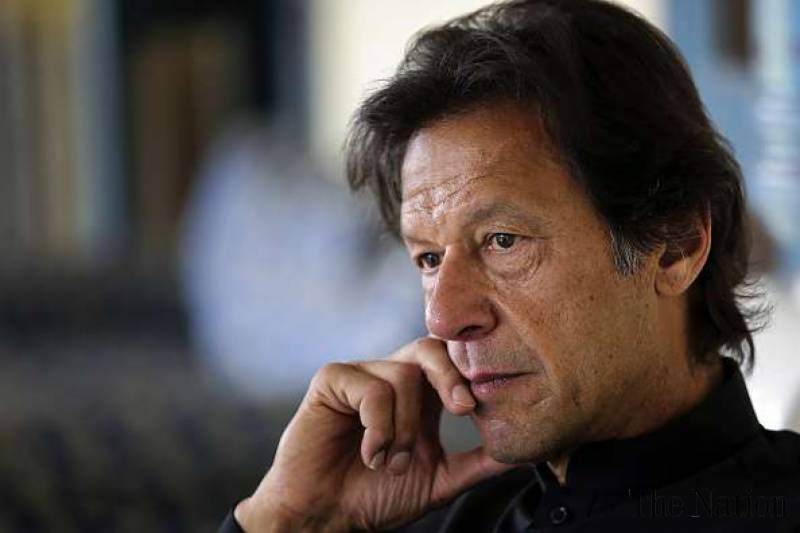
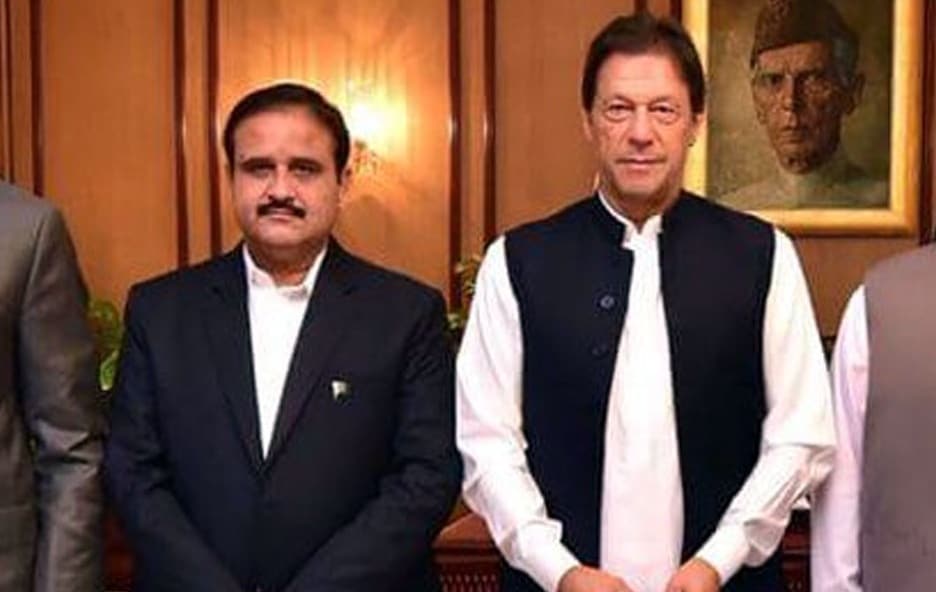
    Prime Minister Imran Khan dropped a hint at bringing major administrative changes in Punjab, a private media outlet reported. According to reports, the premier on Tuesday expressed reservations over the state of affairs in Punjab during an important meeting that was attended by senior party leaders. Reports said that before the meeting, PM Imran had an important discussion with Punjab Chief Minister (CM) Sardar Usman Buzdar.

    The meeting also discussed the election of chairman and deputy chairman of the Senate. The premier asked Defence Minister Pervez Khattak to get the support needed for the post of chairman and deputy chairman. The government has decided to take the allies into confidence for the post of Senate deputy chairman, reports claimed and added that the meeting also deliberated on giving the post of deputy chairman to any allied party.

    The performance of the Punjab government was also discussed in detail during the meeting chaired by the premier and attended by federal ministers except Interior Minister Sheikh Rasheed, senior government members and constitutional experts, as well as CM Buzdar. When contacted, a senior Punjab official told The Current that a major shuffle might soon be held in the province. They hinted at the possible removal of the provincial chief executive as well as the chief secretary.

    While PM’s digital media aide has rubbished these claims, rumour has it that the Khyber Pakhtunkhwa (KP) CM might also soon be replaced.


    Meanwhile, journalist Muneeb Farooq has also cited sources as saying that the Punjab CM is not going anywhere.


  • Queen Elizabeth promises to address Harry, Meghan’s grievances

    Queen Elizabeth promises to address Harry, Meghan’s grievances

    Queen Elizabeth II on Tuesday responded to explosive racism claims from her grandson Prince Harry and his wife Meghan, voicing deep concern and sympathising with their troubles with royal life.

    “The whole family is saddened to learn the full extent of how challenging the last few years have been for Harry and Meghan,” said the head of the monarchy in a statement.

    “The issues raised, particularly that of race, are concerning. While some recollections may vary, they are taken very seriously and will be addressed by the family privately.

    “Harry, Meghan and Archie will always be much-loved family members,” it added.

    Buckingham Palace has come under mounting pressure to respond to the claims made in an Oprah Winfrey interview first broadcast on Sunday, which triggered a crisis unseen since the anguished days of Harry’s late mother, Diana, in the 1990s.

    It set off a whirl of speculation about the identity of the senior royal who asked how dark their child’s skin would be before he was born.

    Meghan, whose mother is black and father is white, also spoke about how she had suicidal thoughts, but failed to receive any support during her time in the royal family.

    Winfrey was left open-mouthed by the racism claim, which reportedly left the palace in turmoil and scrambling how best to address it. The host later clarified that the racist comment was neither made by the Queen nor her husband, Prince Philip.

    Prince Charles, Harry’s father and the heir to the throne, earlier ignored a question about what he made of the interview, as he made his first public appearance since the row erupted.

    The level of controversy about the royals has not been seen since the 1990s, during the very public collapse of the marriage of Harry’s parents. His mother, princess Diana, collaborated with the author Andrew Morton in a revealing 1992 biography and gave a bombshell BBC television interview in 1995.

    In it, she said both she and Prince Charles had been unfaithful, how he was unfit to be king, and that she felt isolated, struggling with self-harm and bulimia.

    Harry and Meghan dramatically quit royal life last year and now live in California with their young son, Archie, and are expecting their second child, a daughter, this summer.

  • Bangladesh bought phone hacking, intercepting devices from Israel

    Bangladesh bought phone hacking, intercepting devices from Israel

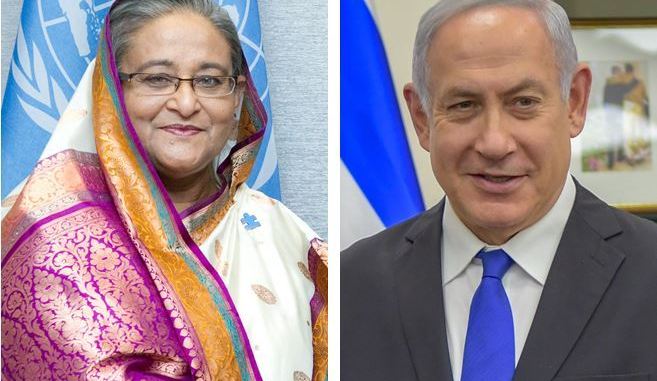
    Bangladesh government spent around $330,000 on phone-hacking equipment made by an Israeli company.

    The two countries have not recognised each other and have no diplomatic relations.

    In an exclusive investigative report by Al Jazeera, a product called UFED is manufactured by Cellebrite security firm in Israel, and Bangladesh has acquired devices from the firm.

    It can access and extract data from a wide range of mobile phones. Civil rights and campaigners are worried about its ability to hack encrypted phone data and breach the privacy of users.

    Bangladesh does not recognise the state of Israel, forbids trade with it and prevents its citizens from travelling there. The Muslim-majority country officially stands in solidarity with the Palestinians due to the denied civil rights and live under Israeli military occupation. It is unclear whether UFED was provided to Bangladesh directly by the Israeli company or any other channel was created for acquiring the devices.

    In February, Al Jazeera revealed how the Bangladesh military in 2018 signed a contract to acquire mobile phone interception equipment from Israeli firm Picsix Ltd. In February 2019, Bangladeshi officers received training by Israeli intelligence experts in the Hungarian capital, Budapest.

    The Ministry of Defence in Bangladesh said the equipment, a passive mobile phone monitoring system called P6 Intercept, was made in Hungary and was purchased on United Nations missions but the claim was rejected by the world body.

    According to the contract, the manufacturer of P6 Intercept as Picsix Ltd Hungary is made in Hungry, but no public record of any such company exists, and all Picsix equipment are manufactured in Isreal.

  • ‘Timeless India in the heart of NYC’: Priyanka Chopra to open her own restaurant

    Priyanka Chopra is opening her own Indian restaurant in New York, with the name of ‘Sona’.

    Priyanka Chopra took to her Instagram account and shared the pictures from an intimate prayer ceremony that took place in 2019, to make the announcement.

    “Im thrilled to present to you SONA, a new restaurant in NYC that I poured my love for Indian food into. SONA is the very embodiment of timeless India and the flavours I grew up wit,” wrote Priyanka while making the announcement.

    “The kitchen is helmed by the incredible Chef Hari Nayak , a masterful talent, who has created the most delicious and innovative menu, taking you on a food journey through my amazing country.”

    Priyanka also added: “SONA is opening later this month, and I can’t wait to see you there.”

    She thanked her team members saying, “This endeavour would not have been possible without the leadership of my friends Maneesh Goyal and David Rabin. Thank you to our designer Melissa Bowers and the rest of the team for realizing this vision so clearly.”

    She concluded: “The second and third photos were taken in September 2019 when we performed a small intimate Puja (prayer ceremony) to bless the space that would soon become Sona Godspeed.”

    “Timeless India in the heart of NYC” the description of the restaurant say. As per the information available the restaurant will open its doors in late march.

  • PM Imran wishes Women’s Day to Bushra Bibi, shares pictures of mother and wife

    Prime minister Imran Khan celebrated Women’s Day by sharing pictures of the two important women in his life.

    Posting pictures of his late mother Shaukat Khanum and wife Bushra Bibi, PM Khan wrote: “Happy Women’s Day.”

    Imran Khan was the only son of his mother. In 1985 he lost her to cancer and in 1994 set up Shaukat Khanum Memorial Cancer Hospital Lahore in memory of her.

    Meanwhile, PM Khan married Bushra Bibi in 2018, a few months before his party won the elections. Earlier, PM Imran had said that he could not have survived without his wife Bushra Bibi who is his soulmate and has great wisdom, adding that he discusses everything with her.