Author: News Desk

  • Survey reveals 61% Pakistanis support dowry

    Survey reveals 61% Pakistanis support dowry

    The Ministry of Religious Affair recently proposed a bill to ban dowry in the country.

    While the suggested bill was initially appreciated on social media, a new survey by Pulse Consultant revealed that 61% Pakistanis support dowry. More than 2,000 people participated in the survey. On the other hand, only 36% of people opposed the tradition.

    Further statistics revealed that 73% women voted in favour of allowing dowry while 24% opposed it. Among men, 59% were in the support of dowry.

    https://www.youtube.com/watch?v=4rHDsn6irU8&feature=youtu.be

    Earlier, The Current also asked people what they thought about and here is what they said.

    https://www.youtube.com/watch?v=NDN4h6mSTi0
  • Coke Studio 2020 premieres with a powerful all-female anthem

    Coke Studio 2020 premieres with a powerful all-female anthem

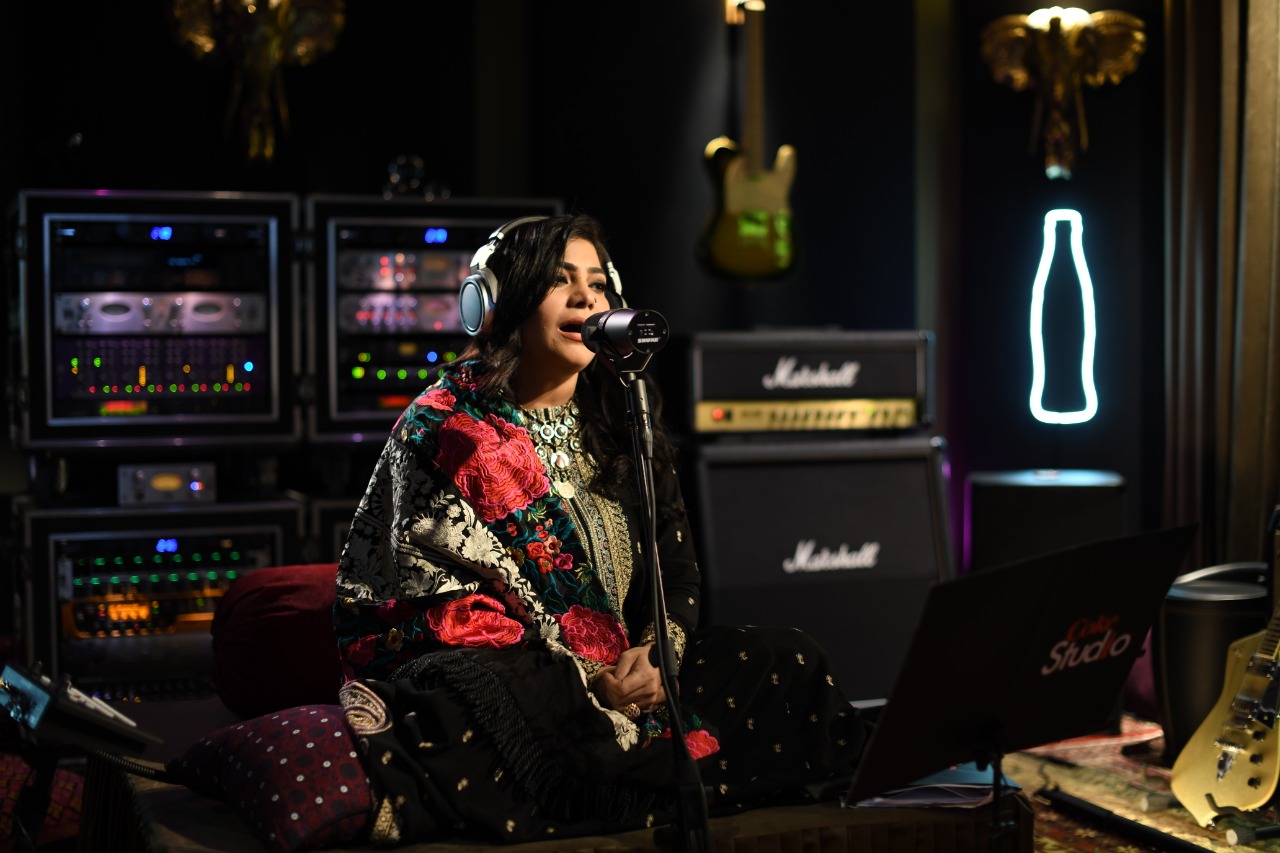
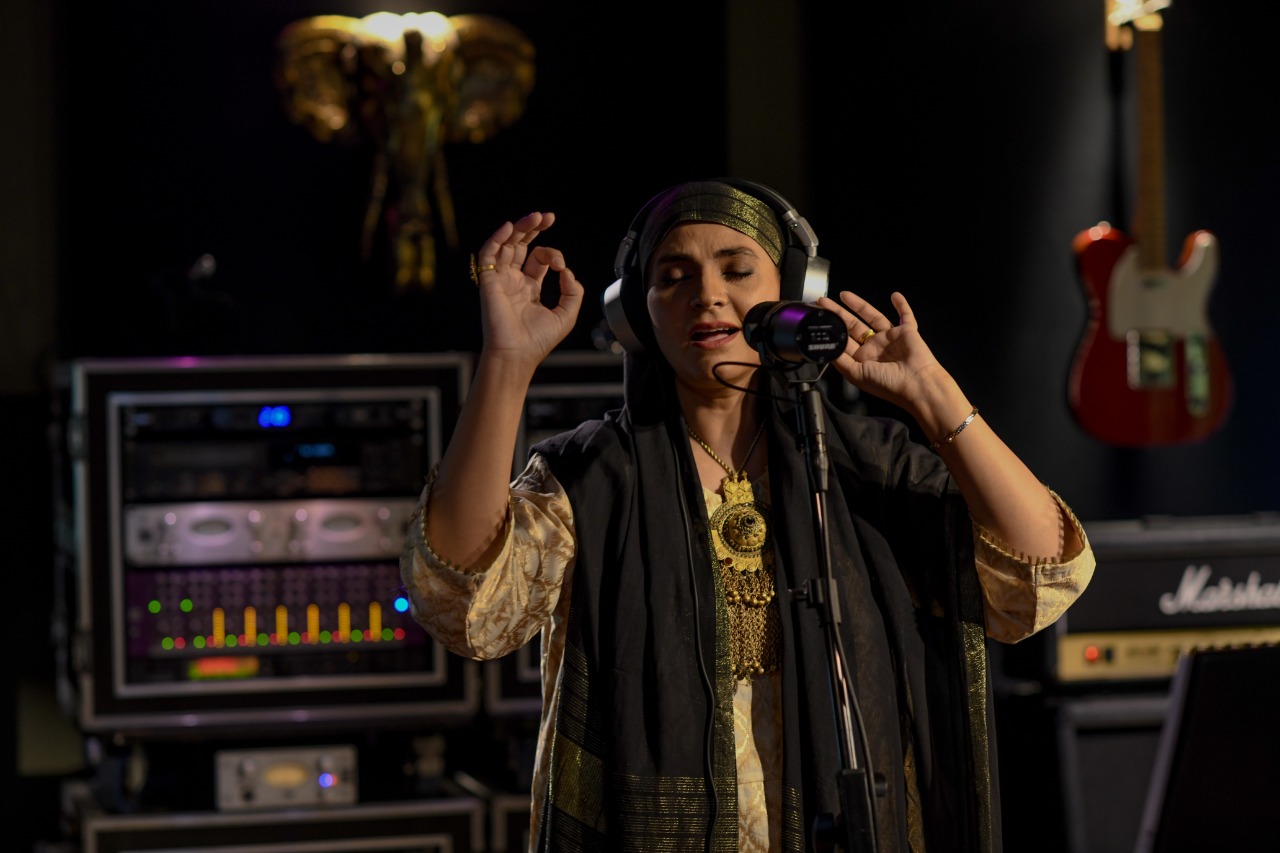
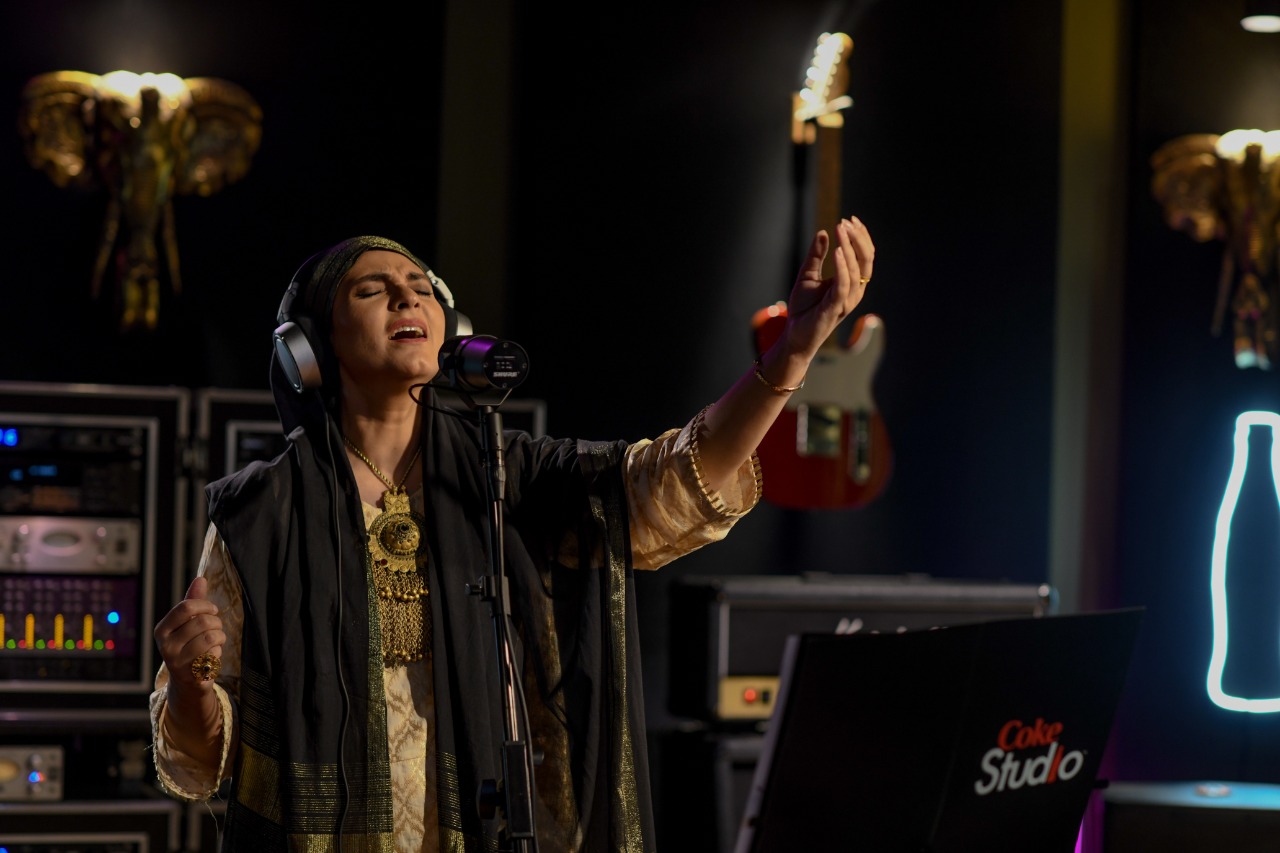
    The premier episode of Coke Studio 2020 consisted of three original tracks featuring a lineup of emerging artists including Mehdi Maloof, Seher Gul and Wajiha Naqvi, along with industry veterans Meesha Shafi, Fariha Pervez, Ali Noor, Sanam Marvi and Zara Madani.

    According to the press release, producer Rohail Hyatt has ensured that not only will this be a season featuring purely original songs, but the focus for this year has also been on content and social messaging which includes an all-female anthem called Na Tutteya Ve with veteran female vocalists including Sanam Marvi and Meesha Shafi.

    In addition to this, CS debutant Mehdi performed Dil Khirki, a song written and composed by the emerging Indie artist. According to the singer, the song, with its typical college sing-along feel, is about “opening your heart to the world regardless of life’s circumstances”.

    “In accepting one’s circumstances, one is able to submit to fate which ultimately results in a greater understanding of both life, and the self,” said Mehdi.

    In the third song of the episode Jaag Rahi, Fariha sings about suffering sleepless nights, longing to be united with her Beloved (Almighty). Ali’s voice responds to this longing by explaining that he suffers the same predicament and that she is not forgotten. The song is an interesting and contemporary take on the classical thumri.

    The 13th edition of Coke Studio or CS2020 will only have 12 songs this year featuring 13 artists and international musicians.

  • Bilal Abbas needs a fresh haircut, says Ben Dunk

    Bilal Abbas needs a fresh haircut, says Ben Dunk

    After being tagged on the posters of upcoming drama Dunk, Australian cricketer Ben Dunk has advised Bilal Abbas Khan to get a fresh haircut.

    Ben was tagged in a poster of drama serial Dunk by Zohaib Azhar, who is a host at Pakistan Super League (PSL).

    “Pakistan drama industry is also impressed by Ben Dunk,” wrote Zohaib in the caption.

    “I’ve been getting tagged in this a bit today, surely the actor needs a fresh haircut,” said the cricketer while sharing the poster of Bilal on his Instagram story.

    In response to Ben’s comment, Bilal joked: “I agree! I’m sure you can understand how difficult it is to maintain long hair.”

    “Love you man. Big fan,” he added.

    Dunk is an upcoming drama on ARY Digital, featuring Bilal and Sana Javed in lead roles. Other cast members include Yasra Rizvi, Shahood Alvi, Fahad Sheikh, Laila Wasti, Saifi Hassan, Salma Hassan, Kanwal Khan, Noman Ejaz, and Azekah Daniel.

    Bilal was last scene in Zee5’s Eik Jhoothi Love Story alongside Madiha Imam.

    While details about the drama are being kept tightly under wraps, Bilal in an interview had shared that the drama is a murder mystery. Dunk is being produced under the banner of Fahad Mustafa’s BigBang Entertainment.

  • Superstar Rajinikanth launches his own political party

    Putting an end to all speculations, Tamil actor Rajinikanth on Thursday announced that he would launch his political party in January 2021, months ahead of the Assembly polls in Tamil Nadu. He said an official declaration regarding the same will be made on December 31.

    In a brief statement released on Twitter, Rajinikanth said that his party would fight the Assembly election in 2021 and “emerge victorious”.

    “A non-corrupt, honest, transparent and secular party with a spiritual politics” would “definitely win the next elections,” read the superstar’s tweet.

    However, the actor did not clarify whether he would contest the 2021 state elections. In March 2020, Rajinikanth had said that he would not be a Chief Minister candidate or contest the polls. But sources close to the actor said he would actively take part in election campaigns and rallies while staying secure in a strict bio-bubble.

    Shortly after his tweet, Rajinikanth addressed a press conference in which he explained his reasons for joining the politics. He said that his aim was to bring a change in Tamil Nadu.

    “I am just an instrument. Only people can bring about change. If I win, it is the people’s victory. If I am defeated, it will be their defeat. We need to change everything. If not now, then never,” he said.

    Rajinikanth had announced his entry into politics in 2017 at a time when Tamil Nadu faced a vacuum after the demise of AIADMK chief Jayalalithaa and ailing of DMK chief M Karunanidhi.

    Read more – Guess which Bollywood superstar just followed Mahira Khan on Instagram

    Soon after the announcement, fans of Rajnikanth burst crackers and distributed sweets in Tiruchirappalli.

    Tamil Nadu Deputy Chief Minister O Panneerselvam (OPS) welcomed Rajnikanth’s entry into politics and hinted towards a possible coalition as well.

    “We welcome great actor Rajinikanth’s decision to enter politics. In politics, anything can happen. If there is any chance, an alliance can be formed with his party,” Panneerselvam told the media.

    Tamil Nadu is set to go to Assembly elections in 2021.

  • Pakistani project wins award for protecting villages from natural disasters

    Pakistani project wins award for protecting villages from natural disasters

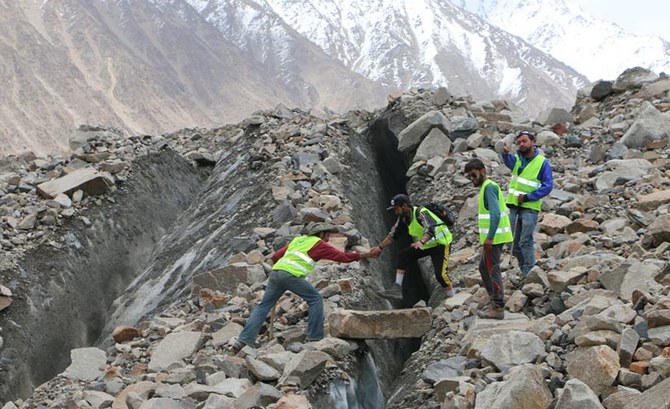
    A project that combines satellite images, mapping technologies and the local knowledge of villagers to help build climate-proof settlements in disaster-prone areas of Pakistan won an international award on Thursday.

    According to details, Aga Khan Agency for Habitat (AKAH) Pakistan project won a  gold prize winner at the World Habitat Awards that are organised in collaboration with the United Nations housing agency (UN-Habitat). The project has helped more than 1 million people.

    AKAH has trained about 50,000 locals to protect their villages from natural disasters in the mountainous northern areas which are vulnerable to earthquakes, floods and environmental degradation and are home to some of the poorest communities.

    “It’s not just responding to the effects of the climate emergency but being proactive in protecting people from its effects, using technology and the knowledge of communities,” said the chief executive of World Habitat David Ireland in a statement.

    “It provides communities with the knowledge of where and how to live in safety in a changing world. The potential for this approach to be adapted and used in similar areas in Pakistan and elsewhere is absolutely huge,” he added.

    According to the World Bank, more than 2 million people have been killed by natural disasters since 1980. Worsening climate change conditions threaten to push an additional 100 million people into extreme poverty within the next decade.

    Pakistan is among the most disaster-prone countries in South Asia, according to the World Bank.

    Launched in 2006, the AKAH project includes mapping and monitoring hazards using satellite images and drones and forming disaster risk management plans with the involvement of locals.

    It enables people to build in safer areas and to prepare  and respond to disasters in a better way.

    By combining local knowledge, community involvement and technology, the project develops “resilient, sustainable communities capable of living in dignity” amidst the threat of climate-induced disasters, said Leilani Farha, a former UN expert on housing, and one of the judges for the award.

    The main focus of  AKAH Pakistan is the participation of women, who make up about half the volunteers trained for disaster response and who also contribute in weather monitoring and mapping of high risk areas.

    “Women who had been conventionally viewed as vulnerable victims of disasters and emergencies, are now empowered individuals who can actively respond to disasters and serve the communities,” said Samra Siraj, a program coordinator at AKAH.

  • Hadiqa Kiani reportedly sued for causing ‘hair loss’

    Hadiqa Kiani reportedly sued for causing ‘hair loss’

    Hadiqa Kiani has reportedly been sued by a woman in Faisalabad for causing her hair loss. The woman has claimed Rs 2 crores in damages from the singer.

    According to reports, the woman identified as Zahida said that she suffered drastic hair loss after she visited a franchise outlet of the musician’s beauty salon for a straightening treatment. Zahida alleged that the use of harmful creams caused her hair to fall out, distorting her appearance.

    The woman, identified as Zahida, also filed a seperate claim worth Rs 2.5 million against the owner of the Hadiqa Kiani Salon’s franchise in Faisalabad.

    A local court has summoned Kiani, the salon’s franchise owner, Deputy Commissioner Faisalabad, as well as the district health officer on December 16.

    The franchise owner said they would file a reply in the court over the matter.

  • JCP endorses Babar Sattar’s nomination as IHC judge

    JCP endorses Babar Sattar’s nomination as IHC judge

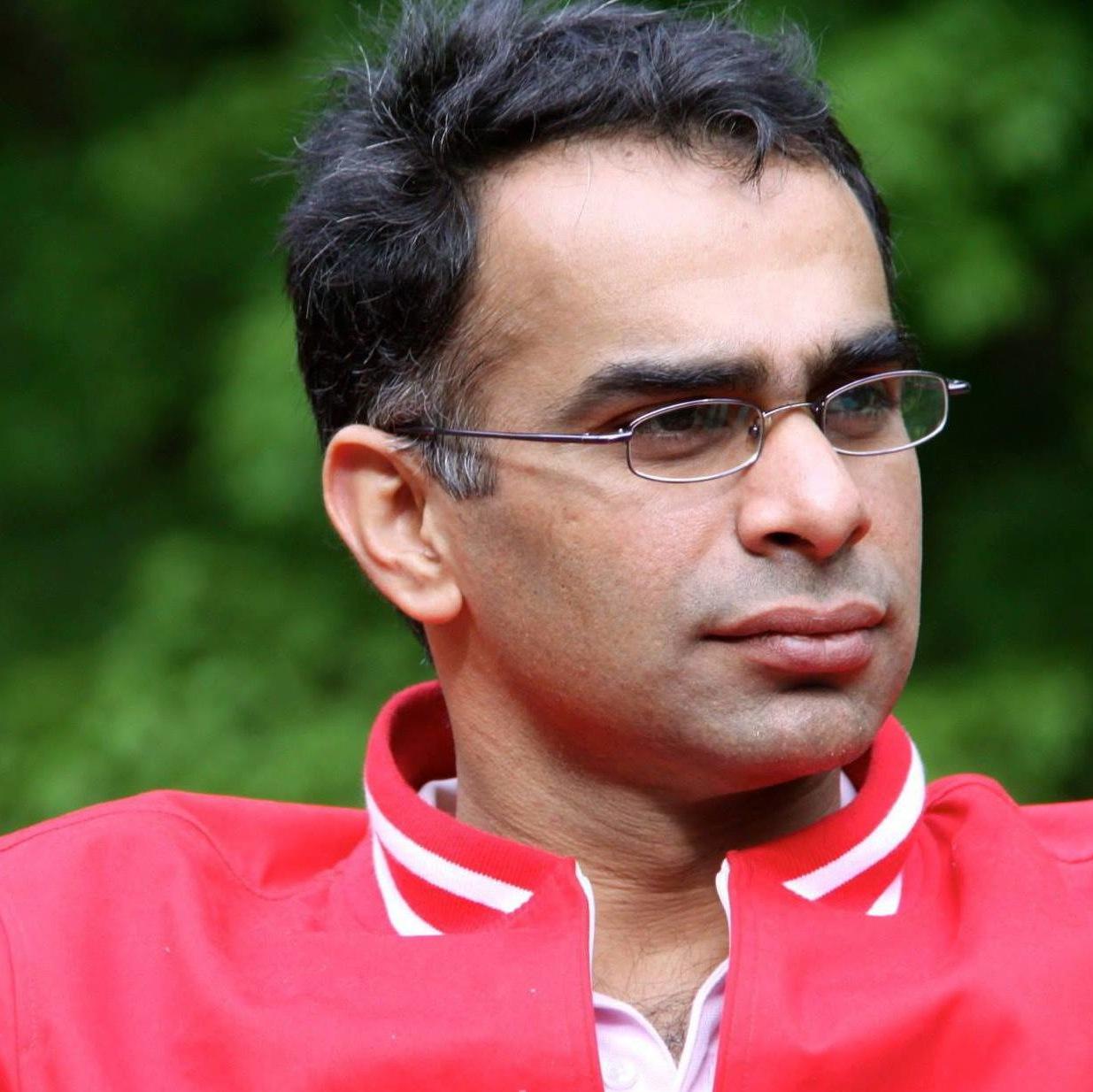
    The Judicial Commission of Pakistan (JCP) has endorsed the nomination of eminent lawyers Babar Sattar and Tariq Jahangiri as additional judges of the Islamabad High Court in its recommendation sent to the Parliamentary Committee on Appointment of Judges.

    The meeting of JCP — which comprises besides the chief justice of Pakistan senior most judges of the Supreme Court, chief justice and senior most judge of the Islamabad High Court, law minister, attorney general, members of the Pakistan Bar Council and Islamabad Bar Council — was held in the Supreme Court building under Article 175-A of the Constitution, reported Dawn.

    Under Article 175-A of the Constitution, the commission recommends appointment and confirmation of the judges whereas the Parliamentary Committee on Appointment of Judges endorses these recommendations. It may be noted here that Islamabad High Court Chief Justice Athar Minallah had forwarded these names to the JCP for the post of the IHC judges.

    Babar Sattar, who is based in Islamabad, appeared on TV shows as an analyst and also wrote columns for national dailies. He also represented Supreme Court judge Qazi Faez Isa, who was facing (now-quashed) a misconduct reference filed by the federal government over undeclared assets, in the Supreme Court.

    According to Salahuddin Ahmed, the president of the Sindh High Court Bar Association (SCBA), Sattar “is one of the most qualified and upright advocates to be ever chosen for elevation as a judge”.

    According to reports, Jahangiri is a former advocate general for Islamabad. He is an expert in criminal, constitutional and civil laws. He was elected as president of the Islamabad High Court Bar Association in 2016. Previously, he was president of the District Bar Association of Islamabad.

  • Govt claims to save $237m in LNG deal

    The Petroleum Division (PD) on Thursday said the government had procured 41 spot liquefied natural gas (LNG) cargoes, during the last 27 months, on average of below 12 percent Brent that helped save $237 million.

    The PD shared these details in a press statement after some media reports alleged mismanagement in the spot buying, terming them “based on false assumptions and incomplete facts”, reported APP.

    The PD said the first query, in the media reports, pertained to the LNG procurement to run both terminals in full capacity and import of six cargoes in December.

    “It must be understood that the two terminals together have operated on 65 percent or less capacity in nine months out of last 27 months. Another factor which must not be ignored is that the previous government had signed long-term contracts for 800mmcfd (million cubic feet per day) for supply of LNG.” Unless this was sold first, it said, buying more was not possible, even if it was available at cheap rate.

    The previous government also signed 1,200mmcfd of terminal capacity on a ‘take or pay’ basis which resulted in $527,000 per day payment, regardless of the level of use of these terminals.

    “The current government purchased 41 spot LNG cargoes on much less average for the whole year than term slope of 13.37 percent Brent, which enabled us to save $237 million in last 27 months,” it added.

    “Also, once you award a cargo, which has a fixed delivery date, it is near impossible to move it, especially in winter peak. Hence, if you do partial ordering of spot cargoes, you may not be able to slot more cargoes later, because that results in change of delivery date of all cargoes.”

    Secondly, the PD said, it was being asked why the government invited tenders for December in November. “This is factually incorrect. Pakistan LNG Ltd. placed tender notice for six LNG spot cargoes for use of December on October 02, 2020.”

    Third question, it said, was related to forward purchasing in summer for winter delivery when global market prices were down due to less demand in summer.

    “It must be understood that spot cargoes are generally for ready delivery (i.e. within 30-60 days). While you can do forward buying (i.e. order today for delivery many months later), the pricing for such purchases is done on a forward curve for Brent and swap spreads for slope.”

    So, if spot cargoes were available in July for 10 percent of the Brent, “resulting in say $4/mmbtu delivered price, an order placed in July for delivery in December does not get priced at $4/mmbtu.”

    The sellers would use forward projections of the Brent in December and “Swaps spreads for slope in December, resulting in a much higher price for delivery in December.”

    It said, “An expectation that we can get ready price of summer for delayed delivery in winter, assumes that the sellers are so naive, and we as buyers are so smart, that we can take advantage of them. This simply shows lack of understanding of how forward market works.”

    “As an example, the JKM swaps on Oct 02, 2020 for December delivery were $5.5/mmbtu. The same JKM swaps for December delivery in mid August were $5.4/mmbtu, a bare 10 cent difference. So even if the December tender were issued in mid August, the price would have been effectively the same.”

    Fourth question, the PD said, was based on comparison between Pakistan and India on spot purchasing of LNG claiming that India saved billions of rupees by placing orders for November three weeks before Pakistan.

    “Again this is factually incorrect. Pakistan placed tender for November delivery on Sept 09 and Sept 15 with the PPRA compliant mandatory 30 days. India placed a one day tender on Sept 29 and awarded on Sept 30. The price of this one cargo was $0.98/mmbtu less, as reported by Bloomberg, than the November average of Pakistan. Many major suppliers like Vitol and Trafigura have bought December cargoes at prices higher than Pakistan as reported by Bloomberg. Are they all incompetent? Single cargoes cannot be compared because they depend on the day of award and conditions of tender.”

    For example, the PD said, Pakistan LNG Limited (PLL) required 21 days credit period and 10 percent of performance guarantee on LNG supplies. “Also our port cargoes are 400 percent higher. India does not have these conditions. An example of the reverse situation was PLL spot cargo of July 27, 2020 at price of $2.2 but Reliance, India awarded a cargo only three days later on July 30, at $2.7, a full 20 percent higher.”

    Unfortunately, the PD said, some media persons claimed that the spot buying this year had caused Rs122 billion loss to the exchequer.

    “The total of all cargoes bought in 2020 on spot was $353 million, or Rs 57 billion, with an average just below 12 percent. So, it is illogical to say that when money spent is Rs57 billion, somehow a loss of Rs122 billion has been created.” Even if compared to contract deliveries, the spot purchases, including higher December numbers, the Petroleum Division said, it was still cheaper.

    “The public discourse needs to move to planning and implementation on legal reforms to declare LNG as gas, from the deliberate distortion created by the last government declaring it petrol,” the PD statement concluded.

  • VIDEO: Wedding guests showered with US dollars in Sialkot

    VIDEO: Wedding guests showered with US dollars in Sialkot

    A man in Sialkot celebrated his wedding by showering US dollar notes on his guests. The video of the incident has gone viral on social media.

    According to reports, the incident took place outside a marriage hall in Daska near College Road. The clip went viral on social media as the groom and his friends tossed away the money on the people standing down below.

  • ‘Ginnah’: Photos of alcoholic drink named after Jinnah go viral

    ‘Ginnah’: Photos of alcoholic drink named after Jinnah go viral

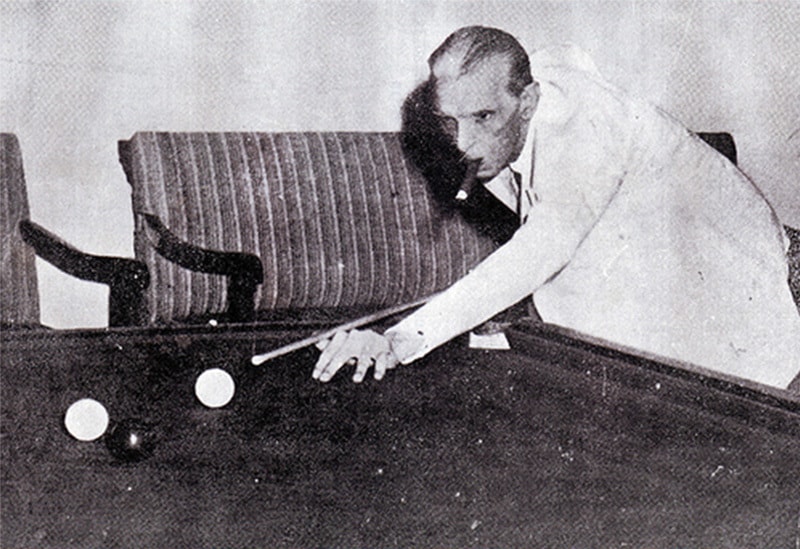
    After pictures of an alcohol brand named ‘Ginnah’ went viral on social media, the Indian media outlets, mostly, have started reporting that the bottle was named after the founder of Pakistan, Muhammad Ali Jinnah.

    According to the photos whose veracity is unconfirmed as of now — except that it has garnered many reactions on Twitter — it is a drink “enriched with the essence of randomly selected fresh herb, whole spice and dried fruits”.

    Also, the back label of the bottle reads: “Muhammad Ali Jinnah was the founder of Pakistan that came into being in August 1947 as a secular state. Decades later, the country was pushed over the cliff by a military dictator [Gen Ziaul Haq] aided by supporters in Washington D.C.”

    It went on to say Jinnah, more commonly known as ‘The Great Leader’, would never have approved of the country Gen Zia turned Pakistan to for the designs of the “clergy”. It also referred to Jinnah’s rather exquisite lifestyle, saying he indulged in gin and whiskey throughout his life.

    “In memory of the man of pleasure who he was: ‘Ginnah’,” the bottom of the label reads.

    A Twitter user posted photos of the gin named ‘Ginnah’ after the founder of Pakistan, Quaid-e-Azam.

    Fashion designer Deepak Parwani wrote: “The world has move on to this #Jinnah.”

    While some social media users are still wondering if these photos are legit.

    The alcohol in Pakistan was criminalised by PPP founder Zulfikar Ali Bhutto, who came to power in 1970s, to appease the religious lobby. Before that, it was readily available in the big cities of Pakistan. Following Bhutto, Gen Zia made Islamic laws stringent and Pakistan starting moving away from the idea of a modern Muslim state.