Author: News Desk

  • Pakistan invoked Saudi defence pact to deter Iran strikes, says Ishaq Dar

    Pakistan invoked Saudi defence pact to deter Iran strikes, says Ishaq Dar

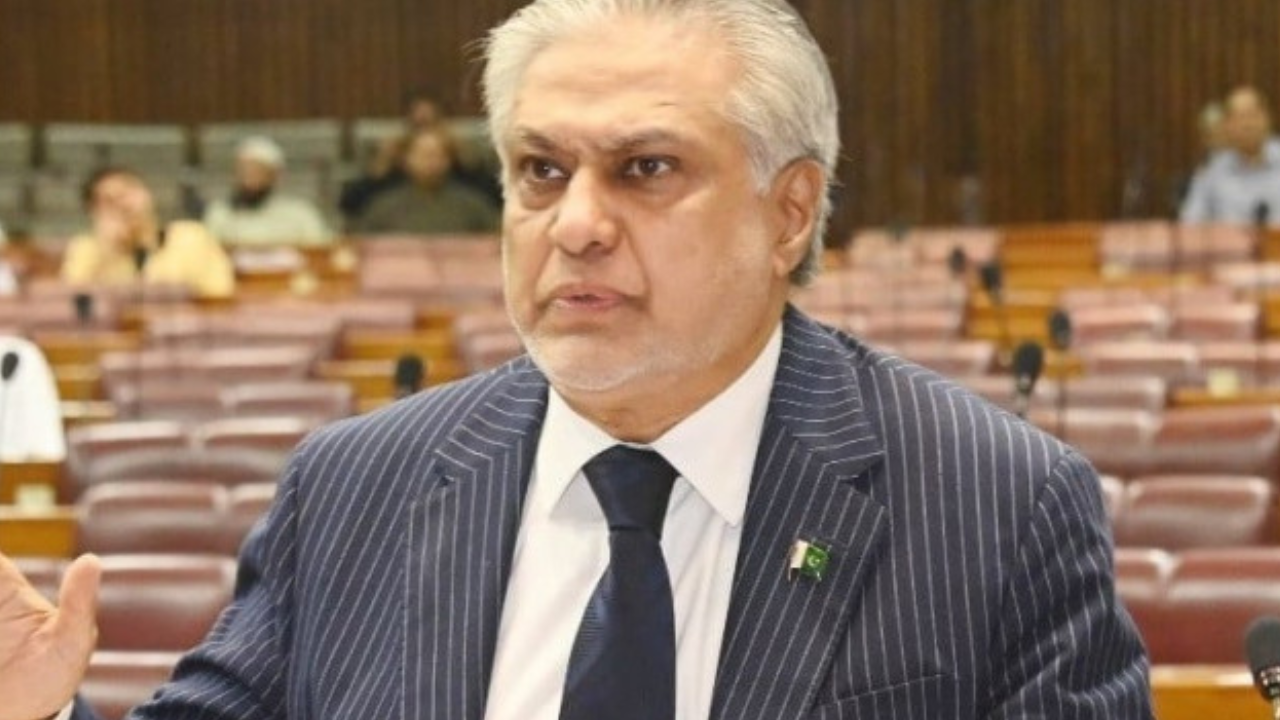
    Deputy Prime Minister and Foreign Minister Ishaq Dar has said that Pakistan invoked its strategic defence arrangement with Saudi Arabia to deter further Iranian strikes during the recent escalation involving missile and drone attacks across the Gulf.

    Addressing a media briefing at the Foreign Office, he said, “The position in KSA is relatively stable.” He had made similar remarks earlier in the Senate.

    Referring to the Pak-Saudi Strategic Mutual Defence Agreement signed in September last year, Dar said, “We have a strategic mutual defence agreement with Saudi Arabia. Everyone knows about that, it is a sovereign agreement and we are bound by that.”

    He added, “In view of that agreement, while in Saudi Arabia I immediately sensitised the leadership of Iran that they should keep that in mind.”

    The agreement states that an act of aggression against one country will be treated as an act against both and outlines cooperation in deterrence, defence coordination, intelligence sharing and security collaboration.

    Dar said Iranian officials had sought assurances that Saudi territory would not be used for attacks against Iran. “They asked for some assurances that their soil shouldn’t be used against Iran. I then had shuttle communication with both Iranian and Saudi sides and got them those assurances,” he said.

    “And look, unlike all other countries, Saudi Arabia faced the least attacks other than Oman that was the mediator,” he added.

    Commenting on the nature of the strikes, he added Iran had stated it targeted US bases. “Iran says we have attacked American bases. The missiles were not exactly hitting US bases or installations, they also instead fell on airports, hotels, residential areas,” he said.

    He also provided details about Pakistani nationals in the region. One Pakistani citizen was killed in Abu Dhabi during the hostilities, he said, without elaborating.

    According to Dar, around 350,000 Pakistanis reside in Qatar, while about 1,400 who travelled there for short visits are stranded due to flight disruptions. “Our mission is facilitating them. We are thankful to the Qatari government for its cooperation,” he said.

    In Iraq, approximately 40,000 Pakistanis are present, including 3,500 pilgrims. Around 500 in the Kurdistan region have expressed a desire to return, and arrangements are being coordinated.

    He said Saudi Arabia hosts about 2.5 million Pakistanis. In Kuwait, 101,000 nationals reside, with 27 visitors currently stranded. About 134,000 Pakistanis live in Bahrain and 18,000 in Jordan, with no reports of stranded individuals in those countries.

  • Iran strike aimed at shifting focus from Gaza, says Khawaja Asif

    Iran strike aimed at shifting focus from Gaza, says Khawaja Asif

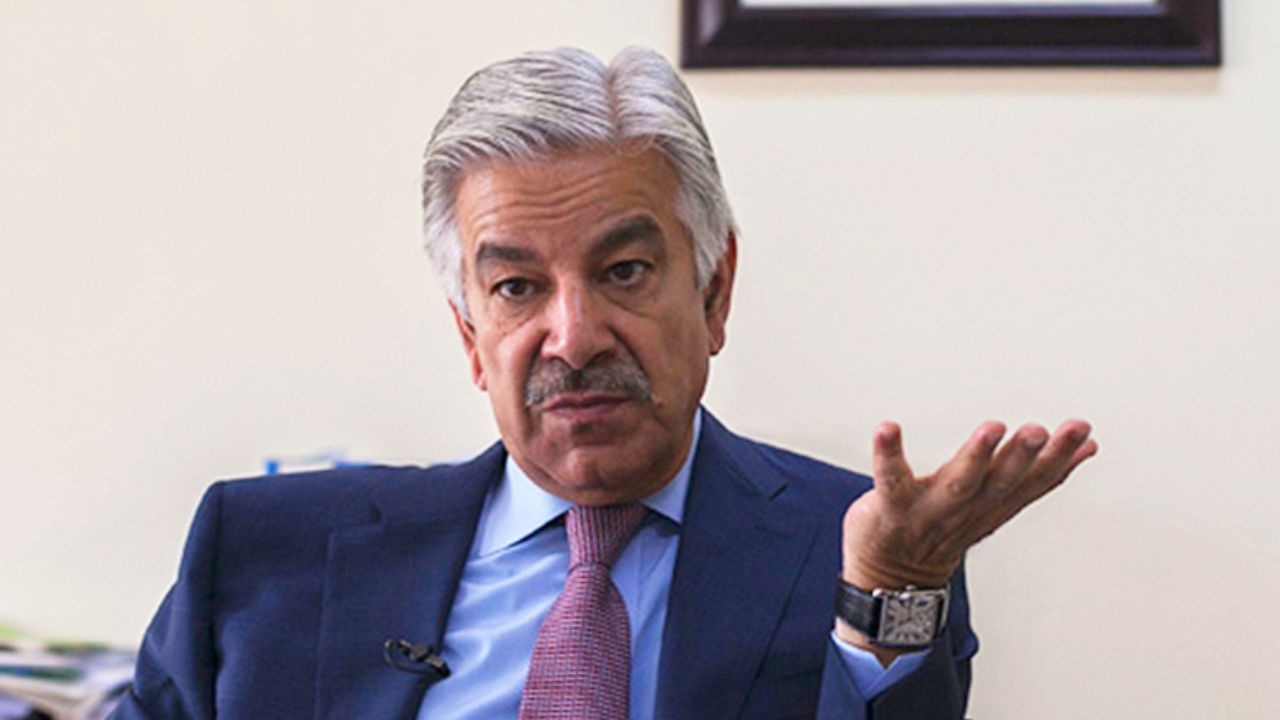
    Defence Minister Khawaja Muhammad Asif has said that Israeli Prime Minister Benjamin Netanyahu attempted an attack on Iran to divert international attention from Gaza.

    In a statement posted on X, Asif said that the international media’s attention had shifted following the strike on Iran. “By attacking Iran Netanyahu has attempted to divert international attention away from Gaza,” he wrote. 

    Asif further alleged that the Israeli prime minister was using the regional escalation to advance his objectives in Palestinian territories. “International media is focused on Iran now which gives Netanyahu space to quietly go ahead with his genocidal agenda in Gaza and West Bank. ” he said.

    Asif also criticised Netanyahu’s leadership, linking the widening conflict to what he termed personal motives. “Netanyahu’s demonic personal ambitions have plunged Palestine and rest of ME into worst tragedy of human history,” he stated.

    His comments came amid heightened tensions in the region after Israel and US strikes on Iran. Following the initial strikes, Iran responded with missile and drone attacks aimed at U.S. interests and allied positions in the Gulf, which has drawn widespread international attention and shifted the focus of global coverage.

  • Pakistan to import oil via Red Sea amid Gulf tensions; shifts to weekly price review

    Pakistan to import oil via Red Sea amid Gulf tensions; shifts to weekly price review

    The federal government of Pakistan plans to bring oil supplies from Saudi Arabia and the United Arab Emirates (UAE) to the country through the Red Sea due to the closure of the Strait of Hormuz. Officials also said the oil price review will shift from a fortnightly to a weekly system.

    Sources told a private media outlet that the government is working on various measures to ensure uninterrupted oil supply amid Israel and US’ attacks on Iran. 

    Pakistan imports around one million barrels of oil per month, with Saudi Arabia as a key exporter. UAE-based firm ADNOC and Saudi Aramco will supply oil by bypassing the Strait of Hormuz.


    Reports quoted sources as confirming that one refinery has already received shipments through the Red Sea, while a couple of oil vessels have reached Pakistan, and others are en route.

    The weekly oil price review is intended to discourage hoarding of petroleum products by dealers. Reports quoted sources that the government projected a possible increase of Rs50 per litre in oil prices following the recent Gulf conflict.

    Officials said oil cargo vessels of the Pakistan National Shipping Corporation were placed on standby to lift supplies from Saudi Arabia and the UAE. The Oil and Gas Regulatory Authority (OGRA) ensured sufficient oil stocks to meet the country’s 28-day requirement following pre-emptive imports of surplus fuel.

    Reports quoted sources that two crude oil cargoes were stranded due to the closure of the Strait of Hormuz, a 21-mile (33-kilometre) shipping lane that handles nearly one-fifth of the world’s daily oil consumption. 

    Last year, over 20 million barrels of crude oil, condensate and fuel were transported daily through the strait. OPEC (Organization of the Petroleum Exporting Countries) members including Saudi Arabia, Iran, the UAE, Kuwait and Iraq use the route to export most of their crude, primarily to Asia.

    Reports quoted sources said that Pakistan currently holds 28 days’ stock of petrol and diesel. Officials said OGRA had forecast possible escalation in the Middle East as early as January and ensured oil stocks for over 25 days in January and 28 days in February through surplus imports.

    Experts, however, warned of a potential global oil crisis if the war continues. A source said two crude oil cargoes remain stuck due to the Strait of Hormuz closure, with remaining imports scheduled for later.

    The Petroleum Division had directed OGRA to maintain adequate stocks of crude and petroleum products, including MS, HSD and LPG, to avoid supply disruption. Imports are being monitored for timely delivery due to the emerging security situation in the Gulf.

  • Aleem Dar’s resignation reveals selection committee’s disagreements with Hesson, Agha before T20 WC

    Aleem Dar’s resignation reveals selection committee’s disagreements with Hesson, Agha before T20 WC

    Renowned Pakistani umpire and selector Aleem Dar has resigned from the Pakistan Cricket Board (PCB) selection committee, according to media reports, after disagreements over team selection.

    Dar’s decision came after Pakistan’s disappointing performance in the Men’s T20 World Cup, where the national team failed to advance beyond the Super 8 stage. 

    Reports said Dar quit after a string of selection decisions he opposed were ignored by the head coach and team leadership.

    He felt sidelined in key decisions. Selectors named Pakistan’s best 20 players, but Dar claimed head coach Mike Hesson and captain Salman Ali Agha consistently picked what he considered the wrong final 15 for the World Cup squad. 

    Former national captain Misbah ul Haq remained silent during the disagreements, and senior selector Aaqib Javed offered no resistance, reports said.

    Dar also raised concerns about including experienced batsmen Babar Azam and Shadab Khan despite their recent lack of form. 

    He suggested that stronger performing players should have been preferred. Dar also proposed that wicketkeeper batter Mohammad Rizwan should bat at number six instead of wicketkeeper Usman Khan.

    Pakistan’s T20 World Cup campaign began with a narrow escape against the Netherlands, followed by a win over the United States. Expectations were high for the match against India, but Pakistan repeated mistakes seen earlier in the Asia Cup and suffered defeat.

    A win over Namibia helped Pakistan reach the Super 8 stage, but rain washed out the game against New Zealand, and a loss to England left Pakistan reliant on other results. England’s win over New Zealand briefly reopened the path forward, but Pakistan’s narrow victory against Sri Lanka did not improve their net run rate enough to advance. New Zealand eventually moved on to the semifinals, ending Pakistan’s tournament.

    Following the team’s poor performance, PCB reportedly fined each player five million rupees.

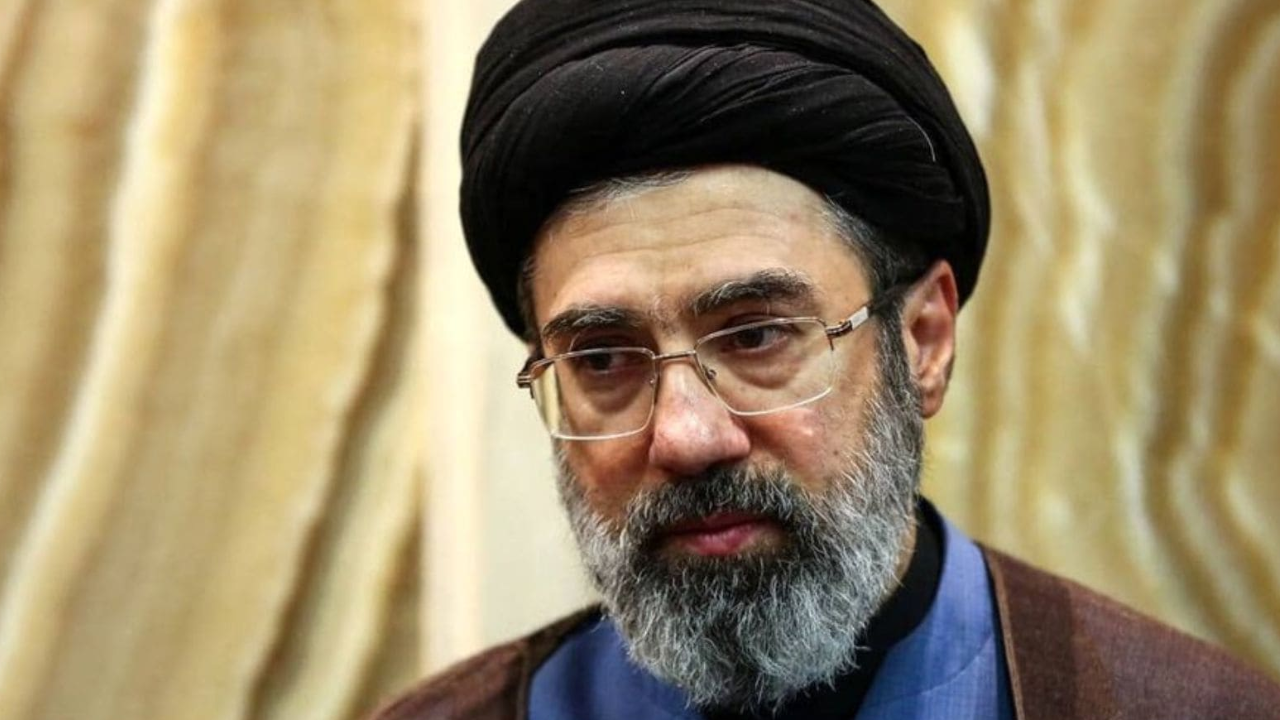
  • Mojtaba Khamenei front-runner to succeed Khamenei

    Mojtaba Khamenei front-runner to succeed Khamenei

    Senior clerics tasked with appointing Iran’s next supreme leader met on Tuesday to deliberate on a successor to Ayatollah Ali Khamenei, who was killed in U.S.-Israeli strikes over the weekend. According to three Iranian officials familiar with the discussions, his son, Mojtaba Khamenei, emerged as the leading candidate.

    The officials said members of the Assembly of Experts were weighing whether to announce Mojtaba Khamenei’s appointment as early as Wednesday morning. Some clerics raised concerns that a public decision could make him a target for the United States and Israel. 

    The Assembly of Experts held two virtual meetings on Tuesday, one in the morning and another in the evening. An Israeli strike hit a building in Qum where the assembly had been scheduled to convene. Iran’s Fars News agency reported that the building was empty at the time.

    Vali Nasr, an Iran specialist at Johns Hopkins University, said the potential selection would be notable. “He was slated to become the successor for a long time,” Nasr said. “But for the past two years, it seemed to have dropped off from the radar. If he is elected, it suggests it is a much more hard-line Revolutionary Guard side of the regime that is now in charge.”

    Mojtaba Khamenei, 56, has maintained close ties with the Revolutionary Guards and has largely remained out of public view. The three officials said the Guards supported his candidacy, arguing that he had experience overseeing security and military coordination.

    “Mojtaba is the wisest pick right now because he is intimately familiar with running and coordinating security and military apparatuses,” said Tehran-based analyst Mehdi Rahmati. “He was in charge of this already.”

    Rahmati added that opposition was likely. “A portion of the public will react negatively and forcefully to this decision, and it will have a backlash,” he said.

    Other figures under consideration include Alireza Arafi, a member of the three-person transition council formed after Khamenei’s death, and Seyed Hassan Khomeini, grandson of Ayatollah Ruhollah Khomeini. Both are viewed as moderates, with Khomeini associated with reformist factions.

    Abdolreza Davari, a politician close to Mojtaba Khamenei, said before the conflict that if he succeeded his father, he could adopt a leadership style similar to Saudi Arabia’s Mohammed bin Salman. 

    The 88-member Assembly of Experts, elected through public vote, is constitutionally responsible for appointing and overseeing the supreme leader. This marks the second time in the Islamic Republic’s history that it will select a leader, following its 1989 decision to appoint Ayatollah Ali Khamenei.

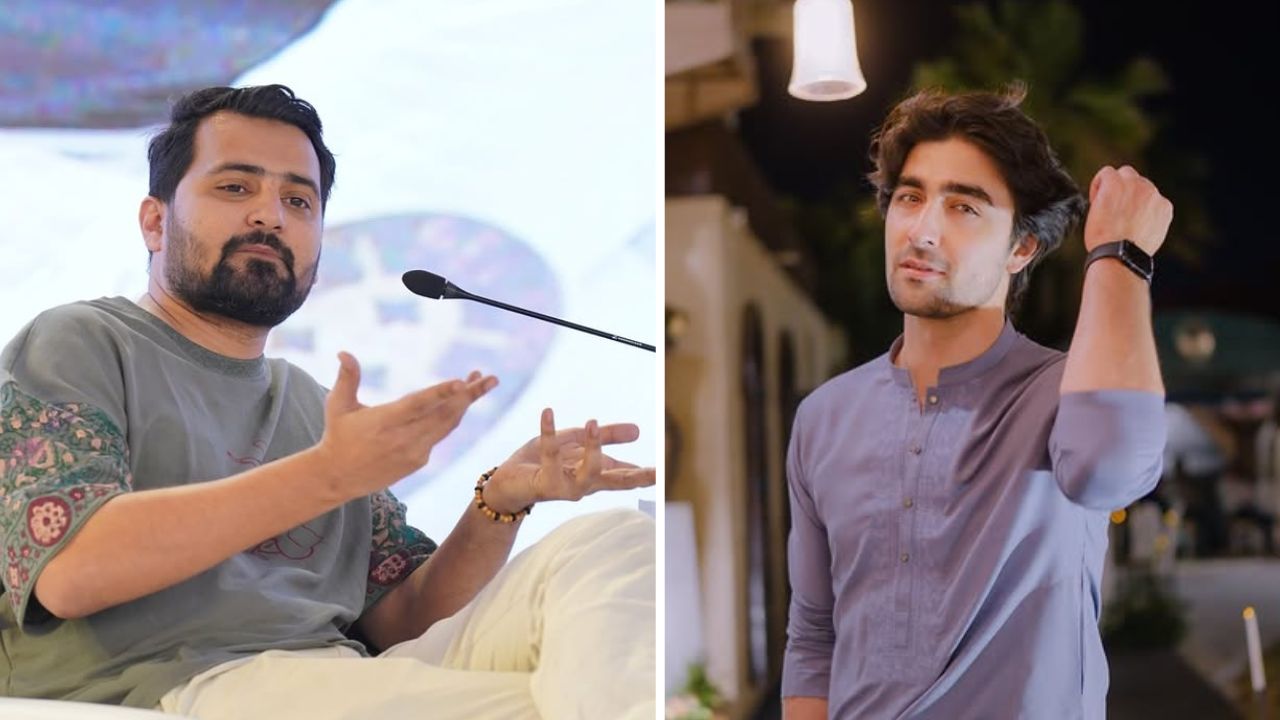
  • Khaqan Shahnawaz apologises to Ali Abdullah, deletes video mocking his speech

    Khaqan Shahnawaz apologises to Ali Abdullah, deletes video mocking his speech

    Pakistani actor and influencer Khaqan Shahnawaz has issued a public apology to comedian Ali Abdullah after learning that he has a speech impediment.

    The apology followed a controversy sparked by a video Khaqan posted in which he criticised remarks made by Abdullah during a Ramzan transmission, and mocked his speech.

    After discovering that Abdullah has a medical condition affecting his speech, Khaqan removed the video and addressed the issue on Instagram.

    “I did not know Ali Abdullah suffered from a speech impediment. I have taken down my video and apologise for any offence caused,” Khaqan wrote on his Instagram account. He added that his views on the original criticism had not changed.

    “I still maintain however, that it is not okay for him to make fun of someone’s financial situation or say that they are on their period on national TV,” he said.

    The controversy began when Ali Abdullah shared a clip of content creator Jawad Ahmed eating taftan during sehri. 

    While commenting on the clip, Abdullah said, “He is eating paratha, may Allah forgive, it looks like leftover roti from last night, reheated in water. His mother gave it to him. It is neither good for his health nor will it help his algorithm.”

    The clip went viral, prompting Khaqan to defend Jawad and accuse Abdullah of punching down and mocking the creator on national television. He questioned how Abdullah would feel if someone mocked his voice or personal traits in public.

    The controversy also drew criticism from the entertainment industry. Actress Sabeena Farooq criticised Khaqan, saying, “I don’t understand why people launch personal attacks while critiquing. His voice and way of speaking are given by Allah; this is completely in Allah’s hands. Nothing personal against Khaqan, but he is wrong here on so many levels.”

    Khaqan entered the entertainment industry in 2023 and rose to fame with the popular drama Yunhi. He later appeared in Sukoon and My Dear Cinderella.

    In his personal life, Khaqan married Pakistani actress Sabeena Syed. The couple confirmed their nikkah in January 2026, after announcing their engagement in late 2025.

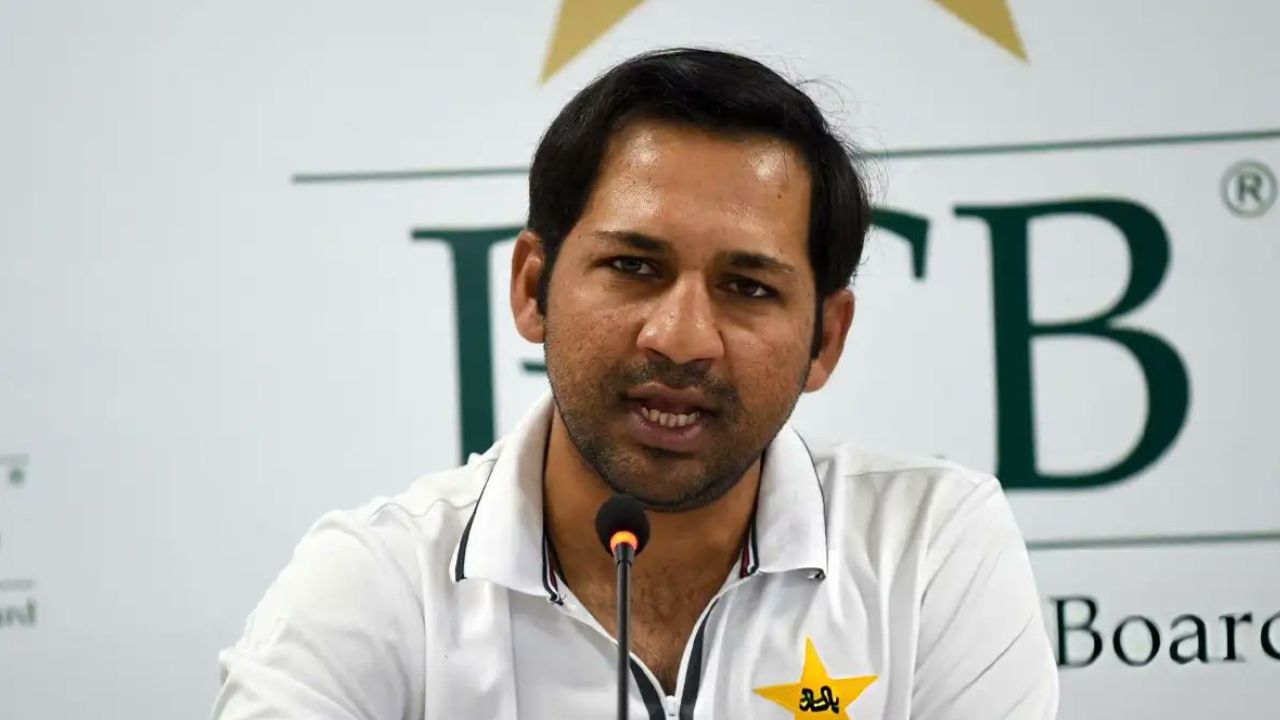
  • Sarfaraz Ahmed set to become Pakistan Test team head coach: reports

    Sarfaraz Ahmed set to become Pakistan Test team head coach: reports

    Former Pakistan captain Sarfaraz Ahmed is expected to take over as head coach of the Pakistan men’s Test team, with an official announcement likely in the coming days.

    The head coach position has remained vacant since October 2025. Azhar Mahmood handled the role on an interim basis during Pakistan’s recent Test series against South Africa.

    According to media reports, Sarfaraz will begin his duties during Pakistan’s upcoming two match Test series against Bangladesh in May. The series will be part of the World Test Championship.

    Pakistan and Bangladesh will play the first Test on May 8, followed by the second Test starting on May 16.

    Sarfaraz recently worked as a mentor for Pakistan’s Under 19 team that won the Asia Cup. He currently serves with the Pakistan Shaheens, who are touring the United Arab Emirates for a T20 and one day series against the England Lions.

    The wicketkeeper batter played 54 Test matches and scored 3,031 runs, including four centuries and 21 half centuries. In 117 One Day Internationals, he scored 2,315 runs with two hundreds and 11 fifties. He also featured in 61 T20 Internationals and scored 818 runs with three half centuries.

    Sarfaraz built a strong reputation as captain as well. He led Pakistan to the Champions Trophy title in 2017, where the team defeated India by 180 runs in the final. He recorded a 70 percent win rate as ODI captain and guided Pakistan to five wins in nine matches at the 2019 Cricket World Cup. In T20 Internationals, his teams won 29 of 37 matches, giving him a win rate of 78.37 percent.

    He last played a Test match for Pakistan against Australia in Perth in 2023.

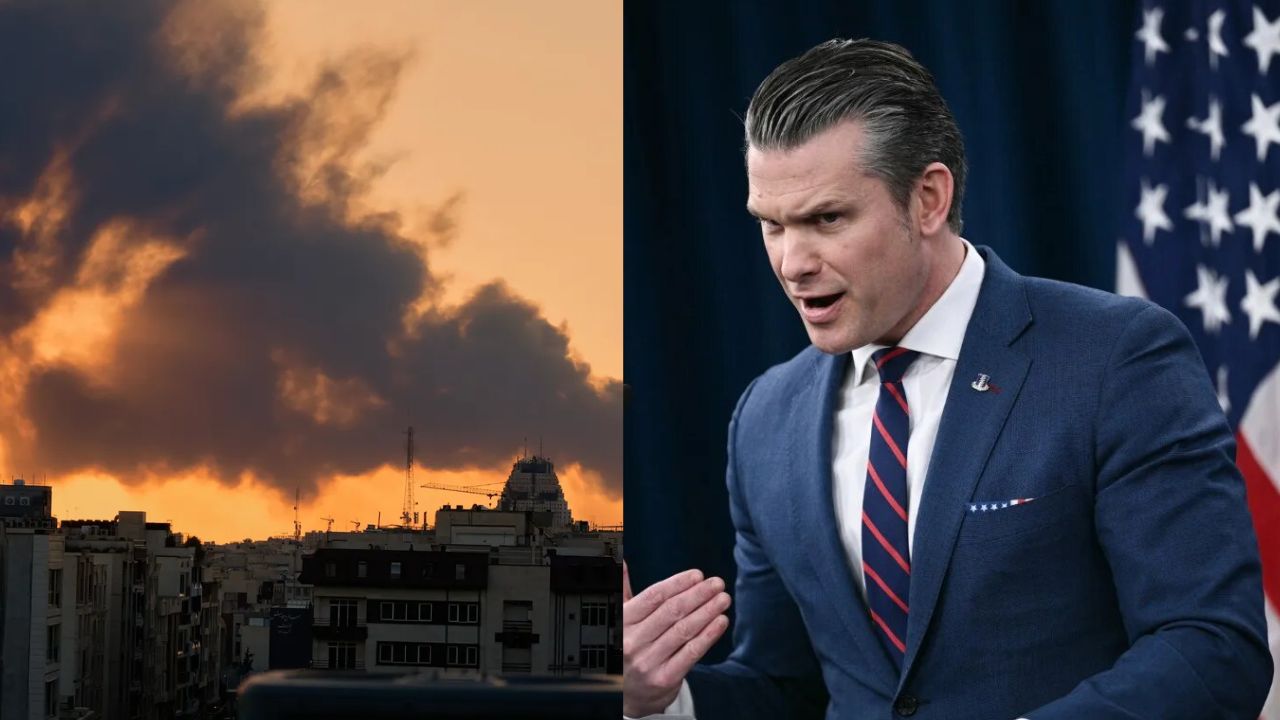
  • ‘Armageddon’: US troops told Iran war is ‘God’s plan’ for Christ’s return to earth

    ‘Armageddon’: US troops told Iran war is ‘God’s plan’ for Christ’s return to earth

    The Military Religious Freedom Foundation (MRFF) said it has received over 200 complaints from the United States (US) military personnel alleging that commanders described the war on Iran as part of a religious prophecy involving “Armageddon”.

    The MRFF said the complaints came from members of the army, navy, air force, marine corps and space force, covering more than 40 units across at least 30 military installations.

    One combat unit commander, the MRFF said, told non-commissioned officers (NCOs) that Israeli-US attacks on Iran were “part of God’s plan” and that President Donald Trump was “anointed by Jesus to light the signal fire in Iran to cause Armageddon and mark his return to Earth”.

    A non-commissioned officer (NCO) who contacted the MRFF said the commander repeatedly referenced the Book of Revelation and described the conflict as part of “God’s divine plan”. 

    The NCO said the commander “had a big grin on his face when he said all of this, which made his message seem even more crazy”. The NCO added that the commander “would probably be described as a ‘Christian First’ supporter” and “makes it clear that he desires all of us under him to become just like him as a Christian”.

    Michael L. Weinstein, founder of the MRFF, said the organisation continues to receive complaints from personnel who were told they should support the war because it would bring about the return of Jesus Christ.

    The MRFF also cited US Secretary of War Pete Hegseth, described as an ultra-conservative Christian nationalist and the Pentagon’s “holy warrior”, who sponsors a weekly Bible study that preaches support for Israel. 

    The organisation said some Bible study leaders teach that Israel should be supported because God blesses Israel’s allies and curses its enemies.

    The MRFF also cited complaints following the Hamas-led attack on southern Israel on October 7, 2023, including a report that an air force commander told personnel the conflict had been foretold in the Book of Revelation.

  • Al Jazeera ‘corrects’ report on Pakistan airspace closure

    Al Jazeera ‘corrects’ report on Pakistan airspace closure

    Al Jazeera has posted a correction on X after reporting that Pakistan had partially closed its airspace amid regional tensions.

    “We previously reported that Pakistan had temporarily closed its airspace. That is incorrect. Pakistan says ‘no restrictions’ on airspace,” the network said in its post.

    The clarification followed a statement issued by the Pakistan Airports Authority (PAA), which said the country’s airspace remains open for commercial operations and rejected reports of a partial shutdown.

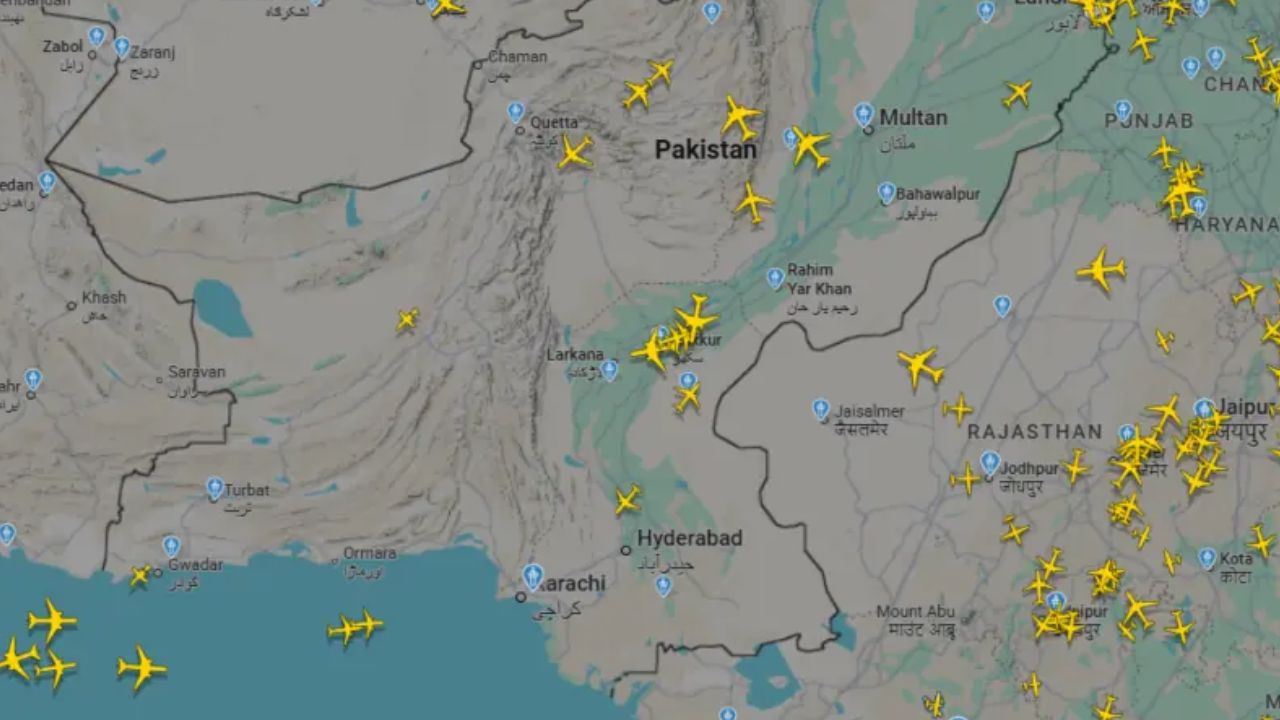
    In its statement, the PAA said NOTAM A0134/26 did not indicate a closure of national airspace and referred to the temporary unavailability of certain Air Traffic Service (ATS) routes during designated hours.

    According to the authority, specific ATS routes within the Karachi and Lahore Flight Information Regions are unavailable every day from 9 am to 3 pm.

    It also said alternative routes and airports remained operational and that scheduled commercial activity, including arrivals, departures and overflights, continued.

    The PAA said misinterpretation of NOTAMs and unverified reports could lead to confusion and urged the public and media to rely on official sources.

    A day earlier, reports had stated that certain routes in the Karachi and Lahore Flight Information Regions were suspended during specified hours, citing the regional situation.

    The reports also claimed that air cargo operations were halted and that more than 500 flights departing from and arriving at airports across Pakistan were cancelled.

    Flights from Lahore, Karachi, Islamabad, Peshawar, Quetta, Faisalabad and Multan operated by PIA, private carriers and foreign airlines to destinations including Bahrain, Kuwait, Qatar, Sharjah, Dubai, Turkey, Iraq and Iran were reported cancelled.

  • Fakhar Zaman ruled out of Bangladesh ODI series

    Fakhar Zaman ruled out of Bangladesh ODI series

    Pakistan’s aggressive opening batter Fakhar Zaman will miss the upcoming One Day International series against Bangladesh, media reports have stated.

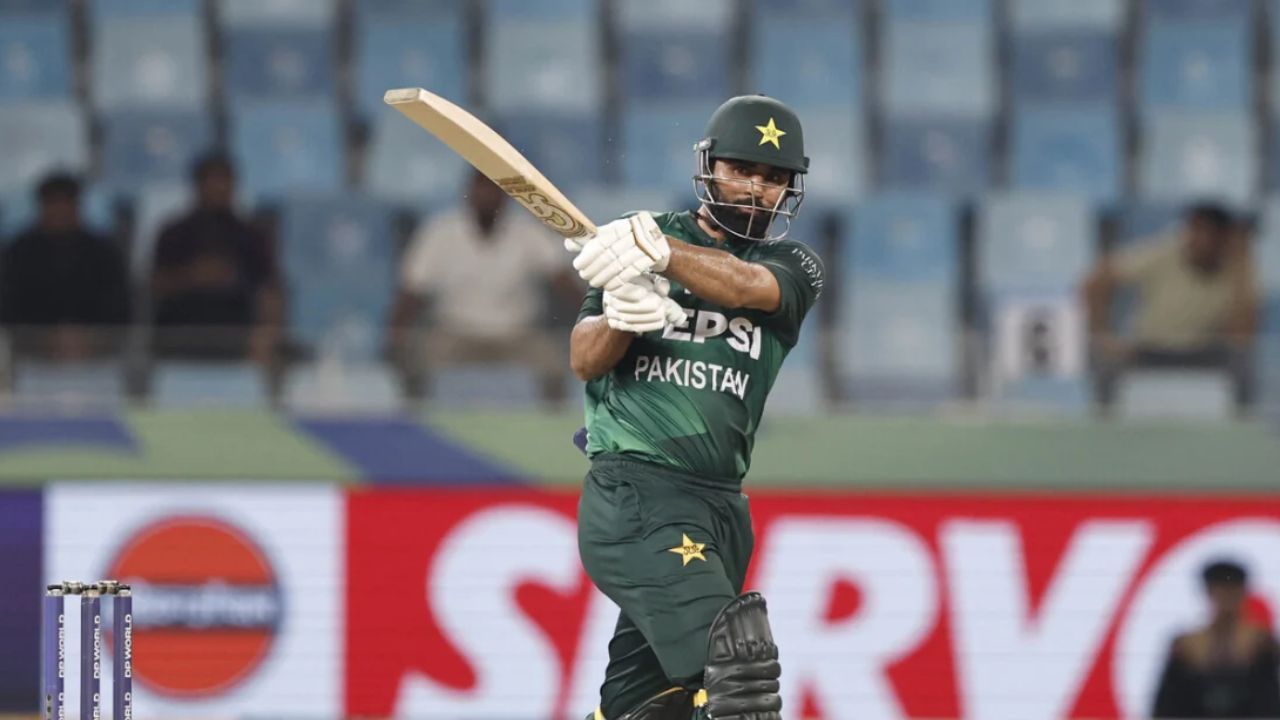
    Fakhar suffered a hamstring injury during the Men’s T20 World Cup match against Sri Lanka, where he played an attacking innings. The injury ruled him out of Pakistan’s tour of Bangladesh.

    Reports say Fakhar will begin his rehabilitation program at the National Cricket Academy as he works on regaining full fitness.

    Pakistan will tour Bangladesh later this month for a three match ODI series. The Pakistan ODI squad will arrive in Dhaka on March 9 and take part in a practice session on March 10. 

    The first ODI will take place on March 11, followed by the second match on March 13 and the third on March 15. All three matches will be played at the Sher-e-Bangla National Stadium.

    This will be Pakistan’s second tour of Bangladesh since July 2025. Bangladesh won the T20 International series played in July 2025. Earlier, in May and June 2025, Bangladesh toured Pakistan, where the hosts won the T20 International series 3-0 under the captaincy of Salman Ali Agha.

    Media reports have also pointed out that regional tensions could affect Pakistan’s tour of Bangladesh. 

    According to reports, selectors may include more young players in the ODI squad to build a stronger team. 

    Reports suggest that underperforming players from the T20 format could be dropped, while the management considers giving chances to youngsters in place of players such as Saim Ayub, Babar Azam, and Mohammad Nawaz.