Author: News Desk

  • Posters we love on ‘Haya Day’

    Posters we love on ‘Haya Day’

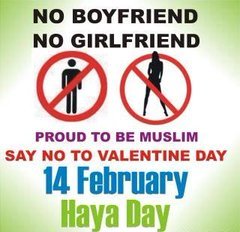
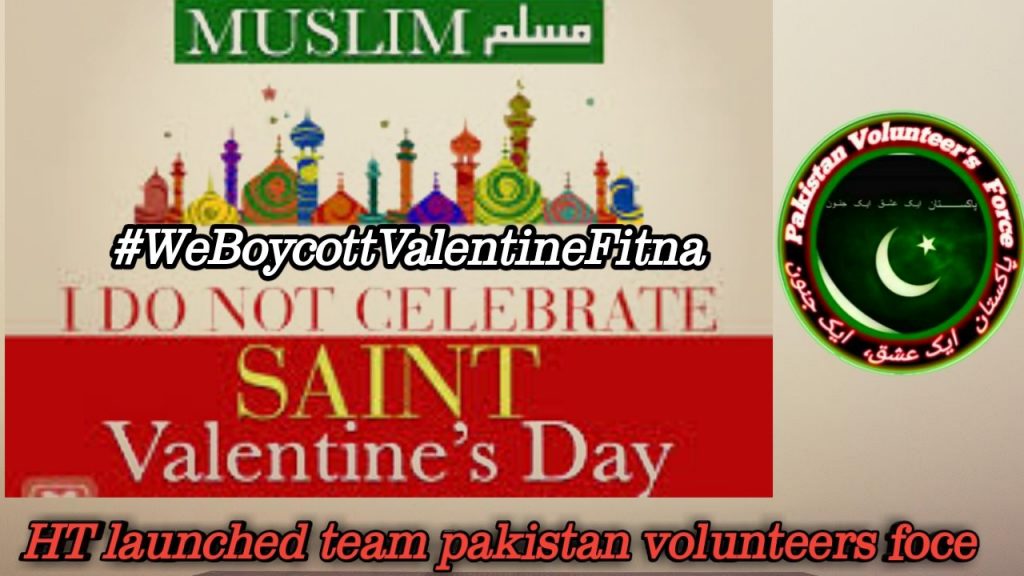
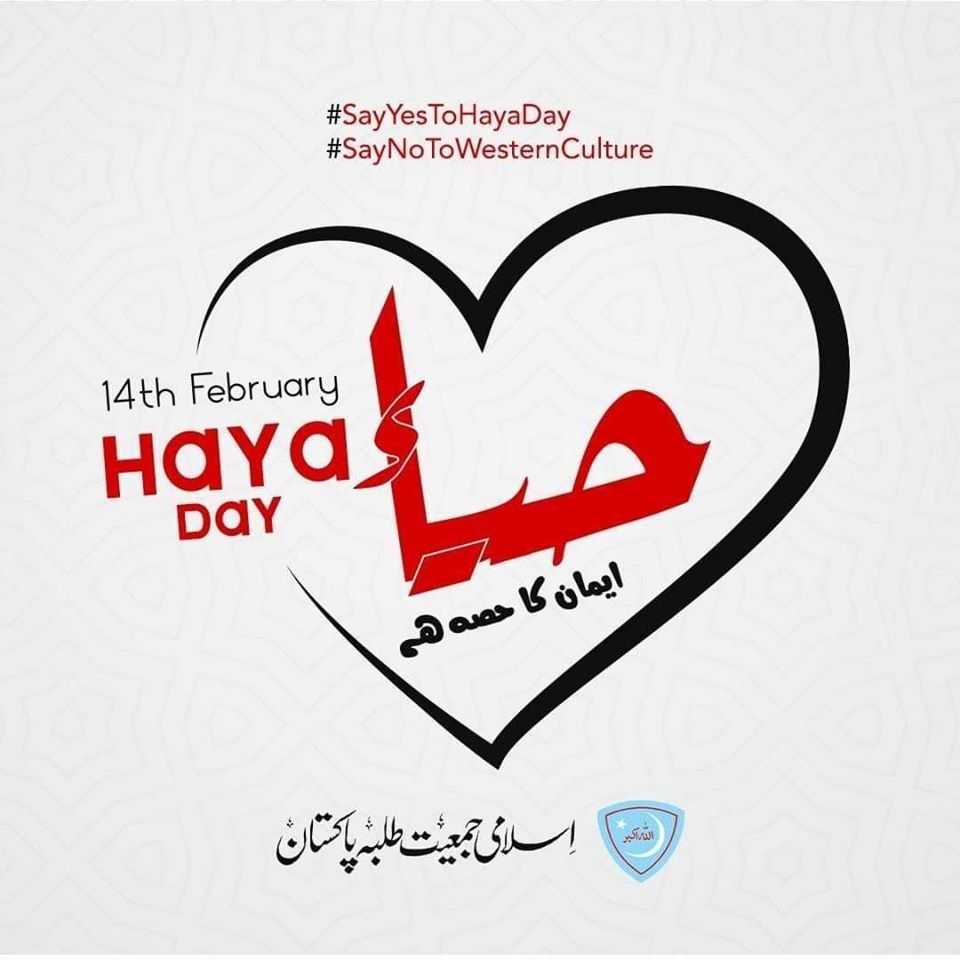
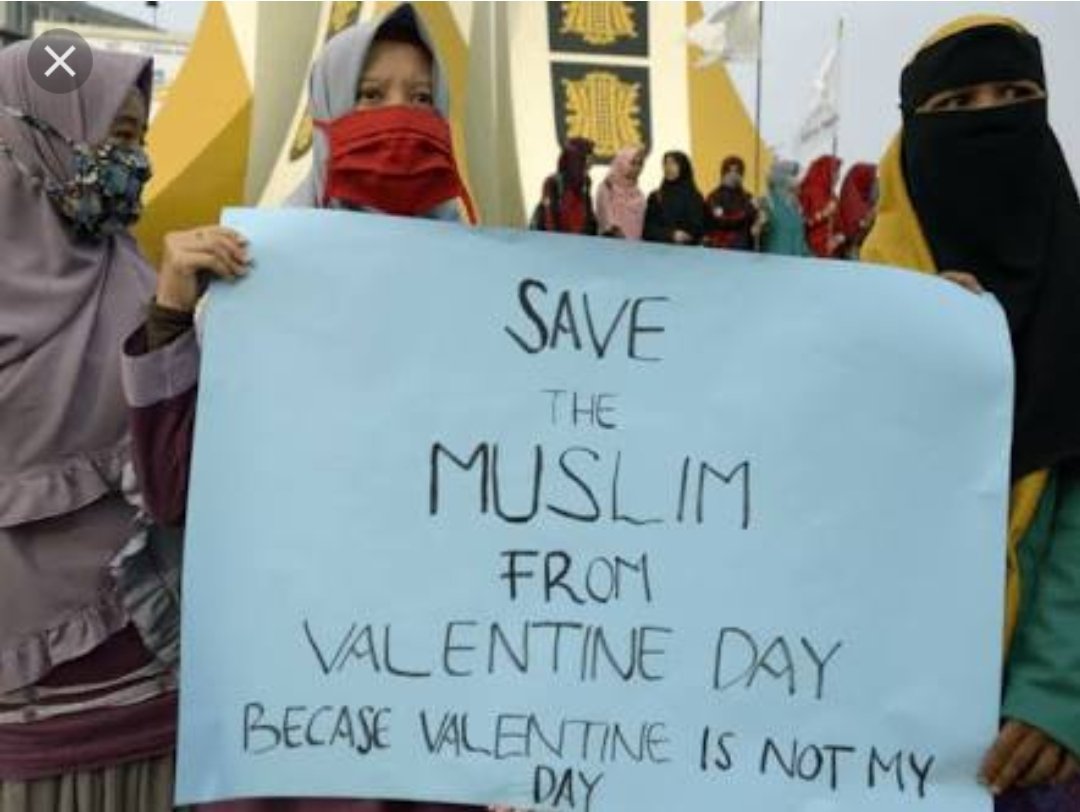
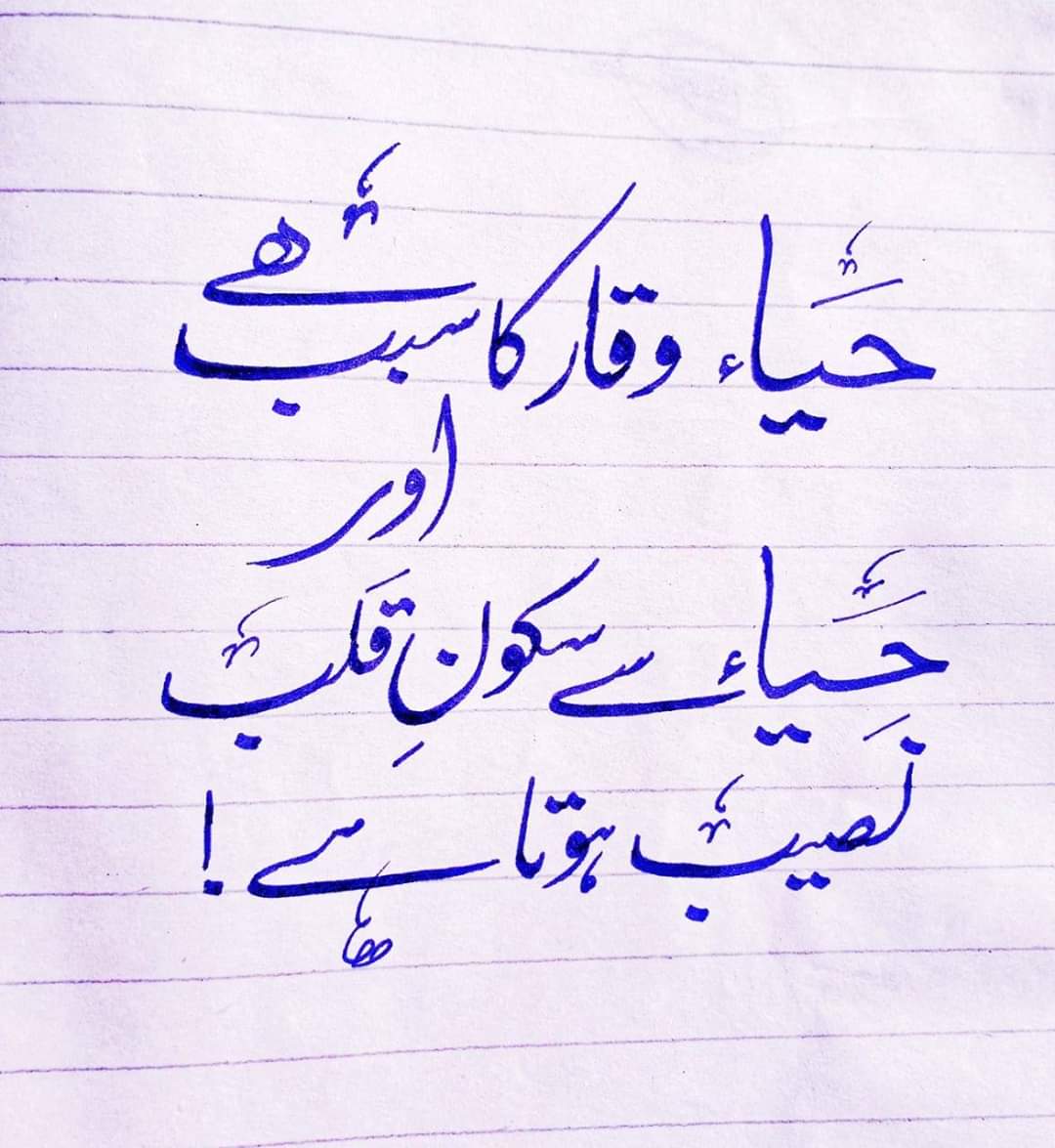
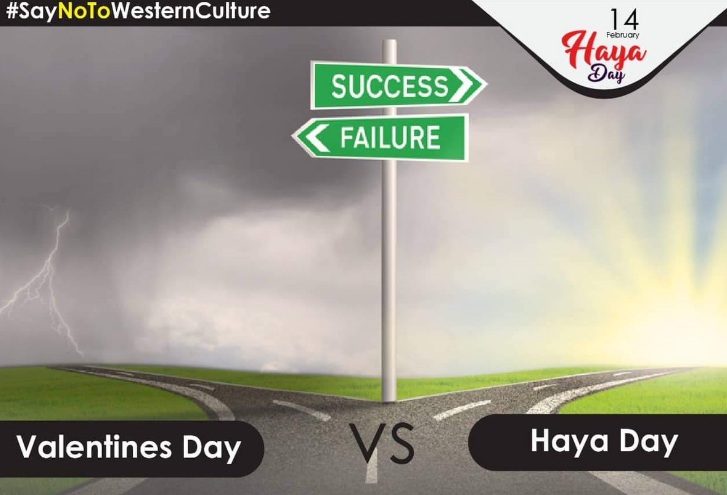
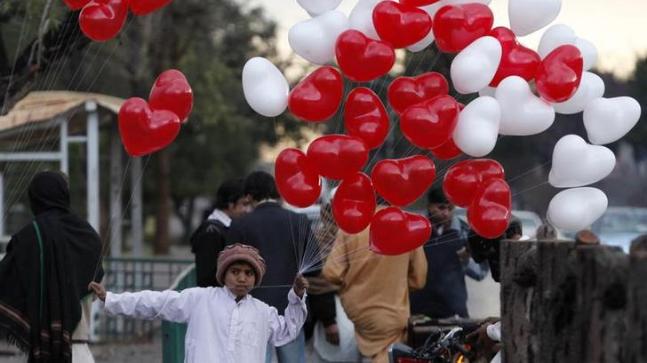
    As the world celebrates Valentine’s Day today on February 14, Pakistanis are calling for the day to be celebrated as ‘Haya Day’. A group of people started this to boycott Valentine’s Day because they think that it is against our norms and culture many people joined them in the cause.

    Here are the posters we love for ‘Haya Day’:

  • ‘When in Pakistan, I feel like I am at home,’ Turkish president tells parliament

    ‘When in Pakistan, I feel like I am at home,’ Turkish president tells parliament

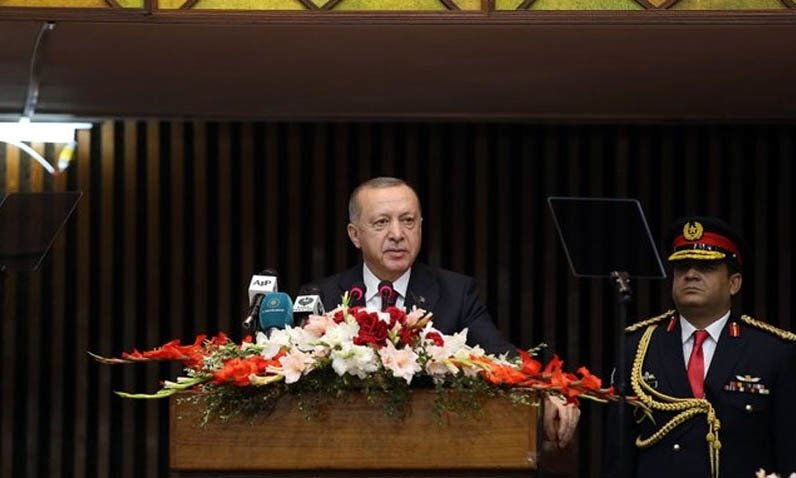
    Turkish President Recep Tayyip Erdogan on Friday thanked the people and leadership of Pakistan over the warm welcome he was accorded upon arrival, adding that while in Pakistan, he felt like he was at home.

    “It is my pleasure to speak to you. I am thankful to you for giving me the opportunity to address this house. While in Pakistan, I feel like I am at home,” he said while addressing a joint session of the parliament.

    Vowing unflinching support for Pakistan on the issues related to anti-terror financing and the illegal annexation of occupied Kashmir by India, Erdogan also said that he was thankful and happy to have had the opportunity to address the joint session of the parliament in Pakistan. “I am thankful for this opportunity. I am thankful to each of you individually for allowing me to address this joint session of Parliament,” he said.

    According to Geo, Erdogan also said that Pakistan and Turkey’s relations were admirable for others. “During difficult times, Pakistan has supported Turkey. Our friendship is based on love and respect. Pakistan’s pain is our pain.”

    Speaking about the issue of occupied Kashmir, the Turkish president said that Indian-occupied Kashmir (IoK) meant to Turkey exactly what it had meant to Pakistan over the years. “The relationship between Pakistan and Turkey will continue in the future as it has in the past,” he added.

  • Saudi Arabia observes first legal Valentine’s Day

    After decades of marking the practice as forbidden, the Kingdom of Saudi Arabia is observing its first legal Valentine’s Day by selling and buying gifts, flowers and chocolates, which was not thought possible until a few years ago due to the strict laws deeming the same un-Islamic.

    According to Middle East Monitor, the once-feared religious police used to ensure that the laws forbidding the celebration were strongly enforced, but that was before they were disbanded and their powers of arrest were stripped from them. Store owners were previously obligated to hide red roses and chocolates on the day, and restaurant owners were pressured to ban birthday and anniversary celebrations on February 14.

    The main turning point in the kingdom’s decision came in 2018, when the former president of Makkah’s Commission for the Promotion of Virtue and the Prevention of Vice (CPVPV) Sheikh Ahmed Qasim Al-Ghamdi declared that the celebration of Valentine’s Day did not actually contradict Islamic teachings. According to him, the celebration of love was a universal phenomenon and not limited to the non-Muslim world.

    The legalisation of the public celebration of Valentine’s Day – rooted in the Roman pagan festival celebrating and honouring fertility – comes amid the recent liberalisation of traditional social conventions within the kingdom and the reforms being carried out by Crown Prince Mohammed Bin Salman in order to “modernise” the country.

    While bin Salman has made headlines across the world after promising the kingdom will return to a “moderate” form of Islam, he also guarantees a brighter future for his people as he promotes modernisation plans to wean the country off oil, attract foreign investment and diversify the economy.

    2017’s royal decree allowing women to drive was an equally eye-catching element of bin Salman’s national makeover. It certainly makes sense economically, as it boosts female participation in the workforce, and women can now also go to sports stadiums.

  • Pakistan, Turkey sign trade, investment MoUs

    To increase economic engagement and mobilise the untapped potential for trade and investment, Pakistan and Turkey have signed two memorandums of understandings (MoUs), Dawn reported.

    The two MoUs include one on trade facilitation and customs cooperations, while the second pertains to reinforcing cooperation in the field of halal accreditation. The two sides agreed to explore the possibilities of enhancing bilateral trade for the mutually beneficial market access and trade facilitation.

    Read moreFreelancers payment limit raised to Rs. $25,000: State Bank of Pakistan

    Both sides also agreed to encourage their businessmen to establish joint ventures in industrial sectors and cooperate in the field of e-commerce.

    Read moreNew survey reveals Pakistani businesses positive about future

    Both have the potential to explore possibilities of investment opportunities in defence industry, food processing and packing, automotive industry and auto-parts, household appliances, construction material, textiles, leather machinery and finished products, sports goods and surgical instruments.

  • ‘Three Pakistanis diagnosed with coronavirus have been cured’

    ‘Three Pakistanis diagnosed with coronavirus have been cured’

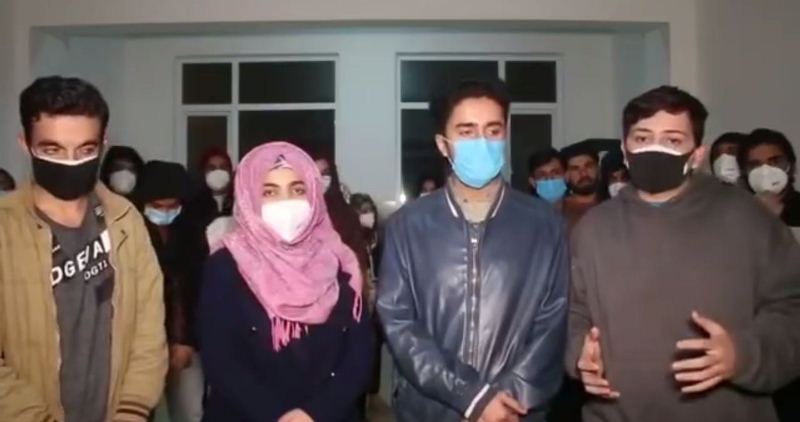
    Three Pakistani students diagnosed with coronavirus in China have been cured, the Chinese embassy in Pakistan has said.

    “We are pleased to learn that three Pakistani citizens affected by coronavirus in China have been cured and discharged from hospitals in Guangzhou and Shenzhen of Guangdong province,” the Chinese mission in Pakistan tweeted Wednesday.

    “All the best to them! Thank you, medical team in China,” it added, tagging Pakistan’s Ambassador to China, Naghmana Hashmi, and Special Assistant to the Prime Minister (PM) on Health, Dr Zafar Mirza.

    No further details of the students, however, were shared by the mission.

    According to The News, Dr Mirza had in January announced that four Pakistani students in China were tested positive for the coronavirus at a press conference in Islamabad. At that time too, the SAPM had refused to share the names of the affected students with the media.

    “The government will take good care of the students who have contracted the virus,” he had said at the presser.

    The death toll from China’s coronavirus epidemic climbed past 1,100 on Wednesday but the number of new cases fell for a second straight day, raising hope the outbreak could peak later this month.

    As Beijing scrambles to contain the outbreak, the number of people infected on a cruise ship off Japan’s coast rose to 174 — the biggest cluster outside the Chinese mainland.

    Another 97 people died in China, raising the national toll to 1,113, while more than 44,600 people have now been infected by newly named COVID-19 virus.

  • Pakistani scientist is working on the world’s first eco-friendly aircraft engine

    Pakistani scientist is working on the world’s first eco-friendly aircraft engine

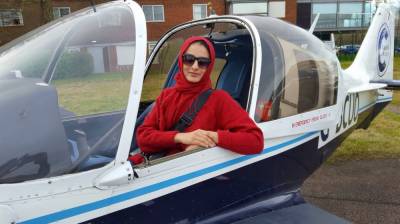
    A female aerospace engineer from Pakistan is developing a pollution-free engine for airplanes that will reduce global warming and induce artificial rain during flight. It is expected to be ready between mid-to-late 2020.

    The technological marvel’s inventor Dr. Sarah Qureshi has been working on the task since 2018 to eradicate the negative impact of commercial air carriers on the stratosphere (second major layer of Earth’s atmosphere) that adds to global warming.

    In an interview with an international news outlet, the Pakistani scientist explained the contrail phenomenon.

    “You see,” she said, “When an airplane flies; cloud-like contrails are formed. These clouds are water vapors frozen around small particles (aerosols) that exist in aircraft exhaust. These clouds blanket the atmosphere with emissions from planes, contributing to global warming.”

    The engine will have a unique pressure-based condensation system, which will cool the water vapors in the aircraft exhaust. This water will remain on the airplane and can be released as rain as required.

    An environmentalist at heart, Qureshi turned her academic research at Cranfield University, UK, into a save-the-planet attempt and boarded on a mission to build the world’s first pollution-free jet engine.

  • Dating in Saudi Arabia

    Dating in Saudi Arabia

    In Saudi Arabia’s rigid past, religious police once swooped down on rose sellers and anyone peddling red paraphernalia around Valentine’s Day, but now a more open – albeit risky – dating culture is taking root.

    Pursuing relationships outside of marriage in the conservative Islamic kingdom once amounted to a death wish, and would-be Romeos resorted to pressing phone numbers up against their car window in hope of making contact with women.

    Now a sweeping liberalisation drive – which has rendered the religious police toothless and allowed gender mixing like never before – has made it easier for young couples to meet in cafes and restaurants. Well-heeled millennials also hunt for romantic liaisons via Twitter and Snapchat, and apps such as Swarm – designed to log places the user visits but often repurposed to look for dates.

    “Selling red roses was like selling drugs,” one young Saudi filmmaker told AFP, sitting in a music-filled Riyadh cafe with his girlfriend while a courting couple gazed into each other’s eyes on the next table.

    “Even this was once unthinkable – a woman sitting next to an unrelated man,” said the girlfriend, a media professional. “Now women are asking men out.”

    Pre-marital relationships remain a cultural minefield though in a country steeped in Islamic tradition and where matchmaking is typically overseen by family elders, forcing couples to keep unsanctioned romance under wraps.

    Secrets and lies

    Samirah, a 27-year-old finance executive in the Saudi capital, felt a flutter of nerves when her boyfriend’s mother stumbled upon a handwritten birthday card and gift she gave him – and that risked her own family finding out.

    In a society where family honour is often tied to female chastity, the revelation would have provoked fury from her family and jeopardised their months-long courtship that began through common friends.

    Her boyfriend managed to deflect his mother, but the scare prompted the young couple yearning for more freedom to plan a forbidden rendezvous – a long weekend in Dubai disguised as a business trip.

    “Saudi society is more open, but everyone lies about relationships because people are judgemental,” said Samirah, who like other interviewees requested that her real name be withheld.

    Crown Prince Mohammed bin Salman, the millennial heir to the Saudi throne, has loosened social norms in a seismic cultural shift away from hardline Islam, allowing cinemas and parties while reining in clerics opposed to events like Valentine’s Day.

    In scenes unimaginable until just two years ago, women have been seen swaying on the shoulders of men at music concerts as the kingdom tears down the walls of sex segregation.

    But while the religious police have stepped back, the internal policing within Saudi families and society at large has not stopped, highlighting the limits of a Western-style liberalisation drive in a deeply conservative country.

    Saudi women also bridle at pervasive sexism in a society that — despite undergoing change particularly in urban areas — some say reduces them to their future role as wives and mothers.

    Sex outside of marriage remains a criminal offence in most of the Arab world, and the restrictions also fuel the risk of blackmail.

    “It is a big concern if you break up on bad terms,” said Samirah. “Women live in terror: What if he recorded photos and videos of me? What if he tells my father? What if he lands up at home?”

    Modern romance is also perilous for men — getting a hotel room can cause huge anxiety as couples are often expected to prove they are married at check-in.

    Nasser, a 25-year-old advertising professional, said last year one of his friends was caught kissing his girlfriend inside a private booth in a Riyadh restaurant.

    The restaurant manager threw open the screens and started filming them while shouting: “This is haram!” or un-Islamic.

    “Sometimes the only safe place to date is in your car,” Nasser lamented. “Dating is full of risks.”


  • Sajid Javid resigns ‘on principle’ after tensions with British PM

    Sajid Javid resigns ‘on principle’ after tensions with British PM

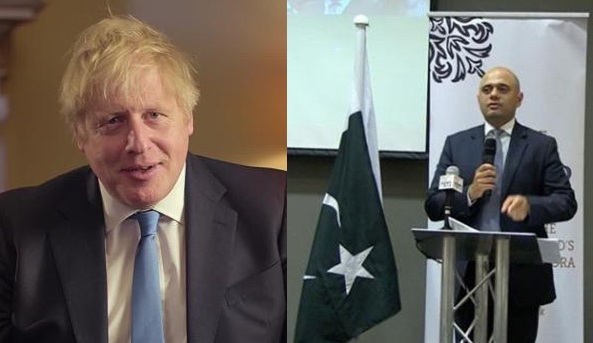
    British Conservative Party leader of Pakistani origin, Sajid Javid, has resigned as chancellor of the exchequer as Prime Minister (PM) Boris Johnson carries out a post-Brexit cabinet reshuffle.

    According to BBC, Javid rejected an order to fire his team of aides, saying “no self-respecting minister” could accept such a condition.

    He had been due to deliver his first budget in four weeks’ time.

    The former home secretary was appointed chancellor by Johnson when he became PM in July.

    His resignation follows rumours of tensions between Javid and the British premier’s senior adviser Dominic Cummings. “He has turned down the job of chancellor of the Exchequer,” the report quoted a source close to Javid as saying.

    “The PM said he had to fire all his special advisers and replace them with Number 10 [10 Downing Street, the headquarters of the UK government] special advisers to make it one team. The chancellor said no self-respecting minister would accept those terms.”

    Javid has been replaced by Rishi Sunak.

    Sunka may enact a looser monetary policy, in line with Johnson’s promises to spend on infrastructure. That would allow the Bank of England to step back with monetary easing, thus supporting the pound.

  • ‘.com’ domain prices to hike after 8 years

    ‘.com’ domain prices to hike after 8 years

    Domain prices for ‘.com’ are expected to rise by seven percent this year. The price has been static for the last eight years at $7.82 (Rs 1,212).

    According to reports, the proposal for an increase in domain prices was submitted in 2018. However, the matter only came to light now because the Internet Corporation for Assigned Names and Numbers (ICANN), a non-profit organisation responsible for coordinating the maintenance and procedures of several databases, is close to granting the final approval for the price hikes.

    As per the proposal, the prices will increase to $13.50 (Rs 2,092).

    Why is The Price Increasing?

    Verisign, an American company that operates a diverse array of network infrastructure, recently signed a deal with the US government, which will allow the company to gradually increase domain prices.

    It is important to understand that price hikes do not come from ICANN. They are actually a result of Verisign reaching an agreement with the Commerce Department, which supervises the ‘.com’ domains.

    In a recent blogpost, ICANN’s CEO Goran Marby said that “the organisation is not a price regulator and defers to the US Department of Commerce and the US Department of Justice for the regulation of pricing for ‘.com’ registry services.”