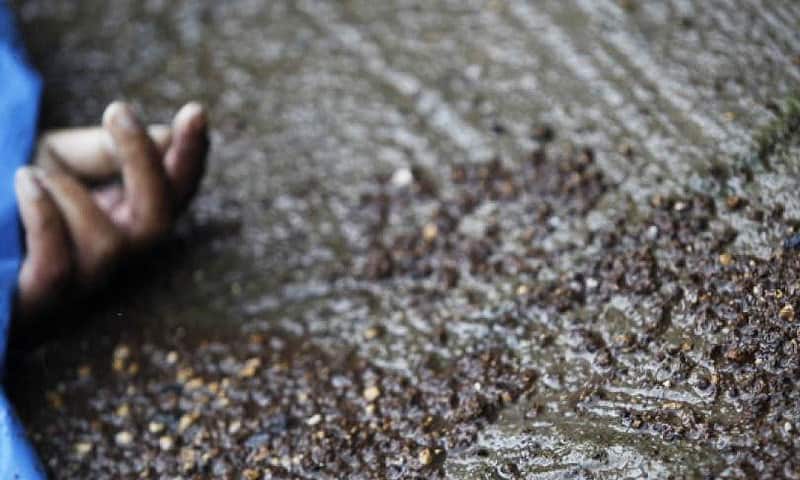
In an extremely bizarre turn of events, more and more wives in Lahore are murdering their husbands, either with their own hands or through hired killers.
According to reports, eight of such instances occurred in the last year alone. The reasons behind the murders are often stated to be domestic disputes or marital misunderstandings.
According to Senior Superintendent Police (SSP) Operations Ismail Kharak marital disputes are the main cause behind such incidents. He elaborated that abusive husbands compel women to commit such crimes.
“The story usually revolves around the husband being unjust and abusive to his wife. In some cases, the woman’s marriage takes place against her wish due to factors such as poverty,” he said.
He added that in some instances, cheating or second marriage is the reason behind the murders, while substance abuse and addiction is also a cause.
A lawyer pointed out that women get frustrated when the law doesn’t protect them and their husbands are not punished for their actions which is why they decide to take the law in their hands.
Meanwhile, a religious scholar said that one of the reasons for a rise in such incidents is a lack of moral values. He added that parents should take the wishes of their children into account at the time of marriage.
DISCLAIMER: This review is not sponsored. The Current has done its own independent research for this review.
After Pakistanis became candle crazy, different local companies started introducing their own scented candle lines as an alternative for people who were used to lugging candles from abroad to fulfill their candle needs. We tried four scented candles from different Pakistani brands to find which one has the most long-lasting smell.
Not taking how long the candle lasts or the type of smell into account, our only focus was, can you actually smell the candle for a long period of time. They rank as follows:
4. AURA
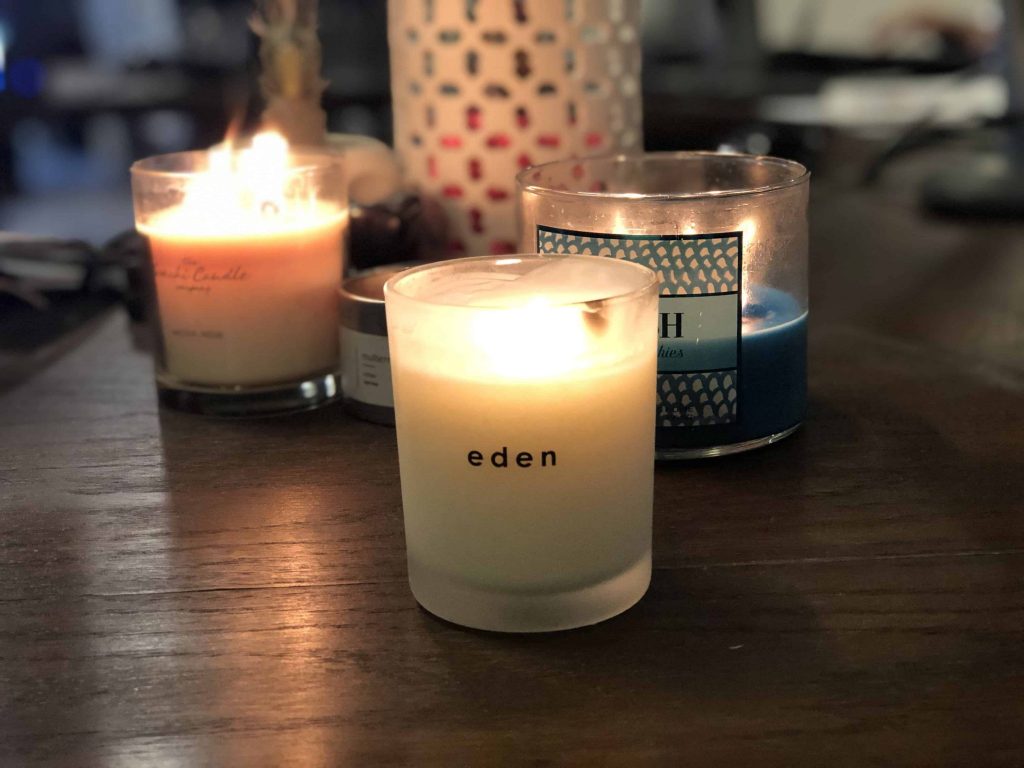
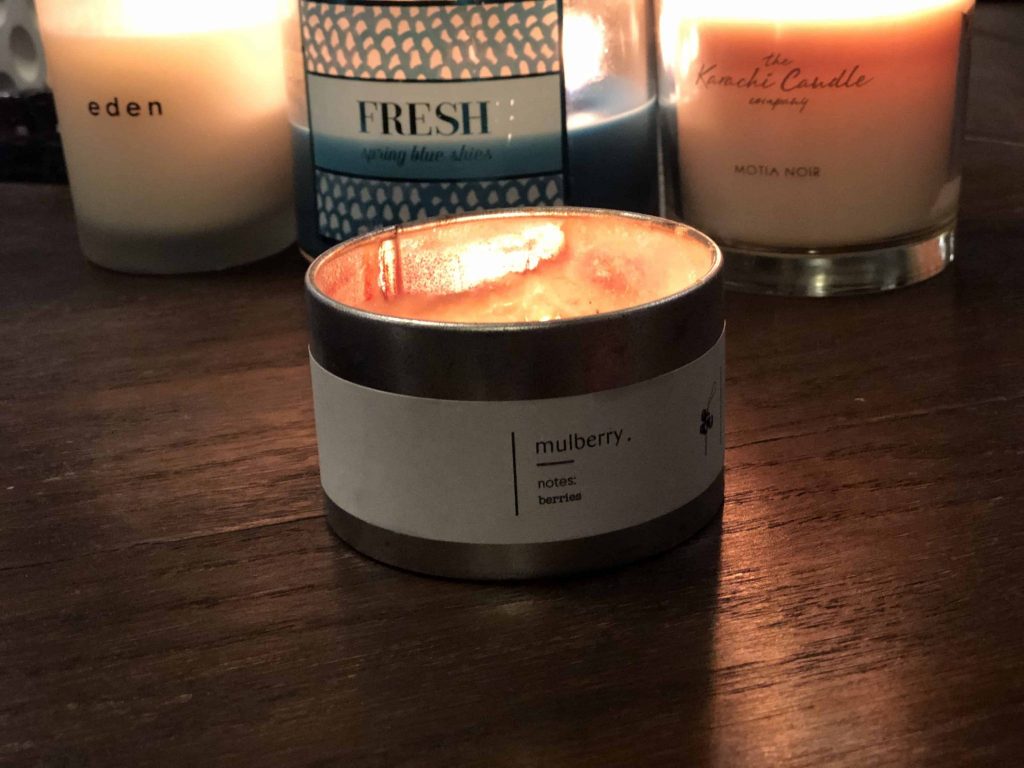
Aura, a natural, toxin-free skincare brand branched out into candles and we tried out their scented candle called Eden. Sadly, it didn’t smell of anything, despite being lit for a few hours. Sticking your nose close to the candle won’t help much either. It emits a faint scent of flowers (or are we imagining that?)
Price – Rs 700
3. BATH AND BODY WORKS
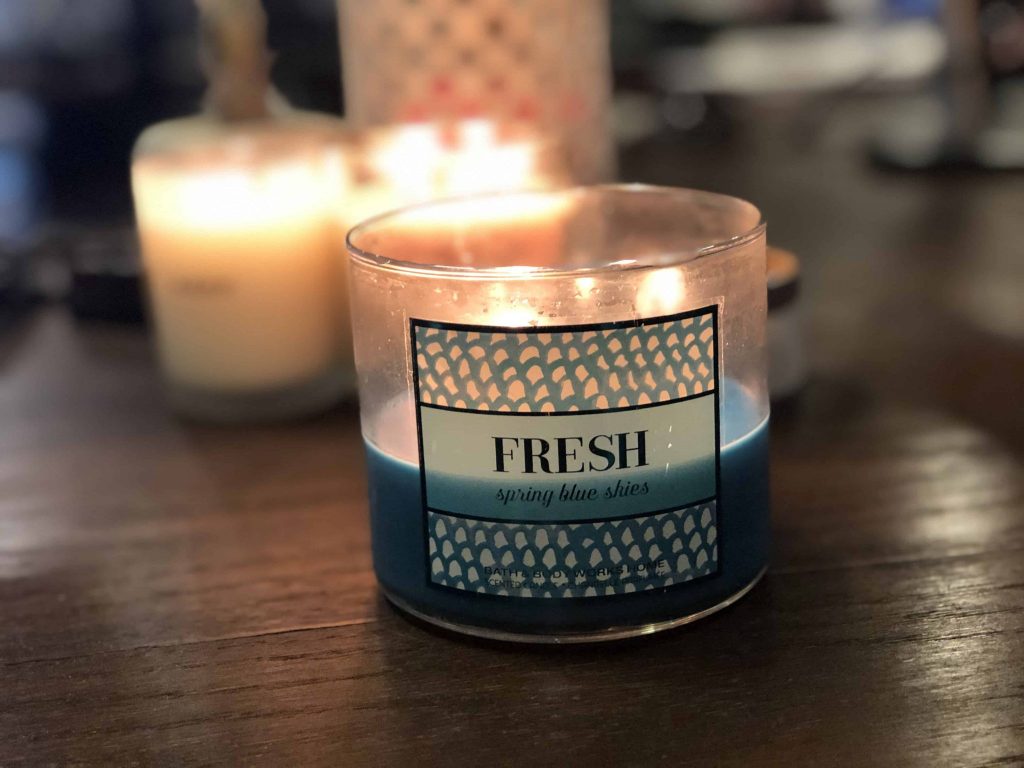
YES, believe it or not, two local candle brands outranked the foreign candle giant, Bath and Body Works. We tried out their Fresh (spring blue skies) scent and although you can smell it (and it smells a lot like the men’s cologne Aqua Di Gio and should be a huge hit with the boys) it doesn’t beat the top two.
Rs 3900 (but if you get it from abroad, its usually on sale for half price)
2. Karachi Candle Company
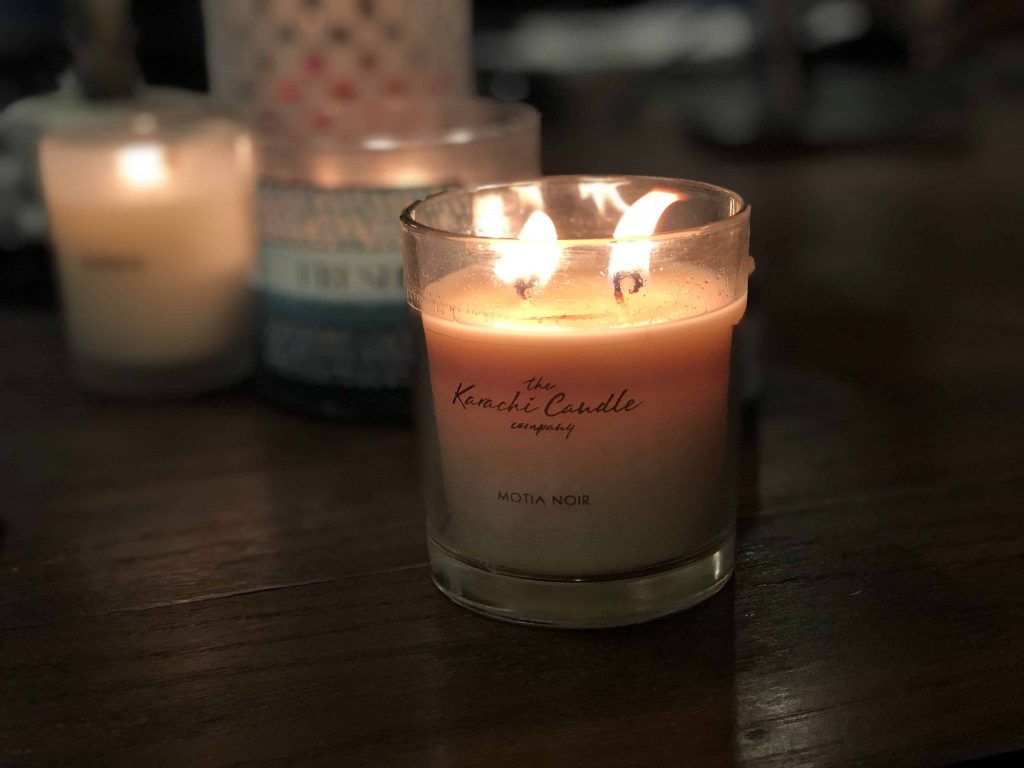
We are very sure you thought the Karachi candles would win. We were surprised by the results too. As loyal Karachi candle company followers, we love their Motia Noir scent which took Karachi (and then other cities) by storm. It smells exactly of Karachi Jasmine nights and lingers and lasts for a long time.
Price – Rs 2000
1. Meem
A young company, we bought the candle on a whim, after hearing murmurs of how good their Mulberry scent was. It smells exactly like bubble gum and can fill an entire office space with its scent. Strong and powerful, Meem is not one for the weak and lives up to its promise. We can’t wait to try other scents from them.
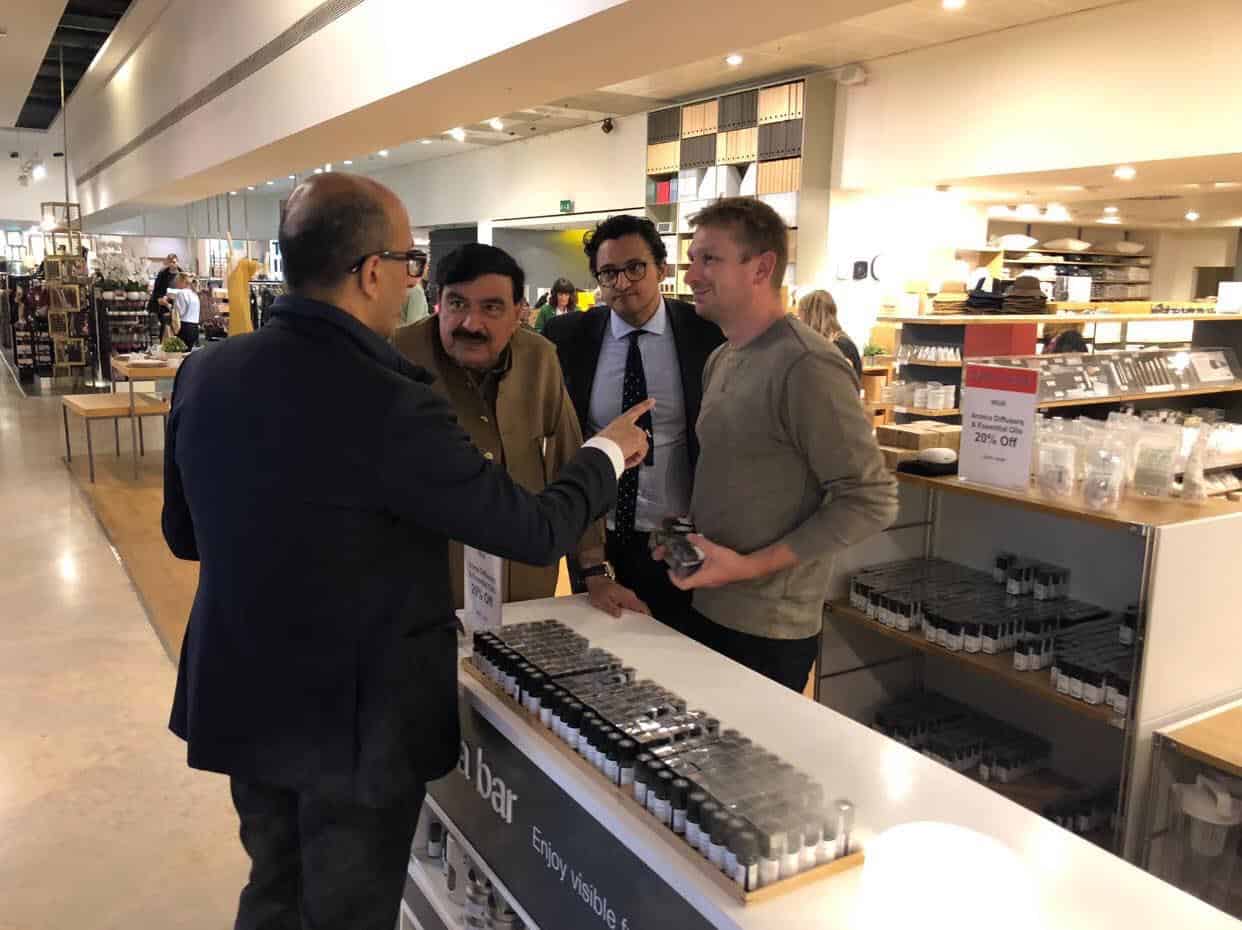
Federal Minister for Railways Sheikh Rasheed was spotted buying what looks like aromatherapy essential oils with PM Imran Khan’s buddy Aneel Mussarat in London. While we don’t exactly know what he bought we can recommend oils we think would work best for his personality and job.
Sandalwood Oil
Used to calm nerves. Sheikh was in big trouble after the Railway’s Rs 28.62 billion loss was made public. So he could do with something to calm his nerves.
Lavender Oil
Helps with stress relief. Opposition parties were asking for Sheikh’s resignation after 80 train accidents took place in his first year.
Rosemary Oil
Helps with focus. We all need more of Sheikh’s famous predictions.
Acricket umpire has died one month after being hit on the head by a ball during a domestic match, BBC has reported.
Mr. Williams was supervising a
Pembrokeshire County Division 2 match between Pembroke and Narbeth when he was
hit by a ball.
He was taken to a hospital and was later rushed to the University Hospital of Wales in Cardiff when he was in an induced coma. Williams was transferred to Withybush Hospital in Haverford west on August 1 where he died two weeks later.
After the tragic death of
Australian cricketer Phillip Hughes in 2014, safety concerns in cricket have
been under surveillance. Hughes was hit on the head by a Sean Abbott bouncer
during a native game. He went into a coma and never recovered consciousness.
The much-awaited second season of Netflix’s Sacred Games was
dropped on Indian Independence Day, and if you want us to save you some time…
we’re disappointed.
It isn’t easy to be divided between watching Ganesh Gaitonde
(Nawazuddin Siddiqui) back in action and sticking to the idea of shunning Indian
productions at a time when Pakistan and India aren’t the best of friends.
However, having watched the eight-episode series, we can
guarantee that you won’t miss out on anything as great as the first season, in
case you’re planning not to watch it.
Expanding beyond the novel by Vikram Chandra, the second season has left us disillusioned of Anurag Kashyap and co.’s ability to do wonders.
To quickly recap the first season, because Netflix won’t, Sacred Games is one drawn-out game of cat-and-mouse between notorious Mumbai gangster Gaitonde and his chosen police mark, Sartaj Singh (Saif Ali Khan), trying to figure out the former’s dastardly (and as-yet-unknown) plans set in motion.
SPOILERS AHEAD!
The second picks up halfway through the 25 days left to save
Mumbai from uncertain calamity. Singh dives back into the investigation,
following a trail that points to nuclear weapons, terrorism and Gaitonde’s link
to Khanna Guruji (Pankaj Tripathi).
Gaitonde, still narrating to Singh but actually to us, calls Guruji his third father, to whom he and so many others are drawn like moths to a flame.
But, as one could’ve imagined (keeping in view flashbacks and
those mysterious mandalas from the first season), the ashram is actually a cult
and its leaders the liaisons between Gaitonde’s drug trade and the weapons
Singh suspects will be used to attack Mumbai over a decade later.
Just after the new twists are registered – and half the season is gone – one starts waiting for things to get as interesting as promised by cast members time and again. You start looking forward to something big enough for the season to beat its predecessor… and in all honesty, to make sense.
It isn’t later you realise that Sacred Games has successfully
pulled a Game of Thrones and disappointed you more than Gaitonde was upon realising
how Guruji deceived him as a pawn, for his own plans to create a “new world”.
All this remains the tip of a story lost somewhere between
juggling too many balls – crowing Singh as the hero, unnecessary exaggeration,
Pakistan being portrayed as the villain, gang wars, Soviet-Afghan War, 9/11 and
26/11 attacks and so much more.
Without spoiling the not-so-much a cliffhanger finale, it’s safe to say that both Gaitonde and the show might have lost the legacy which followers strived to honour after the first season (and we don’t really mind).
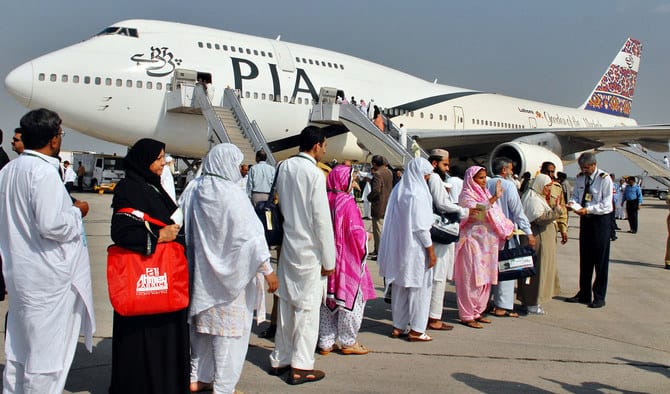
Pakistan International Airlines (PIA) has earned a revenue of Rs7-8 billion from Hajj operations against the anticipated figure of Rs25 billion, The Express Tribune reported.
According to reports, around 250,000 people went to perform Hajj from Pakistan this year. Out of the total number of pilgrims, PIA flew more than 82,000 pilgrims, which is 20% more than previous year’s 68,000.
PIA and Saudi Airlines, being major services, covered around 100,000 Pakistani pilgrims, while the remaining pilgrims were carried by Airblue, Etihad, Emirates and others.
Further details reveal that the Hajj package offered by the government this year cost around Rs400,000 while privately undertaken pilgrimage has no upper limit and can go up to Rs3 million.
Meanwhile, the ticket prices from Lahore, Islamabad ranged from Rs110,000 to Rs150,000 and tickets from Karachi airport cost between Rs100,000-Rs105,000.
DISCLAIMER: This review is not sponsored. The Current has done its own independent research for this review.
Looking to buy a fridge? Which one is the most popular in Pakistan? We compare two – Dawlance and Kenwood – that are the most popular in your city. According to our research, Orient, PEL and Haier are also very popular but salespeople at local stores claim that these two are the ones which are most commonly bought.
The table below gives a brief outline of the two fridges.
Dawlance
Kenwood
Rs 33,000 – 55,000
Rs 45,000 – 65,000
Service Centres: 4 in Karachi, 2 in Lahore
Service Centres: 4 in Karachi, 3 in Lahore
3-way cooling
Unbreakable models
Works on low voltage
Best in load shedding
Warranty – 12 years
Warranty – 3 years
Because of its services, price and warranty time period, Dawlance emerges as a winner.
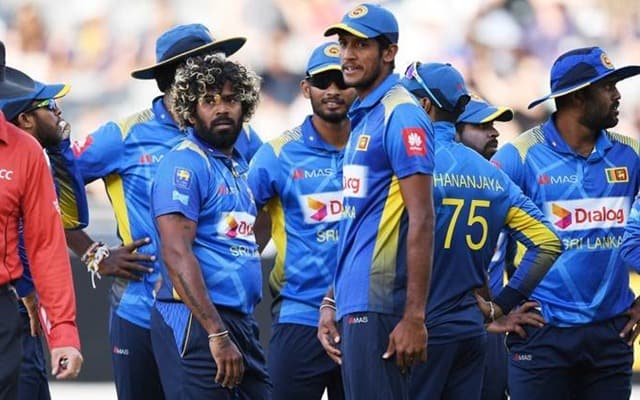
The Sri Lankan cricket team, despite its bitter experience of the past, has agreed to play a Test series in Pakistan, a private media outlet reported Saturday.
According to reports, the decision was taken after a security delegation from Sri Lankan Cricket (SLC) visited Pakistan from August 7 to 9 to evaluate the security conditions in the country.
The security team visited three major cities, including Lahore, Karachi and Islamabad.
PCB’s director for international cricket, Zakir Khan, and the head of security, Colonel Asif Mehmood, briefed the security team about the arrangements being made at the stadium for the series.
The team was assured of foolproof security for the guest team during its visit to Pakistan.
SLC Secretary de Silva thanked Pakistan for inviting them for security assessment and said: “We had a very fruitful discussion and briefing about the arrangements being made for the test match here.”
Earlier, PCB had invited the Sri Lankan cricket team to come to Pakistan this October and play two Test matches in the country.
The series will be the first of its kind to be played in the country ever since the attack on the Sri Lankan cricket team 10 years ago.
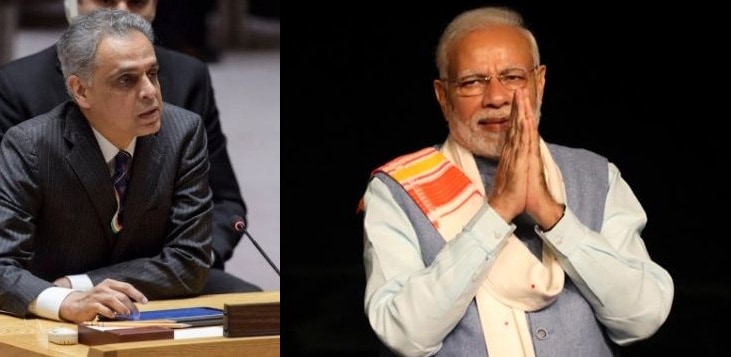
Soon after the United Nations Security Council (UNSC) held its first-ever meeting over the Kashmir issue in almost 50 years, India has backtracked on its statement and admitted that Indian-occupied Kashmir (IoK) is disputed territory.
According to The Express Tribune, facing a barrage of questions in a press briefing following the historic meeting at the UN headquarters on Friday, India’s envoy to the United Nations Syed Akbaruddin said that India was committed to the Shimla Agreement inked with Pakistan in 1972, which explicitly declares Kashmir as disputed between the two countries.
Earlier, New Delhi had regularly blocked discussion on held Kashmir at the UN, saying it considers the matter an “internal affair”.
“So let me begin by coming across to you and shaking your hand… as we’ve already extended our hand of friendship by saying we are committed to Shimla Agreement. Let us wait on that from the Pakistani side,” said the Indian ambassador while awkwardly reaching out to Pakistani journalists and shaking their hands.
WATCH VIDEO:
Responding to a question, he said: “In closed consultations at the UNSC, anyone, especially parties to the dispute, can try and throw in anything at the members of the Security Council. That’s the nature of the beast.”
“We are ready to address these issues in a matter in which states who have normal approaches to international ties address them… and in our case, we are committed to Shimla Agreement,” he added.
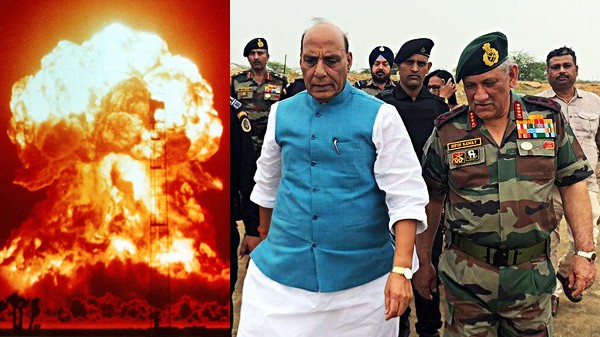
Pakistan has taken exception to Indian defence minister’s statement on the use of nuclear weapons, saying the “substance and timing of the statement was highly unfortunate and reflective of India’s irresponsible and belligerent behaviour”.
Rajnath Singh had on Friday said that New Delhi may see a major shift in its nuclear weapons doctrine by doing away with the ‘no first use’ policy in the future. ‘No first use’ is a pledge to not use nuclear weapons as a means of warfare unless first attacked by an opposition using its nuclear arms.
“Till today, our nuclear policy is ‘no first use’. What happens in future depends on the circumstances,” the Indian defence minister had said while addressing a gathering in Pokhran, the site of India’s nuclear tests in 1998.
In a subsequent tweet, Singh had added:
Pokhran is the area which witnessed Atal Ji’s firm resolve to make India a nuclear power and yet remain firmly committed to the doctrine of ‘No First Use’. India has strictly adhered to this doctrine. What happens in future depends on the circumstances.
“It further exposes the pretense of their no first use policy, to which we have never accorded any credence,” Pakistan Foreign Office said while reacting to the Indian defence minister’s statement.
“No first use pledge is non-verifiable and cannot be taken at face value, especially when the development of offensive capabilities and force postures belie such claims,” the statement read and added that Pakistan always proposed measures relating to nuclear restraint in South Asia.
“Pakistan will continue to maintain a credible minimum deterrence posture.”