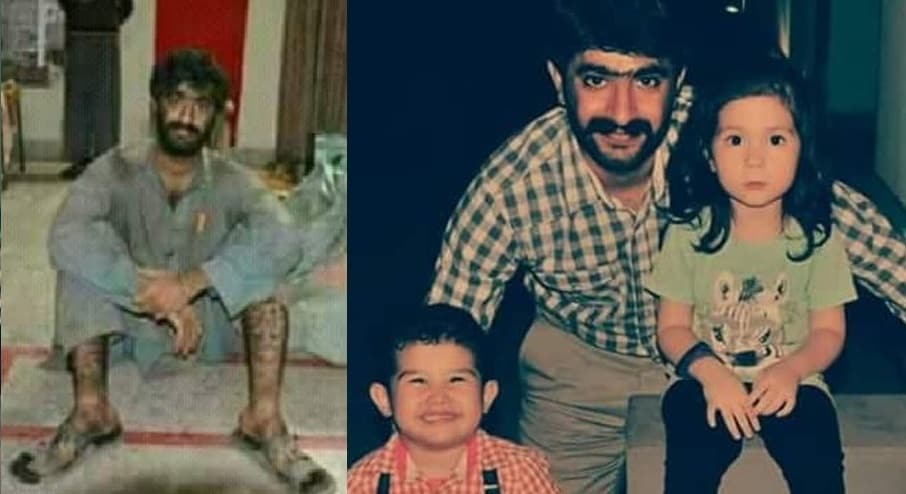
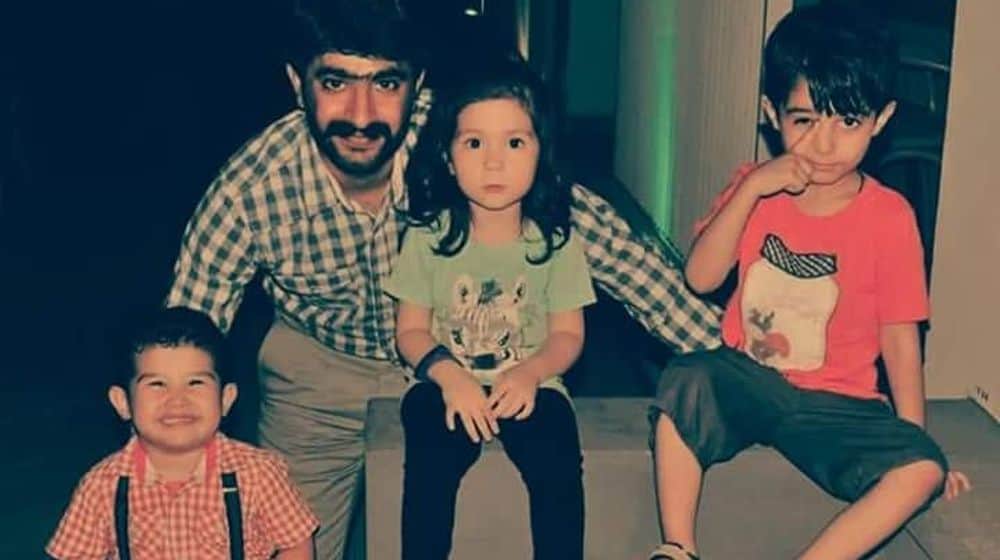
Twitter in Pakistan has burst with praise for Pakistan Army’s late Captain Qadeer Ahmed, who went undercover as a beggar for three long years to arrest Indian spy Kulbhushan Jadhav.
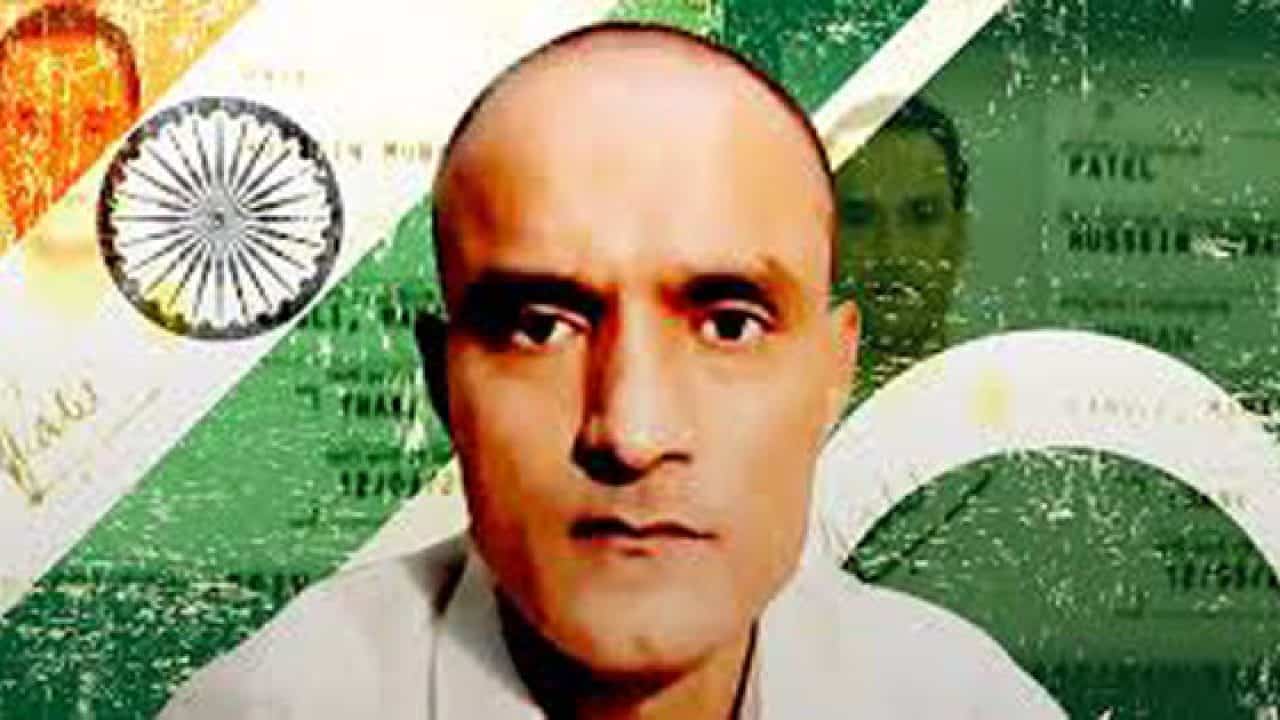
Commander Jadhav — an Indian Navy officer working for Indian covert agency Research and Analysis Wing (RAW) — was arrested on March 3, 2016, from Balochistan while entering Pakistan from Iran.
A day after the International Court of Justice’s (ICJ) verdict in the Jadhav case, Pakistanis took to Twitter to praise Capt Qadeer for his role in the Indian spy’s arrest.
According to reports, working with the Inter-Services Intelligence (ISI), Captain Qadeer spent more than three years in Balochistan as a beggar, attired in dirty tattered clothes, and kept an eye on Jadhav’s activities.
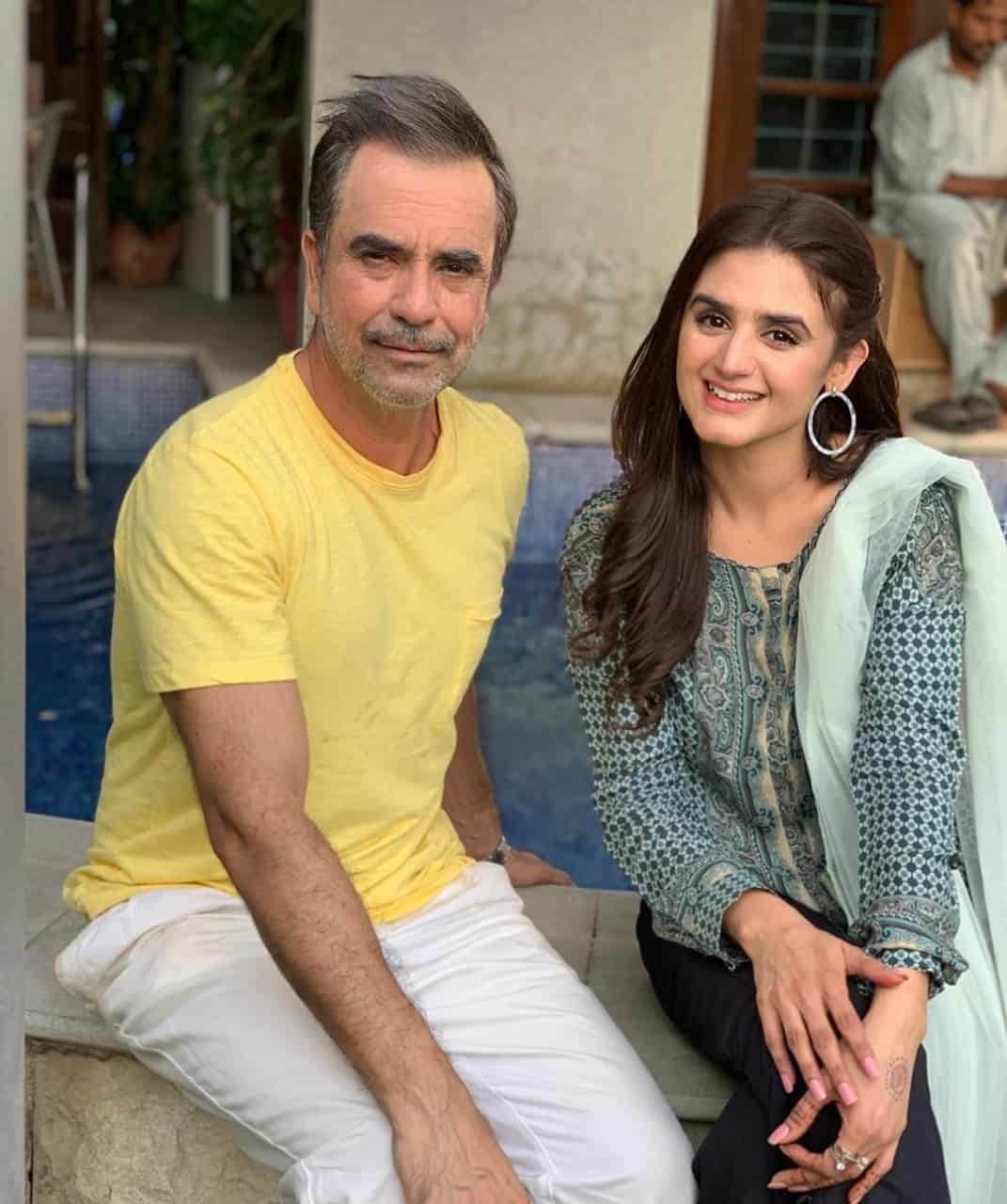
He slept on the pavement and scoured dustbins while keeping a watch. Pictures of the young captain in his beggar avatar are also doing rounds on social media.
Despite being born to a wealthy family, Qadeer chose a military career against his family’s wishes.
He passed away on June 2, 2018, while his car was on way to Khuzdar from Quetta. A female relative sitting on the passenger seat sustained injuries in the accident in Lakoran area, while the officer died on the spot.
He was reportedly on his way home from an undercover duty to see his baby daughter who was ill.
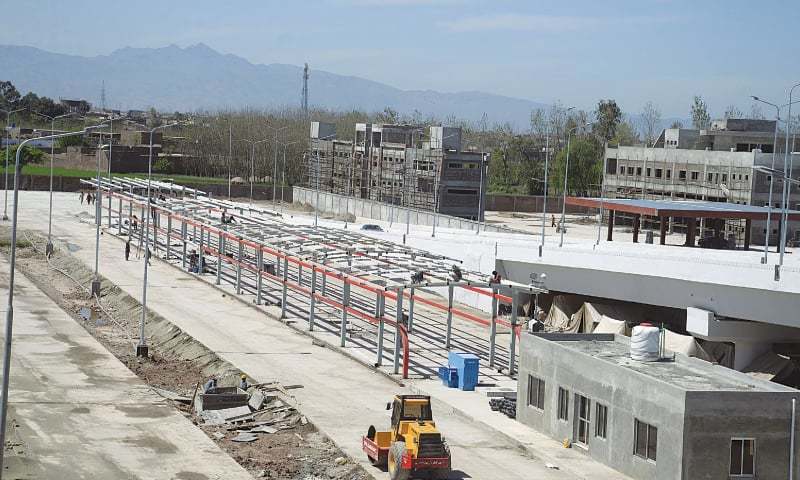
The Khyber Pakhtunkhwa (KP) government has opposed the formation of a committee to investigate the Peshawar Bus Rapid Transit (BRT) project, Associated Press of Pakistan (APP) has reported.
As per the details, treasury members of the KP Assembly have
opposed the opposition’s proposed suggestion to form a house committee to probe
the long-pending project.
The chair, however, has admitted the question for a full
debate under Rule 48 of Assembly Procedure, reports said.
“The government would not form a parliamentary
committee unless it was aimed to facilitate people and provide them
relief,” KP Law Minister Sultan Khan said on the floor of the provincial
assembly during question hour.
He rejected the allegations of corruption in BRT and said
that public funds had been utilised on the project in a “judicious and
transparent” way.
The minister was responding to a question raised by Pakistan
People’s Party (PPP) legislator Nighat Orakzai, who argued that public money
had been “deliberately misused” in the project.
According to an Asian Development Bank (ADB) report released
earlier this month, the KP government significantly deviated from the original,
agreed design and used inferior quality material in the Rs70 billion Peshawar
metro bus project putting lives and assets at risk in the process.
The inferior quality construction could damage the project’s reputation at the international level, warned the lender that had approved a $335 million (Rs53 billion) loan for the project in mid-2017.
PESHAWAR METRO:
The Peshawar metro is rather infamous for its incompletion as
the authorities concerned have failed to meet deadlines time and again. The government
has now issued yet another deadline for completion of the much-delayed project,
saying that it will be operational by the end of current year.
The KP government and the project’s execution agency had earlier promised to open the project, launched in October 2017, within six months on April 20, 2018. However, the deadline was missed.
The project managers kept changing the launch dates from May
20 to June 30 to December 31 in 2018 to March 23, 2019. The project’s cost has
also jumped to Rs68 billion from earlier Rs49 billion.
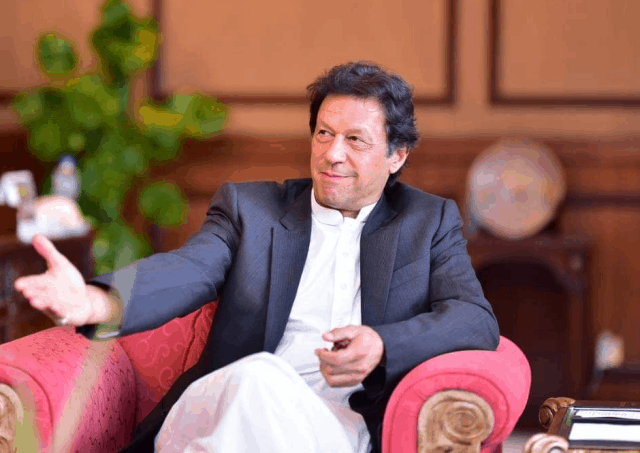
This will be the first time that PM Imran travels on a commercial plane for an official visit as previously he used a charter jet for state visits to countries including the United Arab Emirates (UAE) and Malaysia.
Earlier it was also reported that the premier is planning to not stay at some lavish hotel to save money as part of his government’s austerity drive that continues ever since the PTI rose to power.
The premier, since assuming office last year, has been pushing for austerity measures to save taxpayers’ money and reduce the burden on the national exchequer.
Despite the steps taken by PM Imran in this regard, the austerity drive has faced multiple setbacks over the past 10 months owing to the apparent reluctance of the lawmakers in cutting down expenses.
VISIT TO US:
In his maiden visit to the US, the premier will travel from July 21-23 on the invitation of President Donald Trump in a bid to mend the strained ties between the two countries.
Both the leaders will discuss a range of issues, including counterterrorism, defence, energy and trade, with the goal of creating the conditions for a peaceful South Asia and an enduring partnership between the two countries.
“The visit will focus on strengthening cooperation to bring peace, stability and economic prosperity to a region that has seen far too much conflict,” the Foreign Office (FO) said in a statement.
PM Imran will also be meeting prominent members of the US Congress, corporate leaders and opinion makers as well as overseas Pakistani.
Pakistan Muslim League-Nawaz (PML-N) MNA and former Punjab law minister Rana Sanaullah has challenged Prime Minister (PM) Imran Khan to a “drug test”.
“Sentence me without a trial if even nicotine traces are found in my blood,” the PML-N leader, who was arrested for possession of drugs earlier this month, said while appearing before an anti-narcotics court.
“But also test this incompetent PM and sentence me without trial if you do not find [traces of] cocaine, ice (crystal meth), hashish and heroin,” Sanaullah added.
WATCH VIDEO:
He went on to say that the “victimisation of political opponents” by the ruling party would not continue for long.
Sanaullah is in judicial custody till July 29 in a drug possession case. The Anti-Narcotics Force (ANF) claims to have seized 15 kilogrammes of heroin from his car upon arrest over two weeks ago.
The PML-N leader, on the other hand, denies the charge while his wife suggests the drugs “were planted in the vehicle”.
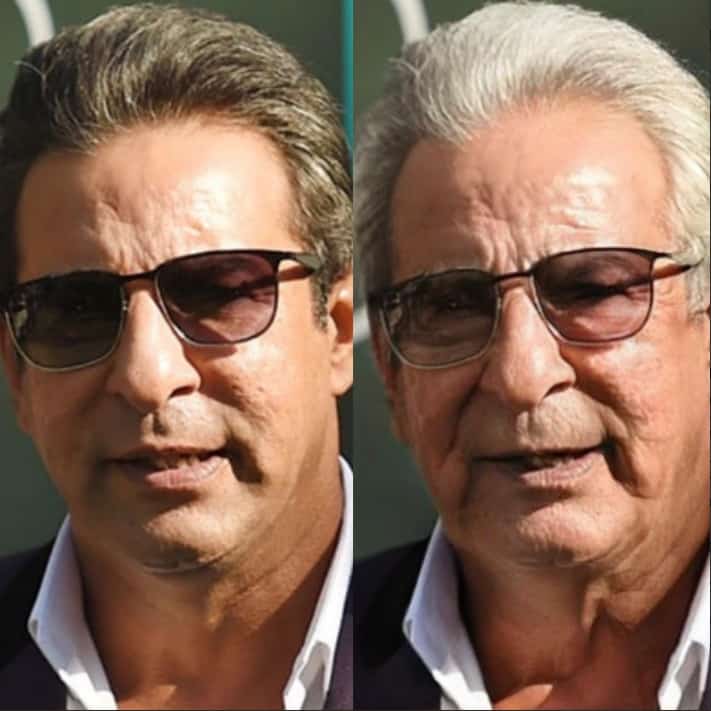
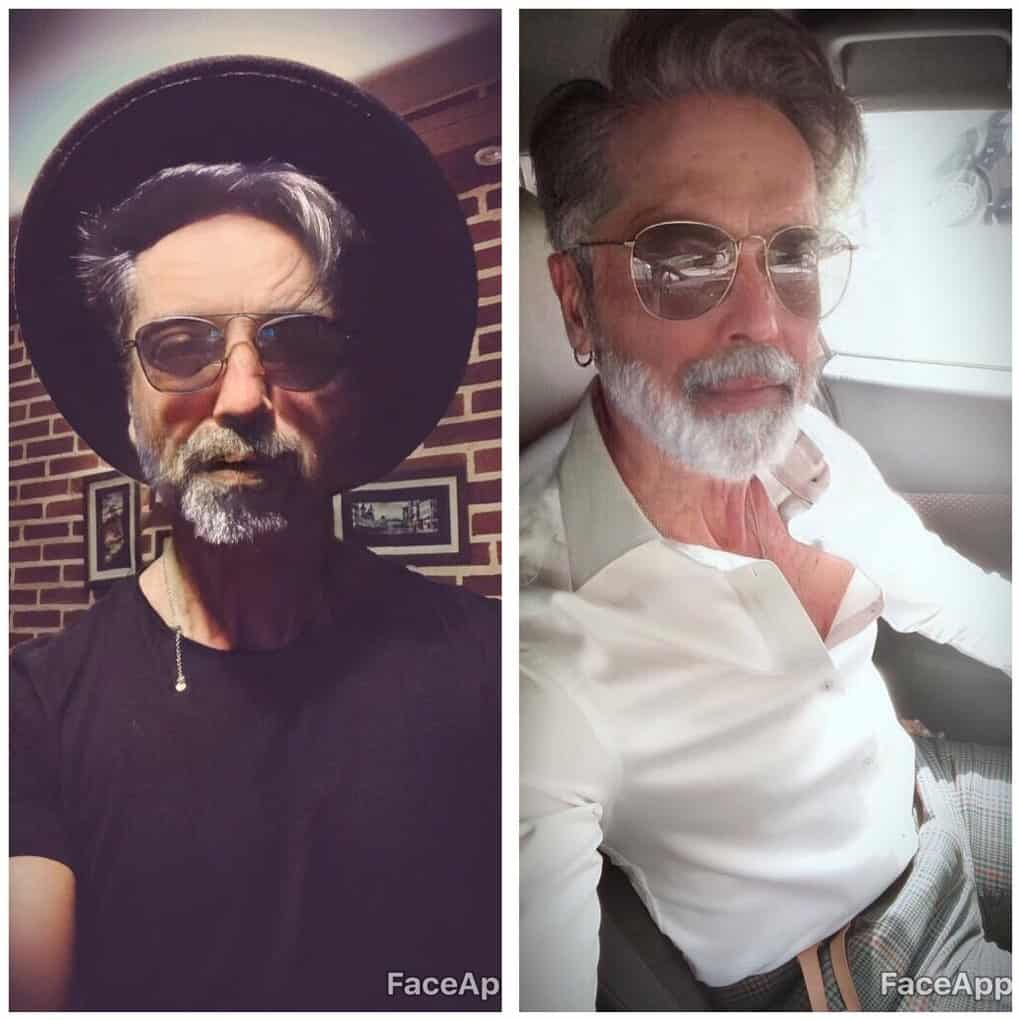
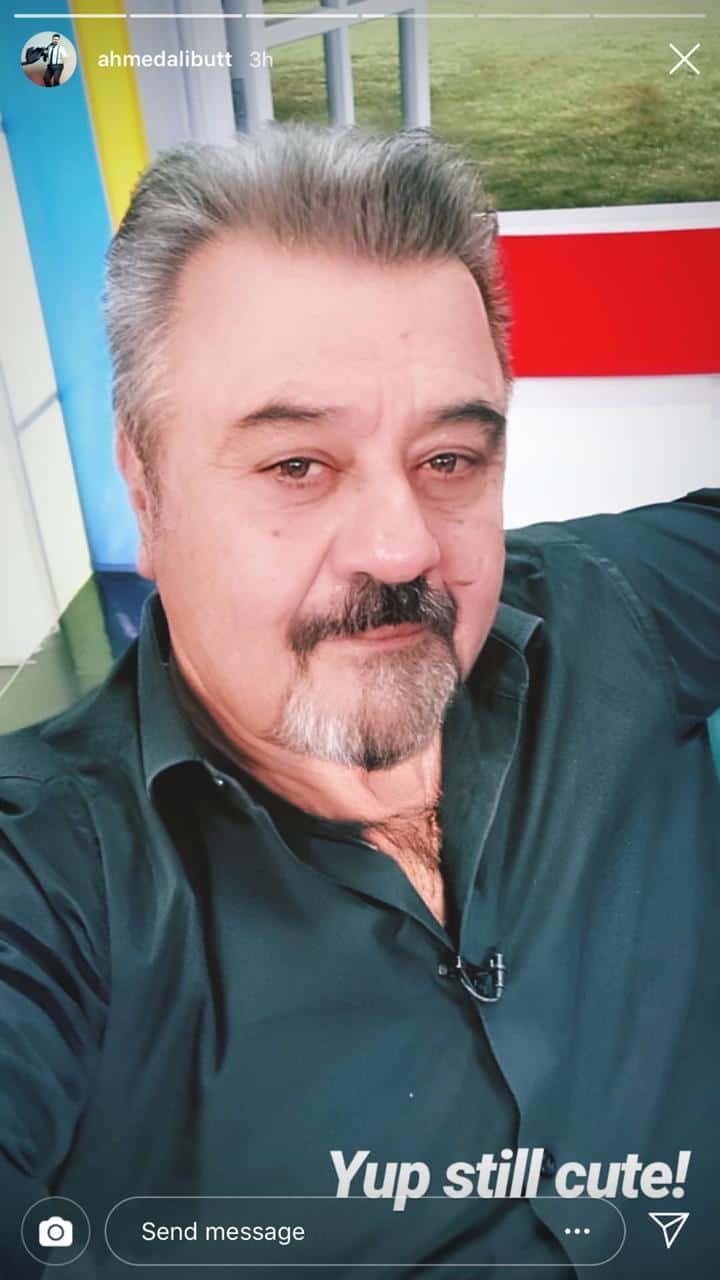
Social media trends are forever changing. Last week the Bottle Cap Challenge had taken over the internet and this week people are playing around with an app called FaceApp that make you look younger or older. The app transforms your face and gives you an image of what you would look a few decades down the line. Celebrities and social media enthusiasts alike have jumped the FaceApp bandwagon which is why we’re seeing old people all over our timelines these days.
The app is going viral for the second time in two years. The app fascinated internet users in 2017 with its fun filters that included gender-swap selfie filter, and now with this age filter.
Here are some of our celebrities trying this new app.
Faisal Qureishi
Fahad Mustafa
Wasim Akram
Junaid Khan
Ahmed Ali Butt
But beware! The app may also breach your privacy. FaceApp is allowed to use your name, username or any likeness provided in any media format and you will not be able to take it down or complain about it. Because FaceApp uploads your photo to the cloud for processing, it doesn’t do on-device processing as other apps do. It retains the image even after you’ve deleted the app.
name, username or any likeness provided in any media format and you will not be able to take it down or complain about it. Because FaceApp uploads your photo to the cloud for processing, it doesn’t do on-device processing as other apps do. It retains the image even after you’ve deleted the app.
Charity organisations and philanthropists have paid millions of rupees to free some 300 poor prisoners, who had completed their sentences but were unable to pay their fines.
Jail officials said that this gesture brought instant relief to hundreds of families and individuals across Sindh who were otherwise unable to come out of jails due to poverty and lack of resources.
They added that those released were not hardened criminals but were in jail for domestic issues or involvement in petty crimes and had been properly identified before the payment of fines.
Fawad Sherwani of the Al-Khidmat organisation, the charity wing of the Jamaat-i-Islami, which has helped free dozens of such prisoners revealed that the whole process is very detailed as they run complete background checks before they move for the prisoners’ release. He also called for a permanent fund to be set up to help those convicts who are not hardened criminals but land in jail for minor offences.
Meanwhile, 37 other convicts were released after the provincial government paid more than Rs330 million in compensation.
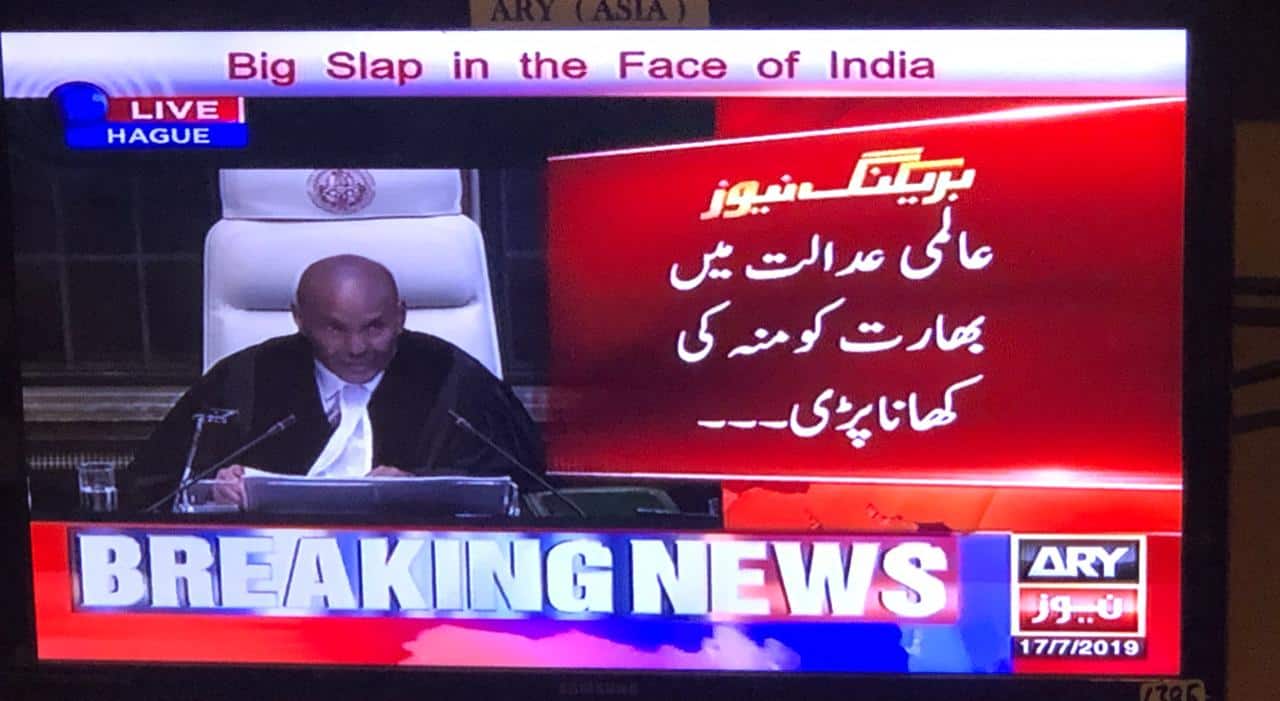
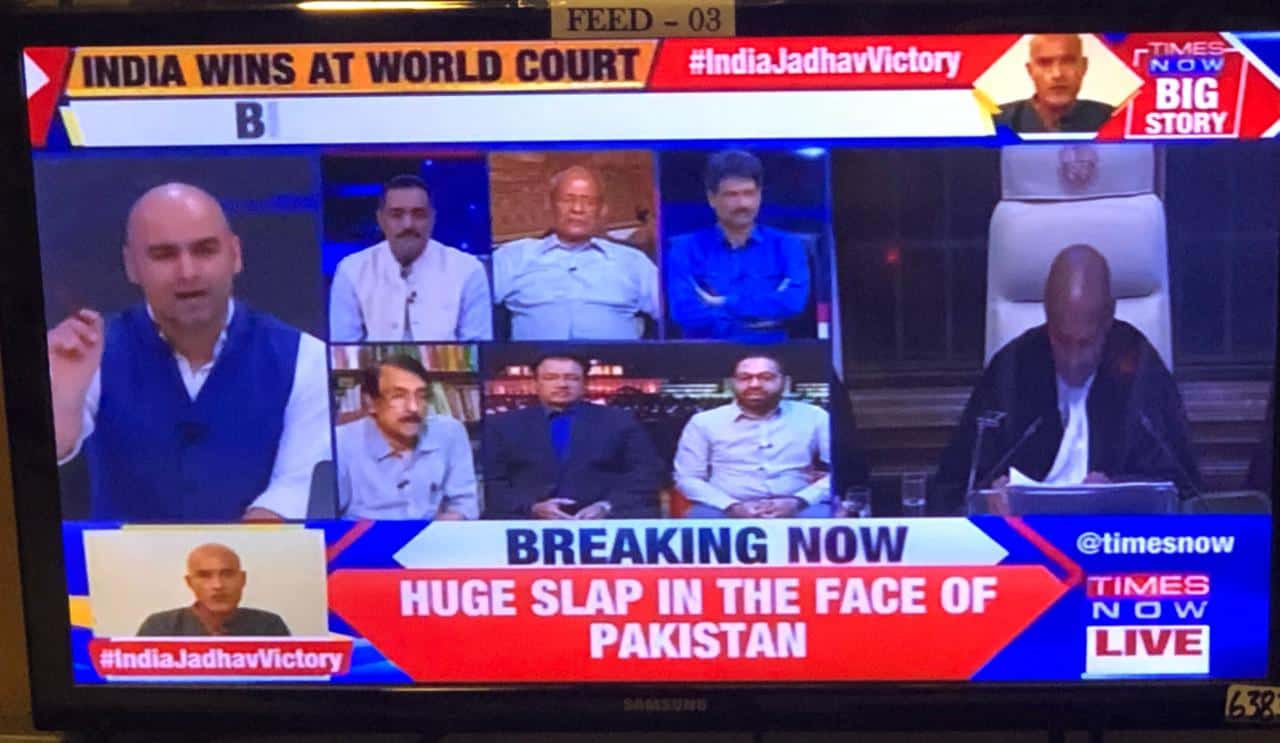
With the International Court of Justice (ICJ) pronouncing the long-awaited verdict in the Kulbhushan Jadhav case, both Pakistan and India have claimed victory.
The narrative in Indian media paints a different picture of the judgment than the one shown by Pakistan. But how is that even possible?
PAKISTAN’S WIN:
According to the ICJ, Jadhav’s conviction and sentence by a military court were not to be regarded as a violation of Article 36 of the Vienna Convention, which India had claimed.
“As regards India’s claim based on the Vienna Convention, the court considers that it is not the conviction and sentence of Jadhav which are to be regarded as a violation of the provisions of the Vienna Convention,” read the verdict.
Article 36 states that foreign nationals who are arrested or detained be given notice without delay of their right to have their embassy and consulate be notified of the arrest and have consular officers visit them.
Among other Indian demands were the annulment of the military court’s decision and permitting Jadhav a safe passage to India. However, the same was denied.
— Government of Pakistan (@GovtofPakistan) July 17, 2019
But what exactly is that India is celebrating?
INDIA’S WIN:
India had also demanded that Jadhav be tried once again by a civilian court after giving him consular access. No retrial was granted, however, Pakistan was ordered to grant the convicted spy consular access.
India also demanded the relief of “review and reconsideration” for its spy, which ICJ has granted, but by means of Pakistan’s own choice.
It means that Islamabad is now required to judicially review Jadhav’s trial and assess if denial of consular access prejudiced his trial.
FOREIGN MEDIA:
Meanwhile, international media reports focused on the ICJ’s directive to Pakistan to review its death sentence to Kulbhushan Jadhav.
“World Court Orders Review of Pakistan Death Sentence for Indian Convicted of Spying”, The New York Times‘ headline said. The Washington Post story on the judgment said: “Alleged Indian spy on death row in Pakistan wins reprieve from execution”.
British media also focussed on the part of the ICJ judgment which went in India’s favour. “UN court orders Pakistan not to execute Indian man accused of spying” The Guardian said in its report.
KULBHUSHAN JADHAV:
Commander Jadhav — an Indian Navy officer working for Indian covert agency Research and Analysis Wing (RAW) — was arrested on March 3, 2016, from Balochistan after he entered Pakistan from Iran.
Jadhav was tried in a military court that sentenced him to death for espionage and subversive activities. In a reaction to the move, Pakistan’s relations with neighbouring India tensed and New Delhi approached the ICJ to hear the case.
On May 18, 2017, the ICJ had ordered Pakistan to halt the execution of Jadhav until a final decision was made.
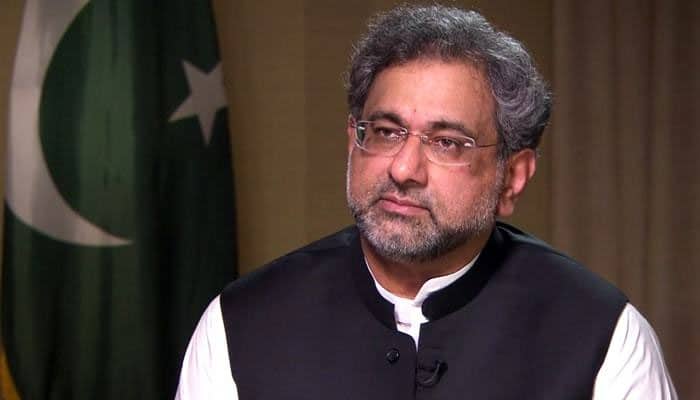
The National Accountancy Bureau (NAB) has arrested former prime minister Shahid Khaqan Abbasi in the Liquefied Natural Gas (LNG) scandal case.
Abbasi is facing accusations of handing over a tender worth Rs220 billion to a company in which he himself was a shareholder. His name is also on the Exit Control List (ECL) so as to stop him from leaving the country.
The arrest comes after the former premier skipped a NAB hearing pertaining to the case at the bureau’s Rawalpindi office.
According to reports, Abbasi was due in Lahore for a press conference to be addressed by Pakistan Muslim League-Nawaz (PML-N) chief Shehbaz Sharif at 4 pm. He, however, was intercepted on his way and taken into custody.
“I received the NAB notice yesterday and it was not possible for me to appear before the bureau on such short notice,” he had stated in a letter to NAB earlier in the day. He had also reportedly sought three days from the anti-graft watchdog for appearance.
Chinese tech giant Huawei Group has unveiled an $170 million investment plan to set up its regional headquarters and upgrade technical support centre in Pakistan, a private media outlet reported.
Huawei Group Vice President Mark Xueman said on Wednesday that his company would invest around $100 million in Pakistan this year.
“Huawei will also set up a regional headquarters in Islamabad at a cost of $55 million that will create job opportunities for young engineers in Pakistan,” he said while talking to Planning, Development and Reforms Minister Makhdoom Khusro Bakhtiar.
Huawei’s official further informed the minister that the company would also invest $15 million more in its technical support centre and it will also hire more workforce for the centre, taking the number of its staff to 800 from 600 this year.
“Huawei is eager to initiate more projects in Pakistan on grant funding from the Chinese government,” Xueman said; responding to which the minister assured him of all cooperation in future joint ventures.
Pakistan is a fast-growing telecom market with subscribers of mobile phones having crossed the 160 million mark compared with the country’s population of 210 million. Of total subscribers, 68 million use 3G/4G. There are 70 million broadband subscribers.
The country imports millions of dollars of mobile phones to meet the local requirements with manufacturing and assembling of handheld devices not present in the country.
According to the government, Huawei has a 25 per cent share in the country’s mobile industry and is also the top tax paying Chinese company in the country.
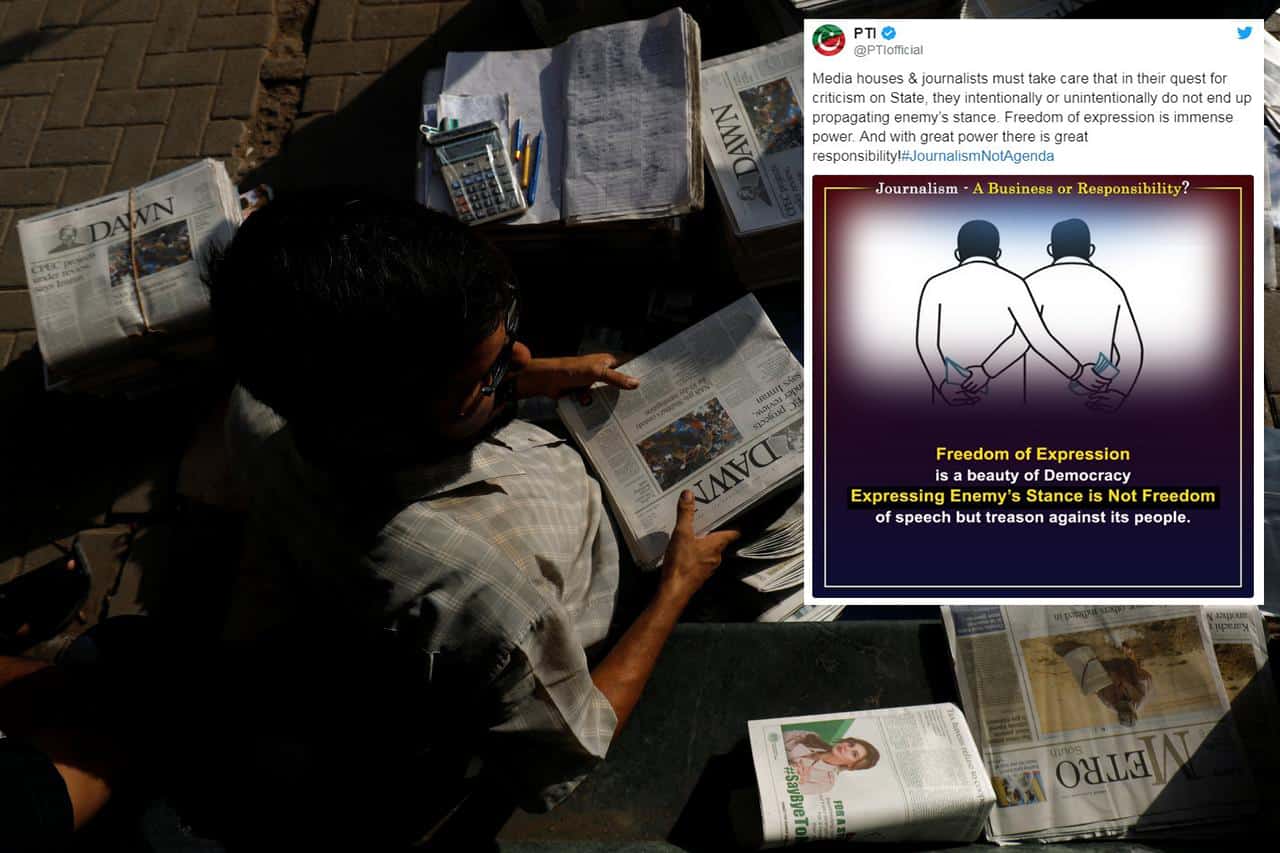
In another episode of the ruling Pakistan Tehreek-e-Insaf’s (PTI) alleged bars on press freedom, critical media coverage has been linked to potential “treason”.
The PTI, on its official Twitter handle, has fired off over two dozen tweets in English and Urdu, lambasting the press for coverage that criticises the government and Prime Minister (PM) Imran Khan, which it deemed “anti-state”.
“Freedom of expression is [the] beauty of democracy. Expressing [the] enemy’s stance is not freedom of speech, but treason against its people,” read one tweet.
Media houses & journalists must take care that in their quest for criticism on State, they intentionally or unintentionally do not end up propagating enemy’s stance. Freedom of expression is immense power. And with great power there is great responsibility!#JournalismNotAgendapic.twitter.com/YdxD9Al5Pb
“Media houses and journalists must take care that in their quest for criticism on state, they intentionally or unintentionally do not end up propagating enemy’s stance,” it added with the hashtag ‘#JournalismNotAgenda’.
The tirade comes two weeks after an interview of former president Asif Ali Zardari was stopped from being aired shortly after it started on a private news channel.
I can only say sorry to my viewers that an interview was started and stopped on Geo New I will share the details soon but it’s easy to understand who stopped it?We are not living in a free country
It was followed by an interview of Maryam Nawaz Sharif, a vice president of the Pakistan Muslim League-Nawaz (PML-N), being “forcefully” taken off air soon after it was run.
“Just came to know Maryam Nawaz Sharif’s interview has been stopped forcefully just [a] few minutes after it started live,” tweeted show host Nadeem Malik.